Description
METABOLIC TYPING TEST
Metabolic Typing is a personalized nutrition approach that identifies an individual’s unique metabolic characteristics to determine the optimal diet and nutrient intake for health, energy, and weight management.
What is Metabolic Typing?
Metabolic Typing is based on the concept that each person has a unique metabolism influenced by genetics, physiology, and current health status. It aims to determine the ideal macronutrient ratios—proteins, fats, and carbohydrates—as well as vitamins, minerals, and amino acids for an individual’s body to function optimally. The approach suggests that by eating foods suited to your metabolic type, your body can operate at its full genetic potential, supporting energy, health,and disease prevention.

Physiological Basis
Metabolic Typing considers two primary physiological systems:
-
Autonomic Nervous System (ANS): The ANS regulates involuntary functions like heart rate, digestion, and breathing. It has two branches— sympathetic (“fight or flight”) and parasympathetic (“rest and digest”). Dominance in one branch can influence metabolic function and nutrient requirements.
2. Cellular Oxidation Rate: This refers to how quickly cells convert food into energy. Individuals may be classified as “fast oxidizers” or “slow oxidizers,” affecting how efficiently they metabolize proteins, fats, and carbohydrates.
Metabolic Types
Metabolic Typing systems typically classify individuals into three broad categories:
-
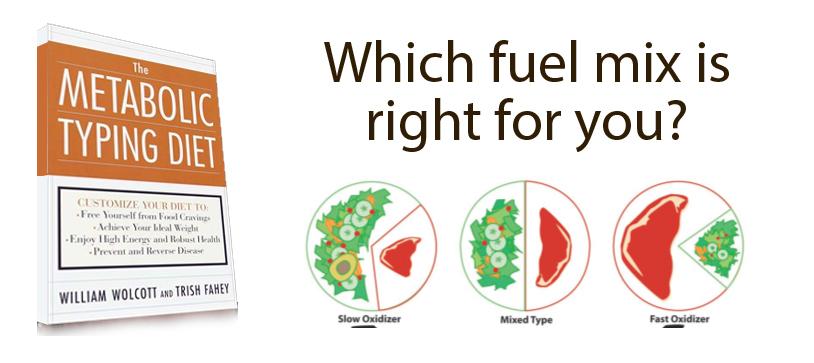
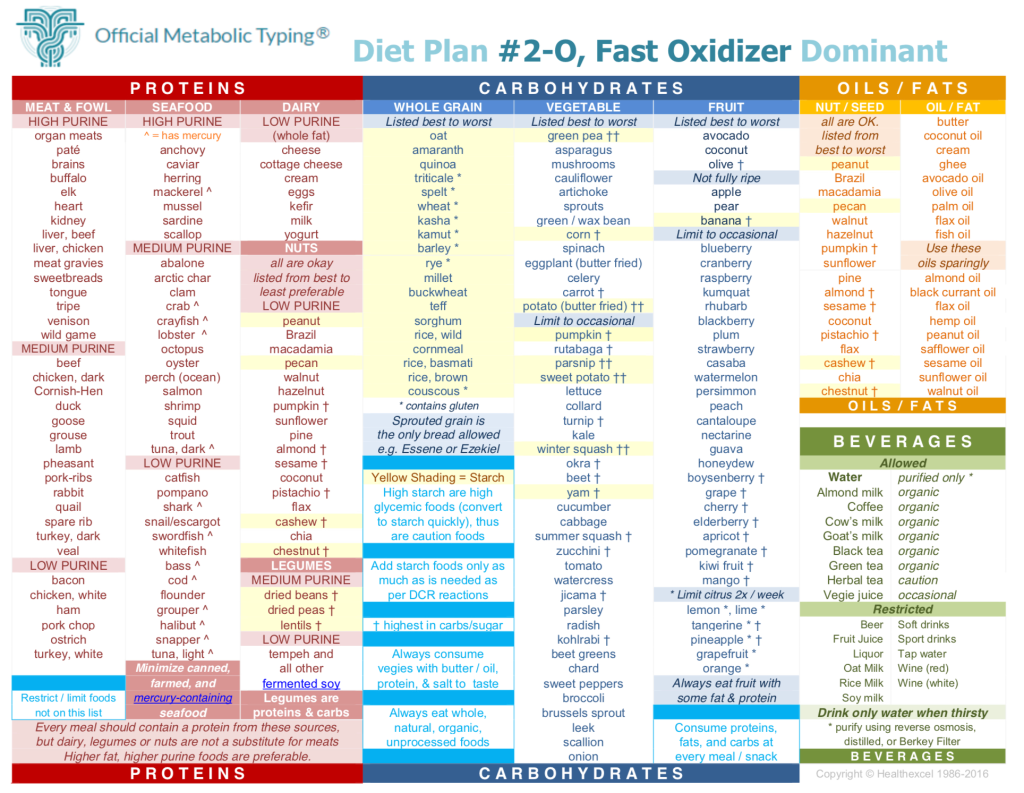
Protein Type (Fast Oxidizer / Parasympathetic Dominant): Efficient at metabolizing proteins and fats, often requiring a higher protein and fat diet with lower carbohydrates. This type may crave fatty or salty foods and have high energy but can fatigue quickly.
-
Carbohydrate Type (Slow Oxidizer / Sympathetic Dominant): Better at metabolizing carbohydrates, benefiting from a diet higher in complex carbs and lower in protein and fat. This helps stabilize energy and supports metabolic balance.
-
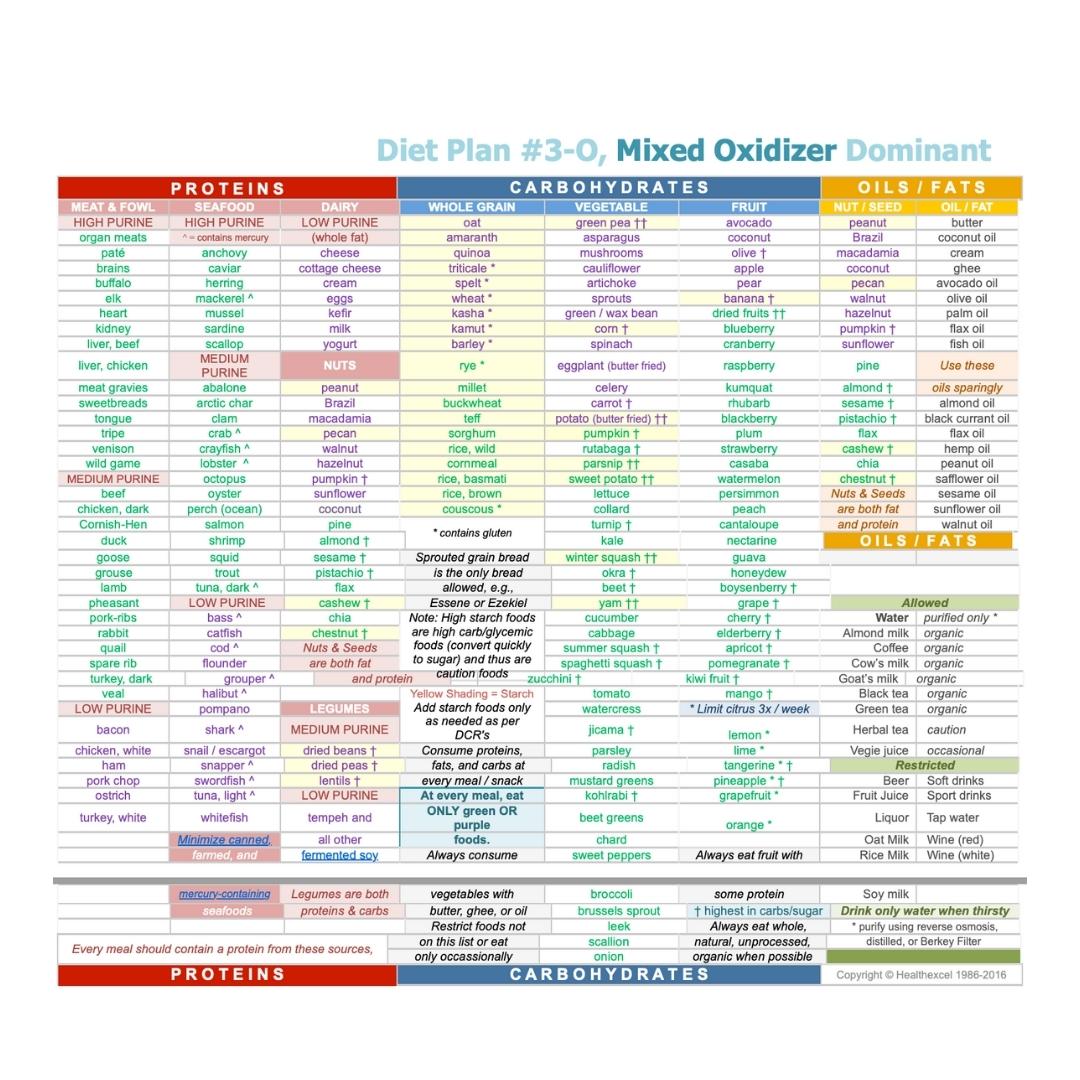
Mixed Type: Shows a balance between protein and carbohydrate metabolism, thriving on moderate amounts of protein, fat, and carbohydrates.
Some systems, like the Metabolic Typing® program, expand this into six types, incorporating physical, dietary, and psychological traits to refine dietary recommendations.

How Metabolic Typing is Determined
Metabolic Typing assessments often involve questionnaires analyzing:
-
Physical traits: Body build, skin type, fat distribution
-
Dietary traits: Food cravings, hunger patterns, response to specific foods
-
Psychological traits: Personality, mood tendencies. These traits help identify metabolic imbalances and guide personalized nutrition plans.
Benefits and Considerations
Proponents claim that metabolic typing can:
-
Optimize energy levels
-
Support weight management
-
Improve nutrient utilization
-
Reduce risk of chronic disease.
However, it is generally recommended for healthy individuals, and dietary changes should be monitored by a qualified professional to avoid adverse effects. Minor temporary side effects like headaches or nausea may occur when adjusting to a new diet.
Practical Application
Once a metabolic type is identified, individuals can tailor their diet and supplement intake to match their metabolic needs. This approach emphasizes that there is no universal diet; the optimal diet is the one aligned with your unique metabolic profile.
We currently use the Intermediate Metabolic Typing test on nearly all of our patients here at the Da Vinci Holistic Health Centre. It is one of the profoundest tools for balancing metabolic biochemistry that I have encountered, and is the missing link in optimising nutrition.
Dr Georgiou is a certified Metabolic Typing Consultant as well as a clinical nutritionist and a naturopath.
Videos to Watch:
Book Download