
‘To read the article click here.’
Author: Dr. George Georgiou
Chemical Impacts on Children’s Intelligence and Behaviour
‘To read the article click here.’
Lead and Your Health – Lead poisoning in children
‘To read the article click here.’
Toxic Metals and Mental Health
by Mark D. Filidei, DO
San Francisco Preventative Medical Group
345 West Portal Avenue
San Francisco, CA 94127
The term “heavy metals” refers to elements of specific weight characteristics. Toxic
heavy metals are, unfortunately, present in our air, water, soil, and food supply as a
byproduct of our industrialized society. In fact, contamination is so pervasive in our
environment that it is no longer a question of whether one has been exposed to toxins, but
rather the level of exposure. People who have acute toxicity from heavy metals – such
as lead, mercury, arsenic, and cadmium – may exhibit obvious and classical symptoms of
poisoning. But toxicity from chronic low-level exposure is much more insidious in its
presentation. Chronic low-level exposure can lead to a wide array of problems, ranging
from neuropsychiatric disturbances such as aggressive behavior, memory loss,
depression, irritability, and learning deficits, to physical manifestations such as liver and
kidney dysfunction, fatigue, infertility, gout, hypertension, headache, and candida (yeast)
infections.
Even though efforts are under way to curb the output of toxins and heavy metals
into the environment, the problem is far from being resolved. Today, even in the
United States, thousands of tons of toxic industrial wastes, including heavy metals,
are dumped into the environment every year. We are left with a legacy of years of
industrial pollution and toxic substance use that haunts us to this day. Perhaps the
two most widespread and significant heavy metal toxins are mercury and lead.
Lead
It is estimated that about 64 million homes in the United States still contain lead
paint and that 5 to 15 million of these have been identified as “very hazardous” by
the U.S. Department of Housing and Urban Development. According to the EPA, an
estimated 1.7 million children are currently affected by lead toxicity in United States,
and almost 900,000 of all children affected are under the age of six. This statistic is
very important because the symptoms of lead poisoning in children are strikingly
similar to several psychiatric “diseases” that are on the rise in the U.S. Children with
high lead levels can exhibit lower IQ scores, learning disabilities, hyperactivity,
aggressive or disruptive behavior, and difficulty maintaining attention. A child
exhibiting this type of behavior today would likely be sent to a doctor’s office,
diagnosed with attention deficit disorder, and promptly started on Ritalin or other
psychoactive drugs.
Children with high lead levels are much more likely to drop out of school, have
reading disabilities, and exhibit criminal behavior. Herbert Needleman, M.D., a
professor of psychiatry and pediatrics at the University of Pittsburgh, conducted a
study of nearly 2,000 children in Boston. He found that girls with elevated levels of
lead were more likely to be dependent, to be poor at concentration, and to “display
an inflexible and inappropriate approach to tasks,” while boys were more likely to
have difficulty with simple directions and sequences of directions. Dr. Needleman
concluded: “…Our findings would appear to add to the weight of evidence that even a
lower level of exposure to lead, or its correlates, place children at increased risk of
difficulties in school.”
It is important to note that childhood exposure to lead can result in adverse effects
well into adulthood. A study by Stokes, et al, showed that a group of 281 young
adults who had been exposed to lead as children showed significant adverse
neurobehavioral effects 20 years after environmental exposure. While lead has been
eliminated from the nation’s gasoline supply, the major source of contamination is
lead-based paint, which was composed of up to 50% lead. Flakes and microscopic
dust from the paint continue to contaminant homes for many years, and can be
released in larger amounts during renovations. Additional sources of lead include
water pipes, pesticides, factory emissions, cosmetics, and some folk remedies.
In addition to being a cellular toxin, lead competes with calcium in the body, which
can cause various malfunctions in calcium metabolism including a decrease in
neurotransmitter (chemicals that relay messages along nerve cells) release and
blockade of calcium channels. The central nervous system appears to be affected to
the greatest degree by lead toxicity, and this can explain the many neuropsychiatric
symptoms associated with exposure to this heavy metal.
Why are some people more susceptible to heavy metal toxicity than others? One
must always remember that each individual has a unique physiology, and may have
an inherently strong or weak detoxification system to handle heavy metal exposure.
In addition, poor nutrition, such as iron or calcium deficiency, has been shown to
exacerbate the symptoms of lead exposure.
Lead can be absorbed through the gastrointestinal tract and also inhaled as small
particles. Chronic exposure to lead can result in significant accumulation in the
brain, soft tissue, and bones. Lead that has accumulated in the skeleton can remain
there for many years, releasing lead slowly back into the bloodstream over an
extended period of time.
Neuropsychiatric symptoms of chronic lead exposure include:
- Headaches
- Poor memory
- Inability to concentrate
- Attention deficit
- Aberrant behavior
- Irritability
- Temper Tantrums
- Fearfulness
- Insomnia
- Lowered IQ
- Difficulty with the reading, writing, language, visual and motor skills
Mercury
Mercury is considered by many to be even more toxic than lead. Although mercury
is poorly absorbed from the gastrointestinal tract, mercury vapor is easily taken in
through the lungs and readily passes into the brain. Once in the body, mercury also
concentrates in the nerves, liver, and especially the kidneys. Mercury is a potent
cellular toxin and is known to decrease neurotransmitter production, disrupt
important processes within the nerve cells, and decrease important hormones such
as thyroid and testosterone.
“Silver” amalgam fillings are the major source of inorganic (does not contain carbon)
mercury exposure in humans, while seafood and fish constitute our largest exposure
to organic mercury compounds. Amalgam fillings actually contain approximately
50% metallic mercury, and they continuously release mercury vapor during chewing,
brushing, or when drinking hot beverages. Studies have shown that exhaled air of
subjects with amalgam filling contains a significantly higher level of mercury than
subjects without amalgams, and there appears to be a direct correlation to the
number of amalgam fillings and the level of mercury found in both blood and urine.
Although the presence of higher levels of mercury in people with amalgam fillings is
not in dispute, there continues to be an intense debate regarding the health effects
of this finding. While groups such as the FDA and the American Dental Association
steadfastly maintain that amalgam fillings are safe, a growing number of physicians
and researchers are convinced that mercury from amalgam fillings poses a significant
health hazard.
In addition to amalgam fillings, common sources of mercury include pesticides,
laxatives, batteries, paper and pulp products manufacturing, drinking water, and
paint products.
Neuropsychiatric symptoms associated with mercury toxicity include:
- Insomnia
- Nervousness
- Hallucinations
- Memory loss
- Headache
- Dizziness
- Anxiety
- Irritability
- Drowsiness
- Emotional instability
- Depression
- Poor cognitive function
Diagnosis
The diagnosis of heavy metal toxicity must take into account the exposure history,
clinical signs and symptoms, and laboratory tests. While the CDC (Center for
Disease Control) has steadily dropped the “allowable level” of lead in the blood over
the last fifteen years, there remains a problem with using blood levels in the first
place. Blood levels may not accurately reflect the total body burden of toxic metals.
High blood levels are usually only found in acute toxic metal exposure, or in people
exposed to high levels of toxins over a long period of time. In chronic low level
exposure, however, the blood levels may actually be low due to redistribution of the
toxins throughout the body, while bone and other tissue levels remain high.
Hair analysis is another method of determining toxin exposure that is popular with
many clinicians. Hair can be a good indicator of exposure because it grows slowly
and incorporates toxic metals into its structure over a long period of time, and
therefore may be a better measure of actual tissue levels. There are arguments over
the accuracy of hair analysis due to the possibility of contamination from hair dyes,
shampoo, and other factors. Nevertheless, hair analysis can be a valuable screening
tool if the proper questions are asked and the proper steps are taken prior to its use.
A more accurate method for evaluating toxic metal burden is to do a urine challenge
test with a “chelating” agent. Chelating agents bind to heavy metals throughout the
body, and then are excreted in the urine, taking the heavy metals with them. In the
urine challenge test, a chelating agent is administered and then urine is collected
and analyzed to determine the amount and type of toxic metals that are excreted.
Treatment
The good news is that effective treatments are available for heavy metal toxicity.
DMSA is an FDA-approved chelating agent that is particularly useful in cases of
mercury exposure (it is also approved for lead toxicity in children), while EDTA is
particularly useful for lead toxicity. It should be noted that both of these agents
remove other toxic metals in addition to lead and mercury. There are many different
protocols used for heavy metal detoxification, as well as other chelating agents, but
that is beyond the scope of this article. For more information on detoxification
protocols and testing, contact an alternative medicine physician familiar with these
procedures.
Summary
Toxic heavy metals are found in the air we breathe, the food we eat, and the houses
we live in. Toxic metal exposure can result in a wide array of common mental health
disorders that can mimic many psychiatric “diseases” and thus lead to psychoactive
prescription drug use or other unnecessary treatments. Unfortunately, the majority
of clinicians dealing with patients who have mental health issues are unlikely to
suspect heavy metal toxicity as a cause of their patient’s problems due to a general
lack of knowledge of this subject in the medical community. Unique biochemical,
genetic, and nutritional factors can make certain people more susceptible to the
effects of toxic heavy metals, thus each case must be handled on an individual basis.
Fortunately, the number of practitioners trained in “functional” or “orthomolecular”
medicine is on the rise, and these practitioners are very familiar with the diagnosis
and treatment of problems associated with heavy metal toxicity.
Mercury Levels in Umbilical Cord Blood
‘To read the article click here.’
GEOPATHIC STRESS – HOW EARTH ENERGIES AFFECT OUR LIVES

 What is Geopathic Stress?
It is the general term for energies emanating from the earth that can cause discomfort and ill health in human beings. If the exposure to Geopathic energies is short-lived, then in general the effects are insignificant, although some people will show symptoms of tiredness, inattention and headaches when sitting in a geopathically stressed area for even one or two hours.
Geopathic energy is an insidious phenomenon: we cannot see it or adequately explain it in current scientific terms, but the effects of it are likely to prove at least as devastating as environmental pollution. Geopathic energies pass through walls, windows and closed doors – they do not recognize boundaries.
GEOPATHIC STRESS AND ITS SYMPTOMS
The earth has a natural magnetic field; it acts as though it has a large magnet at its center. The rotation of the earth creates electric currents in the molten metal found within the earth’s core, thereby producing a magnetic field.
Geopathic stress occurs when the earth’s magnetic field is disturbed, either naturally or artificially, and the background field that we normally experience is changed.
Natural disturbances to the earth’s magnetic field include geological faults, underground ore masses and underground water, particularly running water. Earthquakes and running underground water can slowly erode rock and have a destabilising effect.
Gordon says:” Natural radiation which rises up through the earth are distorted by weak electromagnetic fields created by subterranean running water; create mineral concentrations, fault lines and underground cavities. The wavelength of the natural radiation disturbed in this way becomes harmful to living organisms”. Man-made disturbances in the earth’s magnetic field include mining, foundations for tall buildings, underground transport systems and public utilities (sewage, water and so on).
EFFECTS OF GEOPATHIC STRESS
People who live in houses above areas of Geopathic stress often have disturbed sleep patterns: they may not be able to get to sleep or they wake frequently or suffer from strange dreams and wake up feeling tired and irritable. This can lead to ill health, a lack of tolerance for others and general feelings of depression. In these situations arguments with loved ones ensue and life becomes more and more difficult. Babies and children in such houses do not sleep well and this causes problems for both themselves and their parents. People in such houses often become ill, sometimes with very serious problems. This is particularly true if the energy is focused around the bed, where we spend about a third of our time.
Geopathic stress can affect the fabric of a building. Pavements and walls can crack; plaster becomes dump and lights bulbs blow for no apparent reason. The exasperated homeowner may spend time and money repairing the damp, takes the advice of experts, but still sees the problem return for no obvious reason. Attempts to decorate some rooms seem doomed to failure: they always seem gloomy and “not quite right” no matter what is done. In spite of a new coat of paint and cheerful decorations no one wants to spend long in the room – and they cannot explain why.

HOW GEOPATHIC STRESS AFFECTS THE BODY
The effects of Geopathic stress undermine and weaken a person’s life force. This does not mean that Geopathic stress causes illness; rather, by weakening the body it provides a fertile ground in which ill health can flourish.
The Geopathic energies interfere with the body’s own electrical activity. It has also been demonstrated to distort brain rhythms, interrupt the continual process of renovation and renewal of cells that our body’s undergo daily and interfere with our cells and tissues by resonating at the same frequency. The greatest damage occurs when the maximum resonance is achieved. This explains why not everyone living or working in the same environment will be affected by the Geopathic problems of the site.
DETECTING GEOPATHIC STRESS
Although some people may be aware that a place does not feel right, most people would not suspect Geopathic stress. Sometimes there may be only a general feeling of unease and dissatisfaction, but if there are more definite health problems, and especially if they do not respond to treatments, it is worth checking the site for Geopathic Stress problems.
If you find persistent damp in a house, particularly where this has been corrected, this can be an indication of the presence of Geopathic energies. Many people’s pulse rate will increase significantly when they spend some time in a Geopathic area and this can be a useful guide.
Observing the behavior of animals – ants and bees, as well as cats flourish over energy lines those are detrimental to human beings. Sometimes a pet cat may choose an awkward, draughty place with evident relish. These preferences could be indications of the presence of certain earth energies.
Other method of detection involves the use of Dowsing that was initially documented by 17th century French priests. Dowsers often use pendulums for dealing with individual health problems – the pendulum would swing one way for “yes” and another for “no”. If dowsers are walking around a building or the countryside looking at Geopathic problems they will often use rods as they are not overly influenced by the movement of walking.
CORRECTING GEOPATHIC STRESS
Correcting Geopathic disturbances is not always difficult and complicated, although sometimes it can be. The first and simplest solution is to try moving the bed or desk to a different place. Sometimes people’s health and well-being improves dramatically from this one simple measure. It is not a good idea to place the bed or desk where a cat likes to sleep – a spot favoured by a dog is a much better place.
The second solution is the TACHYON PRODUCTS. Wagner, a scientist and Tachyon researcher, had discovered that everything evolves out of the Tachyon field and through his research in applied physics discovered the Tachyonization TM process. Tachyonization is a process based on physics that help to restructures certain natural materials at the submolecular level, creating a permanent Tachyon antennae. Wagner’s vision was to use the Tachyonization process to help people benefit on the level of health and consciousness.
The benefits when using Tachyonized products include:
- natural detoxification
- increased absorption of available vitamins and minerals
- increased energy for physical activities
- increased awareness of subtle energies
- increased brain function
- increased circulation
- exceptional improvements in athletic abilities and muscle recovery – athletes use these products notice a significant decrease in fatigue, allowing for increased performance
Tachyon products can also protect again GEOPATHIC, ELECTROMAGNETIC and MOBILE PHONE stress.
Health Benefits of A- Lipoic Acid
Health Benefits of A- Lipoic Acid
Health Benefits of A- Lipoic Acid include lower blood sugar levels, reducing inflammation, slowed skin ageing and improved nerve function.
Alpha Lipoic Acid (ALA) is a vitamin-like substance that has generated much interest in the last few years, especially with regards to both its ability to act as a powerful antioxidant and because of its role in energy production.
Our bodies are able to make ALA although a dietary source is still important and for many years high doses of alpha lipoic acid supplements have been used in parts of Europe for certain types of nerve damage, diabetic tendency, Alzheimer’s disease and Inflammation.
Alpha lipoic acid is the most effective antioxidant because it is both water and fat soluble. It can access in any part of the cell, so it can trap free radicals that might otherwise escape and damage other tissues. It is the only antioxidant that regenerates itself instead of becoming lost once it absorbs a free radical.
A study published in the Journal of Neural Transmission found alpha-lipoic acid “dramatically lowers” disease progression in Alzheimer’s disease patients who received 600 mg a day for 12 months. Other studies support that 600 mg of alpha lipoic acid once daily for a period of three weeks leads to a significant and clinically relevant reduction in neuropathic pain.
Alpha lipoic acid is considered an effective supplement in the treatment of diabetic distal sensory- motor neuropathy and to help improve insulin sensitivity in patients with diabetes mellitus.
Alpha lipoic acid supplementation may positively impact patients with HIV and acquired immune deficiency syndrome by restoring blood total glutathione level and improving functional reactivity of lymphocytes to T-cell mitogens.
A systematic review and meta-analysis on randomized clinical trials suggests that Alpha lipoic acid can reduce inflammation markers.
How Alpha Lipoic Acid works?
Lipoic acid is found in the body and also synthesized by plants and animals. It’s present in every cell inside the body and helps turn glucose into “fuel” for the body to run off.
Is it “essential” that you consume a certain dosage of alpha lipoic acid every day?
Not exactly. Even though we can make some of it on our own without supplements or outside food sources (which is why it’s not considered an “essential nutrient”), eating an antioxidant-packed diet plus potentially using ALA supplements can increase the amount circulating in the body, with studies show has far-reaching benefits.
ALA’s most valuable role in the body is fighting the effects of free radicals, which are dangerous chemical-reaction byproducts that form during the process of oxidation.
Within our cells, ALA is converted into dihydrolipoic acid, which has protective effects over normal cellular reactions. As oxidation takes place in the body over time – due to normal chemical reactions like eating or moving, but also from exposure to environmental pollutants and toxins – certain compounds can become very reactive and damage cells.
At times, this causes abnormal cells to grow and multiply, or it can have other effects like slowing metabolic efficiency and changing neuron signalling.
Like other antioxidants, alpha lipoic acid can help slow down cellular damage that is one of the root causes of diseases like cancer, heart disease and diabetes. It also works in the body to restore essential vitamin levels, such as vitamin E and vitamin C, along with helping the body digest and utilize carbohydrate molecules while turning them into usable energy.
In addition, alpha lipoic acid works like a synergist with B vitamins, which are needed for turning all macronutrients from food into energy. And it’s synthesized and bound to protein molecules, making it act as a cofactor for several important mitochondrial enzymes.
Something that makes ALA unique is that it’s both water-soluble and fat-soluble, unlike other nutrients (like B vitamins or vitamin A, C, D or E), which can only be properly absorbed with either one or the other.
There’s some evidence that ALA is acts as a “heavy metal chelator,” binding to metals (also called “toxins”) in the body, including mercury, arsenic, iron and other forms of free radicals that make their way into the bloodstream through water, air, chemical products and the food supply.
Finally (as if this wasn’t enough!), alpha lipoic acid can increase how the body uses a very important antioxidant known as glutathione, and it might increase energy metabolism too – which is why some athletes use ALA supplements for enhanced physical performance.
Alpha Lipoic Acid Dosage Recommendations
If you do choose to take ALA supplements, keep in mind that taking more won’t always offer better results. While side effects and risks of taking more seem to be very rare (considering it’s a natural chemical found in the body at all times), as little as 20–50 milligrams per day seems to be beneficial for general preventative health.
Larger doses up to 600–800 milligrams per day are sometimes used in patients with diabetes or cognitive disorders but not recommended for the general public.
Dosage recommendations differ depending on who you ask, but below are some general guidelines that are within the safe range:
• 50–100 milligrams for antioxidant purposes in generally healthy adults
• 600–800 milligrams for patients with diabetes (divided into two doses, usually tablets are 30–50 milligrams each)
• 600–1,800 milligrams for patients with neuropathy and diabetic neuropathy (dosages this high should only be taken with supervision from a doctor)
According to researchers from Oregon State University, the amounts of lipoic acid available in dietary supplements (ranging in dosage from 200–600 milligrams) can be as much as 1,000 times greater than the amounts that could be obtained through someone’s diet alone!
Taking ALA supplements with a meal is believed to decrease its bioavailability, so most experts recommend taking it on an empty stomach (or at least one hour before or after) for the best results.
Health Benefits of Krill Oil
Health Benefits of Krill Oil
Krill are shrimp-like crustaceans that grow up to 2 inches long and serve as food for whales, fish, seals, and penguins. It’s estimated that krill may be one of the most abundant multi-celled organisms on the planet. They are predominantly sourced from the northern Pacific Ocean and the water surrounding Antarctica.
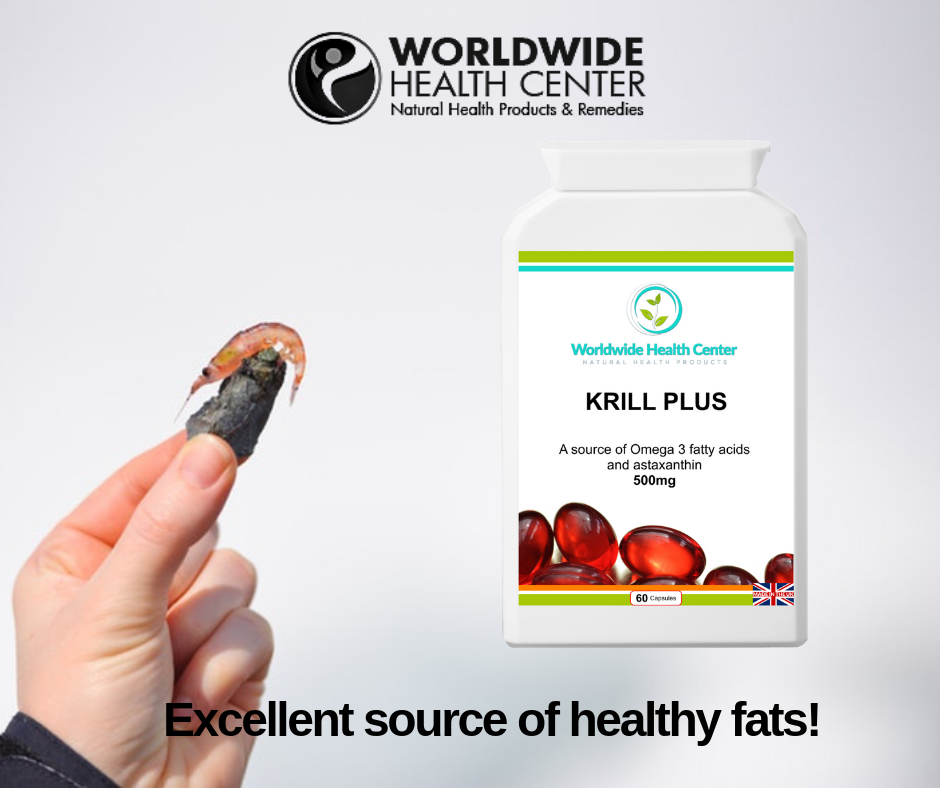
Krill are a source of omega-3 fatty acids, which your body can only get from food or supplements. Omega-3s are a critical part of the membranes surrounding each of your cells. Omega-3s give your body energy and also serve important jobs in your heart, blood vessels, lungs, immune system, and endocrine system.
Several kinds of fish are good sources of omega-3s, as are krill. Many people choose to ingest fish or krill oil to get the benefits of the omega-3s in fish and krill. There are three kinds of omega 3s: alpha-linolenic acid (ALA), eicosapentaenoic acid (EPA), and docosahexaenoic acid (DHA). Krill and fish oils contain EPA and DHA. Fish oil contains more omega-3s than krill oil. Krill oil, on the other hand, has the advantage of having a lot of phospholipids, which help your body better absorb omega-3s.
Why Krill Oil vs Omega-3 From Fish?
Generally, Krill oil is more expensive than fish oil, so why purchase Krill oil if you can get your omega-3 from cheaper fish oil? The main reason is that the omega-3 is usually extracted from large fish that are quite toxic in mercury. Krill, being a lot smaller, has been found to be a lot cleaner, and also contains Astaxanthins that are super-antioxidants that have additional health benefits.
This powerful pigment provides certain types of seafood a red-orange hue and has been shown to support healthy vision, promote brain and heart health, and even increase male fertility.
Often dubbed the “king of carotenoids,” research shows that astaxanthin is one of the most powerful antioxidants in nature. In fact, its ability to fight free radicals has been shown to be 6,000 times higher than vitamin C, 550 times higher than vitamin E and 40 times higher than beta-carotene.
Health Benefits and Uses
Krill oil, like fish oil, is a rich source of omega-3s, and it also offers antioxidants and vitamin A.
While much study has been conducted on fish oil’s health benefits, there is less research on the health benefits of taking krill oil. Studies have shown health benefits attributed to krill oil, but in general, more research is needed. Early research shows that krill oil, like fish oil, may offer the following benefits:
- Improves Brain Health
- Protects Your Heart
- Keeps Skin Glowing
- Eases Inflammation
- Enhances Your Workout
- Boosts Male Fertility
- Supports Healthy Vision
Less Inflammation
Research suggests that omega-3s are likely to help with any type of illness involving inflammation in the body. One study showed that taking krill oil reduced pain, stiffness, and inflammation in patients with rheumatoid arthritis.
PMS Symptom Relief
There is significant evidence suggesting that taking krill oil can reduce both the pain and emotional effects of PMS. The research shows that krill oil is much more effective for PMS symptoms than is fish oil.
NATURAL PARASITE DETOX

 NATURAL PARASITE DETOX
Parasites: the uninvited guests! This is a chapter from Dr George Georgiou’s book Why Am I Sick?, a Naturopath who is the Founder Director of the Da Vinci Holistic Health Center, in Larnaca, Cyprus explaining the natural parasite detox.
It always amuses me when I tell a patient that they are a suspect for parasites, based on their symptomatology and other screening tests. They are usually aghast with disgust at how ‘dirty’ they must be! Little do they know that they are in the majority, as it is estimated that about 90% of most populations in the Western world have some sort of parasites. So, what about you? Most people have some form of parasites, so using a natural parasite detox is important to help eliminate these pests.
I am including this chapter here as parasites can cause a lot of health problems and appear to be one of the underlying causes of many chronic degenerative diseases, including cancers, so a parasite detox is crucial to optimising health. My intention is not to discuss the details of parasitology, as that would require a book in itself – but to touch on the subject with some examples of the more common parasites, and end with some natural parasite detox remedies that will help to clear these parasites from the body. There are combinations of natural parasite detox remedies that can remove literally hundreds of parasites concomitantly – these are powerful combinations that have been tried and tested in clinical practice by many practitioners around the world for a natural parasite detox.
What is a parasite?
The word parasite comes from the Greek word para meaning ‘beside’ and sitos meaning ‘food.’ A parasite is any organism that derives its food, nutrition and shelter by living in or on another organism.[1]
Circulated worldwide, the Journal of the American Medical Association (JAMA) reported in 1984 that more than one-half of the 8.3 billion people on Earth were infected with parasitic disease. Parasites generally live and breed in the mucous layers of the body – there are over 100 kinds of parasites that can live in the human body.
All parasites generally prevent the absorption of nutrients from food and irritate the intestinal lining while entering the bloodstream, and causing toxicity in the body tissues.
In November 1993 the National Institute of Allergy and Infectious Disease (NIAID) reported that parasites in the US affect millions of Americans. The Centers for Disease Control (CDC) estimates that between 100,000 and 1,000.000 cases of Giardia lamblia occur each year. In the Spring of 1993, 100 people died and 400,000 became seriously ill because of contamination of the water supply in Milwaukee by the parasite Cryptosporidium. A nationwide survey by the CDC in 1976 estimated that one in every six people, selected at random, had one or more parasites.
One person can pass millions of Giardia lamblia cysts each day, and most infections probably result from ingestion of water or food contaminated with human sewage. Open sewers in city streets and contamination of drinking water with this sewage undoubtedly results in many infections.
Many cases of ‘travelers’ diarrhoea’ are caused by Giardia. Even in developed countries potable (drinking) water can be contaminated with small amounts of sewage, especially when septic systems are built too close to wells. Thus, it is not surprising that G. lamblia is found throughout the world. A natural parasite detox is crucial when travelling to such areas of the world.
Parasitic infections cause a tremendous burden of disease in both the tropics and subtropics as well as in more temperate climates. Of all parasitic diseases, malaria causes the most deaths globally. Malaria[2] kills approximately 1 million people each year, most of them young children in sub-Saharan Africa.
Nasty consequences!
Some parasitic worms have the ability to fool our bodies into thinking that they are a normal part of the tissues and organs – this tricks the immune system and prevents it from attacking these intruders. When parasites are established in our bodies, they do several things:[3]
- Some worm infections can cause physical trauma by perforating (burrowing) into the intestines, the circulatory system, the lungs, the liver and many other organs – this will make organs and tissues look like Emmental Cheese!
- They can block and damage certain organs by lumping together into balls – which can be mistaken for cancer tumours – they will travel into the brain, heart, lungs and other organs.
- They absorb nutrients such as vitamins and minerals; and amino acids needed for digestion. This can often lead to anaemia and cause drowsiness after meals.
- They excrete metabolic waste products (toxic waste) that poison our bodies. This particular condition is called Verminous Intoxification. This can overburden our detoxification systems leading to an accumulation of toxins that could open the door to more serious disease.
- Parasites can severely depress the immune system, opening more doors to the development of further degeneration, fatigue and illness.
- Parasites can destroy tissues and organs much faster than they can regenerate, leading to degeneration.
So who are these uninvited ‘guests?’
Just briefly, let us examine some of the more common parasites found in humans in order to get some idea of what we are up against. By no means is this a comprehensive coverage of the subject, just a brief glimpse into this fascinating world that lives inside most of us.
Parasites that live inside the body of the host are called endoparasites (e.g. hookworms, that live in the host’s gut), and those that live on the outside are called ectoparasites (e.g. fleas and mites).
Categories of parasites
Parasites are gener ally separated into different categories or groups as follows:
- Nematodes (Nematoda) include roundworms, pinworms and hookworms.
- Protozoa are single-celled organisms that include Toxoplasma, Giardia, Cryptosporidium and amoeba.
- Tapeworms (Cestoda).
- Flukes (Trematoda).
The most common gastrointestinal parasites are roundworms, pinworms and tapeworms – let us examine these in more detail and see how we can use a natural parasite detox to eliminate them.
Worms
Roundworms (Ascaris lumbricoides)
Roundworms[4] are the most common intestinal parasites in the world – they are more prevalent in tropical and subtropical areas, especially in Asian countries which practice crop fertilization with ‘night soil’ (raw human sewage). About 1 billion people are currently infected with this organism. This creature is spread directly to humans from soil or from food contaminated with faeces. Children are very prone to roundworm infection. These worms are mobile and can travel up into the liver, heart and lungs, growing up to 35 cm in length.[5]
People with this infection suffer from malnutrition due to competition for food and the inhibition of absorption of proteins, fats and carbohydrates; as well as diseases such as pneumonia, jaundice and seizures. Roundworms are diagnosed when their eggs are found in a stool specimen.[6]

Pinworms (Enterobius vermicularis)
This is one of the most common parasitic worms found in the Western, Industrialized World, and is particularly common in children. It is estimated that pinworms infect more than 10% of the population of North America and Europe. Pinworm infestation is picked up through contact with contaminated food, water, house dust, as well as through human contact.

Adult pinworms live in the large intestine (colon) and after copulation the male dies. The female moves outside the anus and lays her eggs on the perianal skin (a single female can produce more than 10,000 eggs), and they are then transferred from the itching anal area to the mouth. After laying the eggs the female also dies. In one month the egg has grown to a sexually mature worm. Adult pinworm head (left) and eggs (right)
Pinworms can quickly transmit to the entire family through the bathtub, toilet and bed clothes. Perianal itching is the most common symptom. A ten-year study of 2,000 cases of pinworm in children linked seemingly unrelated symptoms, i.e. epilepsy, hyperactivity and visual problems. The conventional treatment for pinworms is the prescription drug, Vermox, which is chewable.
People infected with pinworms:
- can be asymptomatic
- can have mild gastrointestinal upsets
- suffer from perianal itching
- may have behavioural changes
- can be restless and irritable
- can suffer with insomnia
- in women the pinworms can enter the vagina and cause additional irritation.
Pinworms are HIGHLY CONTAGIOUS. The eggs are infective within a few hours of being laid and can infest bed linen, clothing, carpets, hands and can cause nail biting.
Tapeworms (Taenia species)
There are several species of tapeworms (taenia)[7] that can live in the human body, usually derived from pork and beef, but also from fish and pets. Eating poorly cooked foods is one way of getting infected. Tapeworms can grow up to 7 meters long but they rarely cause symptoms, unless they grow very large and block the intestinal tract.
Tapeworms are found in three types of meats – each a different species and all treated the same. They are the beef tapeworm (Taenia saginata), pork tapeworm (Taenia solium) and fish tapeworm (Diphyllobothrium latum).
Despite its size – several feet in length, the beef tapeworm does not produce many symptoms. It thrives on carbohydrates consumed by its host, utilizing the tissue of its host for a source of protein. Thankfully, most beef tapeworms live a solitary life, but that life usually lasts twenty to twenty-five years. The common symptoms of this infection are diarrhoea, abdominal cramping, nervousness, nausea and loss of appetite.

The body is composed of successive segments (proglottids). The sum of the proglottids is called a strobila, which is thin, resembling a strip of tape, and is the source of the common name “tapeworm”. The worm’s scolex (“head”) attaches to the intestine of the definitive host. In some species, the scolex is dominated by bothria, which are sometimes called “sucking grooves”, and function like suction cups. Other species have hooks and suckers that aid in attachment.
The pork tapeworm is similar to the beef tapeworm, but shorter in size. These worms are typically transmitted to their human host through undercooked pork, such as fresh or smoked ham or sausage. These parasites usually produce multiple worms living in the same host. Immature larvae can migrate into the muscles, heart, eyes and brain.
The fish tapeworm is the largest parasite found in humans. Commonly found in Scandinavia, Russia, Japan, Australia, the Great Lakes of North America, Canada and Alaska, this parasite can be contracted by eating raw or lightly cooked freshwater or migratory fish. The list of fish includes Alaskan salmon, perch, pike, pickerel and American turbot. The most common symptoms are pain and fullness of the abdomen, nausea and anorexia. The most debilitating effect of this infection is a B12 deficiency or pernicious anemia.

Hookworms (Ancylostoma species)
Hookworms[8],[9] infect about 800,000.000 people as well as dogs and cats (domestic varieties). They live in the small intestine and produce 10,000 – 25,000 eggs per day. Their main source of food is their host’s blood.

Guinea worms (fiery serpent – dracunculus medinensis)
This is not only a parasite of the undeveloped countries – it has been mentioned by the ancient Greek, Roman and Arabic scholars. It is found mostly in carnivores and omnivores and can grow to over one metre in length – female worms are found just under the skin (most often in the legs, ankles, feet). If it is not able to escape and find its way to the skin, it will become encapsulated in tissues and joints, causing serious complications.

Heartworms (Dirofilaria immitis)
Though usually found only in dogs, they can also occur in humans. The adult worm is quite large and lives in the arteries of the body – often causing inflammation and thickening of the heart – resulting in respiratory insufficiency, a chronic cough and vomiting. Many species of mosquitoes serve as vectors.[10]

Warning signs of parasitic infestation
There are many different signs and symptoms of parasitic infestation – let us look at a few of the more common ones:
Constipation – some worms can physically obstruct certain organs. Blockage of the common bile duct in the gall bladder and the intestinal tract can make elimination infrequent and difficult.
Diarrhoea – some parasites, primarily protozoa, produce a prostaglandin that creates sodium and chloride loss that leads to frequent, watery stools.
Gas and bloating – some parasites live in the upper small intestine, where the inflammation they produce causes both gas and bloating. This problem worsens with the eating of hard-to-digest foods such as beans, raw fruits and raw vegetables. Persistent abdominal distension is a frequent sign of hidden invaders.
Irritable Bowel Syndrome (IBS) – parasites can irritate, inflame and coat the intestinal cell wall, leading to a variety of gastrointestinal symptoms and malabsorption of vital nutrients, particularly fatty substances. This malabsorption leads to bulky stools and excess fat in the faeces (steatorrhea).
Joint and muscle aches and pains – parasites can migrate and become enclosed in a sac (encysting) in joint fluids, and worms can encyst in the muscles. When this happens, pain becomes evident and is often assumed to be arthritis. Joint and muscle pain and inflammation are also the result of tissue damage caused by the body’s ongoing immune response.
Anaemia – some intestinal worms attach themselves to the mucosal lining of the intestines and leach nutrients from the human host. If they are present in large enough numbers, they can create enough blood loss to cause a type of iron deficiency.
Allergy – parasites can irritate and sometimes perforate the intestinal lining, increasing bowel permeability to large undigested molecules. This can activate the body’s immune response to produce increased levels of eosinophils. These eosinophils can inflame the body tissue, resulting in an allergic reaction.
Skin conditions – Intestinal worms can cause hives, rashes, eczema and other allergic-type skin reactions. Protozoa invasion can cause cutaneous ulcers, swelling and sores, papular lesions and dermatitis.
Granulomas – granulomas are tumour-like masses that encase destroyed larvae or parasitic eggs. They most often develop in the colon or rectal walls, but can also be found in the lungs, liver, peritoneum, and uterus.
Anxiety – metabolic waste and toxic substances from parasites can act as irritants to the central nervous system. Restlessness and anxiety are often the result of parasitic infestation.
Insomnia – awakening during the night, particularly between 2 and 4 a.m. are possibly caused by the body’s attempts to eliminate toxic wastes via the liver.
Teeth grinding (Bruxism) – has been observed in cases of parasitic infection. Most notable in sleeping children, this is thought to be a nervous response to a foreign irritant.
Chronic fatigue – tiredness, flu-like complaints, apathy, depression, impaired concentration and faulty memory may all be symptomatic of malnutrition. In the presence of a parasitic infection, malnutrition results from malabsorption of proteins, carbohydrate, fats and especially vitamins A and B12.
Immune dysfunction – parasites depress immune system function by decreasing the secretion of IgA. IgA deficiency results from low levels, or complete absence of immune globulin A, which causes decreased immune function in the mucosal surfaces (e.g. the mouth, gastrointestinal tract, and lungs) and results in an increased risk of respiratory and gastrointestinal infections. It is associated with autoimmune diseases. The presence of parasites continuously stimulates the immune response and eventually can exhaust it, leaving the body vulnerable to bacterial and viral infections.
Here is a summary table of some of the signs and symptoms that parasites can cause in people:
| Itchy ears and nose | Men: sexual dysfunction |
| Forgetfulness | Slow reflexes |
| Gas, bloating | Unclear thinking |
| Loss of appetite | Yellowish face |
| Rapid heartbeat | Heart pain |
| Pain in the navel | Eating more than normal and still feeling hungry |
| Blurry or unclear vision | Pain in the back, thighs, shoulders |
| Lethargy | Numb hands |
| Burning sensation in the stomach | Women: problems with menstrual cycle |
| Dry lips during the day | Damp lips at night |
| Drooling while sleeping | Grinding teeth while asleep |
| Bed wetting | Anal itching |
The signs of parasitic infection in humans
Children
If you suspect that your child has parasites and want to use a natural parasite detox, simply answer the questions below – the more questions you answer positively, the higher the chances that your child is infested with parasites:
- Does your child have dark circles under his eyes?
- Is your child hyperactive?
- Has you child been diagnosed with ‘failure to thrive’?
- Does your child grind or clench his teeth at night?
- Does your child constantly pick his nose or scratch his behind?
- Does your child have the habit of eating dirt?
- Does your child wet the bed?
- Is your child restless at night?
- Does your child cry often for no reason?
- Does your child tear his hair out?
- Does your child have a limp that orthopedic treatment has not helped?
- Does your child have a brassy, staccato-type cough?
- Does your child have convulsions or an abnormal electroencephalogram (EEG)?
- Does your child have recurring headaches?
- Is your child unusually sensitive to light and prone to eyelid twitching, blinking frequently, or squinting?
- Does your child have unusual tendencies to bleed in the gums, rectum, or nose?
Infants
- Does your baby have severe intermittent colic?
- Does your baby persistently bang his head against his crib?
- Is your baby a chronic crier?
- Does your baby have a blotchy rash around the perianal area?
Natural Parasite Detox
Due to the vast number of illnesses implicating parasites as the cause, a regular natural digestive detoxification program (including an anti-parasitic formula and colon cleanser to promote proper elimination), has been recommended by various naturopaths.
Ozone and parasites
One of the most effective treatments for a natural parasite detox in the large intestine is to cleanse the colon with ozonated water and hydrogen peroxide by colonic irrigation. This method is extremely lethal to all types of bad bacteria, food pathogens, parasites and viruses. As the colon becomes cleaner, the ozone and oxygen will reach other organs where parasites may be a problem.
Why does ozone work so well? Healthy cells and friendly bacteria are aerobic, which means they need oxygen to survive. Unhealthy cells, parasites, pathogens and viruses are anaerobic – they can only survive in a non-oxygenated environment. It makes more sense to change the living environment of the parasite by making it richer in oxygen, and cleaner – conditions that are not so favourable to most parasites if you wish to undergo a natural parasite detox.
Natural Supplements for Eliminating Parasites
Here are some of the supplements[11] that we recommend to our patients at the Da Vinci Holistic Health Center – the ULTIMATE LIVER DETOX PACK contains all that is required for supporting the liver:
HEPATO PLUS – this is a herbal combination, specifically designed to provide extra support to the detoxification organs and systems of the body – particularly during periods of over-indulgence in food, alcohol or smoking.
You can take one capsule x 3 times daily. Each capsule contains:
- Artichoke extract (40:1), 2.5% cynarin (equivalent to 4800mg of fresh artichoke)
- Parsley powder
- Beetroot extract (5:1) (equivalent to 400mg of fresh beetroot powder)
- Turmeric powder (95% Curcumin)
- Burdock root extract (5:1) (equivalent to 200mg of fresh burdock root)
- Fennel seed extract (4:1) (equivalent to 120mg of fresh fennel seed powder)
- Dandelion root extract (4:1) (equivalent to 100mg of fresh dandelion root powder)
- Liquorice root extract (5:1) (equivalent to 100mg of fresh liquorice)
- N-acetyl L-cysteine
- Alpha lipoic acid
- Garlic (black aged garlic) extract (100:1) (equivalent to 500mg of fresh garlic powder)
- Ginger root powder
- Cayenne (Capicum Frutescens) extract (8:1) (equivalent to 30mg of fresh cayenne powder)
If you are constipated, then parasites will have an ideal environment in which to reproduce, so clearing the constipation is very important. You can try our CONSTIPATION PACK which contains effective  supplements for getting the gut working again.
Another herbal formula we use is called COLFORM. This is a fast-acting, herbal colon cleanser and bowel support formula with 10 active herbal ingredients, including glucomannan.
COLFORM is a well-known herbal colon cleanser and bowel support combination, based on a formula by American master herbalist, Dr. John R. Christopher.
You should take one capsule x 3 times daily. Each capsule contains:
- Rhubarb powder
- Barberry powder
- Burdock root powder
- Cayenne powder
- Ginger root powder
- Rhubarb root extract (30:1)
- Fennel seed powder
- Aloe vera extract (200:1)
- Clove bud powder
- Dandelion root extract (4:1)
Another herbal remedy called CONSTFORM, based on one of Dr. John R. Christopher’s formulas, is good to add when there has been a history of constipation. Parasite love the environment created by constipation, so to rid yourself of parasites, you also need to cure your constipation.
CONSTFORM is a fast-acting colon cleanser, designed for the chronically constipated in need of strong treatment for a blocked bowel.
You can take one capsule x 3 times daily. Each capsule contains: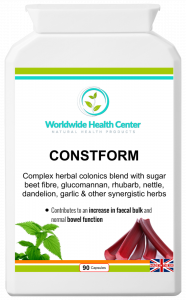
- Rhubarb powder
- Barberry powder
- Glucomannan 90%
- Alfalfa powder
- Cayenne powder
- Garlic powder
- Aloe vera extract (200:1)
- Dandelion root extract (4:1)
- Ginger root extract (20:1)
- Nettle leaf extract (4:1)
Another herbal formula that I recommend to my patients during the 15-day detox is called PARAFORM PLUS ONE. This one contains herbs that parasites do not like, so is designed to eliminate parasites from the intestine. A couple of times per year it is good to detox using these herbal formulas.
The ingredients have been hand-picked for their anti-parasitic, anti-bacterial, anti-microbial, anti-fungal and anti-viral activities.
Each capsule contains:
- Magnesium caprylate – 175 mg

- Cinnamon powder – 100 mg
- Cloves powder – 100 mg
- Shiitake mushroom powder – 100 mg
- Garlic powder extract (10000mg/g) – 75 mg
- Glucomannan (95%) – 50 mg
- Pumpkin seed P E 4:1 (40%) (equivalent to 200 mg pumpkin seed powder) – 50 mg
- Chicory root P.E 4:1 (equivalent to 120mg chicory root powder) – 30 mg
- Grapefruit seed P.E 5:1 (equivalent to 100mg grapefruit seed powder) – 20 mg
- Cayenne extract 7:1 (equivalent to 100mg cayenne powder) – 3 mg
- Fenugreek seed P.E 4:1 (equivalent to 48mg fenugreek seed powder) – 12 mg
- Olive leaf extract 15:1, 6% Oleurpein (equivalent to 50mg olive leaf powder) – 35 mg
Flatworms, roundworms, protozoa, even bacteria and viruses are remarkably easy to kill using this herbal programme.
Homeopathic remedies for a natural parasite detox
These are certain homeopathic medicines that can be taken concomitantly with the herbal formulae – these have a more specific action depending on the parasite being targeted, for a natural parasite detox such as:
| ASCARIDES | TAPEWORM | HOOKWORM | PINWORM | THREADWORMS | OTHERS |
| Sabadilla – 30 C potency (3 x daily) | Cuprum metallicum – 3 C potency (3 x daily) | Thymol – 6 C potency (3 x daily) | Teucrium 30 C potency (3 x daily) | Santonium 30 C potency (3 x daily) | Cina 3 C potency (3x daily) |
| Spigelia – 30 C potency (3 x daily) | Felix mas – 3 C potency (3 x daily) | ||||
| Teucrium – 30 C potency (3 x daily) | |||||
| Santonium – 30 C potency (3 x daily) |
Additional remedies for a natural parasite detox
Grapefruit Seed Extract is effective in destroying parasites and may be taken internally – two tabs, three times daily. The liquid can also used to wash raw fruits and vegetables before eating.
Cayenne, garlic, and turmeric all support proper immune system function and help destroy some worms. Garlic has a history of killing parasites including amoeba, hookworm, roundworm, pinworm and hookworm.
Barberry, Oregon grape and goldenseal have been used to eliminate giardia infections in the body.
Pumpkin seed, wormwood, sweet Annie, male fern root, tansy leaf, black walnut and clove are often recommended for the elimination of parasites.
Bromelain may help to destroy tapeworms.
To support your body with the nutrition the parasites may be robbing you of, take a high quality multivitamin and multimineral supplement. We recommend a high-potency multivitamin called HMD MULTIS.
Vitamin B complex may help prevent anaemia caused by parasites.
Supplement with a high quality probiotic such as acidophilus and bifidophilus (can be bought in capsule form) to rebuild intestinal flora – parasites thrive in an environment absent of proper intestinal flora.
Essential Fatty Acids may help protect the intestinal tract.
Aloe Vera Juice may be taken to soothe the system.
Witch Hazel may be used to reduce anal itching.
Shore up the defenses
A healthy immune system is the best defense against parasites and disease. Some of the things you can do to reduce the risk of parasitic infections are:
Drink pure water. Parasites are associated with many water-borne outbreaks and are highly resistant to conventional methods of disinfecting. Water that is properly purified with ozone is free of parasites.
Wash all fruits and vegetables. Scrape off the wax substance on the outer surface on any fruit or vegetable with a knife before washing. Anything with a nick or recess can harbour just about anything and should be cut out. Avoid eating grapes (or any other fruits) with open splits. Washing in ozonated water (you would need your own ozonator) mixed with hydrogen peroxide (one teaspoon per gallon of water) will kill parasites. Rinse well afterwards to remove peroxide residue. Some prefer to wash fruit and vegetables in chlorinated water, but chlorine and organic material do not mix well together as they are prone to produce carcinogenic compounds.
Thoroughly cook meats and fish. Do not eat raw or uncooked meats or fish. Check for worms, especially on fish. Spray with hydrogen peroxide or wash in ozonated water before cooking. Keep all work surfaces clean.
Use more cloves with every meal. Adding some cloves to food will help kill the parasite eggs in the intestinal tract. Cloves can be added to coffee or herbal teas as a flavouring agent.
Do not overuse antibiotics. Reducing the numbers of friendly bacteria in the colon through abusing antibiotics opens the door to the proliferation of parasites.
Practice good personal hygiene. Wash your hands before eating and after going to the bathroom, changing diapers, gardening or handling pets. Keep your fingernails short and clean. Parasites can live for two months under the fingernails.
Keep your living environment clean. Avoid breathing in the dust in your house as it can contain human skin, soil particles, or faecal material from dust mites and cockroaches. An easy test to determine if this is a problem is by looking across the room when the sunlight is shining through a window and checking for particles floating in the air. Then let the kids run around for a few minutes and recheck. The elimination of carpets reduces this problem considerably.
If pets are infested with parasites, de-worm and keep them outside. You are at a higher risk for contracting worms when pets are allowed indoors. Dogs and cats are host to many parasites that humans can contract. Garlic added to their food will help control some parasites. Animals can spread 240 diseases to humans, mainly through parasitic infestation.
Do not walk barefoot on warm, moist soil or while working in the garden. Parasites are abundant in soil and can be absorbed (penetrate) through skin cells. Fertilizers are added to garden soil and it is the pet’s favourite place to go. Use gloves and shoes for protection.
Be vigilant when swimming in rivers, lakes, ponds, or public swimming pools. Avoid swallowing or drinking the water while swimming anywhere. Avoid swimming if cuts or open sores are present.
Global travel. There is a chance of picking up foreign parasites that are not indigenous to your home country – the risks are greater in countries where hygiene and food preparation standards are poor. So, if you are travelling abroad, there is nothing stopping you from taking with you some natural parasite detox supplements mentioned here to help eliminate any parasites you may pick up.
Specific Recommendations for Pregnant Women
If you are thinking of getting pregnant or are already so, then there are a few guidelines that you can follow to minimize the probability of getting infected – there is a chance that once you are infected, the parasites can travel into the baby’s body too.
For minimizing risk against Toxoplasma, take the following measures:
- Exclude rare or undercooked meat and non-pasteurized dairy products from the diet.
- Have yourself tested for antibodies, preferably before becoming pregnant. A positive test would indicate past infection that will not be transmitted to the foetus. The presence of antibodies also lessens the likelihood that congenital transmission would occur should you be exposed again to the parasite during pregnancy. As an antibody-negative female you would thus be at greater risk of transmitting Toxoplasma to your foetus should you become infected during pregnancy.
- Test household cats for antibodies to Toxoplasma. Assuming that a cat is healthy, a positive antibody test indicates that the animal is most probably immune and not excreting oocysts (eggs) and thus would be an unlikely source of infection. A healthy antibody-negative cat is most probably susceptible to infection and would shed oocysts for one to two weeks after exposure to Toxoplasma. If possible, the cat should be tested before you become pregnant.
- Protect cats from infection (or re-infection) by preventing access to birds, rodents, uncooked meat and non-pasteurized dairy products.
- Avoid handling free-roaming cats because the fur or paws could be contaminated with oocysts, which might be transmitted by hand-to-mouth contact. Any cat allowed indoors should be kept off the bed, pillows, blankets, or other furnishings you use.
- Avoid handling any cat showing signs of illness.
- Avoid handling litter boxes. Even if a cat is antibody-positive and hence most likely immune, there exists a potential for re-shedding of oocysts (although in much smaller numbers than during the initial infection). For safety, litter boxes should be changed daily or every other day by another person, to eliminate any potential for accidental infection.
- Wear rubber gloves if working with garden soil. Uncooked vegetables, whether grown in a home garden or supplied commercially, should be washed thoroughly before ingestion, in case they have been contaminated by cat faeces.
- Make a habit of vigorously and thoroughly washing hands with soap and water after contact with soil, cats, non-pasteurized dairy products, uncooked meat or vegetables.
So, to recap:
Practice good hygiene. Wash your hands with soap and water before eating or preparing food, and especially after using the toilet.
When travelling to developing countries, avoid drinking the tap water, or eating ice, uncooked or undercooked foods and fruits that cannot be peeled.
Cook your fish, meat and poultry thoroughly. Undercooked meats can contain parasites.
When doing any kind of parasite cleanse, it is imperative to do it consistently for a minimum of 14 days. This will allow the body to clear any active parasites as well as eliminate any newly hatched eggs or larvae.
Remember to drink plenty of water each day to flush the excreted toxins out of your system! The more water you drink, the more toxins your body will be able to expel as part of the parasite cleanse, and the better you will feel through the cleansing process.
Re-infestation will occur, so consider doing a parasite cleanse twice a year. Children are especially susceptible to parasites since they are always sticking things in their mouths.
REFERENCES
[1] Parasitism is a type of symbiotic relationship between two different organisms of different species where one organism, the parasite, benefits at the expense of the host.
[2] https://wwwnc.cdc.gov/travel/diseases/malaria
[3] Leventhal, R., Cheadle, RF. Medical Parasitology: A Self-Instructional Text. USA: FA Davis Company, 2002.
[4] Crompton, DW, et al (eds). Ascaris and its public health significance. Taylor and Francis, Philadelphia, 1989.
[5] Bethony J, Brooker S, Albonico M, Geiger Stefan M, Loukas A, Diement D, Hotez PJ. Soil-transmitted helminth infections: ascariasis, trichuriasis, and hookworm. Lancet. 367:1521-32, 2006.
[6] Crompton, DW. Ascaris and ascariasis. Adv Parasitol 48:285-375, 2001.
[7] Schmidt, GD. Handbook of Tapeworm Identification. CRC Press, Boca Raton, Fla, 1986.
[8] Crompton, DW. Hookworm disease: Current status and new directions. Parasit Today 5:1-2, 1989.
[9] Schad, G., and Warren, K (eds). Hookworm disease: current status and new directions. Taylor and Francis, Philadephia, 1991.
[10] American Heartworm Society. Recommended procedures for the diagnosis and management of heartworm (Dirofilaria immitis) infection. American Heartworm Society, Batavia, Ill., 1992.
[11] All supplements are available from www.worldwidehealthcenter.net
BENEFITS OF TAKING MULTIVITAMINS
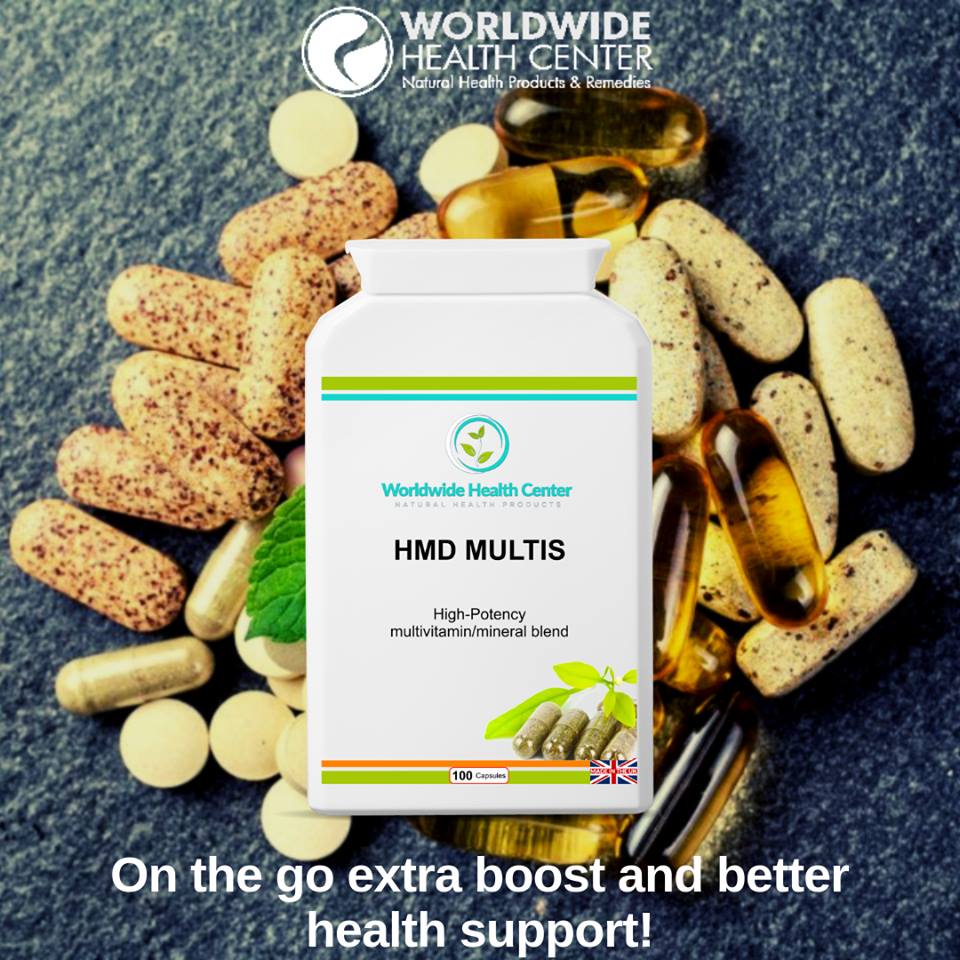
BENEFITS OF TAKING MULTIVITAMINS
Are there any benefits of taking Multivitamins?
It is often difficult to find an ‘off the shelf’ multivitamin and multimineral product that can truly help to optimize health. This product contains high potency B-vitamins that support mood and energy production; as well as a cocktail of antioxidants including vitamin C, including phytonutrient antioxidants such as lycopene, lutein, chlorella, spirulina, black radish, pine bark extract, green tea, apple pectin and citrus bioflavenoids.
HMD MULTIS is a doctor-formulated, clinically tested multivitamin and multimineral formulation designed to provide you with optimum levels of vitamins and minerals in a daily dose, without the need to take large quantities of capsules every day. By taking just three capsules daily you can rest assured that you will be getting the vitamins and minerals your body needs.
Here are some of the benefits taking a high dosage multivitamin and multimineral formulation:
- Support healthy aging. As you get older, your body has a harder time absorbing nutrients from food. At the same time, your nutritional needs increase.
- Correct nutritional deficiencies caused by prescription drugs and surgery and nutritionally wasting health conditions such as diabetes. Along with aging, there are several other factors that can make you more susceptible to nutritional deficiencies, including these common culprits.
- Improve short-term memory. According to a meta-analysis of 10 randomized, placebo-controlled trials, taking a daily multivitamin can result in improvements in short-term memory.
- Boost energy levels. Several studies have demonstrated that taking a daily multivitamin and mineral supplement is associated with increased energy levels.
- Detoxify your body. The robust levels of minerals, antioxidants and B-complex vitamins present in a high-quality daily multivitamin help clear toxins from the body, facilitate enzymatic reactions required for detoxification, and keep the liver and other organs in tip-top shape.
- Maintain muscle strength. Many of the problems with muscle aging are associated with free radical damage, and an antioxidant-rich daily multivitamin can help keep free radicals in check. Vitamin D has also been shown to improve muscle strength in older people.
- Prevent falls. Numerous studies have found that a daily multivitamin and mineral supplement – particularly one with therapeutic dosages of vitamin D (at least 1,000 IU) and calcium (1,000 mg)—can improve balance and reduce risk of falls.
- Restore sense of smell. Anosmia, the inability to detect odours, can be caused by a deficiency of zinc. Low levels of vitamins B12 and A along with copper are also associated with changes in sense of smell (and taste).
- Protect against hearing loss. Several studies have found a correlation between hearing loss and deficiencies in B-complex vitamins. A more recent study also found that people with elevated homocysteine levels had a 64 percent increased risk of hearing loss, and the best way to lower homocysteine levels is with B-complex vitamins.
- Improve your skin. Research has shown that beta-carotene and vitamins C and E are important for maintaining healthy, younger-looking skin.
- Prevent asthma and allergies. People with asthma and those prone to allergies often have depleted levels of vitamin C, zinc, selenium and magnesium.
- Prevent diabetes complications. As I mentioned earlier, diabetes is a nutritionally-wasting condition, putting those who have it at dramatically increased risk of other problems (or complications)—especially ones that affect the eyes, nerves, blood vessels, kidneys and extremities. The best way to prevent these complications is by taking a potent, daily multivitamin and mineral supplement.
- Boost mood. Many studies have found that a daily multivitamin has positive effects on mood and emotional well-being.
- Manage Stress. Along with boosting mood, research has shown that a daily multivitamin – particularly one containing therapeutic dosages of B-complex vitamins -can help reduce stress and anxiety.
- Enhance weight loss. A randomized, double-blind study of obese women found that those taking a daily multivitamin and mineral supplement lost an average of 7.9 pounds, compared to 2 pounds for those taking calcium and half a pound in the placebo group.
- Improve sexual function. The organs and glands that are responsive to sexual hormones are particularly vulnerable to free radical damage, so taking an antioxidant-rich daily multivitamin can help ensure peak performance and function
- Prevent dry eyes. Most people know that vitamins, especially antioxidants, are essential for maintaining overall vision. But by the time you reach age 65, a lifetime of free radical damage has taken its toll, and our eyes produce (on average) 40 percent less lubrication. That’s why shoring up on these crucial nutrients can help correct or prevent the problem from developing in the first place.
- Stop telomere erosion. Chromosomes are tightly coiled, rod-like structures made up of proteins and one double-helix–shaped molecule of DNA encoded with your genome: the blueprints for your growth, development and physiological function. And at the tips of every chromosome are protective “caps” called telomeres, which naturally get shorter as we age. Research has found that taking a daily multivitamin can help slow and even reverse this erosion. We now know from the human genome project and the field of NutriGenomics that multivitamins can actually switch on and off mutant genes or single nucleotide polymorphisms that may predispose us to certain diseases.
- Reduce cravings for alcohol. Research suggests that people who have problems with alcohol can often gain better control over their drinking by making sure they have adequate levels of B-complex vitamins, calcium and magnesium.
- Prevent dental problems. Vitamin C plays a key role in the prevention of gum disease, as it helps maintain the integrity of the supporting structures of the oral tissues. Other antioxidants, including vitamins A and E as well as selenium, have also been shown to improve the health of the gums. Perhaps even more important is zinc. This mineral stabilizes cellular membranes and inhibits plaque growth. Deficiencies in both zinc and vitamin A are also common in patients with periodontal disease.