Posted on

Gut Health 101: Why Fiber, Friendly Bacteria, Bowel Regularity Matter More than Most People Think

gut health 101

Podcast: Balance the Gut for Optimal Health

Gut Health 101

Why Fibre, Friendly Bacteria and Bowel Regularity Matter More Than Most People Think

Gut health has gone from niche to mainstream. That is not just a feeling — consumer data backs it up. In NIQ’s 2025 global wellness trends report, 53% of consumers said they planned to buy more high-fiber foods, and around 40% planned to buy more probiotic foods. In other words, people are actively looking for simple, trustworthy ways to support digestion and feel better day to day.

The trouble is, gut health is also one of those topics that gets overcomplicated very quickly. People jump straight to expensive powders, “detoxes,” and trendy microbiome hacks, when the basics are often far more important: enough fibre, enough fluid, some genuinely helpful bacteria, and bowel movements that are regular, comfortable, and complete.

When I talk about gut health, I am not just talking about whether you take a probiotic. I am talking about whether your digestion works smoothly, whether you tolerate food reasonably well, whether your bowels move properly, and whether the ecosystem of microbes in your gut is being fed in a way that supports you instead of irritating you.

A healthy gut is not glamorous. It is mostly about doing the simple things consistently.

First, what do people actually mean by “gut health”?

Your gut is not just a tube food falls through. It is a working system that handles digestion, absorption, immune signaling, gut-brain communication, and waste removal. It is also home to a vast community of microbes.

NCCIH notes that many of these microorganisms are helpful: some help digest food, some produce vitamins, and some support the body in other useful ways. That is why people often talk about “friendly bacteria.”

But here is the bit people miss: those friendly bacteria do not thrive on wishful thinking. They thrive when you give them the right environment — especially dietary fibre and other prebiotic food components.

NCCIH defines prebiotics as nondigestible food components that selectively stimulate the growth or activity of desirable microorganisms. That is one reason a food-first approach makes so much sense.

Why fibre matters so much

If I had to pick one thing most people could do to improve gut health, it would be this: eat more fibre, and do it properly.

Fibre helps in two major ways. First, it helps physically with stool bulk, softness, and regularity. NIDDK says adults should generally get 22 to 34 grams of fibre a day, depending on age and sex, and the FDA’s Daily Value for fibre on food labels is 28 grams per day. NIDDK also recommends fibre-rich foods such as whole grains, legumes, fruits, vegetables, and nuts.

Second, fibre helps feed the microbiome. Reviews of the scientific literature show that dietary fibre is fermented by gut microbes into short-chain fatty acids such as acetate, propionate, and butyrate.

These are not just random by-products. They are biologically active compounds linked to gut barrier support, microbial ecology, and broader metabolic and immune effects. Reviews also note that fibre intake can stimulate beneficial bacteria and support microbiome stability.

That is why I do not like the idea of talking about gut health as though it starts with a supplement. In many people, it starts much earlier — with oats instead of ultra-processed breakfast foods, beans and lentils a few times a week, more vegetables, more berries, more nuts and seeds, and fewer low-fibre convenience foods.

NIDDK specifically recommends whole grains, legumes, fruit, vegetables, and nuts as practical fibre sources.

The two main types of fibre

NIDDK describes two broad types of fibre: soluble fibre and insoluble fibre. Soluble fibre is found in foods such as beans, fruit, and oats. Insoluble fibre is found in whole grains and vegetables. In people with IBS, NIDDK notes that soluble fibre tends to be more helpful for symptom relief, especially when constipation is part of the picture.

In real life, most people do best with a mix of both, mostly from food. Soluble fibre can be especially useful when stools are hard, dry, or difficult to pass. Insoluble fibre helps with bulk and movement. But the key is not to go from almost no fibre to “health hero” overnight. That is one of the fastest ways to create gas, cramping, and regret.

Why adding fibre too fast can backfire

This is where a lot of people get discouraged. They try to “get healthy,” suddenly pile in bran cereal, raw vegetables, seed mixes, beans, and fibre powders, then wonder why their stomach feels like a balloon.

NIDDK is very clear: add fibre gradually. On the IBS nutrition page, NIDDK notes that too much fibre at once can cause gas and bloating and suggests increasing fibre by 2 to 3 grams a day so the body has time to adjust.

Reviews on nondigestible carbohydrates make the same point: fermentation can bring benefits, but it can also cause flatulence and abdominal discomfort if tolerance is exceeded.

So yes, fibre is one of the best things you can do for the gut. But more is not always better, and faster is definitely not better.

What about “friendly bacteria”?

This is where probiotics and fermented foods come in.

NCCIH defines probiotics as live microorganisms intended to have health benefits when consumed or applied to the body. They may be found in yogurt and other fermented foods, as well as in supplements.

NCCIH also points out something important: different probiotics may have different effects. One strain is not automatically interchangeable with another. That is one reason I do not like the lazy idea that “a probiotic is a probiotic.”

For everyday gut support, I usually prefer to start with food. Fermented foods can introduce live microbes and useful fermentation products as part of a meal rather than as an isolated capsule.

 A 2021 study from Stanford found that a 10-week diet high in fermented foods increased microbiome diversity and improved immune-related measures, and later reviews have noted that fermented foods may support microbiome diversity, immune modulation, and metabolic health, although clinical evidence is still developing.

That said, I do not think fermented foods or probiotics should be treated like magic. They tend to work best when the rest of the diet is already giving the microbes something to live on.

This is the part people skip: probiotics may add microbes, but fibre helps feed the ones you want to keep. That is why prebiotics and probiotics are often more useful together than separately. NCCIH also notes that synbiotics are products that combine probiotics and prebiotics.

We use an excellent probiotic that we have found in clinical practice to have profound physiological effects on the gut.

Why bowel regularity matters more than people think

Now to the least glamorous part of gut health — and one of the most important.

A lot of people think gut health is all about what goes in. It is also about what comes out, and how well.

NIDDK defines constipation as a condition in which you may have fewer than three bowel movements a week, hard, dry, or lumpy stools, painful or difficult stools, or a feeling that not all stool has passed. NIDDK also makes an important point: people have different bowel patterns, and only you know what is normal for you. In other words, bowel regularity is not just about frequency. It is also about comfort, stool consistency, and complete emptying.

Why does this matter? Because stool sitting around too long can mean more fermentation, more bloating, more discomfort, and often a general sense that your digestion is just not working properly.

In a 2024 study published in Cell Reports Medicine, bowel movement frequency was closely linked to the gut microbiota and broader physiology in healthy adults, adding weight to the idea that regularity is not a trivial issue.

This does not mean everyone needs to panic if they do not open their bowels twice a day. It means regularity is a genuine marker of digestive function, not an embarrassing afterthought. If you are always bloated, straining, skipping days, or never feel properly emptied, that deserves attention.

In clinical practice we have found a good combination of supplements for constipation is CONSFORM CAPS and CONSFORM tincture.

The basics that actually help people become more regular

This part is refreshingly simple.

NIDDK recommends four core habits for preventing constipation: get enough fibre, drink enough water and other liquids, get regular physical activity, and try to have a bowel movement at the same time every day. That is not a flashy supplement stack. It is a routine. But it is often the routine that makes everything else work better.

NIDDK also notes that liquids help fibre do its job. Water and other fluids can help make stools softer and easier to pass. This is one reason dry, low-fibre diets and poor hydration so often travel together with constipation.

So if someone tells me they are spending money on gut powders while living on grab-and-go meals, drinking very little water, barely moving, and ignoring the urge to go, I would gently say this: start with the foundations.

A simple food-first gut health plan

If you want to support your gut without making life complicated, this is where I would begin:

Start increasing fibre gradually.
Aim to include a source of fibre at each meal: oats, vegetables, fruit, legumes, nuts, seeds, or whole grains.

Feed your microbiome, not just yourself.
Think beyond calories. Beans, oats, vegetables, fruit, and other fibre-rich foods help nourish beneficial microbes and support short-chain fatty acid production.

Use fermented foods sensibly.
Live yogurt and other fermented foods can be a useful addition, but they are not a substitute for an overall good diet.

Support bowel regularity daily.
Water, movement, regular mealtimes, and responding to the urge to go matter more than most people realise.

Do not escalate too fast.
If a sudden fibre surge makes you bloated, do not assume fibre is the problem. The pace may be the problem.

Where supplements fit in

Because this is a supplement site, I think it is worth saying this clearly: supplements can support gut health, but they should not replace the basics.

A probiotic may be helpful in some situations. A fibre supplement may help someone whose intake is chronically poor. A digestive support formula such as DIGEST PLUS may have a place for the right person.

Supplements specific for constipation that increase the transit time and soften the stool can help, such as CONSTFORM CAPS and CONSTFORM tincture.

But none of those can fully compensate for a low-fibre diet, dehydration, a constipating routine, or meals built mostly around processed foods.

NCCIH also emphasizes that probiotics are not one-size-fits-all, and their effects depend on the specific microorganism and the context.

So I would put it this way: use supplements as supporting actors, not the main cast.

When to get checked properly

If you have ongoing constipation, major bloating, abdominal pain, unexplained weight loss, rectal bleeding, black stools, vomiting, or a big change in bowel habit that does not settle, do not self-diagnose forever.

NIDDK notes that constipation can sometimes be a symptom of another medical problem, and long-lasting symptoms deserve proper assessment.

Final thought

Gut health is not just a trend. But the most useful version of gut health is usually the least glamorous one.

It is not about chasing the newest “biotic.” It is about feeding the gut well, encouraging the right microbes, and making sure the bowel moves the way it should. Fibre, friendly bacteria, fluids, movement, and regularity may not sound exciting, but they are the things that quietly make a huge difference. And for most people, that is exactly where better digestion begins.

Scientific references

  1. NIQ. 2025 Global Health & Wellness Trends — consumer interest in high-fiber and probiotic foods. (NIQ)
  2. NIDDK. Eating, Diet, & Nutrition for Constipation — fibre targets, fibre-rich foods, and the role of fluids. (NIDDK)
  3. FDA. Daily Value on the Nutrition and Supplement Facts Labels — dietary fibre Daily Value of 28 g. (U.S. Food and Drug Administration)
  4. NCCIH. Probiotics: Usefulness and Safety — definitions of probiotics, prebiotics, synbiotics, and the fact that different probiotics can have different effects. (NCCIH)
  5. Fu J, et al. Dietary Fiber Intake and Gut Microbiota in Human Health — review describing fibre fermentation and short-chain fatty acids. (PMC)
  6. JGH review (2024). Short-chain fatty acids: bridges between diet, gut microbiota and host health — fibre supports beneficial bacteria and SCFA production. (Wiley Online Library)
  7. NIDDK. Eating, Diet, & Nutrition for IBS — soluble vs insoluble fibre and the importance of increasing fibre gradually. (NIDDK)
  8. Johnson-Martínez JP, et al. Aberrant bowel movement frequencies coincide with signs of impaired gut microbiome and host health (Cell Reports Medicine, 2024). (Cell)
  9. Wastyk HC, et al. Gut microbiota-targeted diets modulate human immune status (Cell, 2021) and Stanford summary of the trial — fermented foods increased microbiome diversity and improved immune-related markers in a 10-week study. (PMC)
  10. Reviews of fermented foods and gut health (2025) — fermented foods may support microbiome diversity, immune modulation, and metabolic regulation, though more clinical work is still needed. (ScienceDirect)
Looking to support digestion naturally? Explore our practitioner-formulated supplements designed to work alongside a food-first approach to gut health.

Gut and Digestion Support

Posted on

What Does “Clean Supplement” Really Mean?

What does clean supplement mean

Podcast: What Does “Clean Supplement” Really Mean

What Do Clean Supplements Really Mean? 

The supplement world loves shiny words. Pure. Premium. Natural. Advanced. Clinical. Clean. They look great on a label. But when I see the word “clean” on a supplement bottle, my first thought is not, “Wonderful.” My first thought is, “Show me what you mean by that.”

Because the truth is, a “clean supplement” is not defined by a pretty bottle, a leafy logo, or a trendy promise. In the U.S., dietary supplements are not approved by the FDA for safety and effectiveness before they are marketed, so the burden falls heavily on the manufacturer to get the product right in the first place.

That means responsible formulation, careful sourcing, strong manufacturing controls, honest labeling, and real testing matter far more than marketing language.

So when I talk about a clean supplement, I am not talking about hype. I am talking about a product that is traceable, accurately labeled, sensibly formulated, tested for contaminants, and manufactured under strong quality systems. In other words, a supplement you can trust when you swallow it every day.

“Clean” is not the same as “natural”

One of the biggest mistakes people make is assuming that natural automatically means safe, high-quality, or well-made. It does not. The NIH’s National Center for Complementary and Integrative Health is very clear on this point: many supplements come from natural sources, but “natural” does not always mean safe. Some natural products can harm the liver, interact with medications, or be unsuitable for certain people.

That is why I think the word clean should never be reduced to “contains herbs” or “comes from plants.” Belladonna is natural. Arsenic is natural. Mold toxins are natural. Nature is not automatically gentle. A genuinely clean supplement is one that has been chosen carefully, processed carefully, tested carefully, and labeled honestly.

Clean is not the same as natural

A clean supplement starts with ingredient identity

The first question is simple: Is the ingredient actually what the label says it is? That sounds obvious, but it is not a trivial question. FDA rules require dietary supplements to use a Supplement Facts panel and declare serving size, servings per container, and the dietary ingredients in the product.

For botanicals, FDA also requires the label to include the part of the plant used. That is important because “turmeric,” “turmeric root,” and “turmeric extract” are not interchangeable in practice.

And this is exactly where weak products often start to wobble. In a 2023 JAMA Network Open study of 57 sports supplements labeled as containing specific botanicals, 40% contained no detectable amount of the labeled ingredient, only 11% were accurately labeled, and 12% contained FDA-prohibited ingredients. That study was limited to a specific high-risk category, so it does not prove all supplements are inaccurate, but it is a sharp reminder that label claims and bottle contents are not always the same thing.

For me, a clean supplement starts with identity. The label should tell you what the ingredient is, what form it is in, and, for botanicals, ideally something meaningful about species, plant part, or extract standardization. If the company cannot explain what is actually in the capsule, I lose interest very quickly.

A clean supplement is transparent about dose

The next question is: How much of each ingredient are you actually getting? FDA requires the Supplement Facts panel to list the amount per serving for dietary ingredients, except that ingredients inside a proprietary blend do not need their individual amounts disclosed.

That means a brand can show you the total weight of the blend without telling you how much of each ingredient is inside it.

This is one reason I am not a fan of “fairy dust” formulas — products that sprinkle a long list of exciting ingredients across the label but hide the meaningful details. A clean supplement should make it easy to answer simple questions: How much magnesium? Which form? How much curcumin? Standardized to what?

How many live bacteria at expiry, not just at manufacture? If the label is vague where it most matters, the product may be more about theater than substance.

Transparency also protects the customer. If someone is trying to avoid an ingredient, compare doses across brands, or check compatibility with medication, they need real numbers, not poetry.

Sourcing matters more than people think

Good supplements do not begin in the capsule-filling machine. They begin with the raw materials. Where did the herb come from? Was the mineral sourced from a supplier with proper documentation? Was the botanical tested for identity before use?

Is the supply chain traceable? Is the company choosing ingredients simply because they are cheap, or because they are reliable, stable, and appropriate for the formula?

FDA’s dietary supplement current good manufacturing practice rule requires firms to establish specifications for components, process controls, and finished products, and to use quality control operations throughout manufacturing, packaging, labeling, and holding.

The same framework also includes lot identification and traceability requirements, which are critical if a raw material turns out to be substandard or contaminated.

In plain English, a clean supplement brand should be able to trace its ingredients backward and its batches forward. If a problem appears, the company should know which lot, which supplier, and which finished products are involved.

That is not glamorous, but it is exactly the sort of boring, disciplined work that makes a supplement trustworthy.

Manufacturing quality is not optional

This is where a lot of consumers get confused. They assume that if a supplement is sold openly, someone must already have inspected and approved it like a medicine. That is not how this category works. FDA states clearly that under DSHEA it is not authorized to approve dietary supplements for safety and effectiveness before they are marketed.

Instead, companies are responsible for ensuring their products are not adulterated or misbranded and that they comply with the law.

That is why current good manufacturing practice, or cGMP, matters so much. FDA’s dietary supplement cGMP rule requires firms that manufacture, package, label, or hold supplements to establish and follow systems designed to ensure product quality and ensure that the supplement is packaged and labeled as specified in the master manufacturing record.

It also requires written procedures, quality control review, specifications, quarantine and release procedures, traceability, and conditions that protect against contamination, deterioration, and mix-ups.

I would put it this way: cGMP is the skeleton of a clean supplement company. It does not tell you whether a formula is brilliant or mediocre, but it tells you whether the company is taking manufacturing seriously. Without that backbone, everything else becomes harder to trust.

A clean supplement should be tested for contaminants

If a supplement is supposed to support health, the last thing it should do is quietly add an unwanted burden. This is why contamination testing matters so much. NIH’s Office of Dietary Supplements notes that independent quality seals may indicate that a product was properly manufactured, contains the ingredients listed on the label, and does not contain harmful levels of contaminants.

That is an important point: clean is not just about what is included; it is also about what is excluded.

When I think about contaminants, I think about the obvious suspects: heavy metals, microbes, pesticides, residual solvents, and cross-contamination with allergens or undeclared ingredients. This is especially relevant for botanicals, marine ingredients, mineral products, and powders sourced through long supply chains.

The exact risk varies by category, but the principle is the same: if a company wants to talk about purity, it should be willing to test for it.

And yes, undeclared active ingredients are a real problem in parts of the market. FDA says it has identified over a thousand products marketed as dietary supplements or foods with hidden drugs and chemicals, especially in categories like sexual enhancement, weight loss, bodybuilding, joint pain, diabetes, and sleep aids.

FDA also notes hundreds of reports involving serious injury, life-threatening reactions, and death linked to such tainted products.

That is not a reason to panic about all supplements. It is a reason to choose carefully and avoid companies that make wild claims, hide behind vague labels, or provide no meaningful company information.

Third-party testing adds another layer of trust

I like third-party verification because it introduces an outside check. NIH points consumers to organizations such as NSF and USP as examples of groups that offer quality testing programs. NIH also rightly notes that these seals do not guarantee a product is safe or effective. That is an important nuance.

A quality seal is not a miracle stamp. But it can be a useful sign that the product has been evaluated for manufacturing quality, label accuracy, and contaminants. (Office of Dietary Supplements)

NSF, for example, says it certifies supplements to NSF/ANSI 173, which it describes as the only American National Standard for testing and certifying dietary supplements. For athletes, NSF’s Certified for Sport program adds screening for substances banned by major sporting organizations. That is particularly useful in high-risk performance categories where undeclared stimulants or drug-like compounds are a known concern.

In practical terms, I see third-party verification as one strong piece of evidence, not the whole story. I still want a sensible formula, honest dosing, strong sourcing, and a company that answers real questions.

A clean supplement should not hide behind claims

Another thing I care about is how a company talks. A clean supplement is not just about chemistry; it is also about honesty. If the label screams “miracle,” “instant fix,” “works in 30 minutes,” or “detoxes everything,” I start backing away.

FDA regulates different categories of claims on foods and supplements, and there are legal boundaries around what can be said. Companies are responsible for evaluating both safety and labeling before marketing.

In my view, trustworthy brands educate rather than hypnotize. They explain what the ingredient is, what it is for, how much is in the product, and who may need caution. They do not try to bulldoze doubt with oversized promises. In supplements, boring honesty is often a better sign than dramatic excitement.

Excipients matter too

Consumers often focus only on the headline ingredient. But a clean supplement also pays attention to the rest of the formula: fillers, binders, flow agents, capsule materials, colors, sweeteners, and flavor systems.

FDA requires ingredients that are not dietary ingredients — such as binders, excipients, and fillers — to appear in the ingredient statement below the Supplement Facts panel.

That does not mean all excipients are bad. Some are necessary for flow, stability, or capsule integrity. But I do think fewer, cleaner, and better-justified excipients are usually preferable.

At minimum, the company should not be embarrassed to show them to you. If a brand talks endlessly about purity but buries the non-active ingredients in tiny print, that is not my favorite look.

What I look for in a truly clean supplement

If I were explaining this to a patient or customer as simply as possible, I would say this:

A clean supplement should have:

  • a clear Supplement Facts panel with meaningful ingredient disclosure
  • sensible, evidence-informed dosing rather than pixie dust
  • traceable raw materials and good supplier controls
  • manufacturing under dietary supplement cGMP systems
  • contaminant testing for things that matter
  • transparent labeling of excipients and allergens
  • a company willing to answer questions about sourcing and testing
  • claims that sound grounded, not magical.

For athlete-facing products, I would add: look for NSF Certified for Sport or a similar reputable screening program. For mainstream wellness products, a respected third-party quality program is still a plus, even though it is not the only marker of quality.

Final thoughts

The word clean is easy to print on a label. It is much harder to live up to. Real supplement quality is built on identity, dose, sourcing, manufacturing discipline, contaminant control, and transparency. Those things are not flashy. But they are exactly what add value to people’s lives.

At Worldwide Health Center, I think that is the standard worth aiming for: not supplements that merely look healthy, but supplements that are made carefully, explained honestly, and tested properly. Because in the end, a clean supplement is not the one with the prettiest story. It is the one you can trust when it becomes part of someone’s daily routine.

Scientific and official references

  1. FDA. Information for Consumers on Using Dietary Supplements — FDA explains that dietary supplements are not approved for safety and effectiveness before marketing under DSHEA. (U.S. Food and Drug Administration)
  2. FDA. Dietary Supplements — manufacturers and distributors are responsible for ensuring supplements are not adulterated or misbranded and that labeling meets legal requirements. (U.S. Food and Drug Administration)
  3. FDA. Small Entity Compliance Guide: Current Good Manufacturing Practice in Manufacturing, Packaging, Labeling, or Holding Operations for Dietary Supplements — outlines cGMP requirements, specifications, quality control, traceability, quarantine, and contamination prevention. (U.S. Food and Drug Administration)
  4. FDA. Questions and Answers on Dietary Supplements — explains what must appear in the Supplement Facts panel and how proprietary blends are labeled. (U.S. Food and Drug Administration)
  5. FDA. Dietary Supplement Labeling Guide: Chapter IV — explains plant-part labeling, ingredient quantities, proprietary blends, and excipient disclosure. (U.S. Food and Drug Administration)
  6. NIH Office of Dietary Supplements. Dietary Supplements: What You Need to Know — notes that third-party quality seals may indicate proper manufacturing, label accuracy, and acceptable contaminant levels, but do not guarantee safety or effectiveness. (Office of Dietary Supplements)
  7. NCCIH. Using Dietary Supplements Wisely — explains that “natural” does not always mean “safe.” (NCCIH)
  8. Cohen PA, et al. Presence and Quantity of Botanical Ingredients With Purported Performance-Enhancing Properties in Sports Supplements. JAMA Network Open (2023) — found that 89% of tested products were inaccurately labeled and 12% contained FDA-prohibited ingredients. (JAMA Network)
  9. FDA. Tainted Products Marketed as Dietary Supplements and Foods — states FDA has identified over a thousand products with hidden drugs and chemicals. (U.S. Food and Drug Administration)
  10. NSF. Product and Ingredient Certification and Certified for Sport® Program — describes NSF/ANSI 173 certification and athlete-focused banned-substance screening. (NSF)
Posted on

From Soil to Supper: The Hidden Heavy Metal Crisis in Our Food

Podcast: Why Am I Bloated All the Time?

Why Am I Bloated All the Time?

10 Everyday Causes Most People Miss

If you feel like your stomach goes from normal to “six months pregnant” by the end of the day, you are definitely not alone. Bloating is extremely common. Research suggests roughly 16% to 31% of people experience it, and in real life I’d say the number feels even higher because so many people just put up with it and assume it’s normal. It isn’t something to ignore forever, and it usually has a reason.

The first thing I like to tell people is this: bloating is not always “just gas.” Sometimes it is gas, yes. But sometimes it is constipation, poor meal habits, food intolerance, stress, altered gut-brain signaling, sluggish upper digestion, or a disturbed microbiome.

Gas itself mainly comes from two places: swallowed air and the fermentation of undigested carbohydrates by gut microbes. On top of that, disorders of gut-brain interaction such as IBS, functional dyspepsia, and functional bloating can make normal amounts of gas feel far more dramatic.

Here are 10 very everyday causes of bloating that people miss all the time.

  1. You’re eating too fast

This is one of the simplest causes, and one of the most overlooked. When you eat or drink too quickly, you tend to swallow more air. That extra air has to go somewhere. Sometimes it comes back up as belching, and sometimes it moves through the gut and leaves you feeling puffy, tight, and gassy.

Fast eating also means less chewing, and that matters more than people think. Digestion starts in the mouth. If you bolt down food, your stomach and intestines have to do extra work on bigger, less-processed mouthfuls. For a sensitive gut, that can be the difference between a comfortable meal and a miserable evening. (NIDDK)

What to do: Slow down, put your fork down between bites, and actually chew your food. It sounds basic because it is basic — and it works.

  1. Fizzy drinks are literally adding gas to the problem

A lot of people are baffled by bloating while sipping sparkling water, soda, kombucha, or other carbonated drinks all day. But fizzy drinks increase swallowed gas and can aggravate gas symptoms. If you are already prone to bloating, they are often like throwing petrol on a small fire.

This doesn’t just apply to sugary soft drinks. Even “healthy” sparkling water can be an issue for some people. If your stomach is already touchy, the bubbles may be enough to tip you over.

What to do: Try a 10- to 14-day break from fizzy drinks and see what happens. Flat water, herbal teas, or still mineral water are usually a gentler bet.

  1. You may simply be overeating

Sometimes the problem is not what you ate. It is how much. Large meals stretch the stomach more, increase fullness, and can make people feel uncomfortably heavy and bloated afterwards, especially if they already have indigestion, sensitive upper-GI function, or slow stomach emptying. Functional dyspepsia and gastroparesis are both classic examples of conditions where people feel overly full, bloated, or uncomfortable after eating.

Fatty meals can make this worse. NIDDK notes that high-fat foods can increase bloating in some people, and they often seem to “sit” in the stomach longer.

What to do: Eat a little less per sitting. Many bloated people do better with smaller, calmer meals instead of one huge lunch and one heroic dinner.

  1. You’re constipated — even if you still go to the toilet

This one catches people out all the time. Some people say, “I’m not constipated, I go every day.” But if you strain, feel incomplete afterwards, pass hard stools, or always feel like there is more sitting there, constipation may still be part of the picture.

Chronic constipation commonly travels with bloating. Retained stool slows transit, gives microbes more time to ferment what is in the bowel, and can leave the abdomen feeling tight and swollen.

IBS with constipation is especially notorious for this. The gas is not always excessive — sometimes it is also that the bowel is moving badly and the gut is more sensitive to normal stretching.

What to do: Take bowel regularity seriously. Hydration, walking, regular meal timing, toilet habits, and the right type of fiber can all help. Just don’t dump in huge amounts of fiber overnight, because that can backfire and make the bloating worse.

Take CONSFORM capsules, CONSFORM TINCTURE and COLFORM to keep the bowls moving.

  1. “Healthy” high-FODMAP foods may be backfiring

This is a big one. FODMAPs are fermentable carbohydrates found in foods like onions, garlic, some fruits, some dairy foods, wheat products, pulses, and certain sweeteners. They are not unhealthy. In fact, many are very nutritious.

The problem is that some people absorb them poorly. When that happens, gut microbes ferment them quickly, producing gas and drawing water into the bowel. That is a perfect recipe for bloating, pain, and altered bowel habits.

This is why people so often say, “But I only had a salad, apples, hummus, and sparkling water.” On paper that sounds virtuous. In a sensitive gut, it can be a small disaster. Low-FODMAP diets have been shown in trials and reviews to improve bloating, especially in people with IBS. They are best used as a short-term tool, not a lifelong fear-based eating plan.

What to do: If bloating is chronic, a short, structured low-FODMAP trial with proper reintroduction can be very useful.

Fodmap Foods

  1. Lactose intolerance is incredibly common

Lactose intolerance is one of the most obvious causes of bloating, yet people still miss it because symptoms can be dose-dependent. You might tolerate a little milk in tea but feel dreadful after ice cream, soft cheese, or a milky coffee.

The classic symptoms are bloating, gas, diarrhea, abdominal pain, and rumbling after lactose-containing foods.

It is also worth knowing that lactose intolerance can show up alongside other gut issues. NIDDK notes that conditions such as celiac disease, IBS, inflammatory bowel disease, and bacterial overgrowth can produce similar symptoms or contribute to lactose problems.

What to do: Track your symptoms honestly. If dairy seems suspicious, trial a lactose-light approach for a couple of weeks rather than guessing forever.

  1. Wheat or gluten may be an issue — but don’t self-diagnose coeliac disease

Some people bloat badly with wheat or gluten-containing foods. In some cases, the issue is celiac disease, which can cause bloating, gas, diarrhea, constipation, and nutrient problems. In others, it may be non-celiac gluten sensitivity or even sensitivity to other components in wheat, including fructans, which are also high-FODMAP.

This is where people often make a mistake: they cut out gluten before getting tested. If celiac disease is on the table, you should be tested while still eating gluten, because going gluten-free first can make the tests inaccurate.

What to do: If bread, pasta, pastries, or wheat-heavy meals always leave you looking and feeling awful, get properly assessed before going fully gluten-free.

  1. Stress can absolutely bloat your belly

This is not “all in your head.” The gut and brain are in constant conversation through the gut-brain axis. Stress can change gut motility, increase visceral sensitivity, affect the microbiome, and make normal digestive events feel far more intense. IBS is a classic gut-brain disorder, and stress is a well-known trigger for symptom flare-ups.

That is why some people are much worse during deadlines, travel, conflict, poor sleep, or anxious periods. The meal may be the same, but the nervous system is different. And when the nervous system is frazzled, the gut often follows.

What to do: I’m not saying breathing exercises solve every digestive problem. But if you inhale lunch at your desk while stressed out of your mind, you are stacking the odds against yourself.

Slower meals, a short walk after eating, and regular stress-management habits can make a real difference.

  1. Dysbiosis or SIBO may be part of the picture

The microbiome matters. When the balance of gut microbes shifts in the wrong direction, bloating often follows. Reviews on functional bloating and IBS point to altered gut microbiota as one important factor, and small intestinal bacterial overgrowth, or SIBO, is especially associated with bloating, distension, gas, abdominal pain, diarrhea, and sometimes constipation.

I would not tell everyone with bloating that they “definitely have SIBO.” That is too simplistic. But if your belly blows up after meals, you react to lots of carbohydrates, and the symptoms are chronic and stubborn, dysbiosis or overgrowth deserves consideration.

What to do: Work on the basics first: meal habits, constipation, stress, and obvious trigger foods. If symptoms are persistent, proper clinical assessment can help decide whether deeper investigation is worthwhile.

  1. Low stomach acid and low digestive enzymes

People talk endlessly about “too much acid,” but the stomach is supposed to be acidic. Gastric acid helps start protein digestion, supports mineral absorption, and acts as part of the body’s defense against swallowed microbes.

When acid production is reduced — for example with chronic gastritis, certain autoimmune conditions, aging, or prolonged acid suppression — digestion can become less efficient and symptoms such as fullness, belching, bloating, and malabsorption may appear.

This does not mean every bloated person has “low stomach acid.” But it is a commonly missed angle, especially in people who feel heavy after protein-rich meals, full very quickly, or bloated high up in the abdomen rather than lower down. Functional dyspepsia is also well known for symptoms such as early satiety, post-meal fullness, bloating, nausea, and belching.

What to do: If your symptoms are mostly upper-abdominal and meal-related, don’t assume it is all “gas.” It may be worth reviewing medications, upper-GI symptoms, and digestion with a practitioner.

A couple of supplements worth trying is BETAINE HCl to help stomach digestion and prevent fermentation, and the other is DIGEST PLUS for helping gut digestion which should alleviate bloating and gas.

So where should you start?

If you are bloated all the time, I would not start with a drawer full of random supplements. I would start with the boring-but-powerful basics:

Eat more slowly.
Cut back on fizzy drinks.
Reduce meal size a bit.
Sort out constipation properly.
Track which foods actually trigger symptoms.
Consider lactose and high-FODMAP foods.
Don’t ignore stress.
And if wheat seems to be an issue, rule out celiac disease properly before going gluten-free.

Try Betaine HCL and DIGEST PLUS to help stomach and gut digestion respectively.

A simple food-and-symptom diary is often more useful than guesswork. NIDDK specifically recommends tracking what you eat and drink alongside symptoms because patterns often become clearer on paper than they do in your head.

When bloating should not be brushed off

Most bloating is functional and manageable, but persistent bloating deserves proper attention if it comes with abdominal pain, constipation or diarrhea, unexplained weight loss, rectal bleeding, black stools, vomiting, or a sudden change in symptoms. Those are not “wellness blog” problems — they are “please get checked” problems.

Final thought

If I had to sum this up in one sentence, it would be this: chronic bloating is usually not random. It is often the result of everyday habits, meal patterns, food intolerance, bowel sluggishness, stress, or disrupted gut function quietly piling on top of each other. The good news is that once you find your main triggers, this is one of the most fixable digestive complaints I see. (PMC)

Scientific references

  1. National Institute of Diabetes and Digestive and Kidney Diseases (NIDDK). Gas in the Digestive Tract and related pages on symptoms, treatment, and nutrition. (NIDDK)
  2. Crucillà S, et al. Functional Abdominal Bloating and Gut Microbiota: An Update (2024). (PMC)
  3. Bertin L, et al. The Role of the FODMAP Diet in IBS (2024), plus supporting reviews on low-FODMAP diets and bloating. (PMC)
  4. Tuck CJ, et al. Food Intolerances (2019). (PMC)
  5. NIDDK. Lactose Intolerance and Symptoms & Causes of Lactose Intolerance. (NIDDK)
  6. NIDDK. Celiac Disease and Symptoms & Causes of Celiac Disease. (NIDDK)
  7. Roszkowska A, et al. Non-Celiac Gluten Sensitivity: A Review (2019). (PMC)
  8. Moloney RD, et al. Stress and the Microbiota–Gut–Brain Axis in Visceral Pain (2015). (PMC)
  9. Achufusi TGO, et al. Small Intestinal Bacterial Overgrowth: Comprehensive Review of Diagnosis, Prevention, and Treatment Methods (2020). (PMC)
  10. Engevik AC, et al. The Physiology of the Gastric Parietal Cell (2019), with supporting reviews on hypochlorhydria and upper-GI symptom patterns. (PMC)
Click image below for gut and digestion supplements

Gut and Digestion Support

Posted on

Understanding Subtle Organizing Energy Fields (SOEFs)

The Foundation of Biological Coherence

Why This Concept Matters

When we think about health, we often focus on the physical body—organs, cells, nutrients, and biochemistry. But beneath all of that lies something more fundamental: an organizing system that guides how the body functions and maintains balance.

This is where Subtle Organizing Energy Fields (SOEFs) come in.

SOEFs can be understood as the underlying framework that supports biological order. They are not part of conventional physiology, yet they are thought to influence how the body maintains coherence, adapts to stress, and regulates itself over time.

From a holistic perspective, true healing doesn’t just involve supporting the body physically—it involves restoring balance at this deeper level as well.

What Are SOEFs?

SOEFs are described as subtle fields that help organize and maintain structure within living systems.

They are often characterized as:

  • Subtle – not directly measurable with standard instruments
  • Organizing – involved in maintaining structure and function
  • Non-material – not made of physical particles, but influencing them

Rather than acting like typical energy waves or signals, SOEFs are described as a kind of informational blueprint—a guiding influence that helps the body maintain order and coherence.

In this view, when these organizing fields are strong and balanced, the body is better able to regulate itself. When they are disrupted or depleted, systems may become less efficient or resilient.

What Affects These Fields?

Modern life places increasing demands on the body—not just physically, but also environmentally.

Factors often associated with disruption of biological coherence include:

  • Chronic stress
  • Environmental toxins
  • Poor nutrition
  • Lack of restorative sleep
  • High exposure to artificial electromagnetic environments

While research in this area is still evolving, many holistic frameworks suggest that long-term exposure to these stressors may affect the body’s ability to maintain internal balance.

The Role of Frequencies: Common Misunderstandings

There has been growing interest in frequency-based technologies—devices designed to influence the body using electromagnetic signals.

While these approaches can sometimes create temporary shifts in how we feel, it’s important to understand their limitations.

  • Frequency-based tools operate within the electromagnetic spectrum
  • They may influence surface-level responses
  • Their effects are often temporary rather than foundational

From a broader perspective, adding more external signals may not necessarily restore deeper levels of biological organization.

This is why many practitioners focus instead on supporting the body’s inherent regulatory systems, rather than relying solely on external inputs.

A More Grounded Perspective: Supporting the Body’s Natural Intelligence

Rather than attempting to “override” the system, a more sustainable approach is to support the body’s natural ability to regulate and repair itself.

This includes:

  • Optimizing nutrition and micronutrient status
  • Supporting detoxification pathways (liver, kidneys, lymphatic system)
  • Reducing environmental stressors where possible
  • Supporting nervous system balance
  • Using targeted, practitioner-informed supplementation

These strategies help create the conditions where the body can restore its own balance—rather than forcing change from the outside.

Why This Matters for Health

One of the reasons people sometimes feel “stuck” in their health journey is that they focus only on surface-level interventions.

They may be:

  • Eating well
  • Taking supplements
  • Making lifestyle changes

—but still not experiencing the results they expect.

Often, the missing piece is system-wide coherence—how well the body is functioning as an integrated whole.

When foundational systems are supported:

  • Energy regulation improves
  • Recovery becomes more efficient
  • Resilience to stress increases
  • Overall wellbeing becomes more stable

A Practical Takeaway

Whether or not you use the term “SOEFs,” the principle remains the same:

Health is not just about individual parts—it’s about how well the whole system functions together.

The goal isn’t to chase symptoms or rely on quick fixes. It’s to:

  • Support foundational systems
  • Reduce unnecessary stressors
  • Use well-formulated, practitioner-guided support
  • Allow the body to regain balance naturally

Final Thoughts

Modern wellness can sometimes become overly complex, with countless tools, technologies, and trends promising results.

But the most effective approach often comes back to something simple:

Support the body’s natural intelligence, and it will do what it was designed to do.

At Worldwide Health Center, this philosophy is reflected in everything we do—focusing on:

  • Clinically informed formulations
  • Clean, targeted ingredients
  • Practical, real-world application

Because true health isn’t built on theory—it’s built on what works.

Posted on

Reducing Toxins using Phytonutrients

Reducing Toxins using Phytonutrients

Detoxification has become a hot topic, especially nowadays due to the environment we live. As the scientific and medical literature suggest, we are all toxic. There are several ways that we can detoxify. Reducing toxins using phytonutrients which will facilitate the detoxification processes.

Phytonutrients are found in colourful and tasty fruits and vegetables. Eating fruits and vegetables on a daily basis will not only stimulate detoxification pathways, but they will protect your organs and tissues due to their powerful antioxidant functions.

Phytonutrients are the colourful path to detoxification and the five classes of which the sole purpose is to fight toxins are:

  1. Curcumin: You can take it by incorporating turmeric into your food. It is known as a super spice that fights inflammation, binds the heavy metals in the body and upregulates the production of enzymes responsible for the detoxification pathways.

Curcumin, a polyphenol, has been shown to target multiple signaling molecules while also demonstrating activity at the cellular level, which has helped to support its multiple health benefits. It has been shown to benefit inflammatory conditions, metabolic syndrome, pain, and to help in the management of inflammatory and degenerative eye conditions. In addition, it has been shown to benefit the kidneys. While there appear to be countless therapeutic benefits to curcumin supplementation, most of these benefits are due to its antioxidant and anti-inflammatory effects. Despite its reported benefits via inflammatory and antioxidant mechanisms, one of the major problems with ingesting curcumin by itself is its poor bioavailability, which appears to be primarily due to poor absorption, rapid metabolism, and rapid elimination.

2. Flavonoids: These antioxidants bind to heavy metals in the body and aid in the removal of toxins from the body through urine. Flavonoids can be found in oranges, parsley, cilantro, onions, blueberries and apples.

Flavonoids are a diverse group of phytonutrients (plant chemicals) found in almost all fruits and vegetables. Along with carotenoids, they are responsible for the vivid colors in fruits and vegetables. Flavonoids are the largest group of phytonutrients, with more than 6,000 types. Some of the best-known flavonoids are quercetin and kaempferol.

In recent years, scientists have turned to various flavonoids to explain some of the health benefits associated with diets rich in fruits and vegetables, according to the Linus Pauling Institute. Like other phytonutrients, flavonoids are powerful antioxidants with anti-inflammatory and immune system benefits. Diets rich in flavonoid-containing foods are sometimes associated with cancer, neurodegenerative and cardiovascular disease prevention. However, it is not yet clear whether the flavonoids themselves are responsible.

Onions, tea, strawberries, kale, grapes, Brussels sprouts, citrus fruit, parsley, and many spices are just a few natural foods rich in flavonoids, according to Louis Premkumar, a professor of pharmacology at Southern Illinois University School of Medicine and author of “Fascinating Facts about Phytonutrients in Spices and Healthy Food“.

3. Organosulphur compounds: If you are a fan of garlic, onions, broccoli, kale, cabbage and cauliflower then you will enjoy detoxifying your body with this phytonutrient. Organosulphur compounds act similarly to curcumin as they bind to and aim in the removal of heavy metals and they also boost the detoxifying enzymes.

Organo-sulfur compounds are generally found in cruciferous vegetables such as broccoli, cauliflower, brussel sprouts, garlic, and onion. They contain sulfur atoms that are bound to a cyanate group or a carbon atom in a cyclic or noncyclic configuration. The functional contents of plants containing organo-sulfur compounds are obtained after cell disruption by cutting, or crushing the plants. In cruciferous vegetables various isothiocyanates are formed from glucosinolates by the action of myrosinase. In Allium L. species, allicin is formed from alliin by the action of allinase and then rapidly converted to diallyl sulfide, diallyl disulfide, or diallyl trisulfide. These hydrolytic breakdown products have the main health-promoting functional effects on several diseases.

Organo-sulfur compounds like diallyl sulfides (diallyl disulfide, diallyl trisulfide) are potential anticancer agents. Organo-sulfur compounds are well known for their chemo-preventive activities which increase with the polyphenols, carotenoids, isothiocyanates, and allyl sulfides, lycopene. Several bioactive compounds exhibit a synergetic effect against reactive oxygen species and free radicals. Garlic is an important plant that decreases the LDL, and increases the good cholesterol namely high-density lipoprotein (HDL). Aged garlic extract has beneficial health effects in lung carcinoma, platelet aggregation, and oxidative damages.

4. Quercetin: It is found in apples, citrus fruits, parsley, onions, tea, nuts, and dark berries like blackberries, blueberries, and bilberries. It is known as a useful anti-inflammatory composite which binds toxins in the body and neutralizes them.

Quercetin, a flavonoid found in fruits and vegetables, has unique biological properties that may improve mental/physical performance and reduce infection risk. These properties form the basis for potential benefits to overall health and disease resistance, including anti-carcinogenic, anti-inflammatory, antiviral, antioxidant, and psychostimulant activities, as well as the ability to inhibit lipid peroxidation, platelet aggregation and capillary permeability, and to stimulate mitochondrial biogenesis.

5. Epigallocatechin-3-gallate (EGCG): The best source of EGCG is green tea and its variables. This phytonutrient triggers amplified production of certain enzymes and genes responsible for POP detoxification. It helps the natural systems of the body to cleanse it from toxins more effectively and efficiently. Reducing toxins using phytonutrients such as EGCG is an effective way of taking powerful antioxidants into the body.

Green tea, which contains powerful antioxidants, is one of the most popular beverages consumed around the world. Of all the antioxidant compounds found in green tea, the major constituents are polyphenols, including phenolic acids and catechins. Catechins from green tea belong to the family of flavonoids that are powerful antioxidants and free iron scavengers. Many botanical flavonoids possess strong antioxidant activities in the cardiovascular system. Effects of green tea on cancer chemoprevention have been attributed to its antioxidant activities.

Many of these phytonutrients are found in our Super Greens Plus.


Posted on

TREATING CELLULITE NATURALLY!

cellulite treatment image

cellulite5Cellulite can be characterized by a state in which the cells of the subcutaneeous fatty layer under the skin are invaded by toxic lymph. Combined with a poor circulation of the blood and a sluggish lymphatic system resulting from a sedentary lifestyle and you have the formula for the development of cellulite.

DEVELOPMENT OF CELLULITE
There are a number of changes that occur when cellulite develops:

* The capillaries become greatly enlarged, and blood plasma seeps out into the surrounding fatty tissues.
* The fat cells become ‘squashed’ and bunch up together – this forms the characteristic ‘orange-peel’ effect.
* The lymph nodes, part of the lymphatic system that drains toxins out of the body, cannot cope and the excess plasma remains in the cells.
* The walls of the fat cells become thickened by extra deposits of collagen, resulting in thinner and weakened connective tissue.

What we see from the outside is the familiar mattress phenomenon, the pitting and bulging most commonly seen on the buttocks, thighs and upper arms. The presence of cellulite has nothing to do with overweight – you can be anorexic and still have cellulite – I recently saw an anorexic girl of 22 years in clinical practice that had the worst type of cellulite that I have ever seen.

WHY DOES CELLULITE DEVELOP?
cellulite3When one thinks how the body works holistically, one cannot help but conclude that the presentation of various symptoms are really the body’s way of maintaining balance and protecting itself from further damage. Cellulite can also be placed into this model – the toxins that the body cannot detoxify need to be pushed to a location where they do the least harm to body tissues and organs. They are therefore sent to the fatty cells where they do less harm than being trapped in the liver, kidneys, arteries, etc.

Men never get cellulite as the triggering factor is oestrogen, which is present in far greater amounts in a woman’s body. The more eostrogen in a woman’s body, the more likely she will get cellulite. Perhaps one of the reason for the increasing prevalence of cellulite in today’s women is due to the excessive oestrogen-like compounds that they obtain from pesticides, hormones fed to animals, preservatives and colourings, as well as pharmaceutical drugs (the contraceptive pill and HRT are notoriou examples) – all this leads to a situation known as ‘oestrogen dominance’ and is well-researched. The danger times for developing cellulite are at puberty, pregnancy and the menopause, the times of greatest hormonal fluctuations.

The main toxins responsible for the development of cellulite would include tea, coffee, alcohol, non-organic red meats, high levels of non-organic saturated animal fats, excessive dairy consumption, white sugar and flour products (or other refined products), smoking (including passive smoking), additives, artificial colours and emulsifying chemicals. Rapid weight loss can accentuate the appearance of Cellulite if the skin and connective tissue remains slack. I have seen many constipated women with cellulite – chronic constipation puts a huge toxic load on the liver, kidneys and lymphatic system.

TREATMENT
I have been treating cellulite for a number of years now, with a good measure of success exceeding 80-85%. The treatment programme consists of a number of elements that include a systemic (all-body) detoxification diet accompanied by skin brushing, herbal and homeopathic drainage remedies, nutritional supplements, and massage using aromotherapy oils – Vodder Lymphatic Drainage is often useful too.

Dr. GEORGIOU’S CELLULITE TREATMENT PROGRAMME
At the Natural Therapy Center in Cyprus where I am the Director, I fully assess the patient using a number of tools that I use such as Iridology, VEGA Allergy Testing, Live Blood Analysis using a Darkfield microscope, Biological Terrain Analysis, Digital Infrared Thermal Imaging, Autonomic Response Testing, Heart Rate Variability as well as taking an extensive history. As each case is different, some being worse than others, and each person has their own biochemical individuality, there is no ‘standard’ therapy that can be applied to all cellulite cases. Each person will have different loads of toxins in different organ systems; each person will ‘accept’ certain essential oils, herbs, homeopathics, nutritional supplements that need to be tested to determine whether the body accepts them and will be effective, etc. The abovenamed testing protocol accumulates all this information, and more. There are obviously cases where extensive testing is not required and a simpler approach often works, but the important thing is that each person is different and needs to be approached as a unique individual.

Once the assessments are completed, the woman is placed on a detoxification diet. The brief details are as follows:

SYSTEMIC DETOXIFICATION
In order to get to the root of the cellulite problem which is toxic deposits in fat cells, it is important to undergo a systemic or all-body detoxification, as fat cells are present in every square inch of your body. One of the best ways of doing just this is to follow an alkaline detoxification diet for 15 days. What does this consist of? For two weeks it is important to cut out all other foods apart from the following:

* Salads, all types with fresh, preferably organic vegetables, with extra virgin olive oil and cider vinegar or lemon juice
* Steamed vegetables (preferably organic) with olive oil and cider vinegar or lemon juice. jacket potatoes with olive oil, as well as grilled vegetables such as mushrooms.
* Freshly made vegetable and fruit juices such as carrot, beetroot, green vegetables (corrander is very detoxifying), apple. One can mix carrot juice, beetroot juice, green juice and a small apple if you want to sweeten it. You could also make ‘Spirulina Smoothies’ using the juice of your choice in a blender, add a fruit of your choice, add 1/2 – 1 teaspoon of Spirulina powder and blend for a minute. This is extremely detoxifying and oxygenating for the body.
* Vegetable soups – freshly made with organic vegetables.
* Plenty of non-gaseous mineral water – at least 1 1/2 – 2 litres daily.

cellulite2You can eat as much as you like, whenever you like. Usually at this stage are added the nutritional supplements to help alleviate nutritional deficiencies which are commonly found in most cases, herbal and homeopathic drainage remedies, and whatever else is required depending on other ailments that may be presented during the history. It is important to state AGAIN that all these remedies are tested individually to detemine whether the client ‘accepts’ them and if they are effective for them. This can be done with the VEGA biodermal screening, or by the use of muscle testing or Autonomic Response Testing.
Taking some vitamin C and Milk Thistle will help the liver further detoxify.

While you are continuing with the abovementioned detoxification diet, it is very important to conduct skin brushing every morning and evening. Concentrate on the areas with the worse cellulite. Simply get a brush (a natural fibre brush with a long wooden handle is best) and brush from the waist down to the knee, from the ankles up to the knee, etc. Do this for at least two minutes morning and evening before you shower. If you want to determine how many toxins are being released, simply wipe your skin-brushed skin towards the end of a session with a flannel and hang it up. Do this for 10 days using the same unwashed flannel and you will not be able to get near the flannel from the stench!

DRY SKIN BRUSHING
Use a large flat brush, with fairly stiff bristles, and brush in the direction of lymph flow, toward the next group of lymph nodes. Start at the ankles, using gentle, fan-like movements and work up to the thighs and beyond the bottom if necessary. Remember that lymph drainage relies on very light pressure…brush gently. Practice this daily before bathing or showering and it will become a daily habit. Dry skin brushing should improve the texture and appearance of the skin. However, used alone, it is unlikely to reduce the volume of cellulite. So follow the dry brushing by applying a botanical anti-cellulite gel or an aromatherapy mixture that stimulates the release of fat.

Dry skin brushing removes the dead layers of skin and other impurities, allowing the pores to eliminate without obstruction. The technique also stimulates circulation so that the blood can nourish the tissues, as well as effectively removing wastes. It is also an excellent way of clearing and stimulating the lymphatic system.

AROMATHERAPY TREATMENTS
The use of the appropriate essential oils in baths, infusions, or as part of a massage treatment such as Vodder Lymphatic Drainage, is a vital part of a cellulite treatment program. The aromatherapists that I work with tend to use the following essential oils in their protocol: Cypress, Lavender, Juniper berry, Clary Sage. Some others would also include Rosemary, Marjoram, Geranium, Black Pepper and Lemongrass oils – these are all beneficial in eliminating toxins and preventing fluid retention. They can be applied directly in a preblended base oil, added to bath water or infused into cool herbal or seaweed wraps to assist in treating cellulite.

HERBAL REMEDIES
There are a number of herbal remedies that I use – specially mixed in my herbal pharmacy, depending on the needs of the individual client, as determined by specific testing. Some of the herbs that I use are as follows:

GOTU KOLA
This herb is ideal in the treatment of Cellulite because it enhances the structure of the connective tissue surrounding fat chambers and by the same action improves the circulation of blood. Gotu Kola works to strengthen connective tissues by stimulating the body’s production of the ground substance that keeps collagen fibres locked firmly in place. Gotu Kola is one of the few herbs that have been investigated specifically as a treatment for Cellulite. A three-month study involving 65 people with Cellulite resulted in 58 percent of participants reporting ‘very good’ results and a ‘satisfactory’ outcome for a further 20 percent. Gotu Kola has also been extensively investigated as a treatment for varicose veins and venous insufficiency (reduced blood flow), with excellent results.

HORSECHESTNUT
The active component of this odd sounding herb is called Aescin which is useful for decreasing the number and size of small pores on the capillary walls. By doing this it improves the flow of blood. The herb also helps by reducing inflammation and fluid build-up.

GRAPE SEED EXTRACT
Another dual-action nutrient, Grape seed extract supports connective tissue by reinforcing the cross-linking structure of collagen. It is also a powerful antioxidant and improves the lifespan of Vitamin C, which is itself important to the health of the connective tissue. Like Gotu Kola, Grape seed extract helps maintain the strength and elasticity of the blood vessels for healthy circulation.

Other herbal remedies can be used specifically for kidney, liver and lymphatic drainage depending on each individual case.

LIFESTYLE RECOMMENDATIONS
As well as taking the herbs, nutrients and oils mentioned, it is strongly recommended that some basic lifestyle issues are addressed. To reduce the appearance of Cellulite and prevent it returning you should combine dietary supplements with:

* A balanced diet that suits the individual’s Metabolic Type based upon the work of Wolcott in his book The Metabolic Type Diet. This can also be combined with Dr. D’Adamo’s Blood Group Diet.
* Freshly squeezed vegetable or fruit juices and water drunk often.
* Physical activity such as walking, cycling, swimming or aerobics for at least 30 minutes to one hour, three or more times per week. This is required to begin burning the fat liberated by better circulation.
* Regular massage of the affected area with hand or brush. Note: always massage towards the heart.
Restoring strength to the connective tissues and circulation with the help of the natural substances mentioned, while removing stubborn fat with sensible dieting and exercise can lead to smoother, more well-toned skin.
* Taking a number of nutritional supplements and herbal remedies such as:

1. Optimum 6 – multivitamin formula – high strength with a mixture of other herbal remedies – 2 caps x 3 daily.
2. Extension Phytonutrients – a formula of antioxidant phytonutrients to mop-up free radicals and prevent further damage.
3. Use natural deodorants such as “Stay Fresh” or “Stay Cool” as well as “Body Comfort ‘No Scent’ Body Lotion,” “Fennel Herbal Toothpaste” and “Fennel Mouthwash” – these are all excellent products by “Green People, UK” that I personally use – I have found no better to date.
4. If you want to tone muscle while losing fat there is only one product that I have found and used extensively with excellent results. It is called “Collagen Nite Loss” – this fat trimmer and muscle toner can actually shave-off upto 5-6 cm in one month – this is a reduction of one size of clothing, something that is noticeable to all!

Generally, most of my clients see benefits after 2-3 weeks, but it usually takes around eight weeks for the connective tissues to begin regaining their strength and shape. I usually say that within a period of 3 months with the treatment protocol followed correctly, even the most stubborn cellulite that is a couple of decades old will shift successfully. The beauty of this holistic approach is that there are also many positive side-effects or benefits.

By Dr. George J Georgiou, Ph.D.,N.D.,D.Sc (A.M)
Natural Medicine Practitioner
drgeorge@avacom.net
www.naturaltherapycenter.com

Posted on

THE SECRETS OF CURING CANDIDA NATURALLY

candida image

Candida cellWHAT IS IT?

Every person lives in a virtual sea of microorganisms, (bacteria, viruses, fungi, etc.). These microbes can reside in the throat, mouth, nose, intestinal tract, almost anywhere; they are as much a part of our bodies as the food we eat. Usually, these microorganisms do not cause illness, unless our resistance becomes lowered.

Candida albicans is a yeast that lives in the mouth, throat, intestines and genitourinary tract of most humans and is usually considered to be a normal part of the bowel flora (the organisms that coexist with us in our lower digestive tract). It is actually a member of a broader classification of organisms known as fungi.

Traditionally fungi are considered plants, but they contain no chlorophyll and cannot make their own food. Fungi tend to inhabit cool to tropical climates and are found in the air we breathe as well as in moist and shady soil, water, manure, dead leaves, fruit, leftover food, and in a wide variety of places and circumstances.

HOW DO YOU GET IT?

Candida albicans prefers people. Candida enters new-born infants during or shortly after birth. Usually, the growth of the yeast is kept in check by the infant’s immune system and thus produces no overt symptoms. But, should the immune response weaken, the condition known as oral thrush can occur as a result. By six months of age, 90% of all babies test positive for Candida. And by adulthood, virtually all humans play host to Candida albicans and are thus engaged in a life-long relationship.

Candida coexists in our bodies with many species of bacteria in a competitive balance. Other bacteria act in part to keep Candida growth in check in our body ecology . . . unless that balance is upset. When health is present, the immune system keeps Candida proliferation under control; but when immune response is weakened, Candida growth can proceed unhindered. It is an “opportunistic organism,” one which, when given the opportunity, will attempt to colonize all bodily tissues. The uncontrolled growth of Candida is known as Candida overgrowth or Candidiasis.

Unfortunately, there are many factors in our modern society that can upset the ecological balance of the body, weaken the immune system and thus allow the yeast to overgrow. Of these, the major risk factors which may predispose one to the proliferation of Candida are:

* STEROID HORMONES, IMMUNOSUPPRESSANT DRUGS such as cortisone which treat severe allergic problems by paralyzing the immune system’s ability to react

* PREGNANCY, MULTIPLE PREGNANCIES or BIRTH CONTROL PILLS which upset the body’s hormonal balance

* DIETS HIGH IN CARBOHYDRATE AND SUGAR INTAKE,

* YEAST AND YEAST PRODUCTS, AS WELL AS MOLDS AND FERMENTED FOODS

* PROLONGED EXPOSURE TO ENVIRONMENTAL MOLDS

* ANTIBIOTICS and SULFA DRUGS Probably the chief culprit of all, antibiotics kill all bacteria. They do not distinguish good bacteria from bad. Antibiotics kill the “good” flora which normally keeps the Candida under control. This allows for the unchecked growth of Candida in the intestinal tract. It is normally difficult to recover a yeast culture from bodily surfaces. However, after 48 hours of taking tetracycline, yeast can be cultured easily from anyone. The prevalence today of Candida may be most directly related to the widespread societal exposure to antibiotics – from prescriptions for colds, infections, acne, and from additional consumption of antibiotic-treated foods such as meats, dairy, poultry and eggs. Notably, antibiotics do not kill viruses; they only destroy bacteria. Yet, they are universally prescribed for all colds, flus and other viral problems. Such indiscriminate and extensive use of antibiotics is not only considered a primary cause of Candida overgrowth, but is recently being found to be responsible for the unbridled development of “killer bacteria.”

The rapid and direct proliferation of the yeast following antibiotic use strongly suggests that the problem of Candida is one which stems from an inner state of imbalance, rather than from an outside attack by a microbe or disease. This is a very important point to understand if one wishes to get rid of an overgrowth problem, suggesting that Candida is not so much a problem as is the body’s own failure to control it!

A SERIOUS PROBLEM

Candida mycelial formOnce begun, if not recognized and treated appropriately, Candida overgrowth can result in a self-perpetuating, negative cycle. Large numbers of yeast germs can weaken the immune system, which normally protects the body from harmful invaders. Even though Candida is part of the ecological balance in the body since birth, it is still recognized by the immune system as a foreign body that needs to be controlled. So, when overgrowth occurs, a chronic stimulation to the immune system results — every second, every minute, every hour, every day, every month, every year — in an attempt by the immune system to regain control. In time, it is believed that this can exhaust the immune system, predisposing one to more serious degenerative processes. Many believe chronic drains on the immune system such as Candida and parasites can play a direct role in the development of cancer and AIDS. Seen in this light, Candida overgrowth should not be taken lightly.

The immune system may concurrently be also adversely affected by poor nutrition, heavy exposure to moulds in the air, as well as an increasing number of chemicals in our food, water and air, including petrochemicals, formaldehyde, perfumes, cleaning fluids, insecticides, tobacco and other indoor and outdoor pollutants. Over 10,000 chemicals have been added to our food supplies alone that were not there just 100 years ago! We do not have the genetic recognition of these substances as foods or as useful additions to our bodies.

Resulting lowered resistance may not only cause an overall sense of ill health, but also may allow for the development of respiratory, digestive and other systemic symptoms. One may also become predisposed to developing sensitivities to foods and chemicals in the environment. Such “allergies” may in turn cause the membranes of the nose, throat, ear, bladder and intestinal tract to swell and develop infection.

Such conditions may lead the physician to prescribe a “broad spectrum” antibiotic . . . which may then further promote the overgrowth of Candida and strengthen the existing negative chain of events, leading to further stress on the immune system and increased Candida-related problems.

WHAT ARE THE SIGNS OF CANDIDA INFECTION?

The result of heightened Candida overgrowth is a list of adverse symptoms of considerable length. Basically, the characteristics of Candida overgrowth fall under three categories, those affecting:

The gastrointestinal and genitourinary tracts
Allergic responses, and Mental/emotional manifestations.

Initially the signs will show near the sights of the original yeast colonies. Most often the first signs are seen in conditions such as nasal congestion and discharge, nasal itching, blisters in the mouth, sore or dry throat, abdominal pain, belching, bloating, heartburn, constipation, diarrhoea, rectal burning or itching, vaginal discharge, vaginal itching or burning, increasingly worsening symptoms of PMS, prostatitis, impotence, frequent urination, burning on urination, bladder infections. But, if the immune system remains weak long enough, Candida can spread to all parts of the body causing an additional plethora of problems such as fatigue, drowsiness, incoordination, lack of concentration, mood swings, dizziness, headaches, bad breath, coughing, wheezing, joint swelling, arthritis, failing vision, spots in front of the eyes, ear pain, deafness, burning or tearing eyes, muscle aches, depression, irritability, sweet cravings, increasing food and chemical sensitivities, numbness and tingling, cold hands and feet, asthma, hay fever, multiple allergies, hives and rashes, eczema, psoriasis, chronic fungal infections like athlete’s foot, ringworm and fingernail/ toenail infections.

In addition, 79 different toxic products are known to be released by Candida, which in itself places a considerable burden on the immune system. These get into the bloodstream and travel to all parts of the body where they may give rise to a host of adverse symptoms.

In Candida overgrowth, the yeast colonies can dig deep into intestinal walls, damaging the bowel wall in their colonization.

Candida can also attack the immune system, causing suppressor cell disease, in which the immune system produces antibodies to everything at the slightest provocation, resulting in extreme sensitivities.

Finally, Candida overgrowth can be dangerous if not controlled. The persistent, constant challenge to the immune system by an ever-increasing, long-term overgrowth of Candida can eventually serve to wear down the immune system and cause a seriously weakened capacity for resistance to disease.

Women are more likely to get Candida overgrowth than are men. This is related to the female sex hormone progesterone which is elevated in the last half of the menstrual cycle. Progesterone increases the amount of glycogen (animal starch, easily converted to sugar) in the vaginal tissues which provide an ideal growth medium for Candida. Progesterone levels also elevate during pregnancy. Men are affected less frequently but are by no means invulnerable.

HOW DO YOU KNOW YOU’VE GOT IT?

Currently, diagnosis is primarily clinical. Since almost everyone has Candida in their bodies, tests for its presence are useless; confirmation of overgrowth is very difficult through laboratory tests. And, since what it does is to paralyze the immune system against it, allergy tests to determine the system’s reaction to it are also ineffectual.

Furthermore, the results of the yeast imbalance — the combined effects of different hormones, poisons generated and released by the yeast into the bloodstream, and the confusion created in the immune system — produces such a wide variety of symptoms and which are seemingly so unrelated (such as wheezing, depression and fungus infection under fingernails) that a definite diagnosis cannot be made from any specific pattern of signs and symptoms.

Conclusive laboratory tests have not yet been developed, even though there are a number of tests that can help in the diagnosis. The patient’s history and symptoms are usually the key to arriving at a diagnosis, and Dr Crook’s Candida Questionnaire is extremely helpful as it enables the patient to score their symptoms and arrive at a number – anything above 180 for women, and 140 for men is highly significant and represents the majority of symptoms that relate to this condition. There are other testing procedures that I use in clinical practice, mainly bio-dermal screening using the VEGA (see http://www.naturaltherapycenter.com/pages/Allergy-Testing.html). When an ampule of Candida is placed in the honeycomb of the VEGA EXPERT and the probe placed on an acupoint of a finger, it is very clear when a patient “resists” as the conductivity drops. What I have also found time and time again in over 600 Candida patients that I have tested to date is that they all react to yeast, mushrooms, wine and beer as well when tested. In fact, many times I stumble upon Candida while conducting food intolerance testing using the VEGA, and when finding that mushrooms and yeast come out positive, I immediately test for Candida, which is also positive. I personally find the VEGA a very useful diagnostic device that can answer a lot of questions that more traditional laboratory testing cannot.

Another method of testing for Candida is to use a form of Kinesiological muscle testing called AUTONOMIC RESPONSE TESTING (see http://www.naturaltherapycenter.com/pages/Autonomic-Response-Testing-%28ART%29.html). Autonomic Response Testing (ART) grew out of the importance of detecting and correct problems of the autonomic nervous system. ART allows the doctor to correct the problems of the ANS and to help restore the self-regulating mechanism of the body allowing the patient to return to a state of health. ART is a system of evaluation and treatment developed by Dietrich Klinghardt, MD, Ph.D. and Louisa Williams, DC, ND. Dr Klinghardt is a German trained physician who also has a Ph.D. in neurology. ART uses Applied Kinesiology, Electroacupuncture (EAV), O-Ring testing, Nogier pulse, Chinese pulse, heart rate variability and other techniques to assess the health or dysfunction of the autonomic nervous system.

Dr Klinghardt believes that many practitioners using kinesiology or muscle testing in their practice are often getting inaccurate information because the autonomic nervous system is not functioning properly. In ART, this condition is called ‘blocked regulation’ and refers to the inability of the ANS to self-regulate and is caused by 7 common factors. These include: undiagnosed food allergies, heavy metal toxicity, petroleum chemical toxicity, chronic unresolved infections and scars, temporomandibular joint dysfunction (TMJ), unresolved psychological stress, and electromagnetic stress. Dr Klinghardt has developed specific tests for these factors and treatments to correct them. ART is also a good way of detecting whether Candida is prevalent, and the effect that it is having on the Autonomic Nervous System and other organ systems of the body.

CASE HISTORIES

candida killed by WBCThere is still a lot of controversy around the topic of Candida, and I am the first to agree that we do not have all the answers. One thing that I have witnessed in clinical practice, however, is the astounding recovery that many of these so-called Candidiasis patients make when placed on a Candida Treatment Protocol. These would include difficult cases that have been through the orthodox medical mill, seeing many different specialties without positive effects. One case that I remember is a 32 year old woman who had such a bad case of halitosis that when I approached her to examine her throat I thought that I was surrounded by rotting corpses! Such was the degree of her bad breath that she had NEVER dated in her life for this reason. My mind never even thought of Candidiasis initially. As a starting point, I suggested that she undergo an alkaline detoxification fast with fresh fruit, salads, steamed vegetables, fresh vegetable juices and home-made vegetable soups. This she did for 15 days. During the last day of the fast she went out with her friends to celebrate her birthday, and drank a glass of wine. She phoned me the following morning complaining of a bad headache, muscle pains, bloating, and an irritation in her throat. This is when my thinking began to point towards Candida, as I thought that the yeast in the wine had probably aggravated the condition. I asked her to come in immediately  –  testing on the VEGA showed a positive reaction to Candida, mushrooms and yeast, and her score on the Crook’s Candida Questionnaire was 356, probably the highest score I have ever seen!
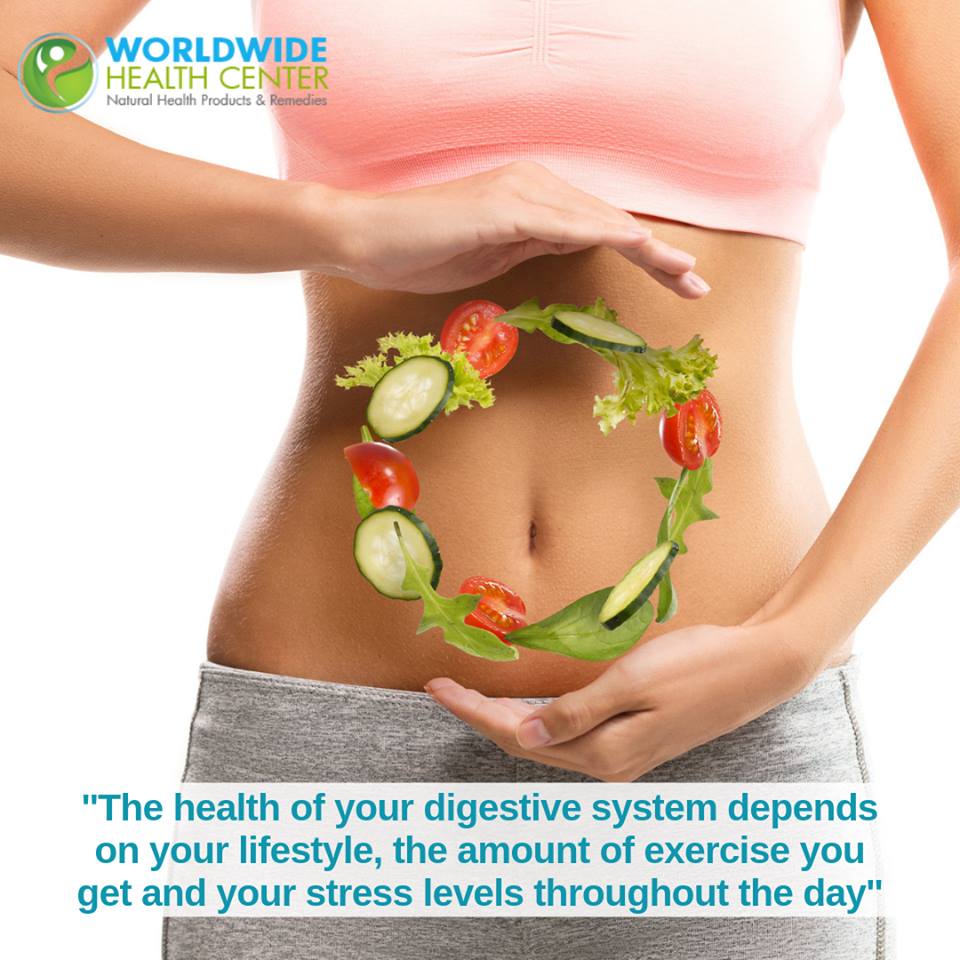

We began Candida treatment, and within 3 months her halitosis had completely cleared, and she had decided to get engaged to a local boy who she had a crush on. It really never ceases to amaze me how Candida can present itself – the symptoms can be strange and varied. Recurrent vaginal infections accompanied by chronic fatigue are often common in women. I have seen a number of cases of infertility with no underlying pathology that was resolved by Candida treatment. Skin problems with no specific diagnosis from dermatologists were Candida related, chronic sinusitis, scleroderma, rheumatoid arthritis, asthma, and many more.

Certainly I am not saying that the common yeast, Candida albicans, is the cause of all these problems. What my experience has shown, however, is that when Candida is one of the underlying causes of these health problems, they are not resolved unless the Candida is eradicated first.

Many physicians now believe that a clinical trial for Candida overgrowth is of so little risk and expense that it should be considered in any chronic illness.

One clinical trial a person may try is to avoid certain foods for five days which are known to facilitate the growth of yeast. Such foods include the following:

* SUGAR and SIMPLE CARBOHYDRATES such as found in all sweetened food including the use of honey, molasses, sorghum, maple syrup, sugar, fructose, maltose, dextrose, corn syrup, etc.

* YEAST PRODUCTS such as beer, wine, yeast leavened bread, natural B vitamins, brewer’s yeast

* FERMENTED and MOLD FOODS such as mushrooms, cheese, vinegar, mustard, catsup, relish and other condiments made with vinegar.

After avoiding these foods for 5 days, try adding them back into the diet in large quantities. By observing how one feels while off these foods, in comparison to any adverse effects experienced when going back on the foods, one may get a clue as to any possible yeast involvement as a causative factor for any adverse symptoms.

If adverse symptoms are provoked by a return to the yeast enhancing foods, your physician may feel that there is at least a possible reason to suspect Candida overgrowth, which may then warrant more definitive action.

CANDIDA TREATMENT PROTOCOL

The Candida Treatment Protocol that I have used successfully for a number of years has five basic objectives:

1. First, starve the Candida by eliminating the foods mentioned above that feed it.

2. Second, to kill the Candida through the use of anti-Candida products mentioned below.

3. Repopulate the bowel flora with a high-potency probiotic such as Culturelle which contains 20 billion live bacteria.

4. Regulate the dysbiosis and convert the pathological, mycelial form of Candida back to the normal form by the use of Sanum remedies mentioned below.

5. Restore biochemical balance to the body and strength to the immune system, which will allow the body once again to regain and maintain control over Candida growth by optimizing the diet  –  this would involve avoiding food intolerances and following the Metabolic Type Diet by Wolcott combined with the Blood Group diet by Dr Peter D’Adamo.

KILLING CANDIDA

I have found that it is literally impossible to treat Candida if one does not cut out ALL forms of sugar, and that includes fructose from fruit sources. The foods that should be strictly AVOIDED for a 3-month period include:

* SUGAR  –  and all foods that contain sugar. These include white and brown sugar, honey, syrups, liquors, lactose, fructose, all confectionary and sweet cakes, chocolates, ice-creams, home-made sweets and cakes, biscuits, fizzy beverages, all fruit drinks.

* YEAST  –  and all foods that contain yeast including breads, vinegar, ketchups, mayonnaise and pickles.

* FRESH AND DRIED FRUIT  –  all fruit whether fresh, cooked, tinned or dried. These should be avoided for the initial SIX WEEKS ONLY  –  your health practitioner will advise you when to begin eating fruit again. Obviously this includes fresh fruit juices (vegetable juices are OK), as well as marmalades.
* MUSHROOMS  –  all types, including Chinese mushrooms such as Shitake.

* REFINED FOODS  –  all white flours, white rice, white pasta products, cornflour, custard and white cereal products, unless they are wholemeal or organic.
* FERMENTED PRODUCTS  –  all alcoholic beverages, vinegar and all vinegar products such as ketchup, mayonnaise and pickles.

* NUTS  –  all types of nuts that are cleaned and packaged without their shells  –  these have a tendency to collect fungal spores and moulds from the atmosphere which will antagonize the Candida. Nuts that are fresh with their shells are OK.

Most other foods are allowed. Fruit is cut out of the diet for 6 weeks, and all the other foods mentioned above are disallowed for a period of 12 weeks. In the meantime, there are other nutritional supplements, herbs and homeopathics that are given, as follows (most of these remedies can be found at www.worldwidehealthcenter.net, and some are available from Cyprus):

1. KANDIDAPLEX  –  a Doctor-formulated compound that contains Berberine, undecylenic acid, biotin, sorbic acid, citrus seed extract and Pau D’Arco – 2 caps x 3 daily

2. KOLOREX  –  a New Zealand herbal product which contains two powerful anti-fungal agents that have been shown to kill Candida  –  Winterata colorata and the synergistist herb Aniseed which boosts effectiveness 6 fold  –  1 cap of each once daily.

3. CAPRYLIC ACID  –  a derivative of coconut which stops the Candida reproducing – freely available in most health food stores and pharmacies  –  1 tab x 3 daily

4. CANDIDA 30c – homeopathic  –  freely available in most pharmacies  –  two pillules or one cap x 3 daily for 2 weeks only. These are stopped just before beginning the Sanum remedies.

5. CULTURELLE – a powerful probiotic containing 20 billion live bacteria, in order to repopulate the ailing flora of the gut.

6. A good-quality multivitamin such as HMD Multi’s, or similar.

All the above are continued for 3 months, with the exception of the Candida 30c. After two weeks of the anti-Candida diet, certain specialized isopathic remedies are introduced, known as Sanum remedies from Germany, after the work of the famous Prof. Enderlein, as follows:

1. Mucokehl  –  1 cap twice weekly

2. Pefrakehl  –  1 cap twice weekly

3. Notakehl  –  1 cap twice weekly

4. Fortakehl – 1 cap twice weekly

5. Nigersan – 1 cap twice weekly

6. Albicansan  –  1 cap every second day

These are continued for about 40 days. As soon as these are completed, fruit is re-introduced back into the diet  –  this is about 6-7 weeks after the beginning of treatment.

Prof. Enderlein’s Sanum remedies work by changing the harmful microorganisms in the body fluids to non-aggressive forms (pleomorphic changes), which permits gentle healing (isopathy). Harmful bacteria and toxins are broken down and excreted through natural processes. They also help to alleviate the dysbiosis and bring the internal milieu of the intestine back into balance.

HERXHEIMER REACTIONS

Depending on the severity of Candida overgrowth and the amount of the agents taken, the Candida can be killed off in vast numbers in a very short period of time. As they are killed, they release substances which are toxic to the body. If this process occurs more quickly than the toxins can be cleared from the bloodstream and eliminated by the body, a temporary toxic or allergic-type reaction can occur. The technical name for this experience is a Herxheimer reaction; it is more commonly referred to as “die off.”

Usually die off lasts only a few hours, though it can last several days. It can usually be controlled almost entirely by the amount of ingestion of the agent and the rate or frequency it is taken. Signs of Herxheimer reaction can be many and varied but generally involve such discomfort as aching, bloating, dizziness, nausea, and overall “goopy sick” feeling, or a worsening of original symptoms. Fortunately, die off is generally short in duration, and although uncomfortable, is at least a confirmation of the presence of Candida and that something “good” is happening.

Exercise as well as insuring proper, daily bowel evacuation has been reported as being helpful in countering the adversities of die off. Maintaining a high daily intake of pure water is also important to keep the channels of elimination open.

BALANCING BODY CHEMISTRY

It is a commonly recognized and accepted fact that immune system efficiency is highly dependent on the proper biochemical balance in the body. This of course, is dependent on proper and adequate nutrition to supply the body with all the required biochemical constituents (vitamins, minerals, enzymes, intrinsic factors, etc.).

Different people require different amounts and balances of nutrients for optimum health. The criteria for the determination of these differing nutritional requirements lies within the definition of one’s metabolic type, i.e., the genetically determined metabolic and nutritional parameters that define each person’s individuality on every level.

It is precisely because different people have different metabolic types, and therefore different needs for nutrition, that the allopathic, symptom-treatment approach in nutrition is baseless and so often ineffective. This further explains why what (nutritionally) helps make one person better, may have little or no effect on another, or even make a third person worse.

I have not tried to modify this protocol as I have found it to be so successful that I dare not juggle with it in case I lose the effectiveness. I’m sure that it can be improved upon, and would welcome comments from other practitioners working with Candida. It is only through sharing that we will grow and become better practitioners.
Dr. George J Georgiou, Ph.D.,N.D.,D.Sc (A.M)
Natural Medicine Practitioner

Posted on

DIGESTIVE SUPPORT

DIGESTIVE SUPPORT

The Digestive system is a group of organs that work together to transform the food into energy and provide the nutrients that the body needs. The Digestive system includes the gastrointestinal tract, some hormones, bacteria, blood and the accessory organs of digestion.

The health of your digestive system depends on your lifestyle, the amount of exercise you get and your stress levels throughout the day.

All enzymes are catalysts that enable molecules to be changed from one form into another. Digestive enzymes are substances that are secreted by the body to help turn larger molecules (the macronutrients we call proteins, carbohydrates and fats) into smaller ones. In addition to digestive enzymes, bile and hydrochloric acid also help with digestion.

Digestive enzymes are secreted into the digestive tract to break down food matter into smaller particles. If the pancreas is not secreting enough enzymes, then this can lead to bloating, bowel distension, gas, abdominal pain and undigested food.  The amount of enzymes we secrete decreases with age, so these symptoms are more common as we age.

According to Dr. Gabriel Cousens, ‘’Enzymes are not simply catalyst that makes digestion and all metabolic process work: they are living proteins that direct the life force into our basic biochemical and metabolic processes’’.

Pancreatic enzymes can often help in the digestive process and alleviate many of these symptoms. Digestive enzymes play a key role in regulating and maintaining the propriety functions of the digestive system.

According to the Baseline of Health Foundation, science has identified more than 3,000 different enzymes in the human body, and it is believe that we have anywhere from 50,000 to 70,000 enzymes in total in our bodies.

There are many disease processes that will benefit from digestive enzymes, and indeed would be therapeutic in such cases as:

Celiac Disease

Research including digestive enzymes supplementation conclude that people that are celiac tend to show defects in their intestinal barrier against the entry of gluten, as well as the blocking of gliadin presentation by human leukocyte antigen blockers and tissue transglutaminase inhibitors.

According to the Journal of Natural Medicine, introducing digestive enzymes supplementation, containing highly active proteases and peptidases and may help celiac disease.

Dyspepsia

In a randomized, double-blind, placebo-controlled, parallel-group study on functional dyspepsia with 40 patients receiving either multi-enzyme complex supplement or placebo for 60 days, the result showed that the group that were taking the multi-enzyme supplements  managed to control their dyspepsia symptoms much more effectively.

According to the Organisation for Applied Scientific Research, digestive enzymes improve the digestibility and bio accessibility of proteins and carbohydrates in the lumen of the small intestine, not only under impaired digestive conditions, but also in healthy human digestion.

Irritable Bowel Syndrome (IBS)

A randomised, double blind, placebo controlled trial found that when IBS individuals who frequently suffered from diarrhoea after meals took digestive enzymes before eating, they reported a reduction in their symptoms.

Another study published in European review for Medical and Pharmacological Sciences found that when people with IBS took a combination of digestive enzymes and soluble fibres, they noticed a significant reduction in stomach discomfort, gas, and bloating.

A study published in Inflammatory Bowel Diseases found that bromelain, which is a mixture of proteolytic enzymes derived from pineapple helped decrease inflammation of the colon in mice with colitis.

Inflammation

In a randomized clinical study to assess digestive enzyme supplementation on markers of inflammation after a meal, the results showed that gastric discomfort was reduced with the supplementation of digestive enzyme compared to placebo.

Autism Spectrum Disorder

A randomized, double-blind, placebo-controlled trial with a sample of 101 children with Autism Spectrum disorder, aged 3 to 9 years, investigated the relation between digestive enzymes and Autism Spectrum disorders. Autism Spectrum disorders patients were randomized to receive digestive enzymes or placebo. The results showed that the group that took the digestive enzyme therapy for 3 months had significant improvement in emotional response, general impression autistic score, general behaviour and gastrointestinal symptoms.

Cancer

A report published in Integrative Cancer Therapies state that digestive enzymes may be beneficial to people undergoing cancer treatment. In their analysis of preliminary studies and clinical trials on the effects of enzyme therapy including proteolytic enzymes on people with cancer, the report’s authors found that enzymes may reduce several side effects associated with chemotherapy and radiation therapy, such as nausea, fatigue and weight loss.

Digestive enzymes are now being taken by an increasing number of people to help treat health conditions like acid reflux, gas, bloating, leaky gut, irritable bowel syndrome, Crohn’s disease, ulcerative colitis, diverticulitis, malabsorption, diarrhea or constipation.

Digestive enzymes can help break down difficult-to-digest proteins, starches and fats. This can reduce some of the work that the stomach, pancreas, liver, gallbladder and small intestine have to do.

What Enzymes shall I take?

We recommend to our patients DIGEST PLUS as it contains large array of different enzymes to help digest protein, carbohydrates as well as fat. Each 3 veggie capsules contain:

  • Lipase (10,000 FIP/G)
  • Cellulase Trichoderma (3,000U/G)
  • Protease (10,000 HUT/G)
  • Amylase (50,000 SKBU/G)
  • Bromelain (2000 GDU/G)
  • Papain (6,000 U/G)
  • Lactase (65,000 U/G)

If there are stomach issues too, then it is highly recommended to take BETAINE COMPLEX which contains hydrochloric acid along with synergistic components to help its absorption.

Specifically, each veggie cap contains:

Betaine Hydrochloride – 625 mg
Pepsin powder – 30 mg
Copper Citrate – 13.8 mg
Zinc Bisglycinate – 10 mg
Kelp (Ascophyllum nodosum) powder – 5 mg
Pyridoxal 5 Phosphate – 1.5 mg
Vitamin B1 Thiamine Hcl – 1.3 mg

Hydrochloric acid secretion in the stomach does several positive things. It assists protein digestion by activating pepsinogen to pepsin, it renders the stomach sterile against ingested pathogens, it inhibits undesirable overgrowth in the small intestine, and it encourages the flow of bile and pancreatic enzymes. Hydrochloric acid also facilitates the absorption of a number of nutrients, including folate, vitamin B12, ascorbic acid, beta-carotene, iron, and some forms of calcium, magnesium, and zinc.

If you suffer from constipation, then this can severely impede proper digestion and assimilation of nutrients, so in such cases we recommend CONSTFORM.

CONSTFORM is a fast-acting colon cleanser, designed for the chronically constipated in need of strong treatment for a blocked bowel. Purgatives have been combined with carminatives to prevent griping.

It is a powerful intestinal cleanser, which will “blast loose” residual intestinal congestion and get any bowel cleanse program off to a good start.

Each 685 mg proprietary blend capsule provides:
Rhubarb powder
Barberry powder
Glucomannan 90%
Alfalfa powder
Cayenne powder
Garlic powder
Aloe Vera extract (200:1)
Dandelion root extract (4:1)
Ginger root extract (20:1)
Nettle leaf extract (4:1)

A fast-acting, herbal colon cleanser and bowel support formula with 10 active herbal ingredients, including glucomannan.

Another formulation that we often use to cleanse and tone the muscles of the gut, is called COLFORM is a well-known herbal colon cleanser and bowel support combination, based on a formula by master herbalist, Dr. John R. Christopher.

Popular with colonic hydrotherapists, COLFORM contains a range of active herbal ingredients which help to cleanse the intestinal tract, soften the stool, stimulate the liver and improve peristalsis. This, in turn, helps to produce bowel movements and expel layers of old encrusted mucus and faecal matter that may have accumulated over time.

It acts to gently cleanse, stimulate and tone the bowel wall, supporting a move towards unassisted bowel movements.

Each 780 mg proprietary blend capsule provides:

Rhubarb powder
Barberry powder
Burdock root powder
Cayenne powder
Ginger root powder
Rhubarb root extract (30:1)
Fennel seed powder
Aloe vera extract (200:1)
Clove bud powder
Dandelion root extract (4:1)

Another powerful gut tonic that we often use is called OXYGUT – a powerful, yet gentle, non-habit forming colonics formula, with nutrients specifically selected to contribute to an increase in faecal bulk and normal bowel function.

It contains: magnesium peroxide, magnesium oxide, magnesium hydroxide, sugar beet fibre, ascorbic acid (Vitamin C), citric acid, citrus bioflavonoids, apple cider vinegar powder (a natural digestive) and fructo-oligosaccharides (FOS, a prebiotic) – ingredients designed to support the ‘oxygenating’ actions of the magnesium, as well as digestive regularity.

  • Sugar beet fibre, in particular, contributes to an increase in faecal bulk in two ways: the insoluble components of the fibre increase faecal bulk by absorbing water in the large intestine, while the soluble components are fermented by bacteria in the large intestine leading to an increase in bacterial mass. As such, this source of fibre may have a beneficial physiological effect for people who want to improve or maintain a normal bowel function. Click herefor EFSA scientific opinion.
  • Magnesium contributes to: a reduction of tiredness and fatigue, electrolyte balance, normal energy-yielding metabolism, normal functioning of the nervous system, normal muscle function, normal protein synthesis, normal psychological function, the maintenance of normal bones and teeth, and it has a role in the process of cell division. Click here and here for EFSA scientific opinions.
  • Vitamin C contributes to maintaining the normal function of the immune system during and after intense physical exercise (with a daily intake of 200mg in addition to the recommended daily intake of vitamin C). It also contributes to normal collagen formation for the normal function of blood vessels, bones, cartilage, gums, skin and teeth, normal energy-yielding metabolism, normal functioning of the nervous system, normal psychological function, protection of cells from oxidative stress, the reduction of tiredness and fatigue, the regeneration of the reduced form of vitamin E and increases iron absorption. Click here and here for EFSA scientific opinions.

A natural approach to supporting long-term bowel health and ideal as part of a cleanse and detox programme.

Each 845 mg proprietary blend capsule provides:

  • Magnesium
  • Vitamin C
  • Magnesium Peroxide
  • Magnesium Oxide
  • Magnesium Hydroxide
  • Sugar Beet Fibre (55 mg)
  • Ascorbic Acid (Vitamin C)
  • Citric Acid
  • Citrus Bioflavonoids
  • Apple Cider Vinegar
  • Fructo-oligosaccharides (FOS)
Posted on

Turmeric and its effects on health

Turmeric and its effects on health

A Super Anti-Inflammatory

In the last decade, we are seeing more and more articles regarding the health benefits of a powerful anti-inflammatory herb known as turmeric. One of the main reasons is related to the realization by scientists that chronic inflammation is the main cause of chronic diseases such as heart disease, cancer, metabolic syndrome, Alzheimer’s disease, and various degenerative conditions. Therefore anything that can help to fight chronic inflammation is important, and turmeric has been proposed to fight chronic inflammation as it contains compounds with medicinal properties called curcuminoids which are found within the root of the plant.

Turmeric is native to India and Southeast Asia where it has been a herb used in cuisines for several thousands of years.

A study published in 2012 in the Nutrition Journal investigated the effect of curcumin in healthy individuals. The sample was split into two groups. One group was given curcumin and the other group received a placebo for 4 weeks. Blood and saliva samples were taken before treatment and after treatment. These results demonstrate that the intake of curcumin can produce a variety of potentially health-promoting effects in healthy middle-aged people.

High Blood Pressure

Another randomized, controlled, double-blind parallel prospective study in the Journal of Nutrition and Metabolism proposed that a daily dose of turmeric extract significantly improved the functional state of the blood vessels of healthy adults in a two months period.

Weight Loss

In another randomized, controlled study published in the European Review for Medical and Pharmacological Sciences, the use of curcumin significantly decreased weight loss and reduced body fat, waistline, hip circumference and BMI.

Arthritis

The arthritis foundation suggests that taking turmeric capsules of 400 to 600 mg up to 3 times per day reduces inflammation and improves symptoms of arthritis.

In a study in people with rheumatoid arthritis, curcumin was even more effective than an anti-inflammatory drug.

Many other studies have looked at the effects of curcumin on arthritis and noted improvements in various symptoms.

Altzheimer’s Disease

Neurons are capable of forming new connections, but in certain areas of the brain, they can also multiply and increase in number.

One of the main drivers of this process is brain-derived neurotrophic factor (BDNF), which is a type of growth hormone that functions in your brain.

Many common brain disorders have been linked to decreased levels of this hormone, including depression and Alzheimer’s disease.

Interestingly, curcumin can increase brain levels of BDNF.

By doing this, it may be effective in delaying or even reversing many brain diseases and age-related decreases in brain function.

Diabetes

A randomized, double-blind, placebo-controlled study, published in the Journal Diabetes Care and the Journal of the American Diabetes Association using 240 participants suggested that the use of Curcumin could help in the prevention of type II diabetes mellitus.  

Unfortunately, curcumin is poorly absorbed into the bloodstream. It helps to consume black pepper with it, which contains piperine, a natural substance that enhances the absorption of curcumin by 2,000%.

The best Turmeric supplement contains piperine, substantially increasing its effectiveness.

Curcumin Turmeric is also fat-soluble, so it may be a good idea to take it with a fatty meal.

Find out about other health benefits of Turmeric.

BUY NOW!


Posted on

Coenzyme Q10

COENZYME Q10

Coenzyme Q10 might prove helpful in inflammatory conditions in Down syndrome

In every cell in the human body there is a nucleus, where genetic material is stored in the form of genes. Genes carry the codes responsible for all of our inherited traits and are grouped along rod-like structures called chromosomes. The only cells that contain 23 chromosomes are the sperm and ova. The nucleus of each cell contains 46 pairs of chromosomes half inherited from mother and half from father. In certain cases something might go wrong and a baby develops Down syndrome.

Down syndrome occurs when an individual has a full or partial extra copy of chromosome 21.

There are a lot of studies that reported evidence of oxidative stress with kids with Down syndrome. There is a growing interest in the contribution of the immune system in Down syndrome.

A case control study (Zaki, M. et al, 2017) investigated the use of Coenzyme Q10 supplementation in pro-inflammatory markers such as interleukin 6 and tumor necrosis factor α in children with Down syndrome.

The sample included 86 children, aged 5-8 for a period of 8 months. No acute or chronic illnesses were observed and no therapies or supplements were given to them. The study measured interleukin 6, tumor necrosis factor a, fasting blood glucose, intelligent quotient and coenzyme Q10. The sample was split into two groups of 43 children in each group. Compared with the control group the Down syndrome children showed significant increase in interleukin 6 and tumor necrosis factor α while coenzyme Q10 was significantly lower as well as body mass index and fasting blood glucose. There was a significantly positive correlation between coenzyme Q10 and intelligence quotient levels, as well as between interleukin 6 and tumor necrosis factor α.

Therefore it seems that the use of Coenzyme Q10 as a supplement has an impact on the improvement of neurological symptoms in children with Down syndrome.

Purchase our Coenzyme Q10 (250 mg) NOW!