Posted on

From Soil to Supper: The Hidden Heavy Metal Crisis in Our Food

Podcast: Why Am I Bloated All the Time?

Why Am I Bloated All the Time?

10 Everyday Causes Most People Miss

If you feel like your stomach goes from normal to “six months pregnant” by the end of the day, you are definitely not alone. Bloating is extremely common. Research suggests roughly 16% to 31% of people experience it, and in real life I’d say the number feels even higher because so many people just put up with it and assume it’s normal. It isn’t something to ignore forever, and it usually has a reason.

The first thing I like to tell people is this: bloating is not always “just gas.” Sometimes it is gas, yes. But sometimes it is constipation, poor meal habits, food intolerance, stress, altered gut-brain signaling, sluggish upper digestion, or a disturbed microbiome.

Gas itself mainly comes from two places: swallowed air and the fermentation of undigested carbohydrates by gut microbes. On top of that, disorders of gut-brain interaction such as IBS, functional dyspepsia, and functional bloating can make normal amounts of gas feel far more dramatic.

Here are 10 very everyday causes of bloating that people miss all the time.

  1. You’re eating too fast

This is one of the simplest causes, and one of the most overlooked. When you eat or drink too quickly, you tend to swallow more air. That extra air has to go somewhere. Sometimes it comes back up as belching, and sometimes it moves through the gut and leaves you feeling puffy, tight, and gassy.

Fast eating also means less chewing, and that matters more than people think. Digestion starts in the mouth. If you bolt down food, your stomach and intestines have to do extra work on bigger, less-processed mouthfuls. For a sensitive gut, that can be the difference between a comfortable meal and a miserable evening. (NIDDK)

What to do: Slow down, put your fork down between bites, and actually chew your food. It sounds basic because it is basic — and it works.

  1. Fizzy drinks are literally adding gas to the problem

A lot of people are baffled by bloating while sipping sparkling water, soda, kombucha, or other carbonated drinks all day. But fizzy drinks increase swallowed gas and can aggravate gas symptoms. If you are already prone to bloating, they are often like throwing petrol on a small fire.

This doesn’t just apply to sugary soft drinks. Even “healthy” sparkling water can be an issue for some people. If your stomach is already touchy, the bubbles may be enough to tip you over.

What to do: Try a 10- to 14-day break from fizzy drinks and see what happens. Flat water, herbal teas, or still mineral water are usually a gentler bet.

  1. You may simply be overeating

Sometimes the problem is not what you ate. It is how much. Large meals stretch the stomach more, increase fullness, and can make people feel uncomfortably heavy and bloated afterwards, especially if they already have indigestion, sensitive upper-GI function, or slow stomach emptying. Functional dyspepsia and gastroparesis are both classic examples of conditions where people feel overly full, bloated, or uncomfortable after eating.

Fatty meals can make this worse. NIDDK notes that high-fat foods can increase bloating in some people, and they often seem to “sit” in the stomach longer.

What to do: Eat a little less per sitting. Many bloated people do better with smaller, calmer meals instead of one huge lunch and one heroic dinner.

  1. You’re constipated — even if you still go to the toilet

This one catches people out all the time. Some people say, “I’m not constipated, I go every day.” But if you strain, feel incomplete afterwards, pass hard stools, or always feel like there is more sitting there, constipation may still be part of the picture.

Chronic constipation commonly travels with bloating. Retained stool slows transit, gives microbes more time to ferment what is in the bowel, and can leave the abdomen feeling tight and swollen.

IBS with constipation is especially notorious for this. The gas is not always excessive — sometimes it is also that the bowel is moving badly and the gut is more sensitive to normal stretching.

What to do: Take bowel regularity seriously. Hydration, walking, regular meal timing, toilet habits, and the right type of fiber can all help. Just don’t dump in huge amounts of fiber overnight, because that can backfire and make the bloating worse.

Take CONSFORM capsules, CONSFORM TINCTURE and COLFORM to keep the bowls moving.

  1. “Healthy” high-FODMAP foods may be backfiring

This is a big one. FODMAPs are fermentable carbohydrates found in foods like onions, garlic, some fruits, some dairy foods, wheat products, pulses, and certain sweeteners. They are not unhealthy. In fact, many are very nutritious.

The problem is that some people absorb them poorly. When that happens, gut microbes ferment them quickly, producing gas and drawing water into the bowel. That is a perfect recipe for bloating, pain, and altered bowel habits.

This is why people so often say, “But I only had a salad, apples, hummus, and sparkling water.” On paper that sounds virtuous. In a sensitive gut, it can be a small disaster. Low-FODMAP diets have been shown in trials and reviews to improve bloating, especially in people with IBS. They are best used as a short-term tool, not a lifelong fear-based eating plan.

What to do: If bloating is chronic, a short, structured low-FODMAP trial with proper reintroduction can be very useful.

Fodmap Foods

  1. Lactose intolerance is incredibly common

Lactose intolerance is one of the most obvious causes of bloating, yet people still miss it because symptoms can be dose-dependent. You might tolerate a little milk in tea but feel dreadful after ice cream, soft cheese, or a milky coffee.

The classic symptoms are bloating, gas, diarrhea, abdominal pain, and rumbling after lactose-containing foods.

It is also worth knowing that lactose intolerance can show up alongside other gut issues. NIDDK notes that conditions such as celiac disease, IBS, inflammatory bowel disease, and bacterial overgrowth can produce similar symptoms or contribute to lactose problems.

What to do: Track your symptoms honestly. If dairy seems suspicious, trial a lactose-light approach for a couple of weeks rather than guessing forever.

  1. Wheat or gluten may be an issue — but don’t self-diagnose coeliac disease

Some people bloat badly with wheat or gluten-containing foods. In some cases, the issue is celiac disease, which can cause bloating, gas, diarrhea, constipation, and nutrient problems. In others, it may be non-celiac gluten sensitivity or even sensitivity to other components in wheat, including fructans, which are also high-FODMAP.

This is where people often make a mistake: they cut out gluten before getting tested. If celiac disease is on the table, you should be tested while still eating gluten, because going gluten-free first can make the tests inaccurate.

What to do: If bread, pasta, pastries, or wheat-heavy meals always leave you looking and feeling awful, get properly assessed before going fully gluten-free.

  1. Stress can absolutely bloat your belly

This is not “all in your head.” The gut and brain are in constant conversation through the gut-brain axis. Stress can change gut motility, increase visceral sensitivity, affect the microbiome, and make normal digestive events feel far more intense. IBS is a classic gut-brain disorder, and stress is a well-known trigger for symptom flare-ups.

That is why some people are much worse during deadlines, travel, conflict, poor sleep, or anxious periods. The meal may be the same, but the nervous system is different. And when the nervous system is frazzled, the gut often follows.

What to do: I’m not saying breathing exercises solve every digestive problem. But if you inhale lunch at your desk while stressed out of your mind, you are stacking the odds against yourself.

Slower meals, a short walk after eating, and regular stress-management habits can make a real difference.

  1. Dysbiosis or SIBO may be part of the picture

The microbiome matters. When the balance of gut microbes shifts in the wrong direction, bloating often follows. Reviews on functional bloating and IBS point to altered gut microbiota as one important factor, and small intestinal bacterial overgrowth, or SIBO, is especially associated with bloating, distension, gas, abdominal pain, diarrhea, and sometimes constipation.

I would not tell everyone with bloating that they “definitely have SIBO.” That is too simplistic. But if your belly blows up after meals, you react to lots of carbohydrates, and the symptoms are chronic and stubborn, dysbiosis or overgrowth deserves consideration.

What to do: Work on the basics first: meal habits, constipation, stress, and obvious trigger foods. If symptoms are persistent, proper clinical assessment can help decide whether deeper investigation is worthwhile.

  1. Low stomach acid and low digestive enzymes

People talk endlessly about “too much acid,” but the stomach is supposed to be acidic. Gastric acid helps start protein digestion, supports mineral absorption, and acts as part of the body’s defense against swallowed microbes.

When acid production is reduced — for example with chronic gastritis, certain autoimmune conditions, aging, or prolonged acid suppression — digestion can become less efficient and symptoms such as fullness, belching, bloating, and malabsorption may appear.

This does not mean every bloated person has “low stomach acid.” But it is a commonly missed angle, especially in people who feel heavy after protein-rich meals, full very quickly, or bloated high up in the abdomen rather than lower down. Functional dyspepsia is also well known for symptoms such as early satiety, post-meal fullness, bloating, nausea, and belching.

What to do: If your symptoms are mostly upper-abdominal and meal-related, don’t assume it is all “gas.” It may be worth reviewing medications, upper-GI symptoms, and digestion with a practitioner.

A couple of supplements worth trying is BETAINE HCl to help stomach digestion and prevent fermentation, and the other is DIGEST PLUS for helping gut digestion which should alleviate bloating and gas.

So where should you start?

If you are bloated all the time, I would not start with a drawer full of random supplements. I would start with the boring-but-powerful basics:

Eat more slowly.
Cut back on fizzy drinks.
Reduce meal size a bit.
Sort out constipation properly.
Track which foods actually trigger symptoms.
Consider lactose and high-FODMAP foods.
Don’t ignore stress.
And if wheat seems to be an issue, rule out celiac disease properly before going gluten-free.

Try Betaine HCL and DIGEST PLUS to help stomach and gut digestion respectively.

A simple food-and-symptom diary is often more useful than guesswork. NIDDK specifically recommends tracking what you eat and drink alongside symptoms because patterns often become clearer on paper than they do in your head.

When bloating should not be brushed off

Most bloating is functional and manageable, but persistent bloating deserves proper attention if it comes with abdominal pain, constipation or diarrhea, unexplained weight loss, rectal bleeding, black stools, vomiting, or a sudden change in symptoms. Those are not “wellness blog” problems — they are “please get checked” problems.

Final thought

If I had to sum this up in one sentence, it would be this: chronic bloating is usually not random. It is often the result of everyday habits, meal patterns, food intolerance, bowel sluggishness, stress, or disrupted gut function quietly piling on top of each other. The good news is that once you find your main triggers, this is one of the most fixable digestive complaints I see. (PMC)

Scientific references

  1. National Institute of Diabetes and Digestive and Kidney Diseases (NIDDK). Gas in the Digestive Tract and related pages on symptoms, treatment, and nutrition. (NIDDK)
  2. Crucillà S, et al. Functional Abdominal Bloating and Gut Microbiota: An Update (2024). (PMC)
  3. Bertin L, et al. The Role of the FODMAP Diet in IBS (2024), plus supporting reviews on low-FODMAP diets and bloating. (PMC)
  4. Tuck CJ, et al. Food Intolerances (2019). (PMC)
  5. NIDDK. Lactose Intolerance and Symptoms & Causes of Lactose Intolerance. (NIDDK)
  6. NIDDK. Celiac Disease and Symptoms & Causes of Celiac Disease. (NIDDK)
  7. Roszkowska A, et al. Non-Celiac Gluten Sensitivity: A Review (2019). (PMC)
  8. Moloney RD, et al. Stress and the Microbiota–Gut–Brain Axis in Visceral Pain (2015). (PMC)
  9. Achufusi TGO, et al. Small Intestinal Bacterial Overgrowth: Comprehensive Review of Diagnosis, Prevention, and Treatment Methods (2020). (PMC)
  10. Engevik AC, et al. The Physiology of the Gastric Parietal Cell (2019), with supporting reviews on hypochlorhydria and upper-GI symptom patterns. (PMC)
Click image below for gut and digestion supplements


Gut and Digestion Support

Posted on

Reducing Toxins using Phytonutrients

Reducing Toxins using Phytonutrients

Detoxification has become a hot topic, especially nowadays due to the environment we live. As the scientific and medical literature suggest, we are all toxic. There are several ways that we can detoxify. Reducing toxins using phytonutrients which will facilitate the detoxification processes.

Phytonutrients are found in colourful and tasty fruits and vegetables. Eating fruits and vegetables on a daily basis will not only stimulate detoxification pathways, but they will protect your organs and tissues due to their powerful antioxidant functions.

Phytonutrients are the colourful path to detoxification and the five classes of which the sole purpose is to fight toxins are:

  1. Curcumin: You can take it by incorporating turmeric into your food. It is known as a super spice that fights inflammation, binds the heavy metals in the body and upregulates the production of enzymes responsible for the detoxification pathways.

Curcumin, a polyphenol, has been shown to target multiple signaling molecules while also demonstrating activity at the cellular level, which has helped to support its multiple health benefits. It has been shown to benefit inflammatory conditions, metabolic syndrome, pain, and to help in the management of inflammatory and degenerative eye conditions. In addition, it has been shown to benefit the kidneys. While there appear to be countless therapeutic benefits to curcumin supplementation, most of these benefits are due to its antioxidant and anti-inflammatory effects. Despite its reported benefits via inflammatory and antioxidant mechanisms, one of the major problems with ingesting curcumin by itself is its poor bioavailability, which appears to be primarily due to poor absorption, rapid metabolism, and rapid elimination.

2. Flavonoids: These antioxidants bind to heavy metals in the body and aid in the removal of toxins from the body through urine. Flavonoids can be found in oranges, parsley, cilantro, onions, blueberries and apples.

Flavonoids are a diverse group of phytonutrients (plant chemicals) found in almost all fruits and vegetables. Along with carotenoids, they are responsible for the vivid colors in fruits and vegetables. Flavonoids are the largest group of phytonutrients, with more than 6,000 types. Some of the best-known flavonoids are quercetin and kaempferol.

In recent years, scientists have turned to various flavonoids to explain some of the health benefits associated with diets rich in fruits and vegetables, according to the Linus Pauling Institute. Like other phytonutrients, flavonoids are powerful antioxidants with anti-inflammatory and immune system benefits. Diets rich in flavonoid-containing foods are sometimes associated with cancer, neurodegenerative and cardiovascular disease prevention. However, it is not yet clear whether the flavonoids themselves are responsible.

Onions, tea, strawberries, kale, grapes, Brussels sprouts, citrus fruit, parsley, and many spices are just a few natural foods rich in flavonoids, according to Louis Premkumar, a professor of pharmacology at Southern Illinois University School of Medicine and author of “Fascinating Facts about Phytonutrients in Spices and Healthy Food“.

3. Organosulphur compounds: If you are a fan of garlic, onions, broccoli, kale, cabbage and cauliflower then you will enjoy detoxifying your body with this phytonutrient. Organosulphur compounds act similarly to curcumin as they bind to and aim in the removal of heavy metals and they also boost the detoxifying enzymes.

Organo-sulfur compounds are generally found in cruciferous vegetables such as broccoli, cauliflower, brussel sprouts, garlic, and onion. They contain sulfur atoms that are bound to a cyanate group or a carbon atom in a cyclic or noncyclic configuration. The functional contents of plants containing organo-sulfur compounds are obtained after cell disruption by cutting, or crushing the plants. In cruciferous vegetables various isothiocyanates are formed from glucosinolates by the action of myrosinase. In Allium L. species, allicin is formed from alliin by the action of allinase and then rapidly converted to diallyl sulfide, diallyl disulfide, or diallyl trisulfide. These hydrolytic breakdown products have the main health-promoting functional effects on several diseases.

Organo-sulfur compounds like diallyl sulfides (diallyl disulfide, diallyl trisulfide) are potential anticancer agents. Organo-sulfur compounds are well known for their chemo-preventive activities which increase with the polyphenols, carotenoids, isothiocyanates, and allyl sulfides, lycopene. Several bioactive compounds exhibit a synergetic effect against reactive oxygen species and free radicals. Garlic is an important plant that decreases the LDL, and increases the good cholesterol namely high-density lipoprotein (HDL). Aged garlic extract has beneficial health effects in lung carcinoma, platelet aggregation, and oxidative damages.

4. Quercetin: It is found in apples, citrus fruits, parsley, onions, tea, nuts, and dark berries like blackberries, blueberries, and bilberries. It is known as a useful anti-inflammatory composite which binds toxins in the body and neutralizes them.

Quercetin, a flavonoid found in fruits and vegetables, has unique biological properties that may improve mental/physical performance and reduce infection risk. These properties form the basis for potential benefits to overall health and disease resistance, including anti-carcinogenic, anti-inflammatory, antiviral, antioxidant, and psychostimulant activities, as well as the ability to inhibit lipid peroxidation, platelet aggregation and capillary permeability, and to stimulate mitochondrial biogenesis.

5. Epigallocatechin-3-gallate (EGCG): The best source of EGCG is green tea and its variables. This phytonutrient triggers amplified production of certain enzymes and genes responsible for POP detoxification. It helps the natural systems of the body to cleanse it from toxins more effectively and efficiently. Reducing toxins using phytonutrients such as EGCG is an effective way of taking powerful antioxidants into the body.

Green tea, which contains powerful antioxidants, is one of the most popular beverages consumed around the world. Of all the antioxidant compounds found in green tea, the major constituents are polyphenols, including phenolic acids and catechins. Catechins from green tea belong to the family of flavonoids that are powerful antioxidants and free iron scavengers. Many botanical flavonoids possess strong antioxidant activities in the cardiovascular system. Effects of green tea on cancer chemoprevention have been attributed to its antioxidant activities.

Many of these phytonutrients are found in our Super Greens Plus.


Posted on

Detoxification: The secret of 21st century

Detoxification: The secret of 21st century

What is detoxification?

Detoxification is an important aspect of optimal health and has become a household word and a colloquialism that could mean anything from drinking a glass of carrot juice to entering a detoxification centre if you are an alcoholic or drug addict.

Detoxification is the process of removing the toxins that have been accumulating in the body tissues and organs throughout a person’s life.

These toxins will have been acting as metabolism blockers by literally poisoning the cells and not allowing them to function correctly.

You can have toxins stored in your body for years without experiencing any negative symptoms. It is only when the toxin levels become too high that you start to feel ill.

Where are the sources of toxins?

The toxins come from many sources such as:

Exogenous toxins: are those that enter our bodies from the outside, i.e. food additives, pesticides, herbicides, fungi from food, industrial

pollutants, viruses, bacteria, parasites and electromagnetic pollution such as Xrays, electromagnetic radiation and geopathic stress.

Endogenous toxins: toxins that are found or generated within the human body. This can occur when the body’s normal metabolic mechanisms function inefficiently. For example, it typically takes several steps to convert the amino acid methionine into cysteine. If one step is sluggish, an intermediate called homocysteine accumulates in tissues. Accumulation of homocysteine can damage the vascular system and contribute to heart disease.

Autogenous toxins: are generated within the body from miasmic influences, which are inherited tendencies that can pass through up to seven generations. Examples of these are psora, sycosis, tuberculosis, syphilinum and others. There is no detection of these pathogens with scientific testing, but their deep presence can affect the body’s organs, primarily by inhibiting a good immune response and lowering its resistance.

 What are the benefits of a detoxification process?

  • The digestive tract is cleansed of accumulated waste and fermenting bacteria.
  • Liver, kidney and blood purification can take place, which is not possible during regular eating patterns.
  • Mental clarity is enhanced as chemical and food additive overload is reduced
  • Reduced dependency on habit-forming substances such as sugar, caffeine, nicotine, alcohol and drugs
  • The stomach size is returned to normal as bad eating habits are stopped
  • The hormonal system is enhanced which is especially true for growth hormones
  • The immune system is stimulated.

Is there any way to detoxify my body?

 There are natural, gentler ways of detoxifying the body of heavy metals and other xenobiotics.

In the Da Vinci Natural Health Center we used an alkaline detox diet for 15 consecutive days including fresh fruit, salads, freshly squeezed juices, steamed vegetables and vegetable soups as part of it.

This means that you ONLY eat these foods for the duration, most of which will be rich in the live enzymes, which are the tools required to flush out the toxins from the body. You must be patient and put your mind to it.

We strongly suggest that you try to eat as many raw fruits and vegetables as possible, including at least 1-3 fruit and vegetable juices daily. Carrot juice has a strong effect on the digestive system, provides energy, serves as an important source of minerals, promotes normal elimination, has diuretic properties and helps to build healthy tissue, skin and teeth.

We also encourage the use of green juice mixed with carrot juice and beetroot. This can be anything from fresh parsley, lettuce, kale, collard greens, Swiss chard, alfalfa, cabbage, spinach, turnip greens, watercress, celery, cucumber, green pepper, scallions, coriander, or any other green vegetable in season.

All green vegetables contain chlorophyll, which is very oxygenating for the body. It is also an effective antiseptic, cell stimulator, red blood builder and rejuvenator – therefore, helping to remove toxic sludge faster. Greens are also super-rich in live enzymes.

Each meal should begin with raw fruit or vegetables, seasoned with a little lemon, ginger, garlic, coconut or desired herbs. This way, they are available for digesting the fat, protein, and carbohydrates from the meal that follows. The enzymes in vegetables control or restrict the amount of waste deposited on your adipocytes.

These are the foods that are allowing during the detoxification phase – no other family of foods is allowed. You may eat as many of the following foods as you wish, but it is best to eat only when you feel hungry.

Wash all fruit and vegetables in a bowl of water with 4-5 tablespoons of grape vinegar added (not apple cider vinegar), to help wash away any pesticide/herbicide residues. Rinse afterwards with clean water. Here are the foods that you can eat in plenty – in fact, the more you eat and drink, the quicker you detoxify.

We cannot emphasise just how important the detoxification diet is to your success!

Are there any side effects during the detoxification process?

When the body detoxifies, it goes through various biochemical and physiological changes. Generally, on the first day of fasting the blood sugar level is likely to drop below 65-70 mg/dl. The liver immediately compensates by converting glycogen to glucose and releasing it in the blood.

After a few hours, the basal metabolic rate is likely to fall to conserve energy. This means that the heart, pulse and blood pressure will drop. More glycogen may be used from muscles, causing some weakness.

 As the body requires more energy, some fat and fatty acids are broken down to release glycerol from the glyceride molecules and are converted to glucose. You may notice the skin becoming quite oily as these fatty acids and glycerol increase in the blood. The skin is one of the largest detoxification organs, so you may get some skin problems such as pimples, acnes or a pussy boil – this is all part of the body trying to cleanse. The complexion may become pallid for a day or two as the wastes accumulate in the blood.

The incomplete oxidation of fats may result in the formation of Ketones resulting in ketoacidosis. Combined with high levels of urea, resulting from protein metabolism, this state can cause several symptoms which may suppress appetite; they affect the satiety centre in the hypothalamus.

Generally, this takes a few days to happen and you may notice your appetite dwindling. You may get pains in different joints, or organs such as the lungs. There may be a considerable amount of yellow mucus released from the throat and expelled. The sinuses may also begin clearing with more mucus secreted.

Given that the body is releasing these toxins quickly during the first few days of the detoxification process, it should not surprise you to experience some changes in your body that may cause certain symptoms. Initially, for the first 2-3 days these symptoms can be a little unpleasant, SO BE WARNED! This may include headaches, nervousness, diarrhoea, upset stomach, energy loss, furry tongue, halitosis (bad breath), as well as acne or other skin rashes, a general feeling of malaise, frequent urination due to the toxins irritating the bladder and some of their existing symptoms may be exacerbated. All these symptoms indicate that the DETOX IS WORKING!

 Are there any supplements that should I take to help with the detoxification process?

We recommend that is a good idea to take a multivitamin formula to help optimize your levels of vitamins and minerals, which are crucial raw materials for many of the detoxification pathways of the body. Choose one that has high levels of vitamins and minerals, not just the RDA levels – at the Da Vinci Health Center we use a high-potency formula called HMD MULTIS.

In addition, taking Vitamin C x 3 times daily during the detoxification process will also help. Vitamin C will help to absorb certain toxins as well as helping the immune system cope with a heavy burden of toxins that it needs to get rid of. We recommend a calcium/ magnesium ascorbate in a capsule form called VITAMIN C BLEND which is an alkaline form of vitamin C and much gentler to the stomach and gut.

Other supplements that we recommended include a herbal combination called HEPATO PLUS which is designed to provide extra support to the detoxification organs and systems of the body, particularly during periods of over indulgence in food, alcohol or smoking.

Another important herbal formula which we recommend is PARAFORM PLUS ONE which basically is one that is designed to eliminate parasites from the intestines, which we pick these up from food and water all the time. The ingredients have been hand picked for their anti-parasitic, antibacterial, anti-microbial, anti-fungal and anti-viral activities.

Yet another supplement that we recommend during the detox that gives the body a good energy boost is called SUPER GREENS PLUS. This is a 100% organic (Soil Association registered) superfoods powder, that can be used as a plant protein powder, light meal shake or daily nutrient booster.

It provides a broad range of vitamins, minerals, antioxidants and powerful phyto-nutrients through its multiple organic superfood, superfruit and herbal ingredients. A great all-round supplement to support energy levels, cleanse, detox, and alkalise the body – daily organic nourishment made easy!

Stay with the detoxification process, and allow yourself time to rest, particularly during the first few days. It is best starting on a Friday, given that you will have the weekend at home to get organized and rest when you need to.

We do not recommend vigorous exercise during this initial period, but a 20-30-minute walk with a friend or loved one in an open-air park is fine. You need to conserve your energy levels for the detoxification process. Under normal circumstances, the body uses 80% of its energy for detoxification, which is a substantial amount, and this will increase during the 15 days of this intensive detox programme.

Posted on

NATURAL SUPPLEMENTS FOR PARASITES

Natural Supplements for Parasites

What are parasites?

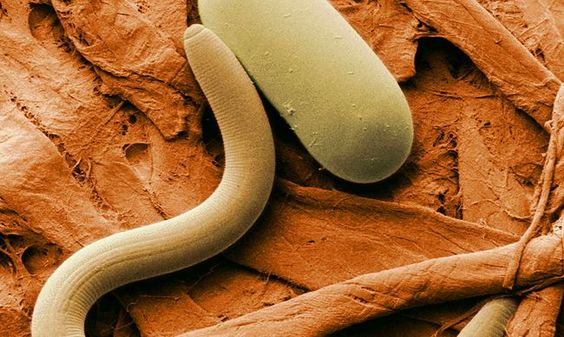
According to the Center for disease control and prevention, a parasite is an organism that lives on or in a host organism and gets its food from or at the expense of its host. The three main classes of parasites that can cause disease in humans are the protozoa, helminths, and ectoparasites. Most people in the world have parasites so using natural supplements for parasites is wise for eliminating these parasites.

Do we have intestinal parasites?

According to the Journal of Bacteriology and Parasitology ‘Intestinal parasites are organisms that live in the gastrointestinal tract of animals, including humans. Parasites can live within the intestines for years without causing any symptoms.

What are the symptoms caused by parasites?

Parasitic infections may be caused by intestinal helminths and protozoa. In developing countries protozoa parasites more commonly cause gastrointestinal infections compared to helminths. Parasites can cause a variety of symptoms such as fatigue, constipation, diarrhoea, vomiting, heartburn, stomach pain and loss of appetite.

Parasites can sometimes appear as digestive problems. For example, chronic diarrhoea is a common sign of parasites, but they can also cause a wide variety of other symptoms, such as: abdominal pain allergic reactions to foods, anaemia, bloating, bloody stools, chronic fatigue, constipation, cough, gas, Irritable Bowel Syndrome (IBS,) itching joint and muscle aches, nervousness, hives, infected gums, mucus in the stools, poor immune response, rashes, sleep disturbances, teeth grinding, fever and unexplained weight loss.

Parasites can deplete the body of nutrients (such as vitamins A, B6, B12, potassium, calcium, and magnesium) and overwhelm the immune system, which can lead to severe illness. Symptoms can come and go depending on the life cycle of the parasite involved. Parasites are a “hidden” disease, because most people who have parasites don’t know it.

In addition, pets too can act as parasite hosts and pass them on to humans. Young animals, such as puppies and kittens, are more likely to be infected with ascarids and hookworms. According to official CDC data: ‘Trichomonas is the most common parasitic infection in the USA, accounting for an estimated 7.4 million cases per year. Giardia and cryptosporidium are estimated to cause two million and 300,000 infections respectively in the US annually.

An interesting report by the Parasitologist, Omar Amin, Ph.D. states that in a five-star restaurant, samples were taken from under the fingernails of the entire staff and 100% of them tested positive for faces under their nails. “Bon Appetit!”

Always picking up parasites!

We are always picking up parasites! The main source is undercooked meats, followed by household pets. After we are infected, we can give it to each other via blood (childbearing), saliva (kissing), semen (lovemaking) and breast milk (nursing).

Dr. Hulda Clark in her book “The Cure for All Cancers” says that the human intestinal fluke Fasciolopsis buskii is the cause of most cancers. When these reach the liver, a growth factor is produced – ortho-phospho-tyrosine – that make cells divide and cancer proliferates.

Parasites, thus, are everywhere and in their most pathogenic states cause havoc in body, mind and spirit, with doctors responding with a range of treatments intended to suppress the symptoms, while failing to attack their source – the parasites themselves.

Researchers are beginning to see how parasitic infections may mimic or be involved in diseases such as rheumatoid symptoms, chronic fatigue syndrome, Crohn’s disease, ulcerative colitis, Irritable Bowel Syndrome, diarrhoea and arthritis.

So, what can we do about these parasites we carry?

If you want to eliminate parasites then use natural supplements for parasites, you will need to follow a detox diet and a proper supplement protocol, take some herbs to eliminate parasites that we are accumulating from our food and environment on a daily basis.

Supplements and Herbs Known to Eliminate Parasites

There are a number of supplements and herbs that science has identified as being helpful in eliminating different parasites from the body.

a. Walnut Tincture

b.

How do I eliminate parasites from my body?

Many practitioners have tried a combination of herbal formulas that really do work to help eliminate a wide array of parasites, such as:

  1. PARAFORM PLUS ONE (one capsule x 3 times daily)
  2. WALNUT TINCTURE (2 tsp daily, away from food)
  3. PARAFORM TINCTURE (2 tsp daily, away from food)
  4. PARAFORM PLUS TWO (one capsule x 3 times daily).

PARAFORM PLUS ONE is a broad-spectrum gastrointestinal cleanse and detoxification formula, designed to support a balanced lower digestive tract and protect against internal parasites, worms and other harmful micro-organisms.

It contains a range of tried and tested herbs and concentrated foods to support digestive tract health, in an easy-to-take capsule form. The ingredients have been hand-picked for their anti-parasitic, anti-bacterial, anti-microbial, anti-fungal and anti-viral activities.

 INGREDIENTS:

  • Magnesium caprylate
  • Vegetarian capsule shell: Hydroxypropyl Methylcellulose (HPMC)
  • Cinnamon powder
  • Cloves powder
  • Shiitake mushroom powder
  • Garlic powder extract
  • Glucomannan (95%)
  • Pumpkin seed
  • Chicory root
  • Grapefruit seed
  • Cayenne extract
  • Fenugreek seed
  • Olive leaf extract

PARAFORM PLUS TWO contains 15 powerful ingredients, including active herbals, probiotics and other natural cleansing and protective agents, which have antibacterial, anti-fungal, anti-microbial and anti-inflammatory actions. It helps to support the correct balance of gut micro-flora (bacteria and yeasts), integrity of the gastrointestinal tract and encourages the growth of friendly bacteria (probiotics). Ideal for use in conjunction with a low yeast and low sugar diet.

INGREDIENTS:

  • Caprylic acid
  • Garlic powder (Alli sativa)
  • Aloe vera extract
  • Quercetin
  • Bifidobacterium bifidus
  • Lactobacillus acidophilus
  • Clove bud (Ayzigium aromatica)
  • Grapefruit seed extract
  • Thyme powder
  • Zinc citrate
  • Glucosamine Hydrochloride (vegetable source)
  • Rosemary leaf extract
  • Beetroot extract
  • Cinnamon extract
  • Oregano extract

WALNUT TINCTURE is used to eliminate parasites found in the intestines and can also be used as an anti-fungal.

INGREDIENTS:

  • Grape Alcohol
  • Organic Green Black Walnut Hulls

PARAFORM TINCTURE contains 5 active ingredients that would serve as wonderful accompaniments to our parasite cleanse formula.

INGREDIENTS:

  • Green Black Walnut (Hull) – Juglans nigra
  • Clove Flower – Syzigium aromaticum
  • Cramp (Bark) – Viburnum oputus
  • Thyme Leaf – Thymus vulgaris
  • Fennel (Seed) – Foeniculum Vulgare


PARAFORM PLUS ONE – BUY NOW!

PARAFORM PLUS TWO – BUY NOW!

PARAFORM TINCTURE – BUY NOW!


Posted on

Does Chewing Gum Increase Mercury in the Body?

DOES CHEWING GUM INCREASE THE AMOUNT OF MERCURY IN THE
BODY

Gebel T, Dunkelberg H. (Influence of gum chewing and of amalgam fillings with
dental contacts to metal fillings of different type on the urinary mercury content.)
Einfluss des Kaugumikonsums sowie metallischen Restaurationen anderer Art auf
den Quecksilberuringehalt. Zbl Hyg 199:69-75 (1996) (In German with abstract in
English )

ABSTRACT: “It had been shown previously by various authors that contact of amalgam
fillings to metal fillings of different type can increase the electrochemically caused
amalgam corrosion in vitro thus leading to an elevated release of mercury. So it was
recommended to renounce of a dental contact of amalgam to metal fillings of other type.
One aim of the present study was to evaluate possible influences of this contact in vivo
on the urinary mercury contents in human volunteers. Neither approximal nor occlusal
contacts had any influence on the urinary mercury excretion in comparison to a reference
group with similar amalgam status. Furthermore, the influence of gum chewing on
urinary mercury levels was taken into account. It could be shown that the consumption of
chewing gum resulted in a significantly higher mean urinary mercury content in probands
with amalgam fillings in comparison to people with similar amalgam status (gum
chewers: 1.36 Hg/24 h vs. non-chewers 0.70 ug Hg/24 h). Thus, gum chewing has to be
considered as important parameter of influence on the urinary mercury levels of people
with amalgam fillings.”

Posted on

Toxic Metals and Mental Health

by Mark D. Filidei, DO

San Francisco Preventative Medical Group
345 West Portal Avenue
San Francisco, CA 94127

http://www.sfpmg.com

The term “heavy metals” refers to elements of specific weight characteristics. Toxic
heavy metals are, unfortunately, present in our air, water, soil, and food supply as a
byproduct of our industrialized society. In fact, contamination is so pervasive in our
environment that it is no longer a question of whether one has been exposed to toxins, but
rather the level of exposure. People who have acute toxicity from heavy metals – such
as lead, mercury, arsenic, and cadmium – may exhibit obvious and classical symptoms of
poisoning. But toxicity from chronic low-level exposure is much more insidious in its
presentation. Chronic low-level exposure can lead to a wide array of problems, ranging
from neuropsychiatric disturbances such as aggressive behavior, memory loss,
depression, irritability, and learning deficits, to physical manifestations such as liver and
kidney dysfunction, fatigue, infertility, gout, hypertension, headache, and candida (yeast)
infections.

Even though efforts are under way to curb the output of toxins and heavy metals
into the environment, the problem is far from being resolved. Today, even in the
United States, thousands of tons of toxic industrial wastes, including heavy metals,
are dumped into the environment every year. We are left with a legacy of years of
industrial pollution and toxic substance use that haunts us to this day. Perhaps the
two most widespread and significant heavy metal toxins are mercury and lead.

Lead

It is estimated that about 64 million homes in the United States still contain lead
paint and that 5 to 15 million of these have been identified as “very hazardous” by
the U.S. Department of Housing and Urban Development. According to the EPA, an
estimated 1.7 million children are currently affected by lead toxicity in United States,
and almost 900,000 of all children affected are under the age of six. This statistic is
very important because the symptoms of lead poisoning in children are strikingly
similar to several psychiatric “diseases” that are on the rise in the U.S. Children with
high lead levels can exhibit lower IQ scores, learning disabilities, hyperactivity,
aggressive or disruptive behavior, and difficulty maintaining attention. A child
exhibiting this type of behavior today would likely be sent to a doctor’s office,
diagnosed with attention deficit disorder, and promptly started on Ritalin or other
psychoactive drugs.

Children with high lead levels are much more likely to drop out of school, have
reading disabilities, and exhibit criminal behavior. Herbert Needleman, M.D., a
professor of psychiatry and pediatrics at the University of Pittsburgh, conducted a
study of nearly 2,000 children in Boston. He found that girls with elevated levels of
lead were more likely to be dependent, to be poor at concentration, and to “display
an inflexible and inappropriate approach to tasks,” while boys were more likely to
have difficulty with simple directions and sequences of directions. Dr. Needleman
concluded: “…Our findings would appear to add to the weight of evidence that even a
lower level of exposure to lead, or its correlates, place children at increased risk of
difficulties in school.”

It is important to note that childhood exposure to lead can result in adverse effects
well into adulthood. A study by Stokes, et al, showed that a group of 281 young
adults who had been exposed to lead as children showed significant adverse
neurobehavioral effects 20 years after environmental exposure. While lead has been
eliminated from the nation’s gasoline supply, the major source of contamination is
lead-based paint, which was composed of up to 50% lead. Flakes and microscopic
dust from the paint continue to contaminant homes for many years, and can be
released in larger amounts during renovations. Additional sources of lead include
water pipes, pesticides, factory emissions, cosmetics, and some folk remedies.

In addition to being a cellular toxin, lead competes with calcium in the body, which
can cause various malfunctions in calcium metabolism including a decrease in
neurotransmitter (chemicals that relay messages along nerve cells) release and
blockade of calcium channels. The central nervous system appears to be affected to
the greatest degree by lead toxicity, and this can explain the many neuropsychiatric
symptoms associated with exposure to this heavy metal.

Why are some people more susceptible to heavy metal toxicity than others? One
must always remember that each individual has a unique physiology, and may have
an inherently strong or weak detoxification system to handle heavy metal exposure.
In addition, poor nutrition, such as iron or calcium deficiency, has been shown to
exacerbate the symptoms of lead exposure.

Lead can be absorbed through the gastrointestinal tract and also inhaled as small
particles. Chronic exposure to lead can result in significant accumulation in the
brain, soft tissue, and bones. Lead that has accumulated in the skeleton can remain
there for many years, releasing lead slowly back into the bloodstream over an
extended period of time.

Neuropsychiatric symptoms of chronic lead exposure include:

  1. Headaches
  2. Poor memory
  3. Inability to concentrate
  4. Attention deficit
  5. Aberrant behavior
  6. Irritability
  7. Temper Tantrums
  8. Fearfulness
  9. Insomnia
  10. Lowered IQ
  11. Difficulty with the reading, writing, language, visual and motor skills

Mercury

Mercury is considered by many to be even more toxic than lead. Although mercury
is poorly absorbed from the gastrointestinal tract, mercury vapor is easily taken in
through the lungs and readily passes into the brain. Once in the body, mercury also
concentrates in the nerves, liver, and especially the kidneys. Mercury is a potent
cellular toxin and is known to decrease neurotransmitter production, disrupt
important processes within the nerve cells, and decrease important hormones such
as thyroid and testosterone.

“Silver” amalgam fillings are the major source of inorganic (does not contain carbon)
mercury exposure in humans, while seafood and fish constitute our largest exposure
to organic mercury compounds. Amalgam fillings actually contain approximately
50% metallic mercury, and they continuously release mercury vapor during chewing,
brushing, or when drinking hot beverages. Studies have shown that exhaled air of
subjects with amalgam filling contains a significantly higher level of mercury than
subjects without amalgams, and there appears to be a direct correlation to the
number of amalgam fillings and the level of mercury found in both blood and urine.

Although the presence of higher levels of mercury in people with amalgam fillings is
not in dispute, there continues to be an intense debate regarding the health effects
of this finding. While groups such as the FDA and the American Dental Association
steadfastly maintain that amalgam fillings are safe, a growing number of physicians
and researchers are convinced that mercury from amalgam fillings poses a significant
health hazard.

In addition to amalgam fillings, common sources of mercury include pesticides,
laxatives, batteries, paper and pulp products manufacturing, drinking water, and
paint products.

Neuropsychiatric symptoms associated with mercury toxicity include:

  1. Insomnia
  2. Nervousness
  3. Hallucinations
  4. Memory loss
  5. Headache
  6. Dizziness
  7. Anxiety
  8. Irritability
  9. Drowsiness
  10. Emotional instability
  11. Depression
  12. Poor cognitive function

Diagnosis

The diagnosis of heavy metal toxicity must take into account the exposure history,
clinical signs and symptoms, and laboratory tests. While the CDC (Center for
Disease Control) has steadily dropped the “allowable level” of lead in the blood over
the last fifteen years, there remains a problem with using blood levels in the first
place. Blood levels may not accurately reflect the total body burden of toxic metals.
High blood levels are usually only found in acute toxic metal exposure, or in people
exposed to high levels of toxins over a long period of time. In chronic low level
exposure, however, the blood levels may actually be low due to redistribution of the
toxins throughout the body, while bone and other tissue levels remain high.

Hair analysis is another method of determining toxin exposure that is popular with
many clinicians. Hair can be a good indicator of exposure because it grows slowly
and incorporates toxic metals into its structure over a long period of time, and
therefore may be a better measure of actual tissue levels. There are arguments over
the accuracy of hair analysis due to the possibility of contamination from hair dyes,
shampoo, and other factors. Nevertheless, hair analysis can be a valuable screening
tool if the proper questions are asked and the proper steps are taken prior to its use.

A more accurate method for evaluating toxic metal burden is to do a urine challenge
test with a “chelating” agent. Chelating agents bind to heavy metals throughout the
body, and then are excreted in the urine, taking the heavy metals with them. In the
urine challenge test, a chelating agent is administered and then urine is collected
and analyzed to determine the amount and type of toxic metals that are excreted.

Treatment

The good news is that effective treatments are available for heavy metal toxicity.
DMSA is an FDA-approved chelating agent that is particularly useful in cases of
mercury exposure (it is also approved for lead toxicity in children), while EDTA is
particularly useful for lead toxicity. It should be noted that both of these agents
remove other toxic metals in addition to lead and mercury. There are many different
protocols used for heavy metal detoxification, as well as other chelating agents, but
that is beyond the scope of this article. For more information on detoxification
protocols and testing, contact an alternative medicine physician familiar with these
procedures.

Summary

Toxic heavy metals are found in the air we breathe, the food we eat, and the houses
we live in. Toxic metal exposure can result in a wide array of common mental health
disorders that can mimic many psychiatric “diseases” and thus lead to psychoactive
prescription drug use or other unnecessary treatments. Unfortunately, the majority
of clinicians dealing with patients who have mental health issues are unlikely to
suspect heavy metal toxicity as a cause of their patient’s problems due to a general
lack of knowledge of this subject in the medical community. Unique biochemical,
genetic, and nutritional factors can make certain people more susceptible to the
effects of toxic heavy metals, thus each case must be handled on an individual basis.
Fortunately, the number of practitioners trained in “functional” or “orthomolecular”
medicine is on the rise, and these practitioners are very familiar with the diagnosis
and treatment of problems associated with heavy metal toxicity.