Posted on

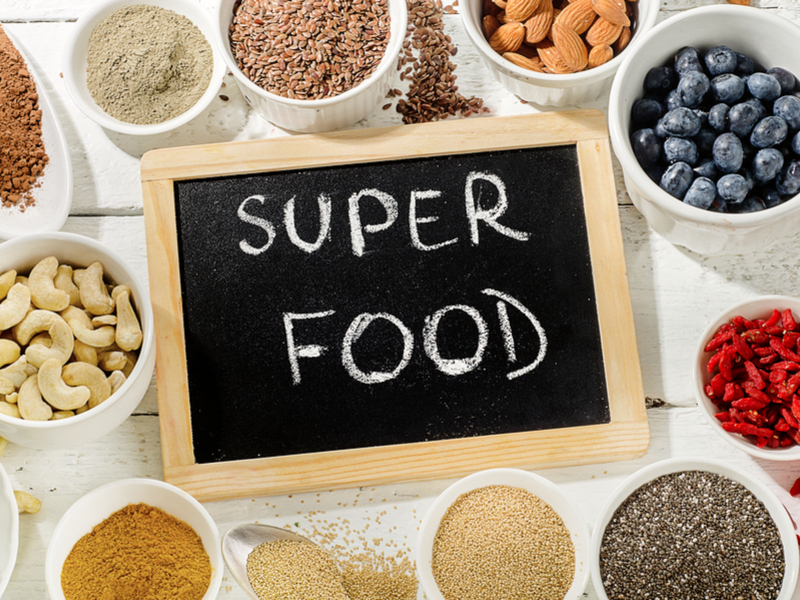
SUPERFOODS – NUTRIENT-DENSE FOODS

Superfoods – as opposed to vitamins or supplements-are foods that naturally concentrate important nutrients. Unlike dietary supplements, or vitamins taken in isolation, superfoods provide many nutrients that support each other and prevent the kind of imbalances that often occur when vitamins are taken singly. Do we need superfoods? In theory, if the diet is good, we should need nothing more to supplement our daily fare; but can even the most conscientious among us say that our diet is or has been perfect? With the depletion of our soils, the widespread use of additives and the prevalence of sugar, refined carbohydrates and rancid vegetable oils, which all of us have invariably ingested-if not in adulthood, at least in our youth-no one living in an industrial society today can say that his diet has been perfect. For those unwilling or unable to give up bad habits like caffeine, alcohol or smoking, a daily supply of superfoods is essential.

Even those who live in isolated primitive societies seek out special foods for optimum health-foods high in fat-soluble vitamins, such as fish eggs and organ meats, to ensure reproduction and strong healthy children; soaked grains for strength and stamina; and herbs to prevent certain diseases.

The following short list is not meant to be exhaustive but only to provide a few examples of superfoods that can, in general, be taken by everyone. Herbal products for specific ailments are best taken with the advice of a holistic health practitioner.

Azomite Mineral Powder: This powdery mineral supplement, containing montmorillonite clay and many other compounds, comes from an ancient seabed. It is an excellent source of silica, calcium, magnesium and the gamut of trace minerals. Clay also has detoxifying effects as the negatively charged clay particles attract positively charged pathogens and take them out of the body. Technically sold as an anti-caking compound and available only in 40-pound bags, Azomite is incredibly cheap when used as a mineral supplement, costing less than one dollar per pound delivered. Take a heaping teaspoon mixed with water daily as an insurance of adequate macro- and trace mineral ingestion in these days of soil depletion through intensive farming.

Acerola Tablets: A berry rich in ascorbic acid, acerola provides vitamin C with numerous cofactors, including bioflavonoids and rutin, to optimize the body’s uptake and use of ascorbic acid. Vitamin C, the most important dietary antioxidant, was popularized by Linus Pauling who recommends taking pure ascorbic acid in amounts up to 15 grams a day for a variety of ailments. But large quantities of vitamin C may be harmful to the kidneys and can lead to deficiencies in bioflavonoids. Only small quantities of natural vitamin C in the form of acerola tablets can provide the same protection as large amounts of pure ascorbic acid, without the side effects.

Bee Pollen: Bee pollen has been popularized by famous athletes who take it regularly for strength and endurance. It has been used successfully to treat a variety of ailments including allergies, asthma, menstrual irregularities, constipation, diarrhea, anemia, low energy, cancer, rheumatism, arthritis and toxic conditions. A Russian study of the inhabitants of the province of Georgia, where many live to 100 years and a few to age 150, revealed that many of these centenarians were beekeepers who often ate raw, unprocessed honey with all its “impurities,” that is, with the pollen. Bee pollen contains 22 amino acids including the eight essential ones, 27 minerals and the full gamut of vitamins, hormones and fatty acids. Most importantly, bee pollen contains more than 5,000 enzymes and coenzymes. It is the presence of enzymes, many of which have immediate detoxifying effects, that sometimes provokes allergic reactions in those taking bee pollen for the first time. If this happens, start with very small amounts and slowly build up to a tablespoon or so per day. Some brands are more easily tolerated than others. Avoid pollen that has been dried at temperatures higher than 130 degrees. Bee pollen can be taken in powder, capsule or tablet form-or in raw unprocessed honey mixed with cereal or spread on toast.

Blue-Green Algae, Spirulina and Chlorella: Blue-green micro algae, and its cousins spirulina and chlorella, grow on inland waters throughout the world-visible as greenish scum on still lakes and ponds. The Aztecs ate it as a staple food, dried and spread on tortillas. Africans of the Sahara region also use dried spirulina with grains and vegetables. These algae are high in protein, carotenoids and minerals. Beware, however, of claims that they can provide vitamin B12 in vegetarian diets. Nevertheless, the high mineral and protein content of the various algae make them an excellent superfood, a good supplement to the diet and a useful product for the treatment of a variety of health problems. Of the three main types of algae, spirulina is said to be the easiest to digest and absorb, because its cell walls are composed of mucopolysaccharides rather than indigestible cellulose. Chlorella needs special processing to improve digestibility of a tough outer cell wall but is valued for its ability to bind with heavy metals and carry them out of the body. Wild blue-green algae is said to have remarkable healing properties but can transform into an exceptionally toxic plant under certain conditions. Freeze drying is said to denature these toxins.

Bitters: Herbal extracts of bitter, mineral-rich herbs are a traditional tonic for stimulating the bile and increasing digestion and assimilation of fats. They often are the best remedy for calming a queasy stomach. One such product is made by Floradix. Another is Swedish Bitters originally formulated by Paracelsus and later “rediscovered” by a Swedish scientist. Bitters supply nutrients from bitter leaves that are often lacking in the Western diet. Many cultures, including the Chinese and Hindu, value bitter herbs for their cleansing,
strengthening and healing properties.

High Vitamin Butter: Deep yellow butter oil from cows eating rapidly growing green grass supplies not only vitamins A and D but also the X Factor, discovered by Weston Price. It can be used as a supplement to regular dietary butter, particularly during winter and early spring.

Cod Liver Oil: Once a standard supplement in traditional European societies, cod liver oil provides fat-soluble vitamins A and D, which Dr. Price found present in the diet of primitives in amounts ten times higher than the typical American diet of his day. Cod liver oil supplements are a must for women and their male partners, to be taken for several months before conception, and for women during pregnancy. Growing children will also benefit greatly from a small daily dose. Cod liver oil is also rich in eicosapentaenoic acid (EPA). The body makes this fatty acid from omega-3 linolenic acid as an important link in the chain of fatty acids that ultimately results in prostaglandins, localized tissue hormones. It is very important for the proper function of the brain and nervous system. Those individuals who have consumed large amounts of polyunsaturated
oils, especially hydro-genated oils, or who have impaired pancreatic function, such as diabetics, may not be able to produce EPA and will, therefore, lack important prostaglandins unless they consume oily fish or take a cod liver oil supplement. Buy cod liver oil in dark bottles and store in a cool, dark, dry place. Some studies indicate that cod liver oil is toxic in large amounts so don’t overdo-1 teaspoon per day is a good rule for adults, half that for children. It’s easy to take when stirred into a small amount of water. Dr. Price always gave cod liver oil with butter oil, extracted by centrifuge from good quality spring or fall butter. He found that cod liver oil on its own was relatively ineffective but combined with butter oil produced excellent results. Your diet should include both good quality, organic butter and cod liver oil.

Evening Primrose Oil, Borage Oil or Black Currant Oil: These oils contain a fatty acid called gamma-linolenic acid or GLA, which the body produces from omega-6 linoleic acid by the action of special enzymes. In many individuals the production or effectiveness of this enzyme is compromised, especially as they grow older. Malnutrition, consumption of hydrogenated oils and diabetes inhibit the conversion of omega-6 linoleic acid to GLA. GLA-rich oils have been used to treat cancer, premenstrual syndrome, breast disease, scleroderma, colitis, irritable bowel syndrome and cystic fibrosis. They have been shown to increase liver function and mental acuity.

Glandular and Organ Extracts: Dried tissue from the glands and organs of animals are being successfully used to treat the same gland or organ in human beings including thyroid, adrenal, pituitary, liver, thymus, spleen, kidney and eye tissue. Athletes and those suffering from chronic fatigue should consider taking dried liver if they do not like the taste of fresh liver. Look for products that have been freeze dried rather than processed at high temperatures. Glandulars are best taken under supervision of a qualified health practitioner.

Kelp: Like all sea vegetables, kelp provides minerals found in sea water, especially iodine and trace minerals that may be lacking in our depleted soils. For Westerners unaccustomed to including seaweeds in the diet, a small daily supplement of kelp in tablet or powdered form is a good idea, but don’t overdo-excess iodine may also cause thyroid problems.

Noni Juice: Juice of the Tahitian Noni fruit is revered by the Polynesians for its curative powers, possibly due to the presence of an alkaloid precursor called xeronine, which contributes to the effectiveness of proteins on the cellular level. Noni juice has been used successfully to treat blood sugar problems, injuries and pain, digestive disorders, depression and many other ailments. It should be taken on an empty stomach.

Wheat Germ Oil: Expeller-expressed wheat germ oil is an excellent source of natural vitamin E, which is our best natural protection for the cell membrane. The Shute brothers of Canada demonstrated that vitamin E supplements are an effective protection against heart disease. In their studies they used wheat germ oil, not synthetic vitamin E preparations.

Yeast: Dried nutritional yeast is an excellent natural source of B complex vitamins (except for B12) plus a variety of minerals. Look for yeast that has been processed at low temperatures. Yeast does not contribute to Candida as has been claimed-Candida feeds on refined carbohydrates, not yeast. The late eminent physician Dr. Henry Bieler treated many cases of chronic fatigue with yeast supplements.

From: Nourishing Traditions: The Cookbook that Challenges Politically Correct Nutrition and the Diet Dictocrats by Sally Fallon with Mary G. Enig, PhD.
Copyright © 1999. All Rights Reserved.

To order contact www.NutritionalResources.com

Taken from the Weston A. Price web site http://www.westonaprice.org

Posted on

RESTORING MITOCHONDRIAL FUNCTION AND BIO-ENERGETICS

DNA strands image

Restoring Mitochondrial Function and Bio-Energetics

by Ward Dean, MD

In 1956 Denham Harman, MD, introduced his groundbreaking paper on the Free Radical Theory of Aging. Over the years a number of scientists have elaborated on Dr. Harman’s original work, striving to establish a direct link between free radical damage and human aging, and age-related diseases. Several of these mitochondrial-related theories of aging have been summarized in previous issues of Vitamin Research News (Vol. 16, No.10, and Vol. 16, No.11).

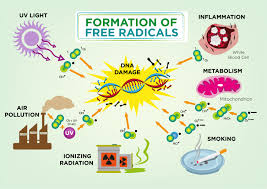
Mitochondrial damage is one of the main causes of the age-related decline of cellular energy production (“bioenergetic decline”). In addition to being the principal source of energy for all cells, mitochondria are also the primary site of free radical production. Free radicals are highly reactive molecules that damage cellular structures such as membranes, proteins, and both nuclear and mitochondrial DNA. Due to their proximity to the inner mitochondrial respiratory chain -which is also a primary source of free radical production-and their limited capacity for self-protection and repair, mitochondrial DNA are particularly susceptible to free radical damage. Mitochondrial dysfunction is now well recognized as a cause of a number of diseases as well as aging itself.

As evidence implicating mitochondrial dysfunction in the aging process continues to accumulate, the question becomes: What-if anything-can we do about it?

Improving Mitochondrial Function

Alzheimer’s disease
Parkinson’s disease
Essential hypertension
Cardiomyopathy
Congenital muscular dystrophy
Immune (HyperThyroid)
Fatigue & Exercise intolerance
Huntington’s chorea
Longevity (Aging)
MELASL (Mitochondrial Encephalomopathy, Lactic Acidosis, and Stroke-Like episodes)
Deafness
Diabetes
Multiple symmetric lipomatosis
Myalgias
Myoglobinuria
Myopathy syndromes
Neoplasms (Cancer)
Optic atrophy
Rhabdomyolysis: mtDNA
Sudden infant death (SIDS)
Wilson’s disease

Table 1. Diseases due to mitochondrial dysfunction.

Fortunately, a growing body of research suggests that a number of interventionist strategies may help to reduce mitochondrial damage, enhance mitochondrial repair, and restore mitochondrial energy-producing processes to more youthful levels. These strategies include lifestyle changes, such as diet and exercise, as well as supplementation with nutritional and pharmaceutical substances that may minimize age-related mitochondrial changes and enhance mitochondrial function.

CoQ10
Coenzyme Q10 is probably the most widely used cofactor for treating mitochondrial-related diseases. CoQ10 functions as the electron carrier in the inner mitochondrial membrane, transferring electrons from complexes I and II to complex III. In addition to increasing biosynthesis of ATP (the universal energy molecule), and acting as a potent free radical scavenger, CoQ10 also reduces lactic acid levels, improves muscle strength, and decreases muscle fatigability. (1)

Idebenone
Idebenone is a CoQ10 analog that, while sharing some of CoQ10’s properties, offers unique mitochondrial-protective benefits of its own. Idebenone is a powerful mitochondrial free radical quencher that reduces the ever-increasing damage to mitochondrial DNA that occurs with age. Idebenone has also been shown to be more effective than CoQ10 in the electron transport chain. Studies show that when cellular oxygen levels are low-a condition that may occur periodically over a lifetime- idebenone is actually superior to CoQ10 for preventing free radical damage while helping cells maintain relatively normal ATP levels-a property that is especially beneficial to brain and heart cells that may be rapidly damaged during low ATP production due to poor tissue oxygenation. (2)

Acetyl-L-Carnitine
Mitochondrial changes that occur with age include alteration of mitochondrial membrane potential (mitochondrial membrane potential of old rats is known to decline by about 40 percent compared with young animals); (3) a reduction in membrane levels of cardiolipin (an important phospholipid that serves as a cofactor for a number of critical mitochondrial transport proteins); a reduction in Coenzyme Q10 levels (an important factor in the electron transport chain); and a decrease in the concentration of carnitine (an important factor in the beta-oxidation of fatty acids). (4)

Dr. Tory Hagen, in the Molecular and Cell Biology Laboratory of Dr. Bruce Ames at the University of California, proposed that dietary supplementation might reverse some of these age-related mitochondrial changes. Dr. Hagen and his associates demonstrated that ALC restores mitochondrial membrane potential and cardiolipin levels of old mice to that of young animals, facilitates fatty acid transport into mitochondria, and increases overall cellular respiration. The researchers also noted that ALC enhances cognitive performance, increased production of neurotransmitters, and restores levels of certain hormone receptors to more youthful levels. They concluded that ALC reverses many aspects of age-related cellular dysfunction, principally through maintenance of mitochondrial function. (5)

N-Acetyl Cysteine
As previously noted, a major cause of mitochondrial dysfunction is due to changes that take place in the respiratory chain where oxidative phosphorylation occurs (explained in detail in Vitamin Research News, Vol. 16 No. 11). A team of researchers in the Department of Bio-chemistry and Biophysics at the University of Kalyani in India studied the effects of N-Acetyl Cysteine (NAC) on key elements of the respiratory chain. (6) They administered NAC to mature (40 week-old) rats. After 20 weeks of treatment they found that the activities of Complex I, IV and V were significantly higher in the treated rats compared to the controls. NAC also helped to maintain levels of the important mitochondrial antioxidant, glutathione, as well as prevented cell death in in vitro studies. (7) In other in vitro studies, NAC protected cells from “programmed cell death” (PCD)-also known as apoptosis-by promoting oxidative phosphorylation, mitochondrial membrane integrity, and mitochondrial homeostasis. (8)

(R) Alpha Lipoic Acid
Dr. David Horrobin’s group at Trinity College, Dublin, Ireland, found that a diet supplemented with alpha-lipoic acid reversed a number of age-related changes in the brains of rats. (9) These changes included: (1) increased activity of the anti-oxidant enzymes, superoxide dismutase (SOD), catalase, and glutathione peroxidase (GSH px); and (2) decreased production of free radicals.

Dr. Tory Hagen and associates at the University of California evaluated the mitochondrial-resuscitating properties of an even more effective form of lipoic acid-(R)-alpha lipoic acid. They gave (R)-alpha lipoic acid to young and old rats for two weeks, and found that mitochondrial oxygen consumption of the old rats treated with (R)-alpha lipoic acid was completely restored to the level of young, unsupplemented rats. The researchers also found that (R)-alpha lipoic acid, like ALC, increased mitochondrial membrane potential of old rats by up to 50 percent, compared to unsupplemented old rats.

In addition, they found that animals treated with (R)-alpha lipoic acid demonstrated twice the activity of the untreated old animals-again, demonstrating a partial reversal of age-associated changes.

(R)-alpha lipoic acid supplementation also increased mitochondrial glutathione and vitamin C in old animals to levels higher than those of young animals, indicating (R)-alpha lipoic acid’s ability to reverse the age-associated decline in low molecular weight antioxidants, therefore reducing the risk for oxidative damage that occurs with aging. (10)

Hagen and his colleagues concluded that (R)-alpha lipoic acid supplementation improves mitochondrial function in old rats, alleviates some of the age-related loss of metabolic activity, increases ATP synthesis and aortic blood flow, and increases glucose uptake. Furthermore, (R)-alpha lipoic acid appears to be about ten times more potent than the more commonly available form of lipoic acid. The researchers further concluded that (R)-alpha lipoic acid supplementation may be a safe and effective means to improve general metabolic activity and increase antioxidant status.

Omega Three Fatty Acids
Mitochondrial calcium levels increase and mitochondrial membrane cardiolipin content decreases with aging. Scientists at the National Institute on Aging found that omega-3 fatty acids from fish oils are cardio-protective in aging animals, in that they minimized the increase in mitochondrial calcium content, prevented the decrease in cardiolipin content, and increased levels of phosphatidylcholine. (11)

Dr. Salvatore Pepe of the Alfred Hospital Cardiac Surgical Research Unit in Melbourne, Australia, reported similar findings. Dr. Pepe demonstrated that an omega-3 rich diet directly increases mitochondrial membrane cardiolipin concentrations, increases the ratio of mitochondrial membrane omega-3 to omega-6, and increases tolerance of the heart to ischemia and reperfusion. (12)

Niacinamide (Vitamin B3)
Drs. Christopher Driver and Angela Georgiou of the National Aging Research Institute in Australia tested the efficacy of niacinamide to re-energize the bioenergy system of old fruit flies. After administering niacinamide (250 mcg/ml of water) to the flies, they determined that niacinamide ameliorated age-related changes in bioenergy and extended the lifespan of the flies by 15 percent. (13)

Thiamine (Vitamin B1)
Large doses of thiamine (vitamin B1) have been used to stimulate NADH, which then augments oxidative phosphorylation at Complex I. Doses of 300 mg/day in patients with chronic external ophthalmoplegia (CPEO), resulted in normalization of blood levels of lactate and pyruvate. (14)

Riboflavin (Vitamin B2)
Riboflavin (vitamin B2) functions as a cofactor in Complex I and II. Riboflavin in a dose of 100 mg/day improved exercise capacity in a patient with a mitochondrial myopathy due to a Complex I dysfunction. (15)

Exercise
Elderly subjects tend to use more glucose and less fat during exercise than young subjects. However, endurance training increases muscle respiratory capacity, decreases glucose production and oxidation, and increases fat oxidation, thereby correcting or compensating to some degree the age-related alterations in substrate oxidation and energy production. (16)

One argument that is propounded by some scientists as an excuse for their sedentary lifestyles is the fact that exercise increases the production of free radicals. However, scientists at the Guang-zhou Institute of Physical Education in Canton, China, showed that endurance training actually increases the production of mitochondrial manganese superoxide dismutase (MnSOD) and glutathione peroxidase (GSH px), resulting in an overall increase in antioxidant activity and decrease in lipid peroxidation. (16)

Ginkgo Biloba
Ginkgo biloba extract has been found by scientists in Spain to protect mitochondrial DNA (MtDNA) against oxidative damage and oxidation of mitochondrial glutathione. (17) The Spanish researchers found that Ginkgo biloba extract also prevents age-related morphological changes in mitochondria of the brain and liver. They concluded that “mitochondrial aging may be prevented by antioxidants,” and that “certain antioxidants are also able to prevent the impairment in physiological performance, particularly motor coordination, that occurs with aging.”

Succinate
Succinate is a tricarboxylic acid (Krebs’) cycle intermediate that donates electrons directly to Complex II. Succinates have been widely used for their alleged ability to enhance athletic performance-especially in Russia. (18) Dilman believed succinic acid was a non-specific cell receptor sensitizer. Several studies reported improvement in clinical conditions using six grams per day of sodium succinate. One patient with respiratory failure and a known mitochondrial defect of Complex I, IV, and V completely resolved on a regimen of 300 mg CoQ10 per day, and six grams of sodium succinate. (19) Another patient with Mitochondrial encephalomopathy, lactic acidosis, and stroke-like episodes (MELAS) improved dramatically when treated with six grams of sodium succinate alone. (20) I think the use of succinates is even more effective when a balance of several salts is used-especially combinations of magnesium and potassium.

Conclusion
Mitochondrial dysfunction has been identified as one of the principal causes of age-related bioenergetic decline. Although there is no single “silver bullet” or even combination of substances that will unfailingly resuscitate all aspects of aging mitochondria, anti-aging physicians and scientists have discovered a number of nutrients and prescription substances that alleviate or completely restore many aspects of mitochondrial failure. Combinations of these nutrients, acting on multiple targets, may normalize mitochondrial function, increase cellular and systemic energy production, alleviate mitochondrial-related disease, and delay age-related decline in many organs and systems of the body.

References

1. Cohen, B., and Gold, D. Mitochondrial cytopathy in adults: What we know so far. Cleveland Clinic J Medicine, 2001, 68: 7, 625-642.
2. James South, Idebenone: The Ultimate Anti-Aging Supplement? Vitamin Research News, April 2001.
3. Sugrue, M., and Tatton, W. Mitochondrial membrane potential in aging cells. Biol Signals Recept, 2001, 10: 3-4, 176-188.
4. Opalka, J., Gellerich, F., Zierz, S. Age and sex dependency of carnitine concentrations in human serum and skeletal muscle, Clinical Chemistry, 2001, 47: 12, 2150-2153.
5. Hagen, T., Wehr, C., and Ames, B. Mitochondrial decay in aging-Reversal through supplementation of Acetyl-L-Carnitine and N-tert-Butyl-alpha-phenyl-nitrone, Annals NY Acad Sci, Vol 854, Towards Prolongation of the Healthy Life Span-Practical Approaches to Intervention, 1998, 214-223.
6. Chakraborti, S., Batabyal, S., Ghosh, S., Chakraborti, T. Protective role of N-acetylcysteine against the age-related decline in oxidative phosphorylation in pulmonary smooth muscle mitochondria. Med Sci Res, 1999, 27: (1), 39-40.
7. Banaclocha, M. Therapeutic potential of N-acetylcysteine in age-related mitochondrial neurodegenerative diseases. Medical Hypotheses, 2001, 56: 4, 472-477.
8. Cossarizza, A., Franceschi, C., Monti, D., et al, Protective effect of N-Acetylcysteine in tumor necrosis factor-alpha-induced apoptiosis in U937 cells: The role of mitochondria. Experimental Cell Research, 1995, 220: 232-240.
9. Martin, D., Towey, M., Horrobin, D., and Lynch, M. A diet enriched in alpha lipoic acid reverses the age-related compromise in antioxidant defenses in rat cortical tissue. Nutr Neurosci, 2000, 3: 3, 193-206.
10. Hagen, T., Ingersoll, R., Lykkesfeldt, J., et al, R-alpha lipoic acid-supplemented old rats have improved mitochondrial function, decreased oxidative damage, and increased metabolic rate. FASEB J., 1999, 13: 411-418.
11. Hansford, R., Naotaka, T., and Pepe, S. Mitochondria in heart ischemia and aging. Biochem Soc Symp, 1999, 66: 141-147.
12. Pepe, S., Mitochondrial Function in ischemia and reperfusion of the ageing heart, Clin Exp Pharmacol Physiol, 2000, 27 (9), 745-750.
13. Driver, C., and Georgiou, A. How to re-energize old mitochondria without shooting yourself in the foot. Biogerontology, 2002, 3: 103-106.
14. Lou, H.C. Correction of increased plasma pyruvate and lactate levels using large doses of thiamine in patients with Kearns-Sayre Syndrome. Arch Neurol, 1981, 38, 469.
15. Arts, W., Scholte, H. Bogaard, J., et al, NADH-CoQ reductase deficient myopathy: Successful treatment with riboflavin. Lancet, 1983, 2: 581-82.
16. Mittendorfer, B., and Klein, S. Effect of aging on glucose and lipid metabolism during endurance exercise. Int J Sport Nutr Ex Metab, 2001, 11 (Suppl), S86-S91.
17. Lu, J., Chen, C., Xu, H., et al. Effects of prolonged physical training on antioxidation in aged mice myocardial mitochondria. Tianjin Tiyu Xueyuan Xuebao, 1999, 14 (2), 23-25.
18. Sastre, J., Pallardo, F., De la Asuncion, J., and Vina, J. Mitochondria, oxidative stress and aging. Free Radical Res, 2000, 32: (3), 189-198.
19. Shoffner, J., Lott, Voljavec, A., et al, Spontaneous Kearns-Sayre/chronic external ophthalmoplegia plus syndrome associated with a mitochondrial DNA deletion: a slip-replication model and metabolic therapy. Proc Natl Acad Sci USA, 1989, 86: 7952-56.
20. Kobayashi, M., Morishita, H., Okajima, K., et al. Successful treatment with succinate supplement in a patient with a deficiency of Complex I (NADH-CoQ reductase). Int Cong Inborn Errors Metab, 4th, Sendai, Japan, 1987, p. 148.

The information in this article is not intended to provide personal medical advice, which should be obtained from a medical professional, and has not been approved by the U.S. FDA.

Copyright 2002 by Vitamin Research Products, Inc. (VRP) The use of information found in Vitamin Research News for commercial purposes is prohibited without written permission from VRP.

Posted on

IS MILK GOOD FOR YOU?

As a nutritionist I am often asked about drinking milk. Most people assume that they have to drink milk or they will suffer serious illness. This could not be further from the truth.

If I were to offer you a cocktail drink of pituitary hormones, steroid hormones, thyroid and parathyroid hormones, gastrointestinal peptides, growth factors, growth inhibitors, fat, cholesterol, allergenic proteins, blood, pus, antibiotics, bacteria and viruses, would you drink this? Probably not, as you know that these constituents are unhealthy for your body. Well, believe it or not, this is what you get every time you drink cow’s milk from the supermarket, but people still drink milk due to ignorance. Here are a few facts that may provide some food for thought!

ENTER GENETIC ENGINEERING
In 1993, the US Food and Drug Administration (FDA) made things even worse by giving permission for Monsanto Corporation to market rBGH (recombinant bovine growth hormone), a genetically engineered hormone that is injected into dairy cows to increase their production of milk. We’re talking about a substance that is finally being linked to major breast, colon and prostate problems, and one that no other country in the world will allow within its borders, though Monsanto has sought approval for Australia, New Zealand, the European Union and Canada.

In a recent Canadian government report, it was said that 20% to 30% of the rats fed rBGH in high doses developed thyroid cysts as well as increased infiltration into the prostate gland. If this can happen to rodents in 90 days of use, then what can happen to humans who have been drinking milk daily for years, including young children? Tens of thousands of American cows are injected with rBGH every week, and the entire American population receives this through milk, cream, cheese, yoghurt, frozen yoghurt, buttermilk, cream cheese, ice cream, iced milk, and baked goods.

POSILAC AND DISEASE
Injecting rBGH, which is also called POSILAC, has been associated with increases in cystic ovaries, disorders of the uterus, digestive problems, enlarged hocks and lesions of the knee, mastitis (puss clusters in the breasts) which require antibiotics for treatment.

POSILAC increases milk production by releasing a chemical called IGF-1 (insulin-like growth factor #1), which McGill University and the Harvard School of Public Health have recently found is a strong predictor of prostate cancer risk. Published in Science, and funded, in part, by the Canadian Breast Cancer Research Initiative, these findings have shown:

1. A four-fold increased risk of developing prostate cancer among men who have high levels of IGF-1.

In fact, Dr. Michael Pollack, professor of medicine and oncology at McGill University says, “Until now, researchers interested in prostate cancer risk factors have focused on male hormones such as testosterone, but these (IGF-1) results open up a whole new direction of research.”

The FDA also approved the pasteurising of milk, in order to help kill the bacteria Mycobacterium paratuberculosis – which it does not! Judy Stabel, Ph.D., a researcher recently discovered that in order to kill this bug you have to heat the milk for a minimum of 15 minutes at 72 degrees centigrade, not the 15 second “flash” heating that milk presently receives as part of the pasteurising process. Interestingly, the British medical journal, LANCET, recently revealed a direct link between this bacteria and Crohn’s disease in humans. Cows get a disease called Johne’s (pronounced: yo-nees) and pass on this bacteria to humans in milk and dairy products.

THE PROGESTERONE FACTOR
Another naturally occurring substance in many cow milks is the hormone progesterone. This appears in the milk of pregnant cows. As pointed out by Dr. Jerome Fisher, “About 80% of cows that are giving milk are pregnant and are throwing off hormones continuously.”

Progesterone breaks down into androgens, which have been implicated as a factor in the development of acne. Adolescence is a time when milk consumption tends to be high, with many teenagers priding themselves on drinking 3-4 quarts daily. Dr. Jerome has found that acne improved as soon as the teenagers stopped drinking milk.

There is much more research that has shown that milk is not the best nutrient for humans – it may give us high levels of calcium, but there are also many other foods that are high in calcium, so it is not necessary to drink milk as well as the cocktail of other nasty bugs and toxins.

God bless!

Dr. George J. Georgiou, Ph.D.
Clinical Nutritionist – Master Herbalist – Naturopath – Homeopath – Iridologist – Clinical Sexologist – Clinical Psychologist
webmaster@worldwidehealthcenter.net

The Food and Drug Administration have not evaluated these statements. This information and products are not intended to diagnose, treat, cure or prevent any disease.

Posted on

INTRODUCTION TO GINKGO BILOBA – HOW DOES IT WORK?

An abundance of research has been undertaken on this ancient plant, revealing a wide range of profound and important therapeutic effects. They can be grouped into cardiovascular, neurological and metabolic effects.

In Germany alone, ginkgo biloba prescriptions (it is prescribed by doctors in Germany) retailed at $280 million in U. S. dollars, according to a report of 1994. One German manufacturer, Schwabe, sold almost $2 billion U. S. dollars worth of Ginkgo biloba extract worldwide in 1993.

What makes ginkgo so attractive is its ability to increase cerebral blood flow, as well as blood flow to other areas in the body. Gingko biloba extract (GBE) has been extensively studied, and it has a number of positive effects on dementia, both due to poor circulation and due to Alzheimer’s disease. It is known to contain unique types of molecules called ginkgolides. These molecules block a substance in the body called platelet activating factor (PAF). PAF is a chemical messenger which is involved in inflammation, constriction of blood vessels, increased clotting in the circulation, and (probably) loss of cerebral function in dementia. Also, like many other plant substances, GBE is a potent antioxidant, and oxidation damage contributes to loss of brain function in the elderly.

There are over 50 double-blind studies showing the effectiveness of GBE in cerebral insufficiency, and several that show positive effects in (early) Alzheimer’s Disease. GBE seems to improve mental function at younger ages as well, shown by a number of clinical studies of memory and alertness. It has been tried succussfully against other medications for cerebral function, and an 1992 article in Lancet (Kleijnen and Knipschild) stated unequivocally that the research supporting the use of GBE is on par with the research supporting most accepted medications.

The anti-inflammatory and antioxidant effects of GBE also make it a possible choice in asthma, allergy, and eczema, and it has been studied in the retinopathy of diabetes, in cardiac ischemia, and in peripheral vascular problems. Two studies have shown successful treatment of impotence, even in men unresponsive to papaverine injections. The dose of almost all studies has been standardized, so searching for the right GBE involves looking at the label. It should say 24% ginkgo flavon glycosides, and is usually given 40 mg three times a day. The most recent Alzheimer’s study used a double dosage, which may be necessary in this condition. Treatment of conditions with GBE should continue for three to six months, before full effects can be assessed. There are few side effects with ginkgo biloba, but headaches, dizziness and stomach upset can occur, especially at the higher dose.

HISTORICAL OR TRADITIONAL USE
Medicinal use of ginkgo can be traced back almost 5,000 years in Chinese herbal medicine. The nuts of the tree were most commonly recommended and used to treat respiratory tract ailments. A tea of the leaves was occasionally used for elderly persons experiencing memory loss.

ACTIVE CONSTITUENTS
The medical benefits of Ginkgo biloba extract (GBE) rely primarily on two groups of active components: the ginkgo flavone glycosides and the terpene lactones. The 24% ginkgo flavone glycoside designation on GIBE labels indicates the carefully measured balance of bioflavonoids. These bioflavonoids are primarily responsible for GBE’s antioxidant activity and ability to inhibit platelet aggregation (stickiness). These two actions may help GIBE prevent circulatory diseases such as atherosclerosis and support the brain and central nervous system.

The unique terpene lactone components found in GBE, known as ginkgolides and bilobalide typically make up 6% of the extract. They are associated with increased circulation to the brain and other parts of the body as well as exert a protective action on nerve cells . Ginkgolides may improve circulation and inhibit platelet activating factor (PAF). Bilobalide protects the cells of the nervous system. Recent animal studies indicate that bilobalide may help regenerate damaged nerve cells.

THERAPEUTIC USES
Ginkgo has wide application for treating various forms of vascular and neurological disease. It has been recommended for:

* vertigo, headache, tinnitus, inner ear disturbances including partial deafness
* impairment of memory and ability to concentrate
* diminished intellectual capacity and alertness as a result of insufficient circulation
* anxiety, depression, neurological disorders : complications of stroke and skull injuries
* diminished sight and hearing ability due to vascular insufficiency
* intermittent claudication as a result of arterial obstruction
* a sensitivity to cold and pallor in the toes due to peripheral circulatory insufficiency
* Raynaud’s disease: cerebral vascular and nutritional insufficiency
* hormonal and neural based disorders as well as angiopathic trophic disorders
* arterial circulatory disturbances due to aging, diabetes and nicotine abuse
* sclerosis of cerebral arteries with and without mental manifestations
* arteriosclerotic angiopathy of lower limbs
* diabetic tissue damage with danger of gangrene: chronic arterial obliteration
* circulatory disorders of the skin, as well as ulcerations caused by ischaemia.

CIRCULATORY ACTIONS
GBE increases circulation to both the brain and extremities of the body. In addition to inhibiting platelet stickiness, GBE regulates the tone and elasticity of blood vessels. In other words, it makes circulation more efficient. This improvement in circulation efficiency extends to both large vessels (arteries) and smaller vessels (capillaries) in the circulatory system.

COGNITIVE FUNCTIONS
Recently, a ginkgo extract was found to increase alpha wave and decrease theta wave activity following oral intakes of 120 or 240 mg in healthy volunteers . These brain wave changes indicate that Ginkgo extract is capable of improving cognitive function as demonstrated in increased mental sharpness, concentration, and memory. Three double blind studies have now shown that GBE is helpful for persons in early stages of Alzheimer’s disease, as well as the closely related multi-infarct dementia. Patients with other types of dementia also respond to GBE, including, as mentioned above, problems due to poor blood flow to the brain.

Antioxidant properties GIBE has antioxidant actions in the brain, retina of the eye, and the cardiovascular system One double blind study found that GIBE could help people with macular degeneration, an oxidation-related disorder causing decreased or lost vision. Diabetic retinopathy is also improved by GBE, according to a double blind study. Its antioxidant activity in the brain and central nervous system may help prevent age-related declines in brain function. GBE’s antioxidant activity in the brain is of particular interest. The brain and central nervous system are particularly susceptible to free radical attack. Free radical damage in the brain is widely accepted as being a contributing factor in many disorders associated with aging, including Alzheimer’s disease

Antidepressant action One double blind study in Germany found that elderly depressed people with mild dementia (who were not responding to antidepressant medications) responded well to GBE supplementation.

Nerve protection and PAF inhibition One of the primary protective actions of the ginkgolides is their ability to inhibit a substance known as platelet-activating factor (PAF). PAF is a mediator released from cells that causes platelets to aggregate (clump together). High amounts of PAF are associated with damage to nerve cells, poor blood flow to the central nervous system, inflammatory conditions, and bronchial constriction. Much like free radicals, higher PAF levels are also associated with aging.” Ginkgolides and bilobalide protect nerve cells in the central nervous system from damage during periods of ischemia (lack of oxygen to tissues in the body). This action may be supportive for persons who have suffered a stroke.

Tinnitus and balance Ginkgo may improve tinnitus (ringing in the ears) and balance problems related to the inner ear, an important part of maintaining balance. Double blind studies have confirmed the benefit of GIBE for people with tinnitus or vertigo.

HOW MUCH IS USUALLY TAKEN?
GBE, standardized to contain 6% terpene lactones and 24% flavone glycosides, can be taken in the amount of 120-160 mg per day. Relatively high (240 mg per day) amounts have been used in reports studying people with age-associated memory loss, mild cognitive impairment, mild to moderate Alzheimer’s disease, and resistant depression.

GBE may need to be taken for six to eight weeks before desired actions are noticed. Although non-standardized leaf and tinctures are available, there is no well-established dosage for these forms.

ARE THERE ANY SIDE-EFFECTS OR INTERACTIONS?
Ginkgo biloba extract is essentially devoid of any serious side effects. Mild headaches lasting for a day or two and mild upset stomach have been reported in a very small percentage of people using GBE. GIBE is not contraindicated for pregnant and lactating women.

Circulatory conditions in the elderly can involve serious disease. Individuals should seek proper medical care and accurate medical diagnosis prior to self-prescribing GBE. Certain medications interact in a positive and/or negative way with Ginkgo biloba.

WHAT IS A GOOD STARTING DOSE?
Most studies have shown that a good starting dose for most of the conditions discussed above is about 100 mg – an extract containing 6% terpene lactones and 24% flavone glycosides. This can either be taken as one 50mg tabs twice daily, or a single 100mg tab in the morning. Higher doses can be taken under the direction of your health care professional.

The Food and Drug Administration have not evaluated these statements. This information and products are not intended to diagnose, treat, cure or prevent any disease. For all serious health problems, consult a qualified health professional.

by Dr. George J. Georgiou, Ph.D.,N.D.,D.Sc (A.M)
Natural Medicine Practitioner
drgeorge@avacom.net
www.naturaltherapycenter.com

Posted on

INTRODUCTION TO COENZYME Q10 – THE HEART ENERGIZER!

DEFINITION
Coenzyme Q10 (CoQ 10) or ubiquinone is essentially a vitamin or vitamin-like substance. Disagreements on nomenclature notwithstanding, vitamins are defined as organic compounds essential in minute amounts for normal body function acting as coenzymes or precursors to coenzymes. They are present naturally in foods and sometimes are also synthesized in the body.

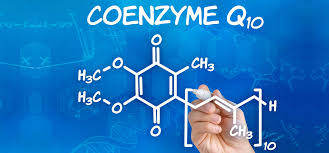
CoQ10 likewise is found in small amounts in a wide variety of foods and is synthesized in all tissues. The biosynthesis of CoQ10 from the amino acid tyrosine is a multistage process requiring at least eight vitamins and several trace elements. Coenzymes are cofactors upon which the comparatively large and complex enzymes absolutely depend for their function. Coenzyme Q10 is the coenzyme for at least three mitochondrial enzymes (complexes I, II and III) as well as enzymes in other parts of the cell. Mitochondrial enzymes of the oxidative phosphorylation pathway are essential for the production of the high-energy phosphate, adenosine triphosphate (ATP), upon which all cellular functions depend. The electron and proton transfer functions of the quinone ring are of fundamental importance to all life forms; ubiquinone in the mitochondria of animals, plastoquinone in the chloroplast of plants, and menaquinone in bacteria. The term “bioenergetics” has been used to describe the field of biochemistry looking specifically at cellular energy production. In the related field of free radical chemistry, CoQ10 has been studied in its reduced form as a potent antioxidant.

COENZYME Q10 DEFICIENCY
Normal blood and tissue levels of CoQ10 have been well established by numerous investigators around the world. Significantly decreased levels of CoQ10 have been noted in a wide variety of diseases in both animal and human studies.

CoQ10 deficiency may be caused by insufficient dietary CoQ10, impairment in CoQ10 biosynthesis, excessive utilization of CoQ10 by the body, or any combination of the three. Decreased dietary intake is presumed in chronic malnutrition and cachexia.

HMG-CoA reductase inhibitors used to treat elevated blood cholesterol levels by blocking cholesterol biosynthesis also block CoQ10 biosynthesis. The resulting lowering of blood CoQ10 level is due to the partially shared biosynthetic pathway of CoQ10 and cholesterol. In patients with heart failure this is more than a laboratory observation. It has a significant harmful effect which can be negated by oral CoQ10 supplementation.

Increased body consumption of CoQ10 is the presumed cause of low blood CoQ10 levels seen in excessive exertion, hypermetabolism, and acute shock states. It is likely that all three mechanisms (insufficient dietary CoQ10, impaired CoQ10 biosynthesis, and excessive utilization of CoQ10) are operable to varying degrees in most cases of observed CoQ10 deficiency.

TREATMENT OF HEART DISEASE WITH COENZYME Q10
CoQ10 is known to be highly concentrated in heart muscle cells due to the high energy requirements of this cell type. For the past 14 years, the great bulk of clinical work with CoQ10 has focused on heart disease. Specifically, congestive heart failure (from a wide variety of causes) has been strongly correlated with significantly low blood and tissue levels of CoQ10. The severity of heart failure correlates with the severity of CoQ10 deficiency. This CoQ10 deficiency may well be a primary etiologic factor in some types of heart muscle dysfunction while in others it may be a secondary phenomenon. Whether primary, secondary or both, this deficiency of CoQ10 appears to be a major treatable factor in the otherwise inexorable progression of heart failure.

Pioneering trials of CoQ10 in heart failure involved primarily patients with dilated weak heart muscle of unknown cause (idiopathic dilated cardiomyopathy). CoQ10 was added to standard treatments for heart failure such as fluid pills (diuretics), digitalis preparations (Lanoxin), and ACE inhibitors. Several trials involved the comparison between supplemental CoQ10 and placebo on heart function as measured by echocardiography. CoQ10 was given orally in divided doses as a dry tablet chewed with a fat containing food or an oil based gel cap swallowed at mealtime. Heart function, as indicated by the fraction of blood pumped out of the heart with each beat (the ejection fraction), showed a gradual and sustained improvement in tempo with a gradual and sustained improvement in patients’ symptoms of fatigue, dyspnea, chest pain, and palpitations. The degree of improvement was occasionally dramatic with some patients developing a normal heart size and function on CoQ10 alone. Most of these dramatic cases were patients who began CoQ10 shortly after the onset of congestive heart failure. Patients with more established disease frequently showed clear improvement but not a return to normal heart size and function.

Internationally, there have been at least nine placebo controlled studies on the treatment of heart disease with CoQ10: two in Japan, two in the United States, two in Italy, two in Germany, and one in Sweden. All nine of these studies have confirmed the effectiveness of CoQ10 as well as its remarkable safety. There have now been eight international symposia on the biomedical and clinical aspects of CoQ10 (from 1976 through 1993). These eight symposia comprised over 300 papers presented by approximately 200 different physicians and scientists from 18 different countries. The majority of these scientific papers were Japanese (34%), with American (26%), Italian (20%) and the remaining 20% from Sweden, Denmark, Germany, United Kingdom, Belgium, Australia, Austria, France, India, Korea, Netherlands, Poland, Switzerland, USSR, and Finland. The majority of the clinical studies concerned the treatment of heart disease and were remarkably consistent in their conclusions: that treatment with CoQ10 significantly improved heart muscle function while producing no adverse effects or drug interactions.

The efficacy and safety of CoQ10 in the treatment of congestive heart failure, whether related to primary cardiomyopathies or secondary forms of heart failure, appears to be well established. The largest study to date is the Italian multicenter trial, by Baggio et al., involving 2664 patients with heart failure.

The most recent work in heart failure examined the effect of CoQ10 on diastolic dysfunction, one of the earliest identifiable signs of myocardial failure that is often found in mitral valve prolapse, hypertensive heart disease and certain fatigue syndromes. Diastolic dysfunction might be considered the common denominator and a basic cause of symptoms in these three diagnostic groups of disease. Diastole is the filling phase of the cardiac cycle. Diastolic function has a larger cellular energy requirement than the systolic contraction and, therefore, the process of diastolic relaxation is more highly energy dependent and thus more highly dependent on CoQ10. In simplier terms, it takes more energy to fill the heart than to empty it. Diastolic dysfunction is a stiffening’ of the heart muscle which interferes with the heart’s ability to function as an effective pump. It is seen early in the course of many common cardiac disorders and is demonstrable by echocardiography. This stiffening returns towards normal with supplemental CoQ10 in tempo with clinical improvement.

HYPERTENSION
High blood pressure is a major factor in the development of coronary heart disease and stroke and so reducing it to normal levels is the prime concern in high risk cardiac patients. There are numerous drugs to counteract elevated cardiac blood pressure but like all powerful medicines, they can produce unwanted side-effects. Coenzyme Q10 has now been found to complement the action of these drugs in such a way that their dosage can be reduced without compromising their benefits. At the same time, adverse reactions are also reduced. Indeed, in some clinical trials, coenzyme Q10 alone has had a desirable effect on high blood pressure After only two months’ therapy, the coenzyme reduced systolic blood pressures from 141 to 126mm mercury and diastolic blood pressures from 97 to 90 mm mercury. No side-effects of coenzyme Q10 therapy were encountered.

It is important to note that in all of the above clinical trials, CoQ10 was used in addition to traditional medical treatments, not to their exclusion. In one study by Langsjoen et al, of 109 patients with essential hypertension, 51% were able to stop between one and three antihypertensive drugs at an average of 4.4 months after starting CoQ10 treatment while the overall New York Heart Association (NYHA) functional class improved significantly from a mean of 2.40 to 1.36. Hypertension is reduced when diastolic function improves. In another study, there was a gradual and sustained decrease in dosage or discontinuation of concomitant cardiovascular drug therapy: Of 424 patients with cardiovascular disease, 43% were able to stop between one and three cardiovascular drugs with CoQ10 therapy. The authors conclude that the vitamin-like substance, CoQ10, “. . . may be ushering in the new era of cellular/biochemical treatment of disease, complementing and extending the systems-oriented, macro and microscopic approach that has served us well to this point”.

The highest concentration of coenzyme Q10 in the human body is found in the muscle cells of the heart, so not surprisingly it has been found to benefit those with failing hearts. Simple oral supplementation with the coenzyme caused an increased vigour in failing cardiac systems with significantly better heart efficiency, cardiac output and stroke volumes. In a similar manner, individuals suffering from angina pectoris found benefit after taking the substance orally. They noticed that they could tolerate exercise much better whilst on the therapy and the incidence of the stabbing pains that are a feature of the condition decreased dramatically.

Coenzyme Q10 does not replace lifesaving heart drugs but it does complement their action. Doctors have found that the addition of coenzyme Q10 supplements allowed them to reduce the drug dosages in their patients without losing any of the desirable therapeutic results. A reduction in drug dosage meant that the chances of adverse reactions due to these drugs were decreased and, in many cases, did not materialise at all.

PERIODONTAL DISEASE
Periodontal disease, which affects the tissues that support the teeth, including the gums, accounts for more lost teeth in adulthood than any other dental problem. This condition can cause facial disfigurement, pain, an inability to eat leading to malnutrition and the anti-social stigma of profound halitosis. Up to 9 out of 10 adults in the West will suffer some form of periodontal disease in their later lives and as a result 1 in 4 of them will lose all their teeth before the age of 60.

A constant feature of periodontal disease is a deficiency of coenzyme Q10 in the gum tissue cells. This finding led many researchers to study what would happen if coenzyme 010 were given to restore gum levels to normal. The results were quite enlightening in that most of those treated responded dramatically to the therapy combined with regular periodontal care.

These promising results prompted a U.S. Army dentist, Dr E.G. Wilkinson, to confirm that his patients’ diseased gums were indeed deficient in coenzyme Q10. In a double-blind controlled clinical trial (i.e. neither doctor nor patients knew whether they were receiving the coenzyme or a non-active placebo) involving more than 120 patients, Dr Wilkinson confirmed the beneficial effect of the coenzyme. Not only was the progress of the disease stopped, but the rate of healing of the gum tissue was accelerated after coenzyme Q10 treatment. Many other trials in the USA and Japan have confirmed these findings.

WEIGHT CONTROL
The tendency to be overweight may be the result of a metabolism that results in decreased caloric output. Since coenzyme Q10 is an essential factor for energy production, it is reasonable to assume that a deficiency of coenzyme Q10 is a contributing factor in many cases of obesity.

In one study, 52% of morbidly obese patients were found to be deficient in coenzyme Q10. In patients low in coenzyme Q10, supplementation resulted in a doubling of the rate of weight loss on a low calorie diet as compared with obese patients on the same diet who did not receive coenzyme 010. The effect is most likely due to an increase in cellular respiration and caloric output.

MUSCULAR DYSTROPHY
Coenzyme Q10 deficiency has been found in the muscle mitochondria of humans with muscular dystrophy. In human subjects treated with 100mg of coenzyme 010, 50% showed significant improvements in increased exercise tolerance, reduced leg pain, better control of leg function, and less fatigue. Certainly, coenzyme Q10 is an important advance in the treatment of such muscle diseases.

DOSEAGE
The initial therapeutic starting dose for clinical applications is 60 mg daily, which usually works out at two 30 mg capsules daily. In severe cardiac disease and muscular dystrophy, larger amounts such as 100mg/day or more might be required for at least 8 weeks or longer.

SAFETY
Basically, CoQ10 is well tolerated and no serious adverse effects have been reported with long term use. In a study for side effects, less than 1% of more than 5,000 patients reported any problem. The problems that were reported included gastric discomfort, loss of appetite, nausea and, rarely, some diarrhoea.

God bless!

Dr. George J. Georgiou, Ph.D.
Clinical Nutritionist-Master Herbalist-Naturopath-Homeopath Acupuncturist-Iridologist-Clinical Sexologist-Clinical Psychologist
webmaster@worldwidehealthcenter.net

The Food and Drug Administration have not evaluated these statements. This information and products are not intended to diagnose, treat, cure or prevent any disease. For all serious health problems, consult a qualified health professional.

Posted on

FEEDING BABIES THE ORTHODOX WAY!

Any effort to ensure optimal nutrition of your baby must begin long before he or she is conceived. The wisdom of primitive peoples is vastly superior to our own in this regard, in that a common practice among isolated groups is the feeding of special foods to both men and women for a period of time before conception occurs. Dr. Weston Price’s studies revealed that these foods – including organ meats, fish heads, fish eggs, shell fish, insects and animal fats – were rich in fat-soluble vitamins A and D as well as macro and trace minerals. Couples planning to have children should eat liberally of organic liver and other organ meats, fish eggs and other seafood, eggs and the best quality butter, cream and fermented milk products they can obtain for at least six months before conception. A daily cod liver oil supplement is also advised. Organic meats, vegetables, grains and legumes should round out the diet, with a special emphasis on the leafy green vegetables rich in folic acid, which is necessary for the prevention of birth defects like spinal bifida.

A good rule for pregnant women is liver once a week, at least two eggs per day and 1 teaspoon cod liver oil daily. A daily ration of superfoods, such as evening primrose oil, bee pollen, mineral powder, wheat germ oil and acerola, will provide optimal amounts of nutrients for your unborn child. Beet kvass and kombucha tea, with their liver cleansing properties, are useful in preventing future morning sickness – as are foods rich in vitamin B6, such as raw fish and raw meat.

A cleansing fast, undertaken six months or more before conception, is a good idea; but during the six months before conception and nine months of pregnancy it is vital to consume nutrient-dense foods. Every attempt should be made to enhance the digestibility of the diet through meat broths and the inclusion of lacto-fermented grains, beverages and condiments. All empty calories and harmful substances should be eliminated-sugar, white flour, hydrogenated and rancid vegetable oils, excess of polyunsaturated oils, tobacco, caffeine and alcohol. Oral contraceptives should be avoided during this preparatory period as these deplete many nutrients, particularly zinc, the “intelligence mineral.”

The importance of breast-feeding your baby, especially during their first few months, cannot be overemphasized. Breast milk is perfectly designed for your baby’s physical and mental development. Breast-fed babies tend to be more robust, more intelligent and freer from allergies and other complaints, especially intestinal difficulties, than those on formula. In addition, colostrum produced by the mammary glands during the first few days of a baby’s life helps guard him against colds, flu, polio, staph infections and viruses.

It must be emphasized, however, that the quality of mother’s milk depends greatly on her diet. Sufficient animal products will ensure proper amounts of vitamin B12, A and D as well as all-important minerals like zinc in her milk. Lactating women should continue with a diet that emphasizes liver, eggs and cod liver oil. Whole milk products and stock made from bones will ensure that her baby receives adequate calcium.

Pesticides and other toxins will be present in mother’s milk if they are present in the diet, so all care should be taken to consume organic foods of both plant and animal origin during pregnancy and lactation. Organic foods also provide more omega-3 fatty acids needed for baby’s optimal development. Hydrogenated fats should be strictly avoided as these result in reduced fat content in mother’s milk. Trans fats accumulate in mother’s milk and can lead to decreased visual acuity and learning difficulties in the infant.

Breast-feeding should ideally be continued for six months to a year. If mother’s milk is not adequate or of good quality, or if the mother is unable to breast feed for whatever reason, a homemade baby formula, rather than a commercial formula, can be used. Commercial infant formulas are highly fabricated concoctions composed of milk or soy powders produced by high-temperature processes that overdenature proteins and add many carcinogens. Milk-based formulas often cause allergies while soy-based formulas contain mineral-blocking phytic acid, growth inhibitors and plant forms of estrogen compounds that can have adverse effects on the hormonal development in the infant. Soy-based formulas are also devoid of cholesterol, needed for the development of the brain and nervous system.

Fortunately, it is possible to compose a formula that closely resembles mother’s milk. Whenever possible this formula should be based on raw organic milk, from cows certified free of tuberculosis and brucellosis. The milk should come from cows that eat food appropriate to cows, which is green grass in the warm months and hay and root vegetables in the winter, not soy or cottonseed meal. Ideally, the milk should come from Jersey or Guernsey cows, rather than Holsteins, so that it has a high butterfat content. This may be purchased at the farm in some states. Of course, such milk should be produced under the cleanest possible conditions and stored in sterilized containers. But the milk should be unheated.

Properly produced raw milk does not pose a danger to your baby, in spite of what numerous public health propagandists may assert. Raw milk contains enzymes and antibodies that make it less susceptible to bacterial contamination than pasteurized milk, while many toxins that cause diarrhea and other ailments survive the pasteurization process. Your nose will tell you if raw milk is contaminated or spoiled – but pasteurized milk may be seriously contaminated with no telltale warning odor.

Raw milk is easier for your baby to digest than pasteurized and less likely to cause cramps, constipation and allergies. If it is not possible for you to obtain certified raw milk, begin with the best quality pasteurized whole milk you can find, milk that is not homogenized, and culture it for 12 hours with piima culture or kefir grains to restore enzymes lost through pasteurization. Or, you may prepare a milk-free formula made from organic liver. Organic liver should also be added to formula made from goat milk, as goat milk is deficient in iron, folic acid and vitamin B12.

Both our milk-based and meat-based formulas have been designed to provide maximum possible correspondence with the various components of human milk. Our milk-based formula takes account of the fact that human milk is richer in whey, lactose, vitamin C, niacin, manganese and long-chain polyunsaturated fatty acids compared to cows milk but leaner in casein (milk protein). The addition of gelatin to cow’s milk formula will make it more digestible for the infant. The liver-based formula also mimics the nutrient profile of mother’s milk. Use only truly expeller-expressed oils in the formula recipes, otherwise they may lack vitamin E.

A wise supplement for all babies – whether breast fed or bottle fed-is an egg yolk per day, beginning at four months. Egg yolk supplies cholesterol needed for mental development as well as important sulphur-containing amino acids. Egg yolks from pasture-fed hens or hens raised on flax meal, fish meal or insects are also rich in the omega-3 long-chain fatty acids found in mother’s milk but which may be lacking in cow’s milk. These fatty acids are essential for the development of the brain. Parents who institute the practice of feeding egg yolk to baby will be rewarded with children who speak and take directions at an early age. The white, which contains difficult-to-digest proteins, should not be given before the age of one year. Small amounts of grated, raw organic liver may be added occasionally to the egg yolk after six months. This imitates the practice of African mothers who chew liver before giving it to their infants as their first food. Liver is rich in iron, the one mineral that tends to be low in mother’s milk possibly because iron competes with zinc for absorption.

An unfortunate practice in industrial societies is the feeding of cereal grains to infants. Babies produce only small amounts of amylase, needed for the digestion of grains, and are not fully equipped to handle cereals, especially wheat, before the age of one year. (Some experts prohibit all grains before the age of two.) Baby’s small intestine mostly produces one enzyme for carbohydrates – lactase, for the digestion of lactose. (Raw milk also contains lactase.) Many doctors have warned that feeding cereal grains too early can lead to grain allergies later on. Baby’s earliest solid foods should be animal foods as his digestive system, although immature, is better equipped to supply enzymes for digestion of fats and proteins rather than carbohydrates.

Carbohydrate in the form of fresh, mashed banana can be added after the age of six months as bananas are rich in amylase enzymes and, thus, are easily digested by most infants. Some preindustrial societies give a gruel of cereal grains, soaked 24 hours, to babies one year or older. Soaking in an acidic medium neutralizes phytates and begins the breakdown of carbohydrates, thus allowing children to obtain optimum nourishment from grains. It also provides lactic acid to the intestinal tract to facilitate mineral uptake.

At the age of about ten months, meats, fruits and vegetables may be introduced, one at a time so that any adverse reactions may be observed. Carbohydrate foods, such as potatoes, carrots, turnips, etc., should be mashed with butter. (Don’t overdo on the orange vegetables as baby’s immature liver may have difficulty converting carotenoids to vitamin A. If your baby’s skin develops a yellowish color, a sign that he is not making the conversion, discontinue orange vegetables for a time.) Lacto-fermented taro or other roots make an excellent carbohydrate food for babies. It is wise to feed babies a little buttermilk or yoghurt from time to time to familiarize them with the sour taste.

Above all, do not deprive your baby of animal fats – they needs them for optimum physical growth and mental development. Mother’s milk contains over 50% of its calories as fat, much of it saturated fat, and children need these kinds of fats throughout their growing years.

It is unwise to give baby fruit juices, especially apple juice, which provide only simple carbohydrates and will often spoil an infant’s appetite for more nutritious foods. Sorbitol, a sugar-alcohol in apple juice, is difficult to digest. Studies have linked failure to thrive in children with diets high in apple juice. High -fructose foods are especially dangerous for growing children.

Remember that babies should be chubby and children should be sturdy and strong, not slim. Babies need body fat to achieve optimum growth. The fat around their ankles, knees, elbows and wrists is growth fat that ensures adequate nourishment to the growth plates at the ends of the bones. Fat babies grow up into sturdy, well-formed adults, neither too tall nor too short and either slender or stocky depending on genetic heritage.

Keep your baby away from processed junk foods as long as possible – but do not think that you can do this indefinitely. Unless you lock your child in a closet – or live in a closed community of like-minded parents – they will come in contact with junk foods sooner or later. The baby’s best protection is the optimal diet that you have given him during his infancy and your loving example and training in later years.

One of the excellent books that I have used extensively to prepare this lecture which I highly recommend every household to own is entitled “Nourishing Traditions: A Cookbook That Challenges Politically Correct Nutrition and the Diet Dictorates by Sally Fallon and Mary Enig. If you want to order online simply go here:

God bless!

Dr. George J. Georgiou, Ph.D.
Clinical Nutritionist – Master Herbalist – Naturopath – Homeopath – Iridologist – Clinical Sexologist – Clinical Psychologist
webmaster@worldwidehealthcenter.net

The Food and Drug Administration have not evaluated these statements. This information and products are not intended to diagnose, treat, cure or prevent any disease. For all serious health problems, consult a qualified health professional.

Posted on

EFFECTS OF REFINED FOODS ON HEALTH

REFINED FOODS, TEETH, BONE HARDNESS, & PREMATURE AGING!

Meyer M. Silverman practiced dentistry in the city of Washington, DC for almost 50 years. He was well acquainted with the work of Weston A. Price, Sir Robert McCarrison and Francis Pottenger. As a GI in Europe, he observed the effects of starvation on people’s teeth, and was appalled to find the same patterns of decay and bone loss among well-fed Americans. He staunchly opposed pasteurization and went to great lengths to obtain raw milk from a farmer in New York who sent it down to Washington on the greyhound bus. This article was reprinted from the Journal of the District of Columbia Dental Society, March 1971.

The dentist is in a position to determine whether a person is prematurely aging by the degree of teeth and bone hardness. This factor can help determine whether an individual is well-constructed; it can also be a method of diagnosing how well-built an individual may be. Teeth and bone hardness can be a helpful diagnostic aid in predictive medicine,1 and it can also be one of many factors used to determine the rate of aging.

While cutting tooth structure with low speed apparatus and chiselling bone during oral surgical operations it is possible mechanically to “feel” how hard or soft the teeth and bone are, and to determine the physical health of the human being. This mechanical feel of the tissues is similar to rubbing fabrics between the fingers to determine the quality of the material. The dentist is probably the only one in a healing profession who can literally cut into the tissues he is treating to determine the quality of the human animal.

Teeth and bone hardness can be a control in developing and testing the effect of nutrition on laboratory animals and to study how to increase the longevity of adult human beings toward the 100 year mark with a minimum of illness.

OBSERVATIONS – HARD TEETH AND BONES LEADS TO STRONG BUILD
I have noted while cutting teeth during operative procedures, and chiselling bone during surgical removal of teeth, that some patients had teeth and bone that seemed as hard as rock. Other patients had teeth and bone that were very soft or with variations between these two extremes. Why should there have been such differences in the character of these hard tissues of the body? The old adage that “we are what we eat” has been found to be the determining factor in the hardness of these oral tissues, and in the aging of the individual.

Throughout the years, when extremes between the hard and soft tissue of patients were noted, the patients were asked about the types of food they had eaten from infancy up to their present ages, as well as questions concerning their general health and history. Generally, those with hard teeth and bones were strongly built and in their youth were participants in different forms of athletics. They were more often born and raised on farms, but also in large cities or small towns where they ate fresh-cooked and raw foods that were freshly obtained from the farm or the garden. They generally started out in life breast-fed and not bottle-fed. The milk consumed in childhood was, without exception, raw and not pasteurized. These people were generally in excellent health. When asked if any of their family or friends with similar diets ever had a heart attack in their early forties or fifties, or died young from any other causes, they would think back and say that their parents, grandparents or others in their family lived to old age-into their eighties and nineties-in good health. They also had many or all of their teeth.

STRONG TEETH AND BONES A RARITY ON TODAY’S SOCIETY!
People with strongly built teeth and bone are being lost from our modern civilization in the United States of America. Their children have softer dentitions, and their grandchildren and great grandchildren today are worse off than ever, in spite of the false belief that they eat better than their forebears.

These observations and questions are more than a controlled laboratory experiment or controlled clinical data of a limited number of patients. It is a generation of over thirty years of dental practice in which observations were made to understand clinically the relationship with premature aging. The number of new patients with rock-hard teeth and bone was not recorded, as a report of this kind was not anticipated. In the early days, new patients entering my practice with rock-hard teeth and bone would perhaps average a half dozen per year. In recent years, a full year could go by without seeing even one new patient with rock-hard teeth and bone. Nevertheless, if all such cases were recorded to furnish concise data or documentation, I would estimate that there would not have been many more than 100 patients among over 3,000 new patients.

The remaining patients would fall into the category of soft or not-so-hard teeth and bone, in varying degrees. Therefore, in the early days of my practice the average number of new patients with rock-hard teeth and bone would average approximately three percent. Today’s new patients having rock-hard teeth and bone would be practically zero percent.

DISEASE AND REFINED FOODS!
The patients who had soft teeth and bone did not generally have admirable food records for themselves and their families. They generally ate refined and chemically treated foods, which were treated to preserve them and to prevent spoilage. The fats were hydrogenated to allow them to be kept out of the refrigerator without spoilage; the milk had been pasteurized to avoid tuberculosis and brucellosis. Fruits and vegetables had been frozen, transported and stored for a length of time with loss of nutrients that are known and that are as yet unknown; the foods they consumed such as cake, candy, ice cream and soft drinks usually contained refined sugars. They ate foods poorly frozen with consequent reduction and even destruction of the natural taste and texture of fresh foods, indicating a deleterious change in composition.

All of these seem to be the culprits causing soft teeth and bone, with probable development of oral and general pathology, premature greying of hair, and shorter length of life for the affected individual. We overcook, preserve and refine our food to prevent spoilage to the point where bacteria or animal life cannot thrive on this food. It is impossible for the human being to thrive and be healthy on the empty calories of this sterile-like food which may be causing the degeneration of the physical health being experienced in recent generations.

As our population increases, it is more difficult to distribute foods that are fresh daily from the farm and garden to so many millions of people.

Nevertheless, it is imperative that ways and means be developed to bring them to the population as fast as possible, such as by air freight or from local farming areas. The foods should then be bought and eaten while still fresh. We should eat the widest varieties of nutritious foods. A picky eater is one who generally suffers the most from malnutrition. We should avoid the refined foods that have had roughage and vitamins removed, and then are enriched with known vitamins and minerals to add to the nutritive value. There are vitamins and nutrients that are not known today, but will be known in the future. It does not make sense to remove the natural known and unknown nutrients through refinement and then add only the known ones which are synthetically made.

ENZYMES IN FOODS DESTROYED IN MODERN DIETS!
Wulzen and Bahrs, McCarrison, Pottenger and many others have shown the importance of living on fresh uncooked foods, which are natural for all animals, from humans to the lower forms of life. Undoubtedly, there are nutritional elements needed by the body that are inhibited or destroyed by cooking, refining and freezing. It seems that enzymes may be the substance destroyed, creating one of the missing links in the preparation of foods for digestion and assimilation for the building of strong and healthy animals.

Weiser states that the properties of enzymes may be summarized as proteinaceous biocatalysts produced by living cells to perform a specific biochemical reaction necessary for cell metabolism. He says that they act as catalysts and are called “catalysts of life,” because there can be no life without enzymes. Life is just one enzyme reaction after another, and each enzyme has a particular job to do and it cannot be made to do another. An attempt to preserve food does nothing more than create an unfavourable environment for enzyme activity. Low temperatures and cooking destroy them.

Jansen and Balls explain how enzymes constantly change the products in which they exist. The changes during the growth and ripening, and even after the harvesting, of a plant may be good or bad, depending on circumstances. They explain how food processors eliminate enzyme actions by scalding or heating before freezing, and how enzyme actions are delayed by the freezing process. Chemicals are also used in some of these freezing processes to control enzyme action.

ENZYMES IN FRESH MILK
The enzymes found in fresh raw milk are a catalase, a peroxidase, and a phosphatase. The phosphatase seems to ensure the utilization of calcium that apparently helps the formation of rock-hard teeth and bone found in the strongly built individuals in past generations, and as shown in Pottenger’s experiments. Pasteurization destroys these enzymes and their presence is a determination of the effectiveness of the pasteurization process.

Therefore, a way must be found safely and legally to market fresh raw milk to the consuming public throughout our country. This would be a big factor in avoiding the loss of these enzymes, which help build strong bodies and help to prevent premature aging.

The effect of freezing and storage of foods on the enzymes to affect the taste, texture and general quality have been discussed by Matz, Gilbert, Partmann, West, Titus, and Van Duyne and others. Frozen foods have become a major source of food supply in recent years in this age of rapid premature aging. Much research is needed in this field to find the effect of freezing on enzymes, the place enzymes have in the breaking down of foods in the preparation for assimilation and the final effect on building rock-hard teeth and bone such as is found in long-lived and healthy individuals.

SUGGESTED RESEARCH
Much research could be accomplished to determine scientifically the cause of premature aging by the use of teeth and bone hardness tests on laboratory animals, as well as on teeth of human beings. The methods of testing are available, and it is a matter of proper planning and accomplishing these investigations by qualified scientists in our research institutions.

In order to properly attack this problem of premature aging, it is necessary that a crash program be instituted by the Federal Government. Such a program in teeth-bone hardness investigations could result in a change in the reduction and elimination of many diseases that our population contract. This change would reverse the increased mortality trends experienced since 1960, and would allow our population to live toward the 100 year mark with a minimum of illnesses.

The available technology of determining the hardness of teeth and bones could be used on laboratory animals that have a life span of a few years. In months or several years, they can give the scientists controlled information that makes many generations of trial and error with human beings with the present research programs.

Many methods have been used to determine the hardness of various materials used in industry. The hardness of both dentine and enamel has been studied by many investigators, as listed and discussed by Leicester and Newbrun and Pigman. The Knoop hardness tests were first used in dentistry by Paffenbarger, Schoonover, and Souder to measure the indentation hardness on enamel, dentine and the cements. In recent years, much research has been accomplished using the Knoop diamond indentor with the Kentron Microhardness Tester as described by Caldwell, Muntz, Gilmore, and Pigman and Newbrun, Timberlake, and Pigman.

Koulourides, Pigman and others, used hardness tests to determine the rehardening abilities of various chemicals on the enamel and their reports are well-documented with references to other researchers who have contributed many findings in their field. They measured the effect of calcium and phosphorous ions of chemical solutions and of the saliva on the re-hardening of the enamel surfaces, softened by a prior treatment with a buffer. In a like manner, the nutritional effect of various foods as discussed in this report on teeth and bone hardness can be determined during their development and maintenance.

Although the dentist can determine clinically with relative accuracy the hardness of soft teeth and bone, it is necessary for researchers to use controlled methods for a comparative determination on a scientific basis. They can provide a vast field of new research in the effect of numerous types of foods on the growth and maintenance of various groups of laboratory animals as determined by teeth-bone hardness tests.

Teeth-bone research on laboratory animals should be accomplished with various foods. This should include quantitative investigations of raw whole milk and its products, pasteurized, skim and canned milk; and meats, fish, fruits and vegetables which are fresh-killed or fresh-picked from the farm or garden, and of the various number of days and weeks since they were received from their source. The nutritional effects of these foods should be investigated with varying percentages of enzymes when eaten as fresh-raw, fresh-cooked, canned, frozen, dehydrated, refined, enriched and whole grain foods, and with foods cooked for varying periods and with differing amounts of heat, as well as these various types of foods, both with and without food preservatives or processing methods which prevent spoilage or deterioration. This research should include a possible new menace, the atomically radiated foods with the possibility of a faster rate of premature aging in future generations.

Teeth-bone investigations should be made to determine if a person should eat only the proper nutritional foods, or if it is permissible to include some refined and deleterious foods in a proper nutritional diet.

I have noted clinically that certain drugs have an effect on the saliva, which in turn affects the oral hygiene of the teeth, as well as the health of the soft tissues. Patients taking these drugs may have difficulty in keeping their teeth clean. The enamel forms materia alba or a layer of whitish material which adheres to the enamel and can be scraped off with an instrument. The drugs seem to cause an inhibiting effect on the normal physiology of the saliva and they prevent the patient from having a smooth, shiny enamel that is free from food matter. Their effect on the health of the oral structures should be investigated by the use of the teeth-bone hardness tests. Therefore, the investigation of these various classes of foods should be made on drug-free animals as well as those treated with drugs that are now commonly prescribed for various ailments.

A crash program should be sponsored by the Federal Government to find ways and means of maintaining healthy herds of dairy cattle, free from diseases such as tuberculosis and brucellosis that are transmitted to the human being. Then, it will be essential that state laws be revised in order to make safe raw milk and its dairy products available throughout the United States.

Hundreds of millions of dollars are spent yearly in research and in the treatment of various degenerative diseases. If a fraction of this amount would be spent on research in what available foods cause good health instead of the treatment of these diseases through chemotherapy, the length of life could be extended toward the 100 year mark with a minimum of illness.

The effect of this recommended nutritional research on teeth-bone hardness would be most instrumental in establishing Federal laws and regulations governing food technology and distribution to give the public the means of reaching such a goal.

SUMMARY AND CONCLUSIONS
1. Teeth and bone hardness can help determine the strength of construction or physical health of the human body. Rock-hard teeth and bone is an indicator of a good start toward the maximum longevity of life with good health. It is estimated that thirty years ago approximately three percent of new patients had rock-hard teeth and bone, in comparison with the present prematurely aging generation, which has practically zero percent with rock-hard teeth and bone.

2. Researchers should use the SUGGESTED RESEARCH to determine the degree of hardness to softness of teeth and bone. This would provide a controlled search to determine the effect of various types of nutrition on the oral and general health of laboratory animals, as well as on human beings. This could also be a means to help find the causes for premature aging, leading to the prevention and cure of many degenerative diseases.

3. Efficient and quick distribution of garden-fresh foods should be developed to bring them from local or distant sources to the consuming public as fast as possible.

4. The enzymes in fresh foods seem to be an important factor or indicator of other unknown factors in the formation of hard teeth and hard bone and the prevention of premature aging. They seem to be instrumental in the breakdown of foods in their preparation for assimilation. Pasteurization of milk, dehydration, cooking, refining, freezing and atomic radiation reduce or kill the enzyme content of the foods, reducing their nutritional asset, and thus cause softer teeth and bone, along with premature aging.

5. Our research institutions must find methods to safely market a disease-free certified raw milk and milk products for public use, and state laws must be revised to allow its sale throughout the United States. Whole raw milk and its products contain some metabolic factors, such as enzymes, which are instrumental in building rock-hard teeth and bone and in maintaining healthier bodies to avoid premature aging. The enzymes are destroyed by pasteurization, canning and refining of this fluid and its products.

God bless!

Dr. George J. Georgiou, Ph.D.
Clinical Nutritionist – Master Herbalist – Naturopath – Homeopath – Acupuncturist – Iridologist – Clinical Sexologist – Clinical Psychologist
webmaster@worldwidehealthcenter.net

The Food and Drug Administration have not evaluated these statements. This information and products are not intended to diagnose, treat, cure or prevent any disease. For all serious health problems, consult a qualified health professional.

Taken From: The Weston A. Price Foundation website at www.westonaprice.com

Posted on

DIETS NOW AND THEN!

Some time ago I presented a lecture to the Oxford University Society in Cyprus with the abovementioned title. Judging from the comments of the group, of which some were doctors and scientists, it was a real eye-opener for the majority. I would like to share the lecture with you, and would welcome your comments.

One would like to think that our society is progressing, and that the quality of our health has greatly improved compared to that of our ancestors. But is this truly the case? Has modern technology been instrumental in improving the health of the nations? If we do a little research into our ancestor’s health and nutrition, we come up with quite the opposite – that they were a lot healthier, even though they ate what modern-day nutritionists tend to oppose. The trends that are common today were non-existent in the days of old – one in three people in the Western world develop cancer and almost half suffer from heart disease! The pseudo-thinkers of today believe that this health crisis will be solved by more technology, particularly the giant pharmaceutical companies that spend millions on developing drugs to patent, in order to make billions profits. Let’s take a closer look!

HEALTH AND DENTITION
Back in the 1930’s a very astute and observant dentist from Cleveland, Ohio, Dr. Weston Price, was reluctant to accept that the rampant decay, crowded and crooked teeth and “facial deformities” caused by overbites, narrowed faces, underdevelopment of the nose, lack of well-defined cheekbones and pinched nostrils were normal. He was particularly alarmed when he observed these in very young children, which also suffered from many other complaints such as frequent infections, allergies, anemia, asthma, poor vision, lack of coordination, fatigue and behavioural problems. These problems are also very familiar to mothers in the 21st century. Price did not believe that such “physical degeneration” was God’s plan for mankind, as he had heard of many “backward” societies that were a lot healthier than his patients. He decided to close down his busy practice and travel the world for a few years studying distant people such as Eskimos, Indian tribes in Canada and the Florida Everglades, Southsea Islanders, Aborigines in Australia, Maoris in New Zealand, Peruvian and Amazonian Indians and tribesmen in Africa.

When he gained the confidence of the tribal or village elders, he did what came naturally to him – he counted dental caries and cavities. What he found was truly astounding – less than 1% of permanent teeth were decayed. He found 14 isolated groups in all were tooth decay was rare to non-existent, in people who had never seen a dentist and had never brushed their teeth. There was also a direct correlation between freedom from caries, and freedom from other diseases. Diseases that are common today such as cancer and heart disease, as well as infectious diseases that were common in Price’s day such as TB were absent from these “primitive” people.

Dr. Price took hundreds of photos on his travels which are preserved in a book considered as a masterpiece by many nutrition researchers entitled “Nutrition and Physical Degeneration, 1945, Price-Pottenger Nutrition Foundation, San Diego, CA.”

THE DIETS OF THE HEALTHY PRIMITIVES
The diets of these people were all different. In the Swiss village where Price began his investigations, the inhabitants lived on rich dairy products – unpasteurized milk (not the modern, denatured milk that is pasteurised, homogenized, stripped of its valuable fat content, filled with antibiotics and pesticides, laced with additives and synthetic vitamins and comes from cows bred to produce huge amounts of milk from eating anything else apart from their natural grass), butter, cream and cheese – dense rye bread, meat on occasions, bone broth soups and a few vegetables that they cultivated in the summer. The children’s teeth were covered in green slime, but he only found 1% tooth decay.

Hearty Gaelic fishermen living off the coast of Scotland consumed no dairy products. Fish formed the mainstay of the diet, along with oats made into porridge and oatcakes. Fishheads stuffed with oats and chopped fish liver was a traditional diet and one thought very important for growing children.

The Eskimo diet, composed largely of fish, fish roe and marine animals, including seal oil and blubber, allowed Eskimo mothers to produce one sturdy baby after another without suffering any health problems or tooth decay.

Well built, strong hunter-gatherers in Canada, the Everglades, the Amazon, Australia and Africa consumed game animals, particularly parts such as organ meats, blood, marrow and glands, particularly the adrenal glands – and a variety of grains, tubers, vegetables and fruits that were available.

African cattle-keeping tribes like the Masai consumed no plant foods at all – just meat, blood and milk. Southsea islanders and the Maori of New Zealand ate seafood of every sort – fish, shark, octopus, shellfish, sea worms – along with pork meat and fat, and a variety of plant foods including coconut, manioc and fruit. Whenever these isolated peoples could obtain sea foods they did so – even Indian tribes living high in the Andes. Insects were another common food, in all regions except the Arctic. These natural foods allowed the people from so many different races to be healthy – meat with its fat, organ meats, whole meat products, fish, insects, whole grains, tubers, vegetables and fruits

FALLACIES OF MODERN NUTRITIONISTS
Modern investigators find it hard to accept the fact that these “primitive” groups of people can be so healthy when eating saturated fat, when modern nutritionists have demonised saturated fat and correlated it with heart disease and cancer. If one studies statistical trends, however, one finds that when people were eating traditional fats like butter, lard and tallow, made from organic milk and animals, these dreaded diseases were still at a lowish ebb. It was only when traditional fats were replaced by commercial vegetable oils that cancer and heart disease have soared. Saturated fatty acids constitute at least 50% of the cell membranes, giving them necessary stiffness and integrity, they play a vital role in the health of our bones, they lower Lipoprotein A, a substance in the blood that is a good indicator of heart disease, they protect the liver from alcohol ingestion, they enhance the immune system, they are needed for the proper utilization of essential fatty acids, they are the preferred food for the heart, and they have important antimicrobial properties, protecting us against harmful microorganisms in the digestive tract.

SATURATED FAT, VITAMIN A & D AND THE “X” FACTOR
Animal fats are carriers of vital fat-soluble vitamin such as A and D, needed for prevention of birth defects, health of the immune system, and proper development of bones and teeth. Price was convinced that these “fat-soluble activators” were responsible for the perfect teeth with a band of dazzling whiteness, no crooked teeth, broad, round faces and an absence of disease. When he analysed these diets he found that they contained at least 4 times the minerals – calcium, phosphorus, magnesium and iron, and TEN times the fat-soluble vitamins that consisted the American diet of his day. The richest sources of vitamin A and D are the very foods that modern man tends to avoid for fear of developing disease – organ meats, lard, fish eggs, shellfish, eggs and butter – but not commercial store-bought butter. It is the healthy butter that is a soft, orange-yellow product that comes only from cows eating green grass on fertile pastures. A surprising source of nutrients in traditional diets is shrimp, which contains ten times more vitamin D than liver. Shrimp sauces and shrimp pastes made from dried shrimp, and therefore a concentrated source of vitamin D that is used throughout Africa and the Orient. This is the most likely explanation for low rates of osteoporosis, colon cancer and multiple sclerosis in these areas.

Price also discovered another fat-soluble vitamin that was a more powerful catalyst for nutrient absorption than vitamins A and D. He called it “Activator X” or the “X Factor.” All the healthy groups Price studied had the X Factor in their diets. It could be found in certain special foods which these people considered sacred – cod liver oil, fish eggs, organ meats and the deep yellow Spring and Fall butter from cows eating rapidly growing green grasses. Price used the combination of high vitamin butter and cod liver oil with great success to treat osteoporosis, tooth decay, arthritis, rickets and failure to thrive in children.

IN COME THE COMMERCIAL FATS & DISEASE
The “experts” assure us that decreased animal fats and cholesterol in the diet reduces death from heart disease and increases life span. If we consider the following we find that there is very little evidence to support this presupposition:

* Before 1920 coronary heart disease was rare in the USA. From 1910 to 1970, the proportion of animal fat in the American diet declined from 83% to 62%, and butter consumption plummeted from 18 lbs per person per year to 4lbs. During the past 80 years, dietary cholesterol intake has increased by 1%. During the same period the percentage of dietary vegetable oils in the form of margarine, shortening and refined oils increased about 400% while the consumption of sugar and processed foods increased about 60%. Today heart disease causes at least 40% of all US deaths. Can we blame these deaths on the increase of saturated fats, or commercial fats and refined produce?

* The Framingham Heart Study is often cited as proof of the lipid hypothesis. This study began in 1948 and involved 6,000 people from the town of Framingham, Massachusetts. Two groups were compared at 5-year intervals – those that consumed little cholesterol and saturated fat and those that consumed large amounts. After 40 years that Director of the study had to admit: “In Framingham, Mass, the more saturated fat one ate, the more cholesterol one ate, the lower the person’s serum cholesterol ….. we found that people who ate the most cholesterol, ate the most saturated fat, ate the most calories, weighed the least and were the most physically active.” Does this sound like the correlation between weight gain and cholesterol that we have been brain-washed into believing is true?

* In another longitudinal study in Britain which involved several thousand men, half were asked to reduce saturated fat and cholesterol in their diets, to stop smoking and to increase the amounts of unsaturated oils such as margarine and vegetable oils. After one year, those on the “good” diet had 100% more deaths that those on the “bad” diet, in spite of the fact that the men on the “bad” diet continued to smoke!

* A Medical Research Council survey showed that men eating butter ran half the risk of developing heart disease as those using margarine.

Clearly something is wrong with the reports that we read in the media – which are propaganda for increasing sales of low-fat and cholesterol-free foods. Excess consumption of polyunsaturated oils has been shown to contribute to a large number of disease conditions including increased cancer and heart disease, immune system dysfunction, damage to the liver, reproductive organs and lungs, digestive disorders, depressed learning ability, impaired growth and weight gain.

One reason why polyunsaturated fats cause so many health problems is that they tend to oxidize and become rancid easily when subjected to heat, oxygen and moisture, as often occurs during cooking and processing. Rancid oils are characterized by free radicals – extremely reactive compounds that attack body cells and cause damage in DNA/RNA strands thus triggering mutations in tissues and cells.

WHAT ABOUT SEEDS AND GRAINS?
Generally, nutritionists recommend that seeds and grains be part of our healthy diet. What they have overlooked, however, is that grains, legumes and nuts are prepared with great care in traditional societies, by sprouting, roasting, soaking, fermenting and sour leavening. Research has shown that legumes and grains contain enzyme inhibitors which help the seed hibernate for long periods of time – it is part of their natural cycle. However, when these inhibitors enter our bodies, they can inhibit a variety of enzyme systems, and additional phytic acid present in the bran of all grains, can prevent the absorption of calcium, magnesium, iron, copper and zinc. The proper preparation of the legumes and grains can help to overcome these natural inhibitors to proper digestion.

Germination increases the enzyme activity of seeds by as much as 6 times, and therefore releases the harmful enzyme inhibitors. The process of sprouting or germination of seeds also increases vitamins B2, B5 and B6. Carotene increases dramatically – sometimes eight-fold. Complex sugars responsible for intestinal gas are broken down during sprouting, and a portion of the starch in grain is transformed into sugar. Sprouting inactivates aflotoxins, potent carcinogens found in grains. Finally, numerous enzymes that help digestion are produced during the germination process.

Soaking grains and seeds, which helps them ferment with natural bacteria, is also another way of breaking down phytic acid and enzyme inhibitors. For example, in India, rice and lentils are fermented for at least two days before they are prepared as idli and dosas; in Africa, the natives soak coarsely ground corn overnight before adding it to soups and stews and they ferment corn or millet for several days to produce a sour porridge called ogi; a similar dish made from oats was traditional among the Welsh; in some Oriental and Latin American countries rice receives a long fermentation before it is prepared; Ethiopians make their distinctive injera bread by fermenting a grain called teff for several days; Mexican corn bread cakes, called pozol, are fermented for several days and for as long as two weeks in banana leaves. So, yes, grains and legumes are healthy, but only if they are prepared in the proper way to help nature rid herself of the protective mechanisms she has developed.

WHAT IS THE BEST DIET?
Weston Price’s studies convinced him that the best diet was one that combined nutrient-dense whole grains, with animal products, particularly fish. The healthiest African tribe that he studied was the Dinkas, a Sudanese tribe on the Western bank of the Nile. Their diet consisted mainly of fish and cereal grains. This is one of the most important lessons of Price’s research – that a mixed diet of whole foods, one that avoids the extremes of the carnivorous Masai and the largely vegetarian Bantu, ensures optimum physical development.

So, we can put butter on our porridge and cook in lard; it is OK to consume whole milk, fatty meats, liver and onions, lox and cream cheese, shrimp and lobster, even insects if you like them, and the heavenly sauces made from bone broth and cream confer. All these foods are far superior in nutritional value than the degraded, processed, pasteurized, homogenized and preserved foods with fortified synthetic vitamins that are commonplace in today’s modern society.

A finishing note that we should all be striving for, and the more of us talk, the more voices there will be to instigate changes. We NEED to push for more organic produce – the soft, creamy-orange butter that comes from cows that eat natural grass, organic meats that are fed what nature intended them to eat, not the processed foods and additives that are commonly used today; we need to push for more organic vegetables and fruit to gain the full benefit of the nutrients, without added chemicals and artificial chemical fertilizers which are nutrient-deficient. Lastly, we need to research alternative, more traditional ways of preparing our food in order to get the full nutritional benefits.

One of the excellent books that I have used extensively to prepare this lecture which I highly recommend every household to own is entitled “Nourishing Traditions: A Cookbook That Challenges Politically Correct Nutrition and the Diet Dictorates by Sally Fallon and Mary Enig. If you want to order online simply go here:

To order Dr. Weston Price’s masterpiece entitled “Nutrition and Physical Degeneration” simply click here:

God bless!

Dr. George J. Georgiou, Ph.D.
Clinical Nutritionist – Master Herbalist – Naturopath – Homeopath – Iridologist – Clinical Sexologist – Clinical Psychologist
webmaster@worldwidehealthcenter.net

The Food and Drug Administration have not evaluated these statements. This information and products are not intended to diagnose, treat, cure or prevent any disease. For all serious health problems, consult a qualified health professional.

Posted on

CROSSLINKAGE THEORY OF AGING

Part I of the Crosslinkage Theory of Aging was introduced in the January 2002 issue of Vitamin Research News. The Crosslinkage Theory was conceived by Prof. Johan Bjorksten, based on his observation that changes in aging skin and other tissues are similar to the observed hardening of gels and other flexible substances over time. Bjorksten determined that these changes, best exemplified by the tanning of leather, were due to permanent tissue alterations caused by the formation of intra- and inter-molecular crosslinking.

Prof. Bjorksten spent his life studying crosslinking in order to find a means to both delay the formation of crosslinkages and to dissolve those which had been formed. Prof. Bjorksten theorized that gaining control of the crosslinkage process could allow for the prevention of a number of age-related conditions, including Alzheimer’s disease, osteoporosis, cataracts, autoimmune diseases, atherosclerosis, cancer, endocrine dysfunctions, and the aging process itself.

Approaches to Eliminating Crosslinkages

By the end of the 1960s, Bjorksten believed that the evidence supporting the

crosslinkage theory was so conclusive that he stopped working to prove the theory, and embarked on greater efforts toward specific applications to retard aging based on the theory. Bjorksten believed that if crosslinked aggregates are, in fact, a major factor in aging, then the removal of such aggregates should be beneficial, and would restore youthful characteristics to the tissues and would probably extend the lifespan.

Bjorksten proposed that safe, biological enzymes be found which could disrupt these pathological crosslinks. He believed that natural enzymes might be found in bacteria which were capable of surviving on a growth media composed entirely of crosslinked biological proteins. He reasoned logically that if the microbes were able to survive with these highly crosslinked proteins or peptides as their sole nitrogen source, it would indicate that they possessed enzymes capable of digesting the crosslinks. These enzymes could then be isolated and tested for their ability to safely digest crosslinkages in intact experimental animals.

Bjorksten and his associates then set out in their search for these crosslinkage-dissolving enzymes. After four years of work, the team believed they had begun to make progress. They isolated numerous organisms capable of digesting insoluble crosslinked tissue, and selected seven of the most promising for further research. (1-4)

Unfortunately, at this point, the Food and Drug Administration set out on a vendetta against a number of small pharmaceutical companies, claiming that 70% of the output of the pharmaceutical industry was worthless. Consequently, the pharmaceutical company which was funding this long-term research redirected their funding priorities to protect themselves from the FDA attacks. Bjorksten then turned this promising approach over to other pharmaceutical firms in the U.S. (Worthington Biochemicals, later Micro-pore), and unnamed pharmaceutical firms in Sweden and Japan. (4)

Bjorksten then directed his primary efforts in another direction, but with the same objective. His idea was to feed pregnant rats huge amounts of radioactive nutrients several days before and several days after they gave birth to their litters. He used the radioactivity to track the paths of the nutrient in the body. Most of the radioactive material was excreted over a period of time by normal metabolic processes. However, a small fraction of these radioactive substances became bound by ‘non-metabolizable gerogenic aggregates’ (crosslinked proteins and macro-molecules), and were permanently retained in the body. (5) Bjorksten then treated these animals with anti-crosslinking agents, and assayed their urine, to detect whether these radioactive substances were released. He reasoned that a sudden release of the radioactive substance would be due to the break-up of the crosslinkages in which they had been bound. (6) Unfortunately, funding for this project was also exhausted before any conclusive results were achieved. (7)

Inhibiting Metal-Based Crosslinking by Chelation Therapy

As the difficulties of finding a safe low-molecular-weight, anti-crosslinking enzyme increased, Bjorksten realized that at his current rate of progress, it would take a longer time to identify them than he had anticipated-or than he could afford to spend (he was then in his seventies). Consequently, he again switched his research priorities to find a more short-term age-retarding regimen that would give him the additional 10-20 years of good health which he needed to make his ‘major breakthrough.’ (8)

Bjorksten focused on another potential means of breaking up crosslinkages, by using chelating agents. Chelating agents are molecules which are capable of attaching to metals within the body, enabling them to be excreted. Their mechanism of action is based on the simple fact that two or more attractive forces, acting simultaneously on a metal atom, are stronger than only one. Chelating agents contain molecules that contain at least two groups of polarity opposite to that of the metal it is wanted to remove. Ethylene-diamine-tetra-acetic acid (EDTA) is a synthetic amino acid that is capable of removing metal-based crosslinkages by chelation, thereby ‘depolymerizing the gerogenic aggregates.’ (6) Examples of chelating agents in current clinical practice are EDTA (approved for use in the treatment of lead poisoning), deferoxamine (Desferal) (for acute iron intoxication), and DMSA (used to treat lead and mercury intoxication).

Physician members of the American College for Advancement in Medicine (ACAM – www.ACAM.org) and the International College of Integrative Medicine (ICIM, formerly GLACCM) are trained in the use of these agents. These physicians are also proponents of intravenous chelation therapy with EDTA as a treatment for many chronic degenerative diseases, like atherosclerosis, hypertension, diabetes, and Alzheimer’s disease. (9) Oral EDTA chelation is not yet as widely accepted as the intravenous route. Nevertheless, oral EDTA is rapidly gaining more adherents (see Oral Chelation Update).

Other natural chelators include garlic, (10) Chlorella, (11) lactic acid, citric acid, and malic acid. Bjorksten demonstrated that lithium was also an effective aluminum chelator and crosslinkage inhibitor, stating that ‘lithium continues to be the most effective electrolyte for aluminum detachment.’ (12) Bjorksten (13) also believed that one of the benefits of exercise is that toxic heavy metals (especially aluminum) are chelated by the lactic acid that is generated. (14)

Chelators as Life-Extending Substances

A number of studies confirm that chelating agents – particularly, EDTA – may have life-extending properties. Many scientists demonstrated the life-extending effects of EDTA on lowly rotifers (small multi-celled animals found in freshwater lakes and ponds). (15-19) In the Soviet Union in the 1970s, Dr. T.L. Dubina performed a series of studies with EDTA on the life span of rats. (20) In most of the studies, the mean life span of female rats treated with EDTA was increased by nearly 50%, and in one study the maximum lifespan increased 18-25% over the control animals. Based on these and other studies, Bjorksten’s associate, Prof. Donald Carpenter, calculated that the widespread use of chelation therapy would result in an average lifespan increase of over fifteen years. (21)

Next Issue: In the third part of the Crosslinkage Theory of Aging, the use of chelating agents to reverse crosslinkages will be explained in more detail.

References

1. Bjorksten, Johan, Weyer, Elliott, and Ashman, Stephen M. Study of low molecular weight proteolytic enzymes, 1971, Finska Kemists Medd, 80: 70-87.

2. Schenk, Roy U., Bjorksten, Johan, Ashman, Stephen M., and Burrowbridge, George T. The search for microenzymes. Anomalous behavior of pronase. Suomen Kemistilehti B, 1972,45: 343-348.

3. Schenk, Roy U., and Bjorksten, Johan. The search for microenzymes: The enzyme of bacillus cereus, Finska Kemists Medd, 1973, 82: 26-46.

4. Bjorksten, Johan. Longevity 2-Past, Present, Future, 1987, JAB Publishing, Charleston, SC.

5. Zinsser, H. , Butt, E.M. , and Leonard, I. Metal content correlation in aging aorta. J Am Geriatrics Soc, 1957, 5: 20-26.

6. Bjorksten, Johan. Pathways to the decisive extension of the human specific lifespan, J American Geriatrics Soc, 1977 a, 25: 396-399.

7. Bjorksten, Johan. Aluminum in degenerative disease. Rejuvenation, 1981 b, 9: 11-19.

8. Bjorksten, Johan. Aluminum in degenerative disease. Rejuvenation, 1981 b, 9:p. 160

9. Chappell, L.T., Stahl, J.P., and Evans, R. EDTA Chelation treatment for vascular disease: A Meta-Analysis using unpublished data. J Adv Med, 1994, 7: 3, 131-142.

10. Lau, B. Garlic for Health, 1988, Lotus Light Publications, P.O. Box 2, Wilmot, Wisconsin 53192, pp. 31-32.

11. Wilkinson, S. Mercury removal by immobilized algae in batch culture systems, J Applied Phycology, 1990, 2: 223-230.

12. Yaeger, Luther L. , and Bjorksten, Johan. Displacement of protein bound aluminum. Rejuvenation, 1984, 12: 12-14.

13. Bjorksten, Johan. The crosslinkage theory of aging as a predictive indicator. Rejuvenation, 1980, 8: 59-66.

14. Crapper, D.R., Kalrik, S., and DeBoni, U. Aluminum and other metals in senile (Alzheimer) dementia, in: Alzheimer’s Disease: Senile Dementia and Related Disorders, by Katzman, R., Terry, R.D., and Bick, K.L. (eds), 1978, Raven Press, New York.

15. Tyler, A. Longevity of gametes: Histocompatibility, gene loss and neoplasia, in: Aging and Levels of Biochemical Organization, by Bruder, A.M., and Sacher, G.A. (eds), Section II, Part 11, 1965, U Chicago Press, Chicago, 50-86.

16. Tyler, A. Prolongation of life-span of sea urchin spermatozoa and improvement of the fertilization-reaction by treatment of spermatozoa and eggs with metal-chelating agents (amino acids, versene, DEDTC, Oxine, Cupron). Biol Bull, 1953, 104: 224.

17. Sincock, A.M. Calcium and aging in the rotifer Mytilina brevispina var redunca. J Gerontology, 1974, 29, 514-517.

18. Sincock, A.M. Life extension in the rotifer Mytilina brevispina var redunca by the application of chelating agents. J Gerontol, 1975, 30: 289.

19. Neigauz, B.M., and Ravin, V.K. Effect of physiologically active substances on the longevity of the nematode Caenorhabditis elegans. Zh. Obshch Biol, 1983, 44: 6, 835-841.

20. Komarov, L.V., and Bakaev, V.V. Means of the Life Prolongation, Rejuvenation, 1983, XI: 2-3, 46-51.

21. Carpenter, Donald. Correction of biological aging. Rejuvenation, 1980,7: 31-49.

by Ward Dean, MD

Posted on

COCONUT MILK AND THE THAI DIET

We hear a great deal these days about the presumed health benefits of Asian diets. China and Japan are presented as exemplars of “low-fat, high fiber, largely vegetarian” Oriental regimes. The foods of Thailand are often ignored in such discussions. The delicious, spicy cuisine of Siam is rich in saturated fat from coconut oil and lard, relatively low in fiber and features many and varied animal foods. Yet a comparison of autopsy reports on a group from Bangkok with a group from the US found that coronary occlusion or myocardial infarction was eight times more frequent in the US, diabetes was ten times more frequent and high blood pressure about four times more frequent.(4) Even more intriguing is the fact that Thailand has the lowest rates of cancer, for both men and women, of all the 50 countries studied by the World Health Organization.(3) Here is yet another paradox – Le Paradoxe Thailandais -that the “experts” would rather ignore than explain.

“Thai cooking is an artform,” writes the author of a Thai cookbook (8), and as anyone who has frequented a Thai restaurant knows, a particularly delicious artform. Mouthwatering curries and soups made from chicken or fish broth, and creamy with whole coconut milk, offer the palate a variety of delicious spices and flavors, including coriander, anise, cumin, nutmeg, lemon grass, chiles, ginger, turmeric (a variety of ginger), basil, mint, garlic and lime. Seafoods are plentiful in the diet, including fresh saltwater and freshwater fish, mackerel, shrimp, crab, eels, salted fish and dried fish. Fish sauce and shrimp paste are used frequently as seasonings. Pork and beef are consumed by those who can afford them, often raw or pickled. Other animal foods less likely to be featured on restaurant menus, but consumed in the villages, include duck and chicken and their eggs, water buffalo and more unusual items like snails, caterpillars, lizards, frogs, rats, snakes, squirrels and other small animals. Plant foods include eggplant, onions, cabbage, baby corn, mushrooms, kale, mustard greens, radish, celery, cucumber, lettuce, several varieties of vegetable gourd, water chestnuts and swamp cabbage, which grows in ditches and rice paddies. Fruits include plums, tamarinds and bananas.

Two plant foods are particularly associated with Thai cuisine. One is the kaffir lime (Citrus hystric), with a distinctive wrinkled skin. The rind and leaves give a wonderful flavor to soups and curries. The other is bitter melon (Momordica chiantria), of which there are several varieties. Bitter melon looks like a lime-green elongated cucumber with a furrowed, convoluted rind. The pulp is very bitter – an acquired taste for Americans – but the Thais are fond of it and believe it has potent healing qualities. (A small variety of M. chiantria occurs wild in the southern United States, where some rural Blacks used it as a potent medicine, calling it “Serasee.”)

Soy foods play a minor role in Thai cooking. Bean curd is used in soups while fermented soybeans, soybean paste and soy sauces are used as flavorings. But
other legumes such as black beans and mung beans are either sprouted or used in the making of sweets. “Yard long” beans and winged beans are eaten as vegetables.

Desserts made from coconut, fermented glutinous rice and bean pastes are sweetened with unrefined cane sugar or palm sugar. Overall, sweeteners are used
sparingly in the traditional Thai diet.

Thai dishes are always served with rice. In fact, the generic term for anything served with rice is “not rice.” Long grained, nonglutinous rice is used in central and southern parts of Thailand, while sticky or glutinous rice is the mainstay of the diet in the northern and northeastern regions of the country. With few exceptions, the rice used is polished white rice.

In the early 1950’s, a group of investigators from Cornell University made a detailed survey of food habits in Bang Chan, a village in the rice growing
region twenty miles northeast of Bangkok.(2) They determined that aboutfour-fifths of calories came from rice in both prosperous households and those less well off. A few of the families still consumed home-milled rice, a method that removed most, but not all, the bran and other nutrients. The vast majority, however, took their rice to a local machine mill which returned the
product to them in the form of thoroughly refined white rice. Although the machine mills are relatively new to Thailand, the practice of handmilling or home pounding seems to date from ancient times, and was carried out even though it involved a good deal of work. If brown rice was ever used in Thai cooking, the memory of this custom is buried in antiquity. The bran or polishings from handmilled rice were given to chickens and other livestock, and never used for human food. In fact, one peasant explained to investigators that the reason he
continued to hand mill, when machine milling was readily available, was that if he took his rice to the local mill, the miller would keep the polishings for himself, and rice bran made excellent chicken feed!

Common protein foods for the villagers of Bang Chan included fish – mostly fresh water fish raised in ponds-some pork and eggs. Lard was used for frying. Chicken
and other fowl were usually consumed during feast days. The meat of water buffalo was available when a buffalo became too old to work, and dried beef paste was also used as a flavoring in cooking. The Cornell researchers did not discuss what was done with the internal suet and slab of back fat from the older
buffalos that were butchered. The amounts can be considerable – one animal may yield well over one hundred pounds of valuable suet and tallow.

Other animal foods used in the village included turtles, snails, eels, frogs, cobra and other snakes. Field rats, available all year long, were roasted. In general, the villagers prepared their own fermented shrimp paste and sauce. Many families grew herbs and bananas in kitchen gardens, but few vegetables. Instead they gathered swamp cabbage from the canals, or purchased vegetables. Given the emphasis on white rice in the Thai diet, it is not surprising to find that one of the chief health problems, particularly among the poorer families in the villages, is beriberi, a vitamin B deficiency disease. Those families who did not suffer from the disease ate more animal foods, particularly beef, which
they could afford to purchase. Ironically, those families with few chickens ate more eggs because those with numerous fowl took the eggs to market to sell. To the dismay of investigators, the villagers of Bang Chan regarded rice as a strength-giving food. They believed that children needed rice “to make them fat,” and that too many “not rice” dishes gave children pot bellies. Children were encouraged to eat hot foods because the hot taste made them eat more rice, and could be punished if they ate a whole egg at a meal. One affluent farmer, however, expressed the opinion that these ancient beliefs were based on thrift. He said that “thrifty people did not want to spend much on a baby, therefore
they said that if a child ate too much “with-rice” he would be potbellied but thin in the upper part of the body, and that eating eggs would cause dental caries.”

The Cornell investigators noted that overall intake of protein, vitamins and minerals among all but the poorest villagers seemed to be adequate, with the
exception of calcium, although there were few signs of calcium deficiency except for short stature. Probably calcium levels were higher than those measured in
staple foods, due to the use of bone broths in soups and unshelled shrimp in shrimp paste.

The other major health problem in Thailand is that posed by parasites and other pathogens in drinking water, and overall conditions deemed to be unsanitary. The Cornell investigators noted that “untreated water was the customary beverage with meals. Ordinarily no distinction was made in the source of drinking water
for children and adults, although boiled water was given to mothers and infants to drink during the post partum rest period.”

During the monsoon season, rain is caught in tubs and provides water for drinking and washing. Stored rain water may be relatively clean but overall conditions make germ-conscious Westerners squirm. High water flooded the ground in Bang Chan but “caused time-consuming inconvenience only in the earth-floored
cottages where it was necessary to keep the rice stores and chickens dry, move the cook-stove, and either build plank walks or cook standing ankle deep in water.”

When the supply of rain water becomes exhausted, villagers drink water from the canals, rice paddies and fish ponds. In general, there are no sewage plants or
garbage collection systems in the villages – all garbage and human and animal waste go into the fields and waterways. Given the fact that most Thais – and their
livestock – consume water that can only be described as filthy, and that both animal and plant foods serve as hosts to numerous parasites and pathogens(5), it
seems miraculous that the entire nation has not succumbed to food and water borne illness. On the contrary, most western tourists express amazement at the sight of healthy, smiling children swimming in the murky waters of Bankok’s canals.

The answer lies in the protective factors inherent in the traditional diet. Pickled garlic, onion and peppers, consumed frequently as condiments, inhibit the development of parasite eggs.(6) The practice of fermenting pork and other meats kills the larvae of the trichinosis organism.(1) Native maklua berries are
an effective treatment for hookworm.(7)

But the most protective factor in the Thai diet – and one most ignored by investigators – is the lauric acid found in coconut products. Coconut oil contains almost 50% of this 12-carbon saturated fat, which the body turned into
monolaurin, a substance that efficiently kills parasites, yeasts, viruses and pathogenic bacteria in the gut.

Coconut oil provides additional benefits. It strengthens the immune system and promotes optimal development of the brain and nervous system. It protects against cancer and heart disease, and promotes healthy bones. Finally, coconut oil seems to be the best fat for ensuring the proper uptake of omega-3 fatty acids into the tissues (9). This may explain the beautiful, velvety skin tone of the Thais.

The Thai diet is said to be low in fat – about 15% of calories is the consensus among “experts.” Most of this fat is relatively saturated coconut oil or lard. Poor families use watered down coconut milk for curries, and lard very sparingly. But more affluent families eat pork and beef frequently, make their daily curry with luscious thick creamy whole coconut milk and use coconut oil
for sauteing. Tiny dried shrimp sauteed in coconut oil and formed into a cake is typical of Thai dishes that are both delicious and nutritious – rich in vitamin D,
calcium, high quality protein, omega-3 fatty acids and protective saturated fats.

It can be argued that even among poor families, fat consumption is higher than the accepted 15% figure. The Cornell investigators made their own determinations of the amount of fat supplied by coconut milk, because “use of figures now available in food value tables, for coconut milks as prepared in Bang Chan, would lead to gross overestimate of caloric value and fat content of the diets.” What an amazing confession!

In an effort to improve the health of Thai villagers, medical workers have encouraged the boiling of water, consumption of whole rice or rice polishings and the use of polyunsaturated oils instead of coconut oil and lard. It is probably impossible to install western type sewage systems in the soggy Thai ricelands. Moreover it is unwise in that such systems would deprive the land of
valuable manuring. A more rational – and certainly more effective – approach would be to encourage protective traditional foodways and higher prices for cash crops, so that this nation of subsistence farmers could afford more fish, meat, and coconut milk, to balance their intake of rice.

It seems unlikely that the Thais will accept brown rice -and probably foolhearty as well, given that phytic acid in rice bran blocks calcium, already low in the Thai diet. Instead, millers could receive subsidies to return rice polishings to farmers, and farmers could be encouraged to eat more vitamin-B rich eggs from chickens fed rice bran.

The body stores the carbohydrates from white rice as fat. Thus white rice may be a vital factor in the diet if overall fat consumption is low. But with white rice as the basis of Thai cuisine, it is imperative that “not rice” foods be rich in nutrients from adequate amounts of plant and animal foods grown on mineral rich soils, seafood and above all healthy, protective coconut oil.
The authors are grateful to Tom and Nee Sinclair for their help in writing this article.

References
1. Dissamarn, R et al, “Viability of larvae of Trichinella Spiralis in some common Thai dishes,” J Med Assoc Thailand, 1966 49:12:985
2. Hauck, Hazel M. et al, Food Habits and Nutrient Intakes in a Siamese Rice Village, Studies in Bang Chan, Cornell University, Ithaca, New York, 1958
3. Harras, Angela, ed, Cancer Rates and Risks, 4th Edition, 1996, U. S. Department of Health and Human Services, National Institutes of Health.
4. Hirst, Albert E, et al, “A comparison of Atherosclerosis of the Aorta and Coronary Arteries in Bangkok and Los Angeles,” Am J Clin Path, 1962, 38:2:162-170.
5. Manning, George S et al, “Fasciolopsis buski in Thailand,” Amer J Trop Med Hyg, 1970 19:4:613-619
6. Papasarathorn, T et al, “Effects of garlic, onion, red pepper and green pepper pickled in vinegar upon the development of pig Ascaris eggs,” Public
Health Alumni Bull (Thailand), 1963 3:2:1010
7. Sadun, Elvio, et al, “The effect of maklua (diospyros mollis) in the treatment of human hookworm,” J Parasit, 1954 40:1:49-53
8. Srisawat, Pinyo, The Foods of Thailand, SLG Books, Berkeley, CA, 1998
9. Oliart Ros, Rosa M et al, “Effects of Dietary polyunsaturated Fatty Acids on Sucrose-Induced Cardiovascular Syndrome in Rats,” American Oil Chemists Society Annual Meeting, Chicago, IL, May 1998.

Copyright © 1999 Sally Fallon and Mary G. Enig, PhD. All Rights Reserved. First published in the Price-Pottenger Nutrition Foundation Health Journal Vol 22, No
4. (619) 574-7763.

Taken from the Weston A. Price Foundation web site at http://www.westonaprice.org