Posted on

TREATING CELLULITE NATURALLY!

cellulite treatment image

cellulite5Cellulite can be characterized by a state in which the cells of the subcutaneeous fatty layer under the skin are invaded by toxic lymph. Combined with a poor circulation of the blood and a sluggish lymphatic system resulting from a sedentary lifestyle and you have the formula for the development of cellulite.

DEVELOPMENT OF CELLULITE
There are a number of changes that occur when cellulite develops:

* The capillaries become greatly enlarged, and blood plasma seeps out into the surrounding fatty tissues.
* The fat cells become ‘squashed’ and bunch up together – this forms the characteristic ‘orange-peel’ effect.
* The lymph nodes, part of the lymphatic system that drains toxins out of the body, cannot cope and the excess plasma remains in the cells.
* The walls of the fat cells become thickened by extra deposits of collagen, resulting in thinner and weakened connective tissue.

What we see from the outside is the familiar mattress phenomenon, the pitting and bulging most commonly seen on the buttocks, thighs and upper arms. The presence of cellulite has nothing to do with overweight – you can be anorexic and still have cellulite – I recently saw an anorexic girl of 22 years in clinical practice that had the worst type of cellulite that I have ever seen.

WHY DOES CELLULITE DEVELOP?
cellulite3When one thinks how the body works holistically, one cannot help but conclude that the presentation of various symptoms are really the body’s way of maintaining balance and protecting itself from further damage. Cellulite can also be placed into this model – the toxins that the body cannot detoxify need to be pushed to a location where they do the least harm to body tissues and organs. They are therefore sent to the fatty cells where they do less harm than being trapped in the liver, kidneys, arteries, etc.

Men never get cellulite as the triggering factor is oestrogen, which is present in far greater amounts in a woman’s body. The more eostrogen in a woman’s body, the more likely she will get cellulite. Perhaps one of the reason for the increasing prevalence of cellulite in today’s women is due to the excessive oestrogen-like compounds that they obtain from pesticides, hormones fed to animals, preservatives and colourings, as well as pharmaceutical drugs (the contraceptive pill and HRT are notoriou examples) – all this leads to a situation known as ‘oestrogen dominance’ and is well-researched. The danger times for developing cellulite are at puberty, pregnancy and the menopause, the times of greatest hormonal fluctuations.

The main toxins responsible for the development of cellulite would include tea, coffee, alcohol, non-organic red meats, high levels of non-organic saturated animal fats, excessive dairy consumption, white sugar and flour products (or other refined products), smoking (including passive smoking), additives, artificial colours and emulsifying chemicals. Rapid weight loss can accentuate the appearance of Cellulite if the skin and connective tissue remains slack. I have seen many constipated women with cellulite – chronic constipation puts a huge toxic load on the liver, kidneys and lymphatic system.

TREATMENT
I have been treating cellulite for a number of years now, with a good measure of success exceeding 80-85%. The treatment programme consists of a number of elements that include a systemic (all-body) detoxification diet accompanied by skin brushing, herbal and homeopathic drainage remedies, nutritional supplements, and massage using aromotherapy oils – Vodder Lymphatic Drainage is often useful too.

Dr. GEORGIOU’S CELLULITE TREATMENT PROGRAMME
At the Natural Therapy Center in Cyprus where I am the Director, I fully assess the patient using a number of tools that I use such as Iridology, VEGA Allergy Testing, Live Blood Analysis using a Darkfield microscope, Biological Terrain Analysis, Digital Infrared Thermal Imaging, Autonomic Response Testing, Heart Rate Variability as well as taking an extensive history. As each case is different, some being worse than others, and each person has their own biochemical individuality, there is no ‘standard’ therapy that can be applied to all cellulite cases. Each person will have different loads of toxins in different organ systems; each person will ‘accept’ certain essential oils, herbs, homeopathics, nutritional supplements that need to be tested to determine whether the body accepts them and will be effective, etc. The abovenamed testing protocol accumulates all this information, and more. There are obviously cases where extensive testing is not required and a simpler approach often works, but the important thing is that each person is different and needs to be approached as a unique individual.

Once the assessments are completed, the woman is placed on a detoxification diet. The brief details are as follows:

SYSTEMIC DETOXIFICATION
In order to get to the root of the cellulite problem which is toxic deposits in fat cells, it is important to undergo a systemic or all-body detoxification, as fat cells are present in every square inch of your body. One of the best ways of doing just this is to follow an alkaline detoxification diet for 15 days. What does this consist of? For two weeks it is important to cut out all other foods apart from the following:

* Salads, all types with fresh, preferably organic vegetables, with extra virgin olive oil and cider vinegar or lemon juice
* Steamed vegetables (preferably organic) with olive oil and cider vinegar or lemon juice. jacket potatoes with olive oil, as well as grilled vegetables such as mushrooms.
* Freshly made vegetable and fruit juices such as carrot, beetroot, green vegetables (corrander is very detoxifying), apple. One can mix carrot juice, beetroot juice, green juice and a small apple if you want to sweeten it. You could also make ‘Spirulina Smoothies’ using the juice of your choice in a blender, add a fruit of your choice, add 1/2 – 1 teaspoon of Spirulina powder and blend for a minute. This is extremely detoxifying and oxygenating for the body.
* Vegetable soups – freshly made with organic vegetables.
* Plenty of non-gaseous mineral water – at least 1 1/2 – 2 litres daily.

cellulite2You can eat as much as you like, whenever you like. Usually at this stage are added the nutritional supplements to help alleviate nutritional deficiencies which are commonly found in most cases, herbal and homeopathic drainage remedies, and whatever else is required depending on other ailments that may be presented during the history. It is important to state AGAIN that all these remedies are tested individually to detemine whether the client ‘accepts’ them and if they are effective for them. This can be done with the VEGA biodermal screening, or by the use of muscle testing or Autonomic Response Testing.

Taking some vitamin C and Milk Thistle will help the liver further detoxify.

While you are continuing with the abovementioned detoxification diet, it is very important to conduct skin brushing every morning and evening. Concentrate on the areas with the worse cellulite. Simply get a brush (a natural fibre brush with a long wooden handle is best) and brush from the waist down to the knee, from the ankles up to the knee, etc. Do this for at least two minutes morning and evening before you shower. If you want to determine how many toxins are being released, simply wipe your skin-brushed skin towards the end of a session with a flannel and hang it up. Do this for 10 days using the same unwashed flannel and you will not be able to get near the flannel from the stench!

DRY SKIN BRUSHING
Use a large flat brush, with fairly stiff bristles, and brush in the direction of lymph flow, toward the next group of lymph nodes. Start at the ankles, using gentle, fan-like movements and work up to the thighs and beyond the bottom if necessary. Remember that lymph drainage relies on very light pressure…brush gently. Practice this daily before bathing or showering and it will become a daily habit. Dry skin brushing should improve the texture and appearance of the skin. However, used alone, it is unlikely to reduce the volume of cellulite. So follow the dry brushing by applying a botanical anti-cellulite gel or an aromatherapy mixture that stimulates the release of fat.

Dry skin brushing removes the dead layers of skin and other impurities, allowing the pores to eliminate without obstruction. The technique also stimulates circulation so that the blood can nourish the tissues, as well as effectively removing wastes. It is also an excellent way of clearing and stimulating the lymphatic system.

AROMATHERAPY TREATMENTS
The use of the appropriate essential oils in baths, infusions, or as part of a massage treatment such as Vodder Lymphatic Drainage, is a vital part of a cellulite treatment program. The aromatherapists that I work with tend to use the following essential oils in their protocol: Cypress, Lavender, Juniper berry, Clary Sage. Some others would also include Rosemary, Marjoram, Geranium, Black Pepper and Lemongrass oils – these are all beneficial in eliminating toxins and preventing fluid retention. They can be applied directly in a preblended base oil, added to bath water or infused into cool herbal or seaweed wraps to assist in treating cellulite.

HERBAL REMEDIES
There are a number of herbal remedies that I use – specially mixed in my herbal pharmacy, depending on the needs of the individual client, as determined by specific testing. Some of the herbs that I use are as follows:

GOTU KOLA
This herb is ideal in the treatment of Cellulite because it enhances the structure of the connective tissue surrounding fat chambers and by the same action improves the circulation of blood. Gotu Kola works to strengthen connective tissues by stimulating the body’s production of the ground substance that keeps collagen fibres locked firmly in place. Gotu Kola is one of the few herbs that have been investigated specifically as a treatment for Cellulite. A three-month study involving 65 people with Cellulite resulted in 58 percent of participants reporting ‘very good’ results and a ‘satisfactory’ outcome for a further 20 percent. Gotu Kola has also been extensively investigated as a treatment for varicose veins and venous insufficiency (reduced blood flow), with excellent results.

HORSECHESTNUT
The active component of this odd sounding herb is called Aescin which is useful for decreasing the number and size of small pores on the capillary walls. By doing this it improves the flow of blood. The herb also helps by reducing inflammation and fluid build-up.

GRAPE SEED EXTRACT
Another dual-action nutrient, Grape seed extract supports connective tissue by reinforcing the cross-linking structure of collagen. It is also a powerful antioxidant and improves the lifespan of Vitamin C, which is itself important to the health of the connective tissue. Like Gotu Kola, Grape seed extract helps maintain the strength and elasticity of the blood vessels for healthy circulation.

Other herbal remedies can be used specifically for kidney, liver and lymphatic drainage depending on each individual case.

LIFESTYLE RECOMMENDATIONS
As well as taking the herbs, nutrients and oils mentioned, it is strongly recommended that some basic lifestyle issues are addressed. To reduce the appearance of Cellulite and prevent it returning you should combine dietary supplements with:

* A balanced diet that suits the individual’s Metabolic Type based upon the work of Wolcott in his book The Metabolic Type Diet. This can also be combined with Dr. D’Adamo’s Blood Group Diet.
* Freshly squeezed vegetable or fruit juices and water drunk often.
* Physical activity such as walking, cycling, swimming or aerobics for at least 30 minutes to one hour, three or more times per week. This is required to begin burning the fat liberated by better circulation.
* Regular massage of the affected area with hand or brush. Note: always massage towards the heart.
Restoring strength to the connective tissues and circulation with the help of the natural substances mentioned, while removing stubborn fat with sensible dieting and exercise can lead to smoother, more well-toned skin.
* Taking a number of nutritional supplements and herbal remedies such as:

1. Optimum 6 – multivitamin formula – high strength with a mixture of other herbal remedies – 2 caps x 3 daily.
2. Extension Phytonutrients – a formula of antioxidant phytonutrients to mop-up free radicals and prevent further damage.
3. Use natural deodorants such as “Stay Fresh” or “Stay Cool” as well as “Body Comfort ‘No Scent’ Body Lotion,” “Fennel Herbal Toothpaste” and “Fennel Mouthwash” – these are all excellent products by “Green People, UK” that I personally use – I have found no better to date.
4. If you want to tone muscle while losing fat there is only one product that I have found and used extensively with excellent results. It is called “Collagen Nite Loss” – this fat trimmer and muscle toner can actually shave-off upto 5-6 cm in one month – this is a reduction of one size of clothing, something that is noticeable to all!

Generally, most of my clients see benefits after 2-3 weeks, but it usually takes around eight weeks for the connective tissues to begin regaining their strength and shape. I usually say that within a period of 3 months with the treatment protocol followed correctly, even the most stubborn cellulite that is a couple of decades old will shift successfully. The beauty of this holistic approach is that there are also many positive side-effects or benefits.

By Dr. George J Georgiou, Ph.D.,N.D.,D.Sc (A.M)
Natural Medicine Practitioner
drgeorge@avacom.net
www.naturaltherapycenter.com

Posted on

THE SECRETS OF CURING CANDIDA NATURALLY

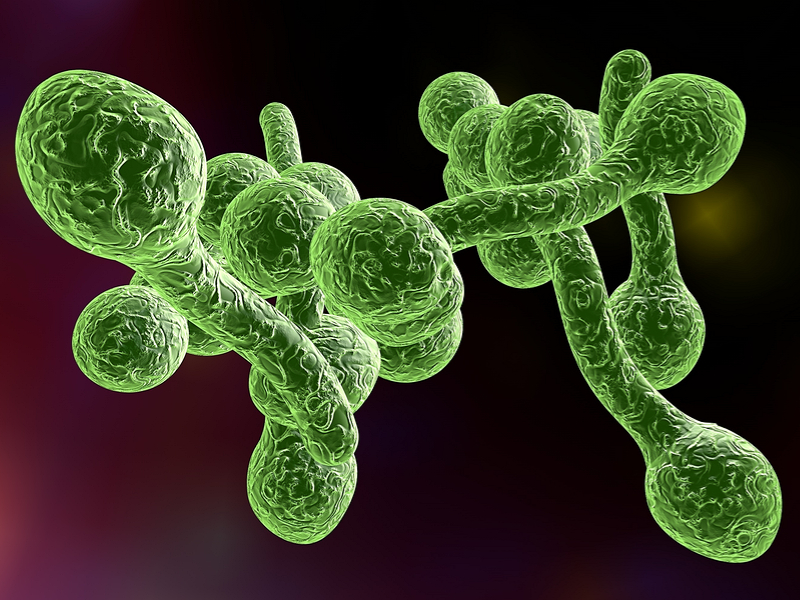
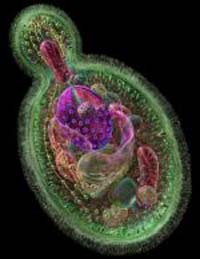
candida image

Candida cellWHAT IS IT?

Every person lives in a virtual sea of microorganisms, (bacteria, viruses, fungi, etc.). These microbes can reside in the throat, mouth, nose, intestinal tract, almost anywhere; they are as much a part of our bodies as the food we eat. Usually, these microorganisms do not cause illness, unless our resistance becomes lowered.

Candida albicans is a yeast that lives in the mouth, throat, intestines and genitourinary tract of most humans and is usually considered to be a normal part of the bowel flora (the organisms that coexist with us in our lower digestive tract). It is actually a member of a broader classification of organisms known as fungi.

Traditionally fungi are considered plants, but they contain no chlorophyll and cannot make their own food. Fungi tend to inhabit cool to tropical climates and are found in the air we breathe as well as in moist and shady soil, water, manure, dead leaves, fruit, leftover food, and in a wide variety of places and circumstances.

HOW DO YOU GET IT?

Candida albicans prefers people. Candida enters new-born infants during or shortly after birth. Usually, the growth of the yeast is kept in check by the infant’s immune system and thus produces no overt symptoms. But, should the immune response weaken, the condition known as oral thrush can occur as a result. By six months of age, 90% of all babies test positive for Candida. And by adulthood, virtually all humans play host to Candida albicans and are thus engaged in a life-long relationship.

Candida coexists in our bodies with many species of bacteria in a competitive balance. Other bacteria act in part to keep Candida growth in check in our body ecology . . . unless that balance is upset. When health is present, the immune system keeps Candida proliferation under control; but when immune response is weakened, Candida growth can proceed unhindered. It is an “opportunistic organism,” one which, when given the opportunity, will attempt to colonize all bodily tissues. The uncontrolled growth of Candida is known as Candida overgrowth or Candidiasis.

Unfortunately, there are many factors in our modern society that can upset the ecological balance of the body, weaken the immune system and thus allow the yeast to overgrow. Of these, the major risk factors which may predispose one to the proliferation of Candida are:

* STEROID HORMONES, IMMUNOSUPPRESSANT DRUGS such as cortisone which treat severe allergic problems by paralyzing the immune system’s ability to react

* PREGNANCY, MULTIPLE PREGNANCIES or BIRTH CONTROL PILLS which upset the body’s hormonal balance

* DIETS HIGH IN CARBOHYDRATE AND SUGAR INTAKE,

* YEAST AND YEAST PRODUCTS, AS WELL AS MOLDS AND FERMENTED FOODS

* PROLONGED EXPOSURE TO ENVIRONMENTAL MOLDS

* ANTIBIOTICS and SULFA DRUGS Probably the chief culprit of all, antibiotics kill all bacteria. They do not distinguish good bacteria from bad. Antibiotics kill the “good” flora which normally keeps the Candida under control. This allows for the unchecked growth of Candida in the intestinal tract. It is normally difficult to recover a yeast culture from bodily surfaces. However, after 48 hours of taking tetracycline, yeast can be cultured easily from anyone. The prevalence today of Candida may be most directly related to the widespread societal exposure to antibiotics – from prescriptions for colds, infections, acne, and from additional consumption of antibiotic-treated foods such as meats, dairy, poultry and eggs. Notably, antibiotics do not kill viruses; they only destroy bacteria. Yet, they are universally prescribed for all colds, flus and other viral problems. Such indiscriminate and extensive use of antibiotics is not only considered a primary cause of Candida overgrowth, but is recently being found to be responsible for the unbridled development of “killer bacteria.”

The rapid and direct proliferation of the yeast following antibiotic use strongly suggests that the problem of Candida is one which stems from an inner state of imbalance, rather than from an outside attack by a microbe or disease. This is a very important point to understand if one wishes to get rid of an overgrowth problem, suggesting that Candida is not so much a problem as is the body’s own failure to control it!

A SERIOUS PROBLEM

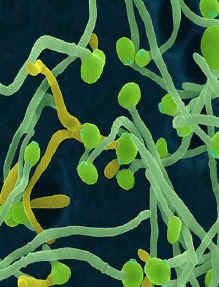
Candida mycelial formOnce begun, if not recognized and treated appropriately, Candida overgrowth can result in a self-perpetuating, negative cycle. Large numbers of yeast germs can weaken the immune system, which normally protects the body from harmful invaders. Even though Candida is part of the ecological balance in the body since birth, it is still recognized by the immune system as a foreign body that needs to be controlled. So, when overgrowth occurs, a chronic stimulation to the immune system results — every second, every minute, every hour, every day, every month, every year — in an attempt by the immune system to regain control. In time, it is believed that this can exhaust the immune system, predisposing one to more serious degenerative processes. Many believe chronic drains on the immune system such as Candida and parasites can play a direct role in the development of cancer and AIDS. Seen in this light, Candida overgrowth should not be taken lightly.

The immune system may concurrently be also adversely affected by poor nutrition, heavy exposure to moulds in the air, as well as an increasing number of chemicals in our food, water and air, including petrochemicals, formaldehyde, perfumes, cleaning fluids, insecticides, tobacco and other indoor and outdoor pollutants. Over 10,000 chemicals have been added to our food supplies alone that were not there just 100 years ago! We do not have the genetic recognition of these substances as foods or as useful additions to our bodies.

Resulting lowered resistance may not only cause an overall sense of ill health, but also may allow for the development of respiratory, digestive and other systemic symptoms. One may also become predisposed to developing sensitivities to foods and chemicals in the environment. Such “allergies” may in turn cause the membranes of the nose, throat, ear, bladder and intestinal tract to swell and develop infection.

Such conditions may lead the physician to prescribe a “broad spectrum” antibiotic . . . which may then further promote the overgrowth of Candida and strengthen the existing negative chain of events, leading to further stress on the immune system and increased Candida-related problems.

WHAT ARE THE SIGNS OF CANDIDA INFECTION?

The result of heightened Candida overgrowth is a list of adverse symptoms of considerable length. Basically, the characteristics of Candida overgrowth fall under three categories, those affecting:

The gastrointestinal and genitourinary tracts
Allergic responses, and Mental/emotional manifestations.

Initially the signs will show near the sights of the original yeast colonies. Most often the first signs are seen in conditions such as nasal congestion and discharge, nasal itching, blisters in the mouth, sore or dry throat, abdominal pain, belching, bloating, heartburn, constipation, diarrhoea, rectal burning or itching, vaginal discharge, vaginal itching or burning, increasingly worsening symptoms of PMS, prostatitis, impotence, frequent urination, burning on urination, bladder infections. But, if the immune system remains weak long enough, Candida can spread to all parts of the body causing an additional plethora of problems such as fatigue, drowsiness, incoordination, lack of concentration, mood swings, dizziness, headaches, bad breath, coughing, wheezing, joint swelling, arthritis, failing vision, spots in front of the eyes, ear pain, deafness, burning or tearing eyes, muscle aches, depression, irritability, sweet cravings, increasing food and chemical sensitivities, numbness and tingling, cold hands and feet, asthma, hay fever, multiple allergies, hives and rashes, eczema, psoriasis, chronic fungal infections like athlete’s foot, ringworm and fingernail/ toenail infections.

In addition, 79 different toxic products are known to be released by Candida, which in itself places a considerable burden on the immune system. These get into the bloodstream and travel to all parts of the body where they may give rise to a host of adverse symptoms.

In Candida overgrowth, the yeast colonies can dig deep into intestinal walls, damaging the bowel wall in their colonization.

Candida can also attack the immune system, causing suppressor cell disease, in which the immune system produces antibodies to everything at the slightest provocation, resulting in extreme sensitivities.

Finally, Candida overgrowth can be dangerous if not controlled. The persistent, constant challenge to the immune system by an ever-increasing, long-term overgrowth of Candida can eventually serve to wear down the immune system and cause a seriously weakened capacity for resistance to disease.

Women are more likely to get Candida overgrowth than are men. This is related to the female sex hormone progesterone which is elevated in the last half of the menstrual cycle. Progesterone increases the amount of glycogen (animal starch, easily converted to sugar) in the vaginal tissues which provide an ideal growth medium for Candida. Progesterone levels also elevate during pregnancy. Men are affected less frequently but are by no means invulnerable.

HOW DO YOU KNOW YOU’VE GOT IT?

Currently, diagnosis is primarily clinical. Since almost everyone has Candida in their bodies, tests for its presence are useless; confirmation of overgrowth is very difficult through laboratory tests. And, since what it does is to paralyze the immune system against it, allergy tests to determine the system’s reaction to it are also ineffectual.

Furthermore, the results of the yeast imbalance — the combined effects of different hormones, poisons generated and released by the yeast into the bloodstream, and the confusion created in the immune system — produces such a wide variety of symptoms and which are seemingly so unrelated (such as wheezing, depression and fungus infection under fingernails) that a definite diagnosis cannot be made from any specific pattern of signs and symptoms.

Conclusive laboratory tests have not yet been developed, even though there are a number of tests that can help in the diagnosis. The patient’s history and symptoms are usually the key to arriving at a diagnosis, and Dr Crook’s Candida Questionnaire is extremely helpful as it enables the patient to score their symptoms and arrive at a number – anything above 180 for women, and 140 for men is highly significant and represents the majority of symptoms that relate to this condition. There are other testing procedures that I use in clinical practice, mainly bio-dermal screening using the VEGA (see http://www.naturaltherapycenter.com/pages/Allergy-Testing.html). When an ampule of Candida is placed in the honeycomb of the VEGA EXPERT and the probe placed on an acupoint of a finger, it is very clear when a patient “resists” as the conductivity drops. What I have also found time and time again in over 600 Candida patients that I have tested to date is that they all react to yeast, mushrooms, wine and beer as well when tested. In fact, many times I stumble upon Candida while conducting food intolerance testing using the VEGA, and when finding that mushrooms and yeast come out positive, I immediately test for Candida, which is also positive. I personally find the VEGA a very useful diagnostic device that can answer a lot of questions that more traditional laboratory testing cannot.

Another method of testing for Candida is to use a form of Kinesiological muscle testing called AUTONOMIC RESPONSE TESTING (see http://www.naturaltherapycenter.com/pages/Autonomic-Response-Testing-%28ART%29.html). Autonomic Response Testing (ART) grew out of the importance of detecting and correct problems of the autonomic nervous system. ART allows the doctor to correct the problems of the ANS and to help restore the self-regulating mechanism of the body allowing the patient to return to a state of health. ART is a system of evaluation and treatment developed by Dietrich Klinghardt, MD, Ph.D. and Louisa Williams, DC, ND. Dr Klinghardt is a German trained physician who also has a Ph.D. in neurology. ART uses Applied Kinesiology, Electroacupuncture (EAV), O-Ring testing, Nogier pulse, Chinese pulse, heart rate variability and other techniques to assess the health or dysfunction of the autonomic nervous system.

Dr Klinghardt believes that many practitioners using kinesiology or muscle testing in their practice are often getting inaccurate information because the autonomic nervous system is not functioning properly. In ART, this condition is called ‘blocked regulation’ and refers to the inability of the ANS to self-regulate and is caused by 7 common factors. These include: undiagnosed food allergies, heavy metal toxicity, petroleum chemical toxicity, chronic unresolved infections and scars, temporomandibular joint dysfunction (TMJ), unresolved psychological stress, and electromagnetic stress. Dr Klinghardt has developed specific tests for these factors and treatments to correct them. ART is also a good way of detecting whether Candida is prevalent, and the effect that it is having on the Autonomic Nervous System and other organ systems of the body.

CASE HISTORIES

candida killed by WBCThere is still a lot of controversy around the topic of Candida, and I am the first to agree that we do not have all the answers. One thing that I have witnessed in clinical practice, however, is the astounding recovery that many of these so-called Candidiasis patients make when placed on a Candida Treatment Protocol. These would include difficult cases that have been through the orthodox medical mill, seeing many different specialties without positive effects. One case that I remember is a 32 year old woman who had such a bad case of halitosis that when I approached her to examine her throat I thought that I was surrounded by rotting corpses! Such was the degree of her bad breath that she had NEVER dated in her life for this reason. My mind never even thought of Candidiasis initially. As a starting point, I suggested that she undergo an alkaline detoxification fast with fresh fruit, salads, steamed vegetables, fresh vegetable juices and home-made vegetable soups. This she did for 15 days. During the last day of the fast she went out with her friends to celebrate her birthday, and drank a glass of wine. She phoned me the following morning complaining of a bad headache, muscle pains, bloating, and an irritation in her throat. This is when my thinking began to point towards Candida, as I thought that the yeast in the wine had probably aggravated the condition. I asked her to come in immediately  –  testing on the VEGA showed a positive reaction to Candida, mushrooms and yeast, and her score on the Crook’s Candida Questionnaire was 356, probably the highest score I have ever seen!

We began Candida treatment, and within 3 months her halitosis had completely cleared, and she had decided to get engaged to a local boy who she had a crush on. It really never ceases to amaze me how Candida can present itself – the symptoms can be strange and varied. Recurrent vaginal infections accompanied by chronic fatigue are often common in women. I have seen a number of cases of infertility with no underlying pathology that was resolved by Candida treatment. Skin problems with no specific diagnosis from dermatologists were Candida related, chronic sinusitis, scleroderma, rheumatoid arthritis, asthma, and many more.

Certainly I am not saying that the common yeast, Candida albicans, is the cause of all these problems. What my experience has shown, however, is that when Candida is one of the underlying causes of these health problems, they are not resolved unless the Candida is eradicated first.

Many physicians now believe that a clinical trial for Candida overgrowth is of so little risk and expense that it should be considered in any chronic illness.

One clinical trial a person may try is to avoid certain foods for five days which are known to facilitate the growth of yeast. Such foods include the following:

* SUGAR and SIMPLE CARBOHYDRATES such as found in all sweetened food including the use of honey, molasses, sorghum, maple syrup, sugar, fructose, maltose, dextrose, corn syrup, etc.

* YEAST PRODUCTS such as beer, wine, yeast leavened bread, natural B vitamins, brewer’s yeast

* FERMENTED and MOLD FOODS such as mushrooms, cheese, vinegar, mustard, catsup, relish and other condiments made with vinegar.

After avoiding these foods for 5 days, try adding them back into the diet in large quantities. By observing how one feels while off these foods, in comparison to any adverse effects experienced when going back on the foods, one may get a clue as to any possible yeast involvement as a causative factor for any adverse symptoms.

If adverse symptoms are provoked by a return to the yeast enhancing foods, your physician may feel that there is at least a possible reason to suspect Candida overgrowth, which may then warrant more definitive action.

CANDIDA TREATMENT PROTOCOL

The Candida Treatment Protocol that I have used successfully for a number of years has five basic objectives:

1. First, starve the Candida by eliminating the foods mentioned above that feed it.

2. Second, to kill the Candida through the use of anti-Candida products mentioned below.

3. Repopulate the bowel flora with a high-potency probiotic such as Culturelle which contains 20 billion live bacteria.

4. Regulate the dysbiosis and convert the pathological, mycelial form of Candida back to the normal form by the use of Sanum remedies mentioned below.

5. Restore biochemical balance to the body and strength to the immune system, which will allow the body once again to regain and maintain control over Candida growth by optimizing the diet  –  this would involve avoiding food intolerances and following the Metabolic Type Diet by Wolcott combined with the Blood Group diet by Dr Peter D’Adamo.

KILLING CANDIDA

I have found that it is literally impossible to treat Candida if one does not cut out ALL forms of sugar, and that includes fructose from fruit sources. The foods that should be strictly AVOIDED for a 3-month period include:

* SUGAR  –  and all foods that contain sugar. These include white and brown sugar, honey, syrups, liquors, lactose, fructose, all confectionary and sweet cakes, chocolates, ice-creams, home-made sweets and cakes, biscuits, fizzy beverages, all fruit drinks.

* YEAST  –  and all foods that contain yeast including breads, vinegar, ketchups, mayonnaise and pickles.

* FRESH AND DRIED FRUIT  –  all fruit whether fresh, cooked, tinned or dried. These should be avoided for the initial SIX WEEKS ONLY  –  your health practitioner will advise you when to begin eating fruit again. Obviously this includes fresh fruit juices (vegetable juices are OK), as well as marmalades.
* MUSHROOMS  –  all types, including Chinese mushrooms such as Shitake.

* REFINED FOODS  –  all white flours, white rice, white pasta products, cornflour, custard and white cereal products, unless they are wholemeal or organic.
* FERMENTED PRODUCTS  –  all alcoholic beverages, vinegar and all vinegar products such as ketchup, mayonnaise and pickles.

* NUTS  –  all types of nuts that are cleaned and packaged without their shells  –  these have a tendency to collect fungal spores and moulds from the atmosphere which will antagonize the Candida. Nuts that are fresh with their shells are OK.

Most other foods are allowed. Fruit is cut out of the diet for 6 weeks, and all the other foods mentioned above are disallowed for a period of 12 weeks. In the meantime, there are other nutritional supplements, herbs and homeopathics that are given, as follows (most of these remedies can be found at www.worldwidehealthcenter.net, and some are available from Cyprus):

1. KANDIDAPLEX  –  a Doctor-formulated compound that contains Berberine, undecylenic acid, biotin, sorbic acid, citrus seed extract and Pau D’Arco – 2 caps x 3 daily

2. KOLOREX  –  a New Zealand herbal product which contains two powerful anti-fungal agents that have been shown to kill Candida  –  Winterata colorata and the synergistist herb Aniseed which boosts effectiveness 6 fold  –  1 cap of each once daily.

3. CAPRYLIC ACID  –  a derivative of coconut which stops the Candida reproducing – freely available in most health food stores and pharmacies  –  1 tab x 3 daily

4. CANDIDA 30c – homeopathic  –  freely available in most pharmacies  –  two pillules or one cap x 3 daily for 2 weeks only. These are stopped just before beginning the Sanum remedies.

5. CULTURELLE – a powerful probiotic containing 20 billion live bacteria, in order to repopulate the ailing flora of the gut.

6. A good-quality multivitamin such as HMD Multi’s, or similar.

All the above are continued for 3 months, with the exception of the Candida 30c. After two weeks of the anti-Candida diet, certain specialized isopathic remedies are introduced, known as Sanum remedies from Germany, after the work of the famous Prof. Enderlein, as follows:

1. Mucokehl  –  1 cap twice weekly

2. Pefrakehl  –  1 cap twice weekly

3. Notakehl  –  1 cap twice weekly

4. Fortakehl – 1 cap twice weekly

5. Nigersan – 1 cap twice weekly

6. Albicansan  –  1 cap every second day

These are continued for about 40 days. As soon as these are completed, fruit is re-introduced back into the diet  –  this is about 6-7 weeks after the beginning of treatment.

Prof. Enderlein’s Sanum remedies work by changing the harmful microorganisms in the body fluids to non-aggressive forms (pleomorphic changes), which permits gentle healing (isopathy). Harmful bacteria and toxins are broken down and excreted through natural processes. They also help to alleviate the dysbiosis and bring the internal milieu of the intestine back into balance.

HERXHEIMER REACTIONS

Depending on the severity of Candida overgrowth and the amount of the agents taken, the Candida can be killed off in vast numbers in a very short period of time. As they are killed, they release substances which are toxic to the body. If this process occurs more quickly than the toxins can be cleared from the bloodstream and eliminated by the body, a temporary toxic or allergic-type reaction can occur. The technical name for this experience is a Herxheimer reaction; it is more commonly referred to as “die off.”

Usually die off lasts only a few hours, though it can last several days. It can usually be controlled almost entirely by the amount of ingestion of the agent and the rate or frequency it is taken. Signs of Herxheimer reaction can be many and varied but generally involve such discomfort as aching, bloating, dizziness, nausea, and overall “goopy sick” feeling, or a worsening of original symptoms. Fortunately, die off is generally short in duration, and although uncomfortable, is at least a confirmation of the presence of Candida and that something “good” is happening.

Exercise as well as insuring proper, daily bowel evacuation has been reported as being helpful in countering the adversities of die off. Maintaining a high daily intake of pure water is also important to keep the channels of elimination open.

BALANCING BODY CHEMISTRY

It is a commonly recognized and accepted fact that immune system efficiency is highly dependent on the proper biochemical balance in the body. This of course, is dependent on proper and adequate nutrition to supply the body with all the required biochemical constituents (vitamins, minerals, enzymes, intrinsic factors, etc.).

Different people require different amounts and balances of nutrients for optimum health. The criteria for the determination of these differing nutritional requirements lies within the definition of one’s metabolic type, i.e., the genetically determined metabolic and nutritional parameters that define each person’s individuality on every level.

It is precisely because different people have different metabolic types, and therefore different needs for nutrition, that the allopathic, symptom-treatment approach in nutrition is baseless and so often ineffective. This further explains why what (nutritionally) helps make one person better, may have little or no effect on another, or even make a third person worse.

I have not tried to modify this protocol as I have found it to be so successful that I dare not juggle with it in case I lose the effectiveness. I’m sure that it can be improved upon, and would welcome comments from other practitioners working with Candida. It is only through sharing that we will grow and become better practitioners.
Dr. George J Georgiou, Ph.D.,N.D.,D.Sc (A.M)
Natural Medicine Practitioner

Posted on

SPAS AND THE HEALING POWER OF WATER

Sap Image

WATER – THE CENTRE OF LIFE!
Water is the centre of life. The food we grow depends on water – without, it withers and dies. The body, and the planet we live on, is approximately 70 percent water. We can live without food for about eight weeks, but without water we could only survive for about 4 days. Despite the obvious importance of water to our lives – as nutrition and for survival – the healing properties of water are often forgotten in our busy and stressed lives.

SPAS AND HEALTH
The word “spa” originates from the Belgian town of Spa, located in the Ardennes Forest in Belgium, which boasts several natural mineral springs which have been popular for their beneficial effect for thousands of years.

Peter the Great, the seventeenth-century Russian Czar, visited this city to relax and “take the waters.” Apparently, Peter, and others, found relief from their pains here, and physicians began looking seriously at spas as health centres. In 1797, the Scottish physician and surgeon James Currier published The Effects of Water, Cold and Warm, as a Remedy in Fever and Other Diseases.

The Concise Oxford Dictionary will inform you that it is “a place where there is a curative mineral spring”. However, The British Spas Federation recognizes that today the word has to encompass many different elements, although the main criterion is the use of water. A complete Spa Experience is far more than just a whirlpool bath; it is one that, through the use of water, imparts a feeling of well-being and cares for the mind and body. The word derives from the Latin Sanitas per aquas which means, simply, health through water.

Certainly both the Greeks and Romans understood the value of bathing in natural waters, and we are fortunate that this legacy is now being re-interpreted in Britain, in places like Bath with the revival of its wonderful natural hot thermal waters, unique in the UK.

The word used to describe therapeutic treatments using water is Hydrotherapy.

BEGINNINGS OF HYDROTHERAPY
The foundation of what we know of today as water therapy, or hydrotherapy, began early in the nineteenth century with Vincent Preissnitz, a Silesian farmer. He had mangled his fingers while farming, and a neighbour showed him how to use wet, cold compresses to restore them. It was Preissnitz’s bad luck and hydrotherapy’s good luck that later in his life a heavy cart rolled over him. The doctors of his day declared him “crippled for life.”

However, Preissnitz remembered his early success with water and started treating and experimenting on himself. Eventually, his crippled body was cured. Word spread, and hundreds and thousands of people came to him. His unorthodox means and use of something as simple and common as water raised the ire of the day’s leading physicians, and they took him to court. Preissnitz won the case and eventually was accepted as perhaps the first hydrotherapist, and allowed to practice freely.

Although Preissnitz established modern hydrotherapy, it was another, Sebastian Kneipp, who truly developed it. A weak and frail man, he began to use cold water to strengthen his body. He found and shortened some of Preissnitz’s techniques and was also the first to begin to add herbs to the water.

It was these men and others who learned about the healing properties of water that gave rise to the rebirth of spas in the Victorian era (1837-1901). Hot springs were found, frequented, and developed, often at mountain retreats with breathtaking views. Medical practitioners who prescribed and monitored treatment often staffed these spas. As they became more popular, world-class restaurants, symphonies, entertainment, and recreational facilities were added to them.

RELAXATION, REJUVENATION, REHABILITATION – HEALING MIND, BODY AND SPIRIT
If you’ve sat in a spa, you already know how good it can feel when your muscles are tired or aching, and how mentally relaxing it can be. If you suffer from some form of arthritis or other chronic pain, you should know a spa could ease much of your discomfort.

WHY DOES RELAXING IN A SPA FEEL SO GOOD?
Three reasons:
1. warmth
2. water movement (massage)
3. buoyancy
Sounds simple, doesn’t it? But even after years of study, doctors and physical therapists are only beginning to understand and document the ways a spa massage can influence the body and the mind.
When immersed in a spa, your body’s weight is reduced by 90%, relieving pressure on strained joints and muscles. And by moving and exercising the affected joints, the muscles become more limber and pain often is reduced, even after leaving the spa.
Besides easing the pain of many types of arthritis, aquatic movement, particularly in warm water against a current, improves the cardiovascular endurance, muscular strength and psychomotor skills such as speed, agility and coordination.

Resting for 48 hrs can substantially complete the healing process. But there is another way to ease the pain and even accelerate the natural healing process: the warm massaging action of a well-designed spa. The increased blood flow caused by relaxing in a spa carries lactic acid away from the muscles faster, easing fatigue. As tense muscles relax, pressure releases on the surrounding nerves and blood vessels, adding to the pain relief.

ENDORPHINS – NATURAL PAIN KILLERS!
Long before there was aspirin, the human body had a natural pain- killing chemical: endorphins. Research has shown that warm water hydrotherapy stimulates the release of endorphins.

But pain reduction is only part of the healing process. Ultimately, blood flow is what brings nutrients to damaged cells and completes the healing…And Spas help with that as well.

When the body is immersed in warm water, blood vessels nearest the skin relax, allowing more blood to flow. The results: fatigue relief, faster tissue repair and relief of pain…At the same time, blood pressure drops, reducing strain on heart and other vital organs.
Hydrotherapy treatment can help alleviate muscle pulls, strains and many other athletic injuries. And even if you’re not an athlete, but just have a bad back or are sore from heavy lifting, a spa can do as much for you as it does for an athlete.

MINIMIZING STRESS AND SHARPENING YOUR MIND
Some stress is good; it can heighten senses, speed reaction time and help you feel more alert. But too much stress, especially chronic stress, can lead to high blood pressure, block learning and actually kill brain cells. The chemicals the body generates in response to stress can damage and accelerate the aging of the brain. Stress can also affect the body’s natural secretion of growth hormones.

Minimizing chronic stress can help people take in and process more information. (If you’ve ever found it difficult to concentrate on something else when you were stressed, you know the feeling.) One solution is a spa, because the heated water of a spa can help to tense muscles and reduce anxiety. And using a spa induces a feeling of euphoria, relaxation and tranquillity in many people. These days avoiding stress is almost impossible. But dealing with it and minimizing it aren’t.

The core of a spa is the water treatment, but to be able to control stress more long-term, this needs to be linked to a balanced, wholesome diet, periodically interspersed with detoxification periods, and accompanied by gentle but regular exercise (including breathing exercises), relaxation and – if at all possible – massage.

HYDROTHERAPY AT HOME!
It is really quite simple to begin a course of hydrotherapy in the comfort of your own home, simply to experience the powerful healing properties of water.

DE-STRESSING BATH
As we were talking about stress, let’s look at a good way to de-stress using an Aromatherapy bath:
Into a hot bath place the following cocktail of Mediterranean oils:

10 drops each of rosemary and aniseed oils
5 drops each of basil and pine oils
3 drops each of eucalyptus and cypress oils

Use a sponge to gently work the oils into the skin – no soap is used in a bath such as this. The effect of a bath lasting 10 – 20 minutes in either of these combinations will be a profound feeling of refreshment and relaxation. Pat dry without friction, and rest afterwards.

EMOTIONAL-BALANCING BATH
For those discouraged in matters of love, this bath is very healing and soothing. When you have an emotional upset that makes you feel helpless, here is a bath that will heal and deeply soothe your nervous system:

5 drops rose oil
5 drops rosemary oil
5 drops lily-of-the-valley oil
5 drops sandalwood oil
Candles

This is a magic combination – rose opens the heart and lifts you out of depression; lily-of-the-valley gives the heart strength, both emotionally and physically. These can be worn together as a perfume on those dog days when life gets you down. Sandalwood calms the nervous system and relaxes the entire body. Rosemary has been used over the centuries in many rituals to attract love. It has the reputation of being a love stimulator.

FOOT BATHS
If your feet feel good, so does the rest of you – so give them a treat! It’s meant to help clear your system by stimulating circulation of the blood and lymphatic system and is a treatment for colds, sinusitis and headaches. Take 2 buckets, each one big enough for both your feet to fit in comfortably.

Fill one with hot water, the other with cold, both to a depth above your ankles. Sit in a chair and place your feet in the hot water bucket for 3 to 5 minutes, then switch to the cold tub for 30 seconds. Do this twice. This is also a good cure for colds and flus as it stimulates the immune system too.
By Dr. George J Georgiou, Ph.D.,N.D.,D.Sc (A.M)
Natural Medicine Practitioner
Drgeorge@avacom.net
www.naturaltherapycenter.com

Posted on

SARS, VITAMN C AND SELENIUM

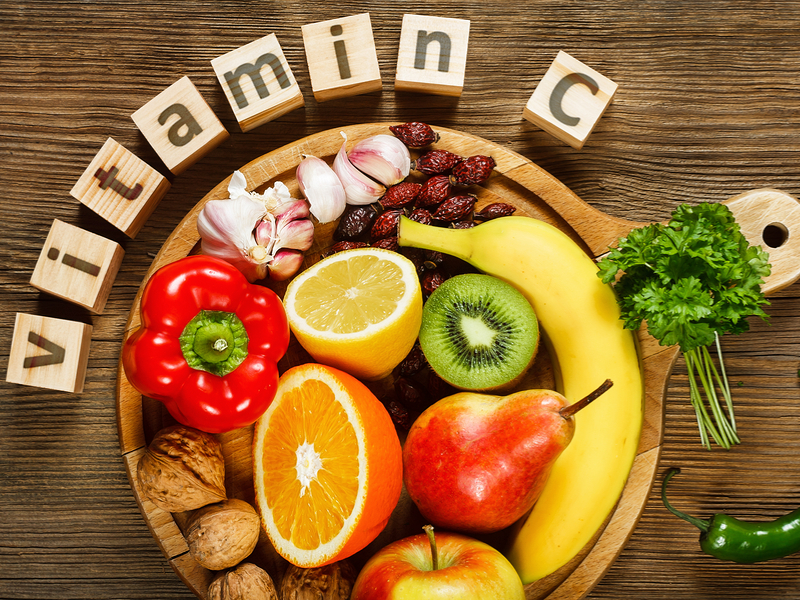
Vitamin C image

DEFICIENCY IN VITAMIN C
I have yet to read anywhere of someone using mega doses of vitamin C and selenium to treat SARS. However, the scientific literature indicates that this virus should be no different than any other in its inability to survive, let alone kill the host in the presence of these safe and cheap essential ingredients of the anti-oxidant system. Furthermore, research has shown that up to 16% of the US population are sub-clinically scorbutic (vitamin C deficient) and thus at high risk of increased susceptibility to acute and even lethal scurvy if exposed to the added stress from a virulent virus.

TREAT VIRUSES WITH VITAMIN C
Other industrial countries would no doubt be similar. In 1989, Prof C.A. Clemetson ex. Oxford and Tulane University, wrote a 3 volume textbook entitled “Vitamin C.” Unfortunately, this textbook is virtually unobtainable. However, Tom Levy MD, an American cardiologist, has recently published an excellent review with 1,200 references: “Vitamin C, Infectious Diseases, & Toxins”. There is a wealth of well-referenced scientific evidence in these books confirming that large doses of vitamin C have been able to cure virus and bacterial toxic infections including paralytic polio (within days), as well as viral hepatitis, pertussis, diphtheria, typhoid, tuberculosis and even leprosy. Therefore hospital doctors ought to be giving their SARS patients intravenous ascorbate at levels of 0.5-0.7 G/kg/day for 2-3 days. I would expect that they would not lose a single patient. Several grams of oral vitamin C powder/day costing much less than $1 a day would be an effective preventive.

SELENIUM-DEFICIENT SOILS
It may be no coincidence that the regular new flu viruses come from China/Hong Kong as there is a well-known vast area in China that is selenium deficient. The same area produced Keshan’s cardiomyopathy and the pandemic of oesophageal and gastric cancer until the villagers were instructed to take extra selenium, after which both illnesses abated. It is an established fact that viruses readily mutate in selenium deficient hosts as well as being more virulant, as shown in Selenium- deficient mice where respiratory viruses caused greater morbidity and mortality.

I doubt that man (homo stupidus) is any different. Another area also comes to mind, namely, the Congo and Ebola, and the rest of Africa with its pandemic of HIV and AIDS, currently running at over 30-40% of the various indigent populations. These populations are also selenium deficient. However, Senegal, a little country on the west African coast, apparently has an HIV incidence of about 1%. The population has the same sexual habits as its neighbours. The only difference is that Senegal lies on top of an old seabed and the soil has a very high mineral content including selenium. I understand that the Senegalese have some of the highest blood selenium levels in the world. Maybe it could be worthwhile if everyone took some extra selenium.

SELENIUM AND CHRONIC INFECTIONS
Certainly, here in New Zealand where Otago University has shown that our daily intake is less than 40mcg, and where both cancer, heart disease and virus infections are rampant, it would seem appropriate to increase the intake to over 200mcg/day. Our farmers and horse breeders make sure that their animals get selenium but their animals have to be healthy to be commercially valuable. Notably, the opposite is true for the human carcass where patented expensive drugs are used to treat diseases and prevention is not just ignored but actively opposed when seen as a commercial threat. This fact is now all too obvious with the orchestrated world-wide anti-supplement campaign.

Recent research is increasingly indicating that the SARS virus not only originated from China but is either a lab mistake where a mutant feline corona virus was able to be transfered from human->cat->human or was a genetically engineered mutant virus that escaped from a research laboratory. If this is so, it is quite likely that an innocent wild civet cat will be made the scapegoat to protect interfering man. However, for those who have become aware, protection appears to be both simple and inexpensive. As the renown 19th century French physiologist Claude Bernard stated, and even Pasteur apparently eventually acknowledged: ” Le terrain c’est tout et le microbe n’est rien.” i.e. the answer lies in the internal environment or the host and the microbe is nothing!

Published with permission of Dr. Mike Godfrey, Physician, Tauranga, New Zealand.
godfrey@wave.co.nz

P.S. Another preventive approach in these days of rampant, mutant viruses and chronic infections is to boost the immune system. There are a number of immune-modulators and stimulators that have been researched and we know do work. Some of these are:

Beta 1,3-D Glucan, Colostrum (Lactoferrin or ImmunoSource), ImmunoMax, Thymic Protein A (Proboost Thymic Protein A)

Mild Silver Liquid is also a potent anti-viral as well as being able to kill over 650 different pathogens. Olive leaf extract is also a powerful anti-viral. Unibiotic is a mixture of powerful anti-biotic herbs.

You can read about all of these in more detail by searching this site for the appropriate product and clicking “more information” to learn more about how and why they work.

In this day and age we need to be cautious and use prevention rather than cure. In my medical cabinet I always keep a bottle or two of Silver Liquid 400, Unibiotic and Lactoferrin. Beta 1,3-D Glucan and Thymic Protein A are also worth taking occassionaly to boost and prepare the immune system, which is the key to preventing the spread of these pathogens in our body’s.

Dr. George J Georgiou, Ph.D.,N.D.,D.Sc.
Technical Director, Worldwide Health Center
(see also www.naturaltherapycenter.com)

Posted on

FLUSHING PARASITES FROM YOUR BODY NATURALLY!

As we have been talking about cleansing the liver and gall bladder in the last couple of issues, I thought that I would continue the same thread and talk a little about cleaning out parasites from all body organs and tissues. “I don’t have any of those,” I hear you saying. Well, think again, and look at the statistics.

PARASITES EVERYWHERE
According to the publication in 1995 “Parasitic Diseases” it is reported:

Nematodes (Round Worms) – 1 billion individuals
Cestodes (Tape Worms) – 300 million individuals
Tremadodes (Flukes) – 300 million individuals
Protozoa (Amoebas) – 1 billion individuals
Arthropods (Insects para) – 500 million individuals

It is clear from this data that parasites are not confined only to third world countries! An interesting report by the Parasitologist, Omar Amin, Ph.D. states that in a five star restaurant, samples were taken from under the fingernails of the entire staff and 100% of them tested positive for feces under their nails. “Bon Appetit!”

We are always picking up parasites! The main source is undercooked meats, followed by household pets. After we are infected we can give it to each other via blood (childbearing), saliva (kissing), semen (lovemaking) and breast milk (nursing).

Dr. Hulda Clark in her book “The Cure For All Cancers” says that the human intestinal fluke Fasciolopsis buskii is the cause of most cancers. When these reach the liver, a growth factor is produced – ortho-phospho-tyrosine – that make cells divide and cancer proliferates.

Orthodox medicine tends to use a variety of drugs (with bad side-effects) to kill specific parasites, but this is not very practical when there are many different varieties present. Dr. Clark usually finds on average a dozen or more parasites in each patient, out of the 120 that she tests for. Dr. Clark has found three herbs that can kill ALL these parasites in the body without the dreadful side-effects of drugs. Below is a modified version of her treatment:

PARASITE KILLING PROGRAMME
Three herbs used together can get rid of over 100 different parasites without so much as a headache or nausea. The herbs are black walnut tincture, wormwood, and common cloves. Black walnut hull and wormwood kill adults and developmental stages of at least 100 parasites. Cloves kill the eggs. They must be used together as a single treatment for them to be effective. The detailed program is as follows:

1. Black Walnut Hull Tincture – take in water or juice before meals on an empty stomach

Day 1 – Day 6 – take 2 teaspoons of the Walnut tincture in 1/2 cup water a little before meals, once daily.
For maintenance – continue to take 2 teaspoons only once weekly for about 3 months.

2. Wormwood Combination Capsules: – take these before dinner with water or juice

Day 1 – 1 capsule
Day 2 – 1 capsules
Day 3 – 2 capsules
Day 4 – 2 capsules
Day 5 – 3 capsules
Day 6 – 3 capsules
Day 7 – 4 capsules
Day 8 – 4 capsules
Day 9 – 5 capsules
Day 10 – 5 capsules
Day 11 – 6 capsules
Day 12 – 6 capsules
Day 13 – 7 capsules
Day 14 – 7 capsules

Take all the capsules together as a single dose. As a maintenance dose take 7 capsules once a week for 3 months.

3. Cloves Capsules – take before meals.

Day 1 – Take one capsule 3 times daily before food.
Day 2 – Take two capsules 3 times daily before food.
Days 3 to 10 Take 3 capsules three times daily.

After day 10, take 3 capsules once daily for 3 months.

MAINTENANCE PROGRAMME
These parasites are being picked up all the time, that’s why it’s important to stay on a maintenance programme, once weekly, as follows:

Black Walnut Tincture – 2 tsp. before eating once weekly
Wormwood capsules – 7 capsules once weekly before eating
Cloves – 3 capsules once a day on an empty stomach.

You may take these at different times of the day, or all together.

It is highly recommended that everyone go on a parasite cleanse at some point or other. Certainly in clinical practice I have seen amazing recoveries from chronic problems. One such case was a South African lady who recovered in record time – about 2 months – from a 20-year old chronic fatigue syndrome just after completing her parasite cleanse! There are other similar cases that I have recorded in my clinical archives. I have been through the cleanse myself too, and it is true that you develop minimal symptoms. I felt a little “spacey” the first day, which may have been due to a “die-off” reaction.

Good luck with the cleanse. If you have any interesting experiences, let me know!

The Food and Drug Administration have not evaluated these statements. This information and products are not intended to diagnose, treat, cure or prevent any disease.

by Dr. George J Georgiou, Ph.D.,N.D.,D.Sc (A.M)
Natural Medicine Practitioner
drgeorge@avacom.net
www.naturaltherapycenter.com

Posted on 116 Comments

FLUSH GALL STONES NATURALLY!

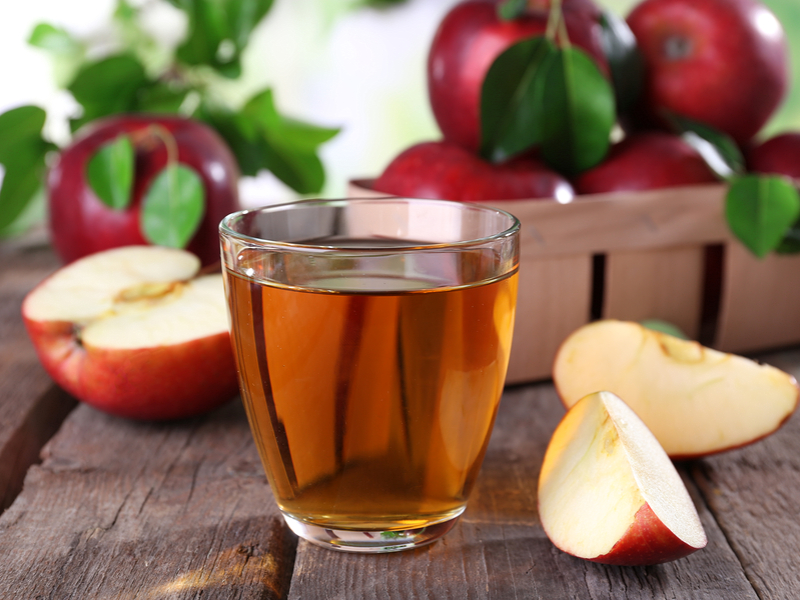
Apple Juice image

FLUSH GALL STONES NATURALLY!

I have personally supervised more than 200 people in clinical practice who have been through the gall bladder flush described below. I have never encountered problems more than the occasional nausea, assuming that the protocol is followed as mentioned below.

HUNDREDS OF STONES
It is estimated that 20% of the world’s population will develop gallstones in the gall bladder at some stage in their lives. This figure does not take account of the numerous stones that accumulate in the liver and its ducts, given that the liver produces them in the first place, and then travel down to the gall bladder.

I have personally witnessed the removal of gallstones from hundreds of patients – some of them had gall-bladder symptoms but had no positive results from an ultra sound scan. Most, however, did not have any symptoms at all, yet would flush out literally hundreds of stones – no exaggeration! One woman in her 50’s had three scans and the radiologists found nothing. She had pains in the gall-bladder region for 20 years. When she did the gall bladder flush she removed 430 stones the first time around, and about 300 the second time!

About a week before I did my first gall bladder flush I went to see a friend who is an ultrasound specialist. He checked my gall bladder and found it as clean as a whistle. When I flushed a week later I removed 5 LARGE stones (about the size of a hazelnut), and about 150 smaller stones, including gravel.

It is believed by many naturopathic doctors that EVERYONE has gallstones, some less than others, and I have validated this many times in clinical practice.

The cleanse that I recommend below takes place within a period of less than 14 hours and can be done at home over the weekend. It is a painless and harmless natural way of removing stones, without requiring invasive procedures such as surgery, laser, etc.

GALL BLADDER CLEANSE PROTOCOL 

VERY IMPORTANT: It is crucially important BEFORE you begin this gall bladder cleanse to have drunk TWO GLASSES of APPLE JUICE (packaged juice is just as good as fresh) every day for 14 days before the cleanse. This is very important as certain constituents of apple juice (it is believed to be the high pectin levels) SOFTEN the stones and enable them to pass HARMLESSLEY through the gall ducts.

I have supervised hundreds of such cleanses using exactly this protocol that I am recommending here without one patient suffering any harm whatsoever. But please follow the instructions carefully, and it must be said that you have ultimate responsibility, given that none of you are actual patients of mine.

An alternative to apple juice that is just as effective, is Orthophosphoric acid (75%) – take 30 drops a day for 3-4 days, and gradually increase the dosage to 50 drops daily – continue for 10 days. Each 30 drops contain 390mg of Orthophosphoric acid.

Take no medications, vitamins or pills that you can do without on the day of the cleanse. They could prevent success.

Eat a NO-FAT breakfast and lunch such as cooked cereal with fruit, fruit juice, brown bread with a little honey (no butter, milk or margarine), baked potato or other vegetables with salt only.

2.00 PM Do NOT drink or eat after 2 o’ clock.

6.00 PM Drink one serving (3/4 cup) of ice cold Epsom salts. Mixing one-tablespoon Epsom salts into 3/4 cup cold water can make this. You may add 1/8 teaspoon of vitamin C powder to improve the taste. You may drink a little water afterwards, or rinse your mouth out.

8.00 PM Repeat the Epsom salt drink as above.

9.45 PM Pour 1/2 cup olive oil and squeeze 1/2 cup orange or grapefruit juice into this, with one juice of a whole fresh lemon. Shake or stir hard until the oil and fruit juice mix thoroughly.

Visit the bathroom now, as you will lie down as soon as you take the olive oil mixture.

10.00 PM Drink the olive oil and juice you have mixed. Drinking through a plastic straw helps it go down easier. Drink it standing up, not sitting or lying. You may use a little honey between sips to help it down. Try to drink it as quickly as you can, within 5 minutes.

LIE DOWN IMMEDIATELY, ON YOUR RIGHT SIDE! You may fail to get stones out if you don’t. The sooner you lie down, the more stones you will get out. Try to keep perfectly still for 20 minutes. You may feel a train of stones traveling along the bile ducts like marbles. There is no pain because the bile duct valves are open, thanks to the Epsom salts. GO TO SLEEP.

NEXT MORNING – upon awakening take another dose of Epsom salts. Drink 3/4 cup of the mixture. You may go back to bed. Don’t drink this before 6.00 a.m.

2 HOURS LATER – take you 4th and last dose of Epsom salts. Drink 3/4 cup. You may again go back to bed.

AFTER 2 MORE HOURS – You may eat. Start with fruit juice. Half an hour later eat fruit. One hour later you may eat regular food but keep it light – salads, steamed vegetables, fruit, juices, etc. By supper you should feel well. There are occasions when you may feel a little unwell for a couple of days, particularly when you have not done a liver flush before the gall bladder cleanse. Sometimes this may be due to stones and debris remaining in the colon and causing irritation and inflammation. Colon hydrotherapy or a good, deep enema can help this problem.

In the morning expect diarrhoea. Try to catch the gallstones in a sieve in the toilet pan so that you can see them. If any of you have a camera please take photos and send me a copy for my clinical archives. Most of the stones will be SOFT and green, breaking easily, or even dissolving. All these green stones are as soft as putty thanks to the apple juice, and are mostly made of cholesterol.

A few days after the cleanse, stones from the rear of the liver will have traveled “forward” towards the main bile ducts leaving the liver, and fill the gall bladder again! This is why it is sometimes necessary to do up to 6 cleanses (perhaps one each month) in order to get rid of all the stones. If a cleanse produces no more stones, your liver can be considered to be in excellent condition!

Wish you all well! A clean gall bladder can lead to higher energy levels, alleviation of allergies, flatulence, digestive problems, back pains and more.

The Food and Drug Administration have not evaluated these statements. This information and products are not intended to diagnose, treat, cure or prevent any disease.

by Dr. George J Georgiou, Ph.D.,N.D.,D.Sc (A.M)
Natural Medicine Practitioner

Posted on

NON-DRUG SUPPORT FOR BREAST AND PROSTATE CANCERS

pink ribbon for breast cancer iamge

An Interview with Shari Lieberman, PhD, CNS, FACN

by Jim English

Last month, in Part I of our interview with noted researcher, scientist and author, Shari Lieberman, Ph.D., CNS, FACN, we discussed her new Auto Immune Formula, which is designed to support, modulate and enhance healthy immune function. In Part II we continue our interview with Dr. Lieberman, discussing the development of two new cancer-support formulas, BCF (Breast Care Formula) and PCF (Prostate Care Formula).

VRP: Thank you for meeting with us again, Dr. Lieberman. Last month we were discussing your Auto Immune Formula, but you have also recently introduced BCF (Breast Care Formula) and PCF (Prostate Care Formula). Can you describe these formulas and how they work?

Dr. Lieberman: While the Auto Immune Formula was designed to support, stimulate and enhance healthy immune function, my aim in designing the Breast and Prostate Care Formulas was to address the needs of people either diagnosed with, or concerned about cancers of the breast or prostate. While these are, obviously, different diseases, they share important similarities that research shows can benefit from factors common to both formulas.

Specifically, I wanted to address a common problem encountered by cancer patients. Many cancer patients spend a great deal of time seeking out and researching the medical literature relating to their diseases. Ultimately they come across the large body of published research and clinical data that reveals how antioxidants and other natural compounds can either directly support recovery from their disease, or protect them from the terrible side effects of conventional anticancer therapies. And once they discover this information, it is only natural that they want to incorporate these compounds with their therapy.

Now the problem is that when a patient tells their oncologists that they want to start taking antioxidants to help them deal with the side effects of chemotherapy and radiation therapy, their oncologist usually objects. By training, cancer specialists will not allow their patients to use any compound that they’re not familiar with, and this leaves the patients in a quandary.

To get around this problem I decided to work with an oncologist who was versed in the medical research on natural therapies. Specifically I was looking for a cancer specialist who could not only verify the benefits of these compounds based on peer-reviewed studies, but ideally someone who was experienced in the use of these natural agents in their own clinical practice.

VRP: So you were looking for an oncologist who was familiar with the research and who also had clinical experience in using these ingredients to help patients with cancer. Was it your hope that in this way you would be able to help the patient to overcome the objections of traditional oncologists?

Dr. Lieberman: Exactly. If these formulas were going to be of value I really wanted to overcome the most common objections by getting input from an oncologist who had experience in using this approach, someone who could verify the safety and effectiveness of these compounds for treating cancer.

VRP: And eventually you collaborated with Dr. Douwes?

Dr. Lieberman: Yes. Friedrich Douwes, MD, is a noted oncologist and the Executive Medical Director of the St. George Hospital Cancer Treatment Center in Bad Aibling, Germany. I had visited his clinic several times and was aware of his tremendous experience in using these compounds with many patients. I knew that Dr. Douwes was very familiar with using natural therapies along with conventional treatments, and that he had reviewed the literature and clinical data on alternative therapies. When we sat down to begin working on these formulas we outlined four guiding principals.

First, each ingredient had to be backed by published research. Second, the mechanism of a given compound’s actions had be understood. Third, the ingredients had to be completely non-toxic. And fourth, we would only include ingredients that would not interfere in any way with conventional anticancer therapies.

We set out to review the ingredients that we knew were helpful in cancer. Some of the ingredients were proven to help patients by protecting healthy cells while making chemotherapeutic drugs more selective for cancer. Other ingredients were shown to help by making chemotherapy in and of itself more effective.

VRP: So working together you were able to develop formulas that you knew could be used safely and effectively by cancer patients. So what happens when a patient goes to their oncologist and tells them they are using these formulas?

Dr. Lieberman: Our hope is that the patients won’t find themselves locking horns with their oncologists. The point of these formulas is that they have no downside. They were designed to be used alone, or concomitantly, along with all of the current anticancer therapies.

This is the main reason I felt it was imperative to develop these formulas with an experienced and highly regarded oncologist. Dr. Douwes is one of the few oncologists I’ve ever met who really knows about all of these natural compounds. And Dr. Douwes has been using natural compounds for over two decades. In my experience that is extremely rare for an oncologist. I have many colleagues doing anticancer therapy, but very few of them are oncologists.

VRP: Is that why both formulas contain nutrients, such as Coenzyme Q10 or Selenium?

Dr. Lieberman: Yes, exactly. In the case of selenium, epidemiological studies have consistently shown that low serum levels of selenium are directly linked to an increased risk of developing prostate cancer. In fact, selenium has been shown to block the growth cycle of cell reproduction and induce apoptosis (programmed cell death) in prostate cancer cells. And in women, selenium has been shown to inhibit VEGF (vascular endothelial growth factor) in breast cancer cells. Research also shows that selenium reduces the incidence of malignant cells in animal models, and enhances the effects of chemotherapeutic drugs, such as Taxol® and adriamycin.

In the case of Coenzyme Q10, cancer patients are often very seriously deficient in this nutrient. CoQ10 is an antioxidant that protects against numerous reactive oxygen species (ROS) that are involved in cancers, particularly breast cancer. Most impressively, researchers have reported cases of induced remission in late stage breast cancer patients taking CoQ10, and published reports indicate that it may also be therapeutic for patients with prostate cancer.

VRP: Quercetin, like Selenium and CoQ10 is another powerful antioxidant. Is that why you have quercetin in both formulas, or is it there for another purpose?

Dr. Lieberman: Well, the list of anti-cancer properties of quercetin is really impressive. First, quercetin is a plant phytochemical similar to, and in some ways, more powerful than vitamin C. And like vitamin C, quercetin works by multiple mechanisms to prevent and fight cancers.

First, quercetin is a potent aromatase inhibitor that prevents the conversion of DHEA and testosterone to estrogen, which is well established for its role in promoting both breast and prostate cancers. But that’s just the beginning. Quercetin also prevents cancer by inhibiting estrone sulfatase in the liver, stimulating the immune response, and by triggering cancer cell apoptosis. It also helps by inactivating potentially carcinogenic liver enzymes while inhibiting the proliferation of cancer metastases.

And in a recent paper, researchers found that quercetin inhibits the cancer-causing effects of hydrogen peroxide. Cells must communicate with each other to stay healthy and to promote normal cell growth. Hydrogen peroxide is a known tumor promoter that works, in part, by inhibiting normal cell communication. What researchers discovered from animal studies is that quercetin works to inhibit this tumor-promoting property of hydrogen peroxide. The research, just published at the beginning of the year, may help to explain why cancer rates are often lower in people who eat foods high in phytochemicals and vitamin C.

And if all of this weren’t enough, quercetin also works synergistically with numerous drugs used in the treatment of cancer, including ribavarin, adriamycin and tamoxifen.

VRP: Very impressive. Now, lycopene has been well researched as an anti-cancer nutrient, particularly for preventing prostate cancer, yet I see that you have it in both the Breast and Prostate cancer formulas. Why is that?

Dr. Lieberman: To begin with, lycopene is the most potent carotenoid inhibitor of breast and prostate cancer progression. Research has shown that lycopene interferes with insulin-like growth factors (IGF) that are potent promoters of breast and prostate cancer. By interfering with these growth factors lycopene may reduce both the occurrence and the progression of breast and prostate cancers.

For example, recent epidemiological studies show that lycopene reduces the risk of prostate cancer. And additional research suggests that lycopene may also decrease the growth and spread of prostate cancers. In a Phase II study of men undergoing radical prostatectomy (removal of prostate), 73 percent of men given supplemental lycopene before surgery showed no spread of the cancer beyond the prostate. And in the group of controls-men not receiving supplemental lycopene-these numbers were almost reversed, and in 82 percent of the men their cancer had spread.

Additionally, plasma prostate-specific antigen (PSA) levels dropped 18% in the lycopene group, while increasing 14% in control group. These results suggest another mechanism by which lycopene decreases growth of prostate cancers.

VRP: Two items caught my eye when going over the ingredients list – Lactobacillus sporogenes and Convolvulus arvensis. What can you tell me about these ingredients?

Dr. Lieberman: Well, besides the strange names, both of these ingredients are powerful anti-cancer nutrients. Lactobacillus sporogenes is-as the name implies-a naturally occurring bacteria that supports a healthy intestinal environment by re-establishing the ‘good’ flora in the gastrointestinal tract and preventing the overgrowth of pathogenic bacteria. And we know that people who consume yogurt with a good source of lactobacillus bacteria have a lower risk of developing breast cancer. Additionally, lactobacillus has been shown to reduce the reabsorption of estrogens, and it has an antiproliferative effect on cancer cells.

The second ingredient you mentioned, Convolvulus arvensis extract, is the source of a group of proteoglycan molecules that have been shown to inhibit angiogenesis, the process used by tumors to promote the growth of new blood vessels that are necessary for tumor growth. In animal models Convolvulus arvensis extracts have been shown to halt tumor growth, and in higher concentrations cause a significant reduction in tumor size. In some animal models the extract completely eradicated the tumors. Human studies are currently underway.

VRP: Let’s move on to something more people may be familiar with – mushrooms. The last ingredient common to both formulas is an extract from the Maitake mushroom. What can you tell us about this extract?

Dr. Lieberman: Breast and prostate cancers benefit from Maitake D-Fraction, which has been shown to activate the immune system to kill cancer cells without harming healthy ones. Maitake activates cytotoxic T-cells that mark cancer cells for destruction, as well as the NK (Natural Killer) cells that actively seek out and destroy tumor cells. Maitake D-Fraction also increases the production of interleukin-1 and induces apoptosis of cancer cells.

Another important property of Maitake is that, if given concomitantly with either chemotherapy or radiation therapy, it enhances the effectiveness of these treatments while also reducing their unpleasant side effects. And it does this without reducing or hampering the effectiveness of either therapy.

Breast Care Formula

VRP: We’ve covered ingredients in both formulas. Let’s begin with the Breast Cancer Formula, which contains the medicinal mushroom, Shiitake.

Dr. Lieberman: Shiitake is a Chinese herb that is used in Japan as a powerful anti-cancer treatment. In addition to stimulating and enhancing the responsiveness of the immune system, shiitake has also been found to shrink tumors and prevent the spread of cancers. Shiitake is also synergistic with other chemotherapeutic drugs and has been found to prevent the recurrence of breast cancer after surgery. Shiitake has been shown to significantly prolong the lifespan of patients with breast and other cancers.

Another compound included in the Breast Cancer Formula is D-limonene. This unique compound contains an active ingredient known as perillyl alcohol that inhibits the growth and cell cycle progression of breast cancer cells.

VRP: You’ve also included DIM (diindolylmethane) which has been in several previous newsletter articles, primarily for its estrogen balancing and anticancer properties.

Dr. Lieberman: Yes, indole-3-carbinol (I3C) has been shown in both Phase 1 and Phase 2 human studies to be effective in inhibiting breast cancer growth in both estrogen positive and negative breast cancer cells. DIM is the active plant compound in I3C. DIM is also synergistic with chemotherapeutic agents such as tamoxifen. As a preventive supplement, DIM has been shown to lower breast cancer risks by reducing levels of 16-alpha-hydroxyestrone (a biological marker for breast cancer risk) while improving the ratio of 16-alpha-hydroxyestrone to 2-hydroxyestrone. By improving this ratio, DIM is effectively lowering the amount of ‘bad estrogen’ relative to the ‘good estrogen.’ Additionally, DIM modifies cytochrome p450 enzyme activity to support detoxification of carcinogens, induces apoptosis of breast cancer cells, and may stimulate progesterone production.

VRP: BCF also contains a good dose of Green Tea extract.

Dr. Lieberman: Yes, I’ve included Green Tea and Grape Seed extracts, both very powerful antioxidants that help to induce cell death in breast cancer cells. Additionally, Green Tea contains the active ingredient, epigallocatechin gallate, that has been shown in human studies to inhibit human breast cancer cell proliferation, reduce tumor invasion and metastasis, and prevent recurrence of breast cancer in early stage cases (stage I and II).

Prostate Care Formula

VRP: Moving on to the Prostate Care Formula, I see you’ve included several ingredients proven to help prevent prostate cancer.

Dr. Lieberman: Yes, all of these are well-established for their effects. Zinc, for example has been shown to inhibit prostate tumor cell invasion and metastasis while inducing apoptosis in prostate cancer cells.

I’ve also included Beta-sitosterol, which inhibits growth of prostate cancer, decreases cancer cell number and induces apoptosis. Animal studies support the use of beta-sitosterol in inhibiting prostate cancer growth, and epidemiological studies suggest beta-sitosterol is preventive for prostate cancer.

VRP: You also have Pygeum, also known for supporting prostate health.

Dr. Lieberman: Yes, Pygeum africanum is very effective for the treatment of benign prostatic hyperplasia, working by reducing prostate cell proliferation and inhibiting growth factors that are responsible for prostate overgrowth. And Saw Palmetto works well with Pygeum, since it is also effective for the treatment of human benign prostatic hyperplasia. Saw palmetto also induces apoptosis and necrosis in human prostate cancer cells, while inhibiting cancer cell invasion (metastases).

VRP: The last ingredient here is Stinging Nettle. Comment?

Dr. Lieberman: I’ve included Stinging nettle, which is very effective for the treatment of human benign prostatic hyperplasia. Stinging nettle works by reducing prostatic cell proliferation and inhibiting growth factors responsible for prostate overgrowth. And Stinging nettle acts synergistically when combined with Pygeum africanum.

VRP: Thank you for taking the time to discuss your work with us, and for sharing these sophisticated nutritional formulas that are long overdue in the fight against cancer.

Dr. Lieberman: Thank you, it has been my pleasure.

Posted on

MY MEMORY IS LIKE A SIEVE!

old lady with memory problems image

Before we start to explore in detail everything modern research has discovered about what ginkgo can do and how it works, let’s stop to review, in simple terms, one of the bodily processes that are essential for good health – blood circulation. It cannot be overemphasized how vital blood circulation is to our health and well-being. The quality of circulation and how freely blood can move through the vessels to all parts of the body and how well it can carry nutrients (such as oxygen, sugars, enzymes and other life-giving nutrients) and remove the waste products of cellular metabolism directly affects the health of every cell in the body.

When all these nutrients are not supplied to the body every minute of the day and the wastes are not constantly removed, the body begins to age more rapidly. We begin to experience aches and pains, we get stiff, our joints start to weaken, our energy levels dwindle rapidly, our senses become dulled, and the brain and memory become sluggish. We cannot learn new things as well, we forget important telephone numbers, names of friends, and generally we have trouble keeping up with all the changes going on around us.

Today we are going to talk about how a wonderful herb can REALLY help to increase your memory power. Is there anyone that does not want to improve his or her memory? I don’t think so, as memory is crucial to everything that we learn every day, whether you are a student, professor or a layperson.

WHAT IS IT?
The herb that I am talking about is Ginkgo Biloba. Ginkgo is the oldest living tree species – over 150 million years old. It is also one of the most well researched herbs in the world, with over 400 studies to date.

WHAT’S THE EVIDENCE?
According to one German study, blood flow increased 57 per cent one hour after Ginkgo was taken. Another study found that ginkgo improved brain function by a striking 72 per cent on average after three months of use. In yet another study of 200 patients who endured memory problems for about 4 years, 71 per cent improved after 3 months on ginkgo, compared with 32 per cent on placebo (an inactive sugar pill). The dosage of ginkgo that was used in these studies was about 120 mg daily – the ginkgo that was used in these studies was the high quality extract manufactured by Murdock Madaus Schwabe (MMS) called Ginkgo-D, which is now sold in over 70 countries.

WHAT IS IT USED FOR GENERALLY?
Apart from its memory enhancing qualities, it is also used by many Healthcare practitioners for the treatment of vertigo, tinnitus (ringing in the ears) and a variety of neurological and circulation problems, including impotence. Ginkgo can also help to counteract the effects of ageing, including mental fatigue and lack of energy.

HOW DOES GINKGO WORK?
Ginkgo works by increasing blood flow to the brain and other body tissues by helping to dilate the tiny capillary networks that run throughout the body. It has two groups of active substances, flavonoids and terpene lactones, including ginkgolides A, B and C, bilobalide, quercetin and kaempferol.

WHAT ARE THE BENEFITS?
As the blood circulation in the brain is improved with the continual use of ginkgo, this helps to improve short and long term memory, increased reaction time and improved mental clarity. It is now the natural treatment of choice in Europe for Altzheimer’s disease (a type of senile dementia) that includes difficulties of concentration, memory, absentmindedness and confusion, lack of energy, depressive mood, anxiety, dizziness, tinnitus and headache.

Other benefits from using ginkgo, based upon scientific studies, include: complications from stroke and skull injuries, the treatment of eye and ear disorders (can increase blood flow to the retina and slow down deterioration), improving circulation in the extremities, which is common in diabetics.

MAXIMIZING THE EFFECTS!
Recent research has shown that when Ginkgo is taken alongside Ginseng, it increases its effectiveness.

Dr. andrew Scholey and david Kennedy of the Human Cognitive Neurosciences Unit at Northumbria University, found that a combination of the two herbal supplements improve concentration within an hour.

WHO CAN USE IT?
Ginkgo is used both by clinical professionals with their patients, but also by the ordinary layperson to help boost memory, relieve tension and anxiety and improve mental alertness, elevate mood and restore energy. Research has shown that side effects are very rare and reversible. These include upset stomach and headaches in a very small handful of people. If in doubt, always ask your health practitioner.

HOW MUCH DO YOU NEED?
A well-tested effective dose of Ginkgo is a total of 120 milligrams daily, divided into three doses of 40-milligram pills.

For Ginseng, a good dosage of betwen 1,000 – 1,500 mg Siberian Ginseng would be more than adequate.

These statements have not been evaluated by the Food and Drug Administration. These products are not intended to diagnose, treat, cure or prevent any disease.


By Dr. George J Georgiou, Ph.D.,N.D.,D.Sc (A.M)

Posted on

SYSTEMIC CANDIDIASIS: PANDEMIC OF THE 21ST CENTURY!

3d X-ray of the gut image

AN OVERVIEW OF CHRONIC CANDIDIASIS

One of the challenges that the human race faces today is the pandemic fungal infection known as Candida, also known as Systematic Candidiasis. Systemic means “in all the body”.

Many practitioners of allopathic as well as natural medicine have tried to treat Candida with varying success. In order to understand the treatment, one must understand how Candida behaves within its life cycle.

Studies have shown that 90% of newborn babies have the normal, budding Candida in the gut. This is a unicellular cell that reproduces asexually producing a daughter cell. It is non-pathogenic and sits in the gut without producing symptoms and belongs to the vegetable kingdom.

Like their “cousins” the moulds, they live all around you. One large family of yeasts is Candida albicans, with over 81 different species – they live harmoniously in the mouth, throat, intestines and genito-urinary tract of most humans, and is usually considered to be a normal part of the bowel flora.

C. albicans is a diploid organism which has eight sets of chromosome pairs. Candida is one of the few microorganisms that has a diploid gene controlling the same protein- this means that it is capable of pleomorphic activity, being able to mutate from the budding form to the mycelia (fungal), pathogenic form.

The problem begins when the normal (image left), budding candida species that we all have in our gut undergoes pleomorphic changes and begins forming mycelial or hyphae forms – this form of Candida is pathogenic and can cause a large myriad of symptoms.

This happens when the internal milieu of the gut and other tissues become more acidic, therefore killing off many of the friendly bacteria of the Acidophilus and Bifida species. This can occur either through taking a variety of drugs such as antibiotics, cortisone, anti-inflammatories and chemotherapy used for cancer cases – the bowel flora can also drastically reduce when the pH of the body becomes too acidic – eating sugar and other refined products in large quantities can create this acidity.

It appears that this change in pH can trigger genes in the Candida to begin a pleomorphic change into a stealth organism that is very active – if fed with sugar, it can increase itself from 1 to 100 cells in 24 hours. These 100 cells can then produce 100 each in the next 24 hours, and so on. And so by the 4th day we will have 100 million Candida cells.

Most practitioners trying to treat Canidida will concentrate on killing off the pathogenic, mycelial form, without addressing the significant question of converting this pleomorphic form back to the normal, budding form using the Sanum remedies. Another reason for the large numbers of failures by health practitioners is that the internal milieu is not addressed, and also the diet, which is crucial.  We will come back to these important points when we discuss treatment protocols.

THE PARASITIC ROLE OF CANDIDA

Candida has two parasitic functions:

1. It gobbles up any putrefied food matter in our digestive system (mostly caused by improper digestion due to low stomach acid).
2. After we die, Candida acts to decompose the body by secreting phospholipid enzymes, feeding off our corpse and returning us to Mother Earth. When conditions are right, it transforms itself from the “bud” state into the mycelial state, where filament-like roots invade deep into the mucosa in search of nourishment.

The mycelia release phospholipase, an enzyme that attacks cell membranes of the mucosa, splitting fatty acids, generating free radicals, and causing inflammation in the intestine.

Wherever the yeast colonise they cause symptoms, whether an itchy anus or vagina, diarrhoea, heartburn or sore throat. The mycelial forms release 79 different toxic by-products that damage specific tissues and organs and will determine which symptoms will occur. These mycotoxins can also compete with hormone receptor sites, causing hypothyroidism, hypoestrogenism, as well as binding cortisone, progesterone and other hormones for its own use and causing endocrine deficiency states.

BRIEF HISTORY OF CANDIDA

Hippocrates describes oral candidiasis (around 400 B.C.) as “mouths affected with aphthous ulcerations”. In 1665, Pepys Diary reported “a patient hath a fever, a thrush and a hiccup”, immortalize the idea that oral thrush establish from the host.

In 1771, Rosen von Rosenstein defined an invasive form of thrush.

In 1839, Langenbeck was credited with first recognizing a fungus in a patient with typhoid fever. He describes in detail what is now referred to as septate hyphae, branched pseudohyphae and blastoconidia. However, he recognized the entity to the typhoid bacterium rather than the fungus.

In 1847, French mycologist, Charles Philippe Robin, classified the fungus as Oidium albicans using Albicans to name the fungus causing thrush.

Christine Berkhout and others observed the ability of this fungus to infect humans. Berkhout reclassified it under the current genus Candida, in 1923.  Berkhout’s taxonomy was later made known by the French mycologist, Maurice Langeron and Paul Guerra as “the beginning of the rational systematics of the non- ascosporogenous yeasts”.

OTHER FACTORS CREATING PATHOGENESIS

The pathogenesis of disease associated with Candida in humans is driven by a multitude of factors. Some strains of Candida produce gliotoxin, which may impair neutrophil function. However, Candida is a polyantigenic organism containing up to 178 different antigens, which might explain the number of cross-reactions to yeasts, moulds and even human tissue.

It was shown recently that there is a potential cross reactivity with gluten because of several amino acid sequences that are highly homologous to alpha-gliadin and gamma-gliadin. Such a mechanism might lead to wheat intolerance with its accompanying symptoms, and even trigger Coeliac disease in genetically susceptible people. Furthermore, a placebo-controlled crossover study has revealed that dietary yeast may affect the activity of Crohn’s disease.

Candida produces alcohol and contains glycoproteins, which have the potential to stimulate mast cells to release histamine, and apparently prostaglandin-inflammatory substances that could cause IBS-like symptoms.

MYCOTOXINS

Toxic waste from mycotoxins from Candida infestations can also be absorbed into the bloodstream causing “yeast toxin hypersensitivity”, leading to many symptoms such as anxiety, depression and impaired intellectual functioning.

The main toxin implicated here is acetaldehyde, which is a normal by-product of metabolism, produced in small amounts and rendered harmless by the liver. If however, there is excess production of this by Candida, particularly in low-oxygen environments, and a lack of the appropriate liver enzymes – which tend to be deficient in 5 per cent of the general population – the acetaldehyde will become bound strongly to human tissue. This may cause impaired neuro-transmission in the brain, resulting in anxiety, depression, defective memory and cloudy thinking.

Some 40 – 60% of all immune cells in our body are in the gut. The immune system may also concurrently be adversely affected by poor nutrition, heavy exposure to moulds in the air, as well as an increasing number of chemicals in our food, water and air, including: petrochemicals, formaldehyde, perfumes, cleaning fluids, insecticides, tobacco and other indoor and outdoor pollutants.

Exclusively, yeasts tend to secrete a toxin called gliotoxin, which can disrupt the immune system by inactivating enzyme systems and producing free radicals, thus interfering with the DNA of leukocytes.

The resulting lowered resistance may not only cause an overall sense of ill health, but may also allow for the development of respiratory, digestive and other systemic symptoms. One may also become predisposed to developing sensitivities to foods and chemicals in the environment.

Heavy metals such as mercury and others are found in higher amounts when Candida is present, as the Candida yeasts actually store the metals in their cells – these metals are then released when the Candida die during treatment. This is why it is important to undergo a natural, heavy metals detox while treating Systemic Candidiasis.

Candida is sensitive to a number of antifungal agents, such as Nystatin, which is not absorbed from the gastrointestinal tract after oral administration. It destroys Candida by binding to sterols in the cell membrane, and thereby increasing permeability with loss of cellular contents.

When other health conditions become involved, Candida becomes known as Candida-related complex (CRC). CRC, an excess of Candida in your system can cause a host of uncomfortable signs and symptoms which are syndromes within themselves, such as chronic fatigue syndrome, hypoglycaemia, leaky gut syndrome, fibromyalgia, allergy or sensitivity, hormonal, thyroid, and adrenal dysfunction.

This syndrome isn’t caused by Candida itself present in our mucosal tissues that cause irritation, inflammation, itchiness, redness and pain but by the amount of metabolites from the yeast colonies released inside the human colon when they exceed tolerable amounts.
Patients with CRC often have widespread symptoms affecting multiple organs systems such as:

  • Gastrointestinal symptoms
  • Chronic allergies
  • Unexplained fatigue, always tired
  • CNS fog, mood swings, depression
  • Skin rashes, fungal infections
  • Cravings for sugar, bread, beer

Toxicity in the colon affects the health of the whole body particularly if one’s elimination is slowed as in the case of constipation due to an imbalance in intestinal flora.

The delicate hormonal and chemical balance that orchestrates our emotional health can also be affected causing symptoms of mental illness.

EVERYONE CAN BE AFFECTED WITH CANDIDA!

Anyone can be infected with Candida today! Women can be infected because of antibiotics, steroids, anti-inflammatory medications, hormones and birth-control pills. Men are also being infected with Candida from antibiotics, steroids, anti-inflammatory drugs, pain medications, and sexual relations with an infected partner, even though this often results in a topical infection, not a systemic spread.
Teenagers get Candida from routine treatment with tetracycline or other antibiotics for acne. Babies have Candida from the birth canal or breast milk of the infected mother. That is why babies often have thrush (a white- coated tongue), which is a yeast infection.

Millions of people all over the world are infected with Candida. It is estimated that at least one out of three people in the Western world are affected. Because so many of the population can be infected and because so many factors can cause the condition, Candida is an enormous health problem today and has truly reached pandemic proportions.

Candida coexists in our bodies with many species of bacteria in a competitive balance. Other bacteria act in part to keep Candida growth in check in our body ecology. When health is present, the immune system keeps Candida proliferation under control, but when the immune response is weakened, Candida growth can proceed unchecked. It is an opportunistic organism, one which, when given the opportunity, will attempt to colonize all acidic bodily tissues – this is one of the reasons why it is present in all cancerous tumours as they have a very acidic pH. This uncontrolled growth of Candida is known as “Candida overgrowth” or “Candidiasis”.

UPSETTING THE ECOLOGICAL BALANCE OF THE BODY

Unfortunately, there are many factors in our modern society that can upset the ecological balance of the body, weaken the immune system and thus allow the yeast to overgrow.
The major risks factors are:

  • Steroid hormones, immunosuppressant drugs such as cortisone, which treat severe allergic problems by paralyzing the immune system’s ability to react.
  • Pregnancy and birth control bills which upset the body’s hormonal balance
  • Diets high in carbohydrate and sugar intake, yeast and yeast products, fermented foods
  • Prolonged exposure to environmental moulds
  • Antibiotics and sulpha drugs – probably the chief perpetrator of all-antibiotics that kill ALL bacteria, good and bad. They do not distinguish good bacteria from bad. Antibiotics kill the “good” flora which normally keeps the candida under control. This allows for the unchecked growth of candida in the intestinal tract. It is normally difficult to recover a yeast culture from bodily surfaces.

In a variety of ways the same thing happens with the use of steroid drugs, such as cortisone. All steroids, including the contraceptive pill, will have a depressing effect on the immune system, as well as killing off friendly bacteria in the body.
Yeast infections are common in those that take repeated or prolonged courses of amoxicillin, ampicillin, ceclor, keflex, tetracycline or other broad- spectrum antibiotics during infancy, childhood, adolescence, or since you are become an adult.

DIETARY FACTORS

Sugar is the main nutrient of Candida albicans. Candida albicans thrive on all simple sugars, sweeteners, but also natural sugars in fruits and fruit juices, as well as eating too many complex carbohydrates.
There are several reasons to restrict or eliminate the intake of milk in patients with chronic candidiasis:

  • High lactose content promotes the overgrowth of Candida
  • Milk is one of the most frequent food allergens
  • Milk may contain trace elements of antibiotics, which can further disrupt the gastrointestinal bacterial flora and promote Candida overgrowth

DO YOU HAVE CANDIDA? HOW DO YOU KNOW YOU HAVE IT?

The patient’s history and symptoms is usually the key to arriving at a diagnosis. There are a wide variety of signs and symptoms that are prevalent in systemic Candidiasis, being able to score these systematically provides a good, overall picture. Dr. Crook’s Candida questionnaire is very helpful as it enables the patient to score their symptoms and arrive at a number, anything above 180 for women, and 140 for men is highly significant and represents the majority of symptoms that relate to the Candida.

There are also other testing procedures for diagnosing Candida, using VRT Bioresonance diagnostics such as VEGA Biodermal screening. Using this technology, the practitioner is trying to determine if there is a resonance response with the patient, using an ampoule of pathogenic Candida. If there is no pathogenic Candida in the patient, then there will be no resonant effect, and this is easy to measure using this equipment.

Another method of testing the Candida is to use a form of kinesiological muscle testing called Autonomic Response Testing (ART) invented by a German neurologist Dr. Dietrich Klinghardt, M.D. Ph.D. ART grew out of the importance of detecting and correct problems of the autonomic nervous system (ANS).

ART allows the practitioner to correct the problems of the ANS and to help restore the self regulating mechanism of the body allowing the patient to return to a state of health.

To date, there is no conclusive blood or clinical test for diagnosing pathogenic Systemic Candidiasis. In time to come there will probably be genetic tests that can determine the genome of the mycelial, pathogenic Candida.

Let us now examine the concept of treatment which is quite complex if one really wants to succeed. There are numerous approaches to treating Candida which are used; from medical doctors using medicinal anti-fungals to naturopaths and nutritionists using a variety of natural products to kill off the Candida. All these treatments are rampant with problems that end up in the patient feeling better initially, only to find that the Candida “creeps back” again after a few months.

Dr George John Georgiou, the author of this paper and an internationally renowned Holistic Medicine Practitioner had researched and experimented, treating his own Candida for many years. He spent many years visiting many medical and natural medicine practitioners, but found that no-one was able to treat his Candida successfully and fully. Eventually, after 11 years of trial and error, he managed to put together a protocol that goes further than traditional schools – he has used this treatment protocol for over 10 years now and has successfully treated in excess of 3,500 patients to date.

As this treatment protocol is being implemented at the Da Vinci Holistic Health Center, Larnaca, Cyprus where Dr Georgiou is the Director Founder, it has come to be called the “Da Vinci Candida Treatment Protocol”. Dr. Georgiou now treats patients from all over the world and one of his nicknames is “Dr Candida.”

THE DA VINCI CANDIDA TREATMENT PROTOCOL

There are toxins in the food you eat, the water you drink and the air you breathe. Even your own body produces toxins as a result of its many metabolic processes that keep you alive.

Before implementing the Candida Treatment with patients, Dr Georgiou therefore makes certain that the patient goes through a detoxification protocol to balance the internal milieu. One of the quickest, cheapest and most efficient ways of achieving this is to undergo a 15-day alkaline detox programme using only fresh fruits, vegetables, vegetable juices and soups, steamed vegetables with olive oil and herbs, as well as herbal teas.

There are a number of benefits of detoxification such as:

  • The digestive tract is cleansed of accumulated waste and fermenting bacteria.
  • Liver, kidney and blood purification can take place, which is not possible during regular eating patterns.
  • Mental clarity is enhanced as chemical and food additive overload is reduced.
  • Reduced dependency on habit forming substances such as sugar, caffeine, nicotine, alcohol and drugs,
  • The stomach size is returned to normal as bad eating habits can be stopped.
  • The hormonal system is enhanced which is especially true for growth hormones.
  • The immune system is stimulated.

After detoxifying on an alkaline diet for 15 days, patients report higher energy levels, clear and glowing skin, weight loss of several pounds, clear-headedness, reduced cellulite, good body tone and a great feeling of being relaxed.

THE DA VINCI CENTRE DETOXIFICATION DIET

We suggest that the person eat only fresh fruit, salads, freshly squeezed juices, steamed vegetables and vegetable soups for 15 consecutive days.

These are the foods that are allowed during the detoxification phase, no other family of foods is allowed. You may eat as many of the following foods as you wish, but it is best to eat only when you feel hungry. Wash all fruit and vegetables in a bowl of water with 4-5 tablespoons of grape vinegar added to help wash away any pesticide/ herbicide residues. Rinse afterwards with clean water.  Here are the foods that you can eat in plenty:

Salads – use any type of fresh vegetables you like, in any combination. Use organic vegetables when available, and include bean sprouts when in season. Salad dressings should be kept simple- a little virgin olive oil with fresh lemon, or cider vinegar. Add plenty of fresh onion and garlic- these are very detoxifying.

Steamed vegetables – eat any variety you like, including broccoli, cauliflower, potatoes, beetroot, carrots etc. Steam as opposed to boil, and eat with a little herbal salt, lemon and a little virgin olive oil, with plenty of garlic.

Vegetable/fruit juices – drink a minimum of 1-3 per day, and try to include one cocktail comprising one- third of a glass of raw green juice (spinach, parsley, cabbage and any other green vegetables), topped up with carrot juice. Carrot juice has a strong effect on the digestive system, provides energy, serves as an important source of minerals, promotes normal elimination, has diuretic properties and helps to build healthy tissue, skin and teeth.

Fresh Fruit – choose the fruit of your choice and eat as much as you like, whenever you like. You could begin the day with 2-3 pieces of fruit, which are gentle on the digestive system. Make a tasty fruit salad. Try to avoid too many juicy fruits as this may overly feed the Candida, and certainly avoid all forms of fruit juices as this will give sugar to the body quickly, again feeding the Candida. There is tremendous benefit in adding fruit during the detox due to their living enzymes and phytonutrients which are very cleansing to the body. Remember, we are not treating the Candida yet, only helping the body to cleanse and prepare for the 3-month Candida protocol.

Herbal teas – choice any of your choice. Chamomile is a good relaxant, aniseed and mint is good for the digestive system, Kombucha, dandelion tea which is excellent for purifying the blood and detoxifying and stimulating liver function, sage tea which is a blood cleanser, nettle tea which is excellent for driving away excess fluid out of the tissues and is a wonderful cleanser for all the detoxification organs. Drink as many as you like, with a little honey on the tip of a teaspoon if you like.

The purpose of this diet is to detoxify – to remove the toxins from the fat cells and tissues as well as the organs, so that the body can return to its optimum level of functionally.

PARASITES, HEAVY METALS AND OTHER TOXINS

As part of the detoxification process, the Da Vinci Center also attempts to detoxify heavy metals that can easily be detected using a hair analysis sent to a US laboratory of repute.
In addition, there are also parasites which more than 90% of people carry, so it is good to also incorporate a parasite cleanse in with the 15-day detox diet.

Heavy metals are found from fish and amalgam fillings (mercury): aluminium found in cheeses, baking powders, cake mixes, self- raising flour, cosmetics, toothpastes, antiperspirants and some drugs such as antacids.

Arsenic is given to chickens as a growth-promoter, cadmium is found in tea and coffee, as well as cigarette smokers. Lead is found in paints, fuels, rubber, plastics, inks, dyes, toys, building materials and hair restorers.

One of the most researched natural chelators in the world that has undergone double-blind, placebo controlled trials with 350 people is called HMD™. It has been shown to safely chelate many different types of heavy metals, including uranium, a difficult metal to chelate.

As part of a novel approach to eradicating parasites, the use of small, portable bioresonance devices invented by Russian scientists called Deta Elis have been used with good success.

Let us now examine the Da Vinci Candida Treatment Protocol in more depth.
The Da Vinci Candida Protocol has five basic objectives:

  1. Starve the Candida by eliminating the foods that feed it
  2. Kill the Candida through the use of anti-Candida natural products
  3. Repopulate bowel flora with a high-potency probiotics such as Custom Probiotics, an excellent American company that specializes only in probiotics – the capsules are guaranteed to contain 60 billion live bacteria one year after manufacture.
  4. Regulate the dysbiosis and convert the pathological, mycelia form of Candida back to the normal form by the use of the Sanum remedies produced by the Sanum Kehlbeck company in Germany.
  5. Restore biochemical balance to the body and strength to the immune system. This will allow the body once again to regain and maintain control over Candida growth by optimizing the diet – this would involve avoiding food intolerances and following the Metabolic Type diet by Bill Wolcott. Also kill off parasites and chelate heavy metals out of the system.

Let us examine these steps in a little more details below:
Phase 1 – Starving the Candida
The foods that should be strictly AVOIDED during that time include:

  • Sugar– and all foods that contain sugar. These include white and brown sugar, honey, syrups, liquor, lactose, fructose, all confectionary and sweet cakes, chocolates, ice-creams, home- made sweets and cakes, biscuits, fizzy beverages and all fruit drinks.
  • Yeasts – and all foods that contain yeast including breads, vinegar, ketchups, mayonnaise and pickles.
  • Mushrooms– all types, including Chinese mushrooms such as Shitake
  • Refined foods– all white flours, white rice, white pasta products, corn flour, custard and refined cereal products, unless they are whole meal or organic.
  • Fermented products – all alcoholic beverages, vinegar and all vinegar products such as ketchup, mayonnaise and pickles, beer.
  • Nuts – all types of nuts that are cleaned and packaged without their shells- these have a tendency to collect fungal spores and moulds from the atmosphere, which will antagonize the Candida. Nuts that are fresh with their shells are OK.
  • Fresh and dried fruit – all fresh fruit should be avoided for the six weeks only as again, the fructose they contain will feed the Candida and make it extremely difficult to eliminate.

All other fruit that is not fresh such as cooked, tinned or dried and fruit juices should be avoided for the full 3 months.

Phase 2 – Killing the Candida
There are a number of herbal formulas, homoeopathic, isopathic remedies (Sanum) and probiotics that are used in the Da Vinci Candida Protocol – they have been carefully selected after years of experimentation, and the fact that they have worked time and time again with hundreds of people. The aim of using these supplements is to kill off the Candida.
Here are the supplements in order

  • Kandidaplex– a doctor- formulated compound that contains Berberine, undecylenic acid, biotin, Sorbic acid, Pau D’ Arco and resveratrol from Japanese knotweed (Polygonum cuspidatum) root extract.

KandidaPlex™ features calcium undecylenate, a fatty acid that helps the body balance colonization of Candida. This formula also includes natural ingredients such as pau d’arco, berberine, and a vegetarian enzyme blend, formulated specifically to balance the growth of Candida albicans and improve the intestinal microenvironment.*Dosage: 2 capsules x 3 daily

  • Horopito – a New Zealand herbal product that contains two powerful anti- fungal agents that have been shown to kill Candida- Pseudowinterata Colorata and the synergistic herb aniseed, that boosts effectiveness 6 fold. This herb has undergone scientific research and it has been found to be as effective as Nysteral and other anti-fungal medications, but without the side effects. Dosage: 1 capsule twice daily
  • Caprylic acid (600 mg) – a derivative of coconut that stops the Candida reproducing, as well as killing the Candida.Dosage: 1 tablet x 3 daily
  • Candida 30c homoeopathic nosode made from pathogenic Candida to kill off the Candida homeopathically.Dosage: 2 pillules x 3 daily for 2 weeks only. These are stopped just as the Sanum remedies are begun.

Phase 3 – Repopulating the Friendly Bacteria
This phase runs parallel with phase 2 and uses good quality, human strain probiotics such as the high-potency Custom Probiotics containing five superior strains of freeze-dried probiotic microorganisms that specifically target and help the small and large intestines, improving the intestinal microflora and digestive processes. These are:
• L. Acidophilus
• L. Rhamnosus
• L. Plantarum
• B. Lactis
• B. Bifidum

At the time of manufacture, each capsule actually contains 96 billion live bacteria, but are guaranteed to have a minimum of 60 billion one year later. They are also resistant to higher temperatures for a short period of time, making them convenient for travel for small periods of 2-3 weeks. Dosage: 1 capsule x 3 daily

To these supplements we add a good- quality multivitamin such as HMD MULTIS (2 caps x 2 daily) as well as Omega 3,6,9 fatty acids (1 caps x 2 daily) to provide all the vitamins and minerals that the immune system requires for optimal functioning.

Phase 4 – Using Isopathic Remedies to Normalize Pathogenic Candida 
All the above must be taken for the full 3 calendar months of the protocol, with the exception of the homeopathic Candida 30c. After two weeks of the anti-Candida diet, certain specialized isopathic remedies are introduced, known as Sanum remedies from Germany, after the work of Prof. Enderlein, the father of pleomorphism and live blood analysis. Each of these isopathic remedies is only taken a couple of times per week, as follows – see also table below:

Mucokehl D5 tabs – 1 tab, twice weekly
Pefrakehl D4 caps – 1 cap twice weekly
Notakehl D5 tabs – 1 tab twice weekly
Nigersan D5 tabs – 1 tab twice weekly
Albicansan D4 caps – 1 cap every second day

Table showing schedule for taking Sanum remedies
If there is vaginal discharge, or anal Candida, then vaginal or anal pessaries of Albicansan D3 must also be used to eliminate this topical infection. These can be used every second day last thing at night, after sex.

These Sanum remedies mentioned above are continued for 10 weeks until the end of the Candida protocol. It is wise to begin the Sanum remedies TWO WEEKS after beginning the general protocol in order to allow a considerable portion of the Candida to die off, and to reduce the severity of the Herxheimer reaction.

Fruit can be re-introduced back into the diet FOUR WEEKS after the beginning of the Sanum remedies.

All capsules and tablets should be taken away from food and should not be taken together, as they clash. Follow this simple table below of how and when to take your Sanum remedies. These remedies are taken BEFORE or AWAY from food.

Open the capsules and pour the powder that they contain under the tongue and allow it to dissolve and absorb for a few minutes.
Prof. Enderlein’s Sanum remedies work by changing the harmful microorganisms in the body fluids into non- aggressive forms, probably by changing the pH and electrical conductivity. Harmful bacteria and toxins are broken down and excreted through natural processes. They also help to alleviate the dysbiosis and bring the internal mileau of the intestine back into balance.

Phase 5 – Balancing Body Chemistry    
It is a commonly recognized and accepted fact that immune system efficiency is highly dependent on the proper biochemical balance in the body. This depends on proper and adequate nutrition to supply the body with all the required biochemical constituents (vitamins, minerals, enzymes, intrinsic factors).

Different people require different amounts and balances of nutrients for optimum health. The criteria for the determination of these differing nutritional requirements lies within the definition of one’s metabolic type, i.e., the genetically determined metabolic and nutritional parameters that define each person’s individuality on every level.

It is precisely because different people have different metabolic types, and therefore different needs for nutrition, that the allopathic, symptom- treatment approach in nutrition is baseless and so often ineffective.

The Blocking Factors of Recovery
Many time people who have Candidiasis don’t follow the Candida protocol precisely, consistently, and for a long enough period of time. Often when people feel better while they are on the Candida diet, they tend to go off it too quickly.

Often they don’t understand the need for its limitations, the importance of staying in tract, or the many substitutions that are available for problem foods or ingredients.

It has been found and research that it is beneficial to stay on the protocol until optimum health has been reached to the levels of treated.
Many people make the mistake of not rotate their foods on the protocol, and they repeat the same food more often. If they have a food family too often, they could easily develop intolerance to it, because the digestive system of the Candida sufferer is generally quite sensitive.

When people have Candida or CRC they usually have weakened immune systems. When the immune system is suppressed, it is prone to more infections and disease, making it impossible for a person to fully recover.

Depending on the severity of Candida overgrowth and the amount of the agents taken, the Candida can be killed off in vast numbers in a very short period of time. As they are killed, they release substances that are toxic to the body- mycotoxins. If the elimination organs such as the kidneys, liver, lymphatics, gut and skin cannot clear these mycotoxins quickly and then accumulate in the tissues, then a temporary toxic or allergic-type reaction can occur. The technical name for this experience is a Herxheimer reaction but it is more commonly referred to as “die off”.

Usually “die off” lasts only a few hours, though it can last several days. It can usually be controlled by reducing the dosage of the remedies used to kill the Candida, as well as taking drainage herbs and homoeopathics that your practitioner will advise you on.

Signs of Herxheimer reaction can be many and varied bur generally involve such discomfort as aching, bloating, dizziness, nausea.  Exercise as well as insuring proper, daily bowel evacuation has been reported as being helpful in countering the adversities of die- off. Maintaining a high daily intake of pure water is also important to keep the channels of elimination open. Sometimes taking a teaspoon of baking soda (sodium bicarbonate) in a glass of water can help to quickly neutralize acidic reactions in the body that lead to inflammation and pain.

It may be possible to slow down these symptoms, many of which are caused by acetaldehyde, one of the main toxins produced by yeast. Taking molybdenum can break down this toxin into something far less harmful.

Adrenal gland dysfunction can create a complication to Candida recovery. This will affect the person’s ability to feel energized, cause the person to feel hot or cold temperatures more easily, possible sweat more than usual, heart palpitations, low sugar levels.

Lack of Hydrochloric acid (HCL)
HCL is produced in the stomach to aid in activating digestion of foods and protection of the intestinal flora.
One of the most common causes of HCL imbalances is past antibiotic use. Antibiotics destroy the beneficial bacteria that synthesize B vitamins necessary for HCL production in the stomach. Proper HCL levels in the stomach kill off many pathogens that otherwise would enter into the intestinal tract and potentially create problems.

HCL’s important functions include:

  • Breaking down proteins into essential amino acids and nutrients
  • Stimulating your pancreas and small intestines to produce the digestive enzymes and bile necessary to further breakdown the carbohydrates, proteins and fats
  • Preventing disease by killing pathogenic bacteria and yeast normally present in foods.
  • Low stomach acid leads to a cascade of digestive problems such as bloating, gas and constipation.
  • Preventing the return of Candida

So if the patient suffers from hypochlorhydria or low production of hydrochloric acid from the stomach, then add a Betaine HCl + Pepsin supplement. In addition, if there is bloating, flatulence and a general discomfort of the gut, then one can add pancreatic enzymes too.

Natural Antibiotics During Candida Protocol
It is critical that anyone on the 3-month Candida protocol stock-up on NATURAL ANTIBIOTICS that they might require if they come down with a cold, flu, sore throat or any kind of infection while they are still on the Candida protocol.

These natural antibiotics have been tried and tested for many years and seem to work fine with most infections. However, it is very important to take these immediately when the first symptoms appear. If you leave the infection for a couple of days the microbes will spread quickly and it will be more difficult to shift it with the natural antibiotics.

This is why it is critical to have these natural antibiotics in your medical dispensary BEFORE beginning the Candida protocol – they have an expiry date of between 2 – 5 years, so you will no doubt use them during this time.

The dosages mentioned below are for adults. For maximal effectiveness it is good to use at least 4 of the natural antibiotics mentioned below, all in combination together.

These Natural antibiotics and herbal supplements include – link all the yellow to the site:

  • Grapefruit seed extract (Citricidal):  is a very effective anti-fungal, available in tablet form as well as liquid form which can be placed under nails with fungus. Take two tabs x 3 daily. For nails, one drop under each nail morning and evening.
  • Oregano Oil – if one is citrus intolerant, then you can use Oregano oil gel caps instead – one gel cap x 3 times daily.
  • Silver Liquid 50 ppm – you can take one teaspoon x 3 times daily.
  • Vitamin C – take either 2 tabs (1000mg) x 3 daily, or ½ tsp x 3 times daily of the calcium ascorbate powder form.
  • TRIFORM – a combination of a number of antibiotic herbs such as poke root, Echinacea, Berberine and more. Take 35 drops x 3 daily.
  • Olive Leaf Extract – good to take one cap x 3 times daily if you know it is a viral infection.

If you regularly suffer from colds and flus, then it would be good to take about 1/3 tsp of vitamin C powder x 3 times daily – take this throughout the Candida Protocol. In addition, one can also take an immune-modulating product called EPICOR – one cap x 2 times daily.
Over the years Dr Georgiou has successfully treated in excess of 3,500 patients to date – here are just a few cases as examples:

CASE HISTORIES

CASE NO 1

Mrs. A, Age 44
Mrs. A’s presenting symptoms were somewhat unusual in that she continually complained that she frequently had the sense of a strong fishy odour in her nostrils over the last 7 years.

She remembers that this began when she had cleaned mould in her house with chlorine – the mould had appeared after a flood.
She also suffered from many allergies which included from  a number of flowers, bananas and melon.

Her main symptoms apart from the annoying fishy odour was, constant intermittent coughing as well as a heavy pressure-type sensation in the chest and lungs. She had clear signs of nail fungus as well as frequent vaginal discharge.

She had consulted a number of medical doctors and dermatologists, but with no success. The dermatologist gave her antifungal cream for the nails. The condition remained as before.

She underwent bioresonance diagnosis using the VEGA system and was found to have a number of food intolerances too such as: wheat, lactose and milk products, bananas, caffeine, sugar, chicken, pork, nightshade family of vegetables (potatoes, tomatoes, peppers, and aubergines), olive oil and olives.

The VEGA test also showed that she was resonating with pathological, mycelial forms of Candida albicans, indicating that she was suffering from systemic Candidiasis – mixed moulds were also found during this testing protocol.

It was decided to help her body to detox and return back to an alkaline pH, as well as help eliminate inflammatory chemicals and other toxins. She followed an alkaline detoxification diet for 2 weeks based on alkaline foods such as fruit and vegetables.

Her energy levels after the detox had tremendously increased and she reported clarity of mind. She began the Da Vinci Candida Protocol for 3 months – see main text for details.

The smell of fish had decreased by 30% in intensity and the frequency to cough had also decreased by 40% within the first 3 weeks of the protocol treatment. After two months of treatment, the cough had improved 60%. Previously she would cough for one hour, now she coughs less than one minute. The smell of fish has improved by 70%.

After the completion of the Candida protocol (3 months), the Candida finally disappeared and the cough had improved by 100%. This was the first time that the cough had improved in the past 7 years. The smell of fish had also vanished as well as the nail fungus on her toes – this was also helped by adding grapefruit seed extract liquid – one drop per nail morning and evening. She was a very happy woman!

CASE NO 2

Mr. M, Age 45
Mr. M presented with a chronic cough that he had for the past 7-8 years, accompanied by whitish phlegm. He was diagnosed with H. Pylori for which the medical doctor prescribed antibiotics which were taken on and off for a period of 2 years. The coughing however persisted even though he had consulted many doctors, including ENT (otolaryngologists) and pneumonologists with no results. Before coughing began he lived in a mouldy apartment.

He underwent VEGA food intolerance testing that showed  intolerance to a number of foods such as: wheat, soya, lactose and milk products, beans, caffeine, almonds and walnuts, pork, citrus (lemon, grapefruit, and oranges), olive oil and olives. He is a vegetarian but includes lactose and fish in his diet.

The VEGA testing also showed that he was suffering from systemic Candida albicans.
He followed an alkaline detoxification diet for 15 days based on fruit and vegetables. During the detox the cough had decreased by 50% in frequency and 70% decrease in intensity. The white phlegm had stopped completely.

Immediately after the detox he began the Da Vinci Candida protocol for 3 months. During the Candida protocol his energy levels had massively increased and he had incredible clarity of mind. After the Candida treatment his cough had completely vanished and the phlegm decreased to minimum.

CASE NO 3

Mrs. S, Age 49
Mrs. S complained that she had bronchial asthma and suffered from allergies. Medical doctors gave her cortisone sprays. She also suffers from obesity (147 kg) and whenever she tries to diet she suffers from hypoglycaemia.

Other health issues include atrial fibrillation (cardiac arrhythmia) and GERD- gastroesophageal reflux disease. She was taking Warfarin, an anticoagulant, to prevent blood clots from forming. She was also taking  medication to control her arrhythmia.
She had also removed her thyroid nodules and was taking thyroxine daily.

It was recommended that she begin with a compromised alkaline detoxification diet lasting 1 month. This means that the body will be detoxing slower than the 15 days alkaline detox diet by leaving in protein foods the first two weeks. This procedure is recommended when there are chronic degenerative disease in order to prevent any possible adverse reactions caused by the elimination of inflammatory chemicals.

So, the first week of detox she was allowed to eat fish and pulses along with fruit and vegetables. The second week the fish was eliminated and only the pulses remained along with the fruit and vegetables. During the final two weeks she only ate fruit and vegetables.

During the detox her stomach digestion improved and she was feeling much better; oedema had also disappeared after some heavy urination initially, and she had lost noticeable inches around her waist – to her delight as weight had been blocked for a long time.

During bioresonance testing it was shown that she was intolerant to a number of foods such as: wheat, lactose and milk products, citrus (oranges, lemons, grapefruits), caffeine, sugar, hazelnut, walnuts, almonds, pork, chicken, and nightshade family of vegetables (potatoes, tomatoes, aubergines, peppers).

In addition, the Vega Bio-dermal testing also showed that she was suffering from systemic Candidiasis. She therefore began the Da Vinci Candida protocol for 3 months. During the Candida protocol she had lost a total of 12 kg, her asthmatic symptoms had gone completely, and she could now climb steps without wheezing and panting, being much quicker on her feet. As an added gift her chronic sinusitis had also completely cleared.

CASE NO. 4

Mrs J, 70 years old
We will be brief here – a 70 year old lady who had psoriasis most of her life was treated for systemic Candidiasis using the abovementioned protocol and within 90 days the psoriasis had cleared.
Before beginning the Candida protocol

3-months after completing the protocol


REFERENCES
Truss, CO. Metabolic abnormalities in patients with chronic Candidiasis – the acetaldehyde hypothesis, Journal of Orthomolecular Medicine, 13:63- 93, 1984
Gail Burton. Candida – The Silent Epidemic, Candida Causative factors, 4-9, 2003
Leon Chaitow N.D, D.O, Candida Albicans- Could yeast be your problem? How Candida gets out of hand. Chapter 3- Immune System Deficiency, 24-26, 1991
John Parks Trowbridge, M.D., and Morton Walker, D.P.M., The yeast syndrome- Antibiotics Encourage Yeast Overgrowth, 45-46, 1986
William G. Crook, M.D., Chronic Fatigue Syndrome and the yeast connection, Probiotics: 260,261, 1992
William G. Crook, M.D., The yeast connection – Candida questionnaire and score sheet – Diagnosis of a yeast-Related disorder, 29-33, Food allergies: 122, 1986
Hulda Regehr Clark, Ph.D., N.D., The Cure for all Diseases 1995
Crandall M. The pathogenetic significance of Intestinal Candida Colonization, 2004
Budtz- Jorgensen, E. Cellular immunity in acquired Candidiasis of the palate. Scand. J. Dent. Res. 81, 372, 1973
Hussein, H.S., and J.M. Brasel. Toxicity, metabolism, and impact of mycotoxins on humans and animals. Toxicology 167, 2001
Calderone, R.A., and R.L. Cihlar (e.d.). Fungal pathogenesis: principles and clinical applications. Marcel Dekker, Inc., New York, N.Y, 2002
Trowbridge JP and Walker M. The yeast Syndrome Bantam Books, New York, N.Y, 1986
Truss C: The missing Diagnosis Birmingham Alabama (The Author), 1983
Crook WG: The yeast connection, A medical Breakthrough 2nd Addition Professional Books, Jackson, TN, 1984
Michael T. Murray, N.D., Chronic Candidiasis, Dietary factors, sugar and the yeast syndrome: 43,44, 1997
Dr Georgiou has been an active clinician for 30 years, and Director Founder of the Da Vinci Holistic Health Centre and the Da Vinci College of Holistic Medicine in Larnaca, Cyprus

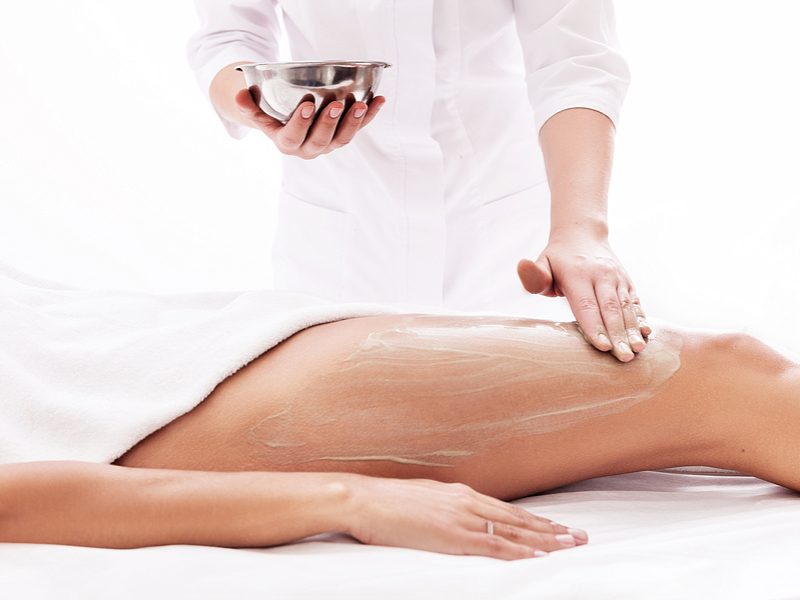
Posted on

RESTORING MITOCHONDRIAL FUNCTION AND BIO-ENERGETICS

DNA strands image

Restoring Mitochondrial Function and Bio-Energetics

by Ward Dean, MD

In 1956 Denham Harman, MD, introduced his groundbreaking paper on the Free Radical Theory of Aging. Over the years a number of scientists have elaborated on Dr. Harman’s original work, striving to establish a direct link between free radical damage and human aging, and age-related diseases. Several of these mitochondrial-related theories of aging have been summarized in previous issues of Vitamin Research News (Vol. 16, No.10, and Vol. 16, No.11).

Mitochondrial damage is one of the main causes of the age-related decline of cellular energy production (“bioenergetic decline”). In addition to being the principal source of energy for all cells, mitochondria are also the primary site of free radical production. Free radicals are highly reactive molecules that damage cellular structures such as membranes, proteins, and both nuclear and mitochondrial DNA. Due to their proximity to the inner mitochondrial respiratory chain -which is also a primary source of free radical production-and their limited capacity for self-protection and repair, mitochondrial DNA are particularly susceptible to free radical damage. Mitochondrial dysfunction is now well recognized as a cause of a number of diseases as well as aging itself.

As evidence implicating mitochondrial dysfunction in the aging process continues to accumulate, the question becomes: What-if anything-can we do about it?

Improving Mitochondrial Function

Alzheimer’s disease
Parkinson’s disease
Essential hypertension
Cardiomyopathy
Congenital muscular dystrophy
Immune (HyperThyroid)
Fatigue & Exercise intolerance
Huntington’s chorea
Longevity (Aging)
MELASL (Mitochondrial Encephalomopathy, Lactic Acidosis, and Stroke-Like episodes)
Deafness
Diabetes
Multiple symmetric lipomatosis
Myalgias
Myoglobinuria
Myopathy syndromes
Neoplasms (Cancer)
Optic atrophy
Rhabdomyolysis: mtDNA
Sudden infant death (SIDS)
Wilson’s disease

Table 1. Diseases due to mitochondrial dysfunction.

Fortunately, a growing body of research suggests that a number of interventionist strategies may help to reduce mitochondrial damage, enhance mitochondrial repair, and restore mitochondrial energy-producing processes to more youthful levels. These strategies include lifestyle changes, such as diet and exercise, as well as supplementation with nutritional and pharmaceutical substances that may minimize age-related mitochondrial changes and enhance mitochondrial function.

CoQ10
Coenzyme Q10 is probably the most widely used cofactor for treating mitochondrial-related diseases. CoQ10 functions as the electron carrier in the inner mitochondrial membrane, transferring electrons from complexes I and II to complex III. In addition to increasing biosynthesis of ATP (the universal energy molecule), and acting as a potent free radical scavenger, CoQ10 also reduces lactic acid levels, improves muscle strength, and decreases muscle fatigability. (1)

Idebenone
Idebenone is a CoQ10 analog that, while sharing some of CoQ10’s properties, offers unique mitochondrial-protective benefits of its own. Idebenone is a powerful mitochondrial free radical quencher that reduces the ever-increasing damage to mitochondrial DNA that occurs with age. Idebenone has also been shown to be more effective than CoQ10 in the electron transport chain. Studies show that when cellular oxygen levels are low-a condition that may occur periodically over a lifetime- idebenone is actually superior to CoQ10 for preventing free radical damage while helping cells maintain relatively normal ATP levels-a property that is especially beneficial to brain and heart cells that may be rapidly damaged during low ATP production due to poor tissue oxygenation. (2)

Acetyl-L-Carnitine
Mitochondrial changes that occur with age include alteration of mitochondrial membrane potential (mitochondrial membrane potential of old rats is known to decline by about 40 percent compared with young animals); (3) a reduction in membrane levels of cardiolipin (an important phospholipid that serves as a cofactor for a number of critical mitochondrial transport proteins); a reduction in Coenzyme Q10 levels (an important factor in the electron transport chain); and a decrease in the concentration of carnitine (an important factor in the beta-oxidation of fatty acids). (4)

Dr. Tory Hagen, in the Molecular and Cell Biology Laboratory of Dr. Bruce Ames at the University of California, proposed that dietary supplementation might reverse some of these age-related mitochondrial changes. Dr. Hagen and his associates demonstrated that ALC restores mitochondrial membrane potential and cardiolipin levels of old mice to that of young animals, facilitates fatty acid transport into mitochondria, and increases overall cellular respiration. The researchers also noted that ALC enhances cognitive performance, increased production of neurotransmitters, and restores levels of certain hormone receptors to more youthful levels. They concluded that ALC reverses many aspects of age-related cellular dysfunction, principally through maintenance of mitochondrial function. (5)

N-Acetyl Cysteine
As previously noted, a major cause of mitochondrial dysfunction is due to changes that take place in the respiratory chain where oxidative phosphorylation occurs (explained in detail in Vitamin Research News, Vol. 16 No. 11). A team of researchers in the Department of Bio-chemistry and Biophysics at the University of Kalyani in India studied the effects of N-Acetyl Cysteine (NAC) on key elements of the respiratory chain. (6) They administered NAC to mature (40 week-old) rats. After 20 weeks of treatment they found that the activities of Complex I, IV and V were significantly higher in the treated rats compared to the controls. NAC also helped to maintain levels of the important mitochondrial antioxidant, glutathione, as well as prevented cell death in in vitro studies. (7) In other in vitro studies, NAC protected cells from “programmed cell death” (PCD)-also known as apoptosis-by promoting oxidative phosphorylation, mitochondrial membrane integrity, and mitochondrial homeostasis. (8)

(R) Alpha Lipoic Acid
Dr. David Horrobin’s group at Trinity College, Dublin, Ireland, found that a diet supplemented with alpha-lipoic acid reversed a number of age-related changes in the brains of rats. (9) These changes included: (1) increased activity of the anti-oxidant enzymes, superoxide dismutase (SOD), catalase, and glutathione peroxidase (GSH px); and (2) decreased production of free radicals.

Dr. Tory Hagen and associates at the University of California evaluated the mitochondrial-resuscitating properties of an even more effective form of lipoic acid-(R)-alpha lipoic acid. They gave (R)-alpha lipoic acid to young and old rats for two weeks, and found that mitochondrial oxygen consumption of the old rats treated with (R)-alpha lipoic acid was completely restored to the level of young, unsupplemented rats. The researchers also found that (R)-alpha lipoic acid, like ALC, increased mitochondrial membrane potential of old rats by up to 50 percent, compared to unsupplemented old rats.

In addition, they found that animals treated with (R)-alpha lipoic acid demonstrated twice the activity of the untreated old animals-again, demonstrating a partial reversal of age-associated changes.

(R)-alpha lipoic acid supplementation also increased mitochondrial glutathione and vitamin C in old animals to levels higher than those of young animals, indicating (R)-alpha lipoic acid’s ability to reverse the age-associated decline in low molecular weight antioxidants, therefore reducing the risk for oxidative damage that occurs with aging. (10)

Hagen and his colleagues concluded that (R)-alpha lipoic acid supplementation improves mitochondrial function in old rats, alleviates some of the age-related loss of metabolic activity, increases ATP synthesis and aortic blood flow, and increases glucose uptake. Furthermore, (R)-alpha lipoic acid appears to be about ten times more potent than the more commonly available form of lipoic acid. The researchers further concluded that (R)-alpha lipoic acid supplementation may be a safe and effective means to improve general metabolic activity and increase antioxidant status.

Omega Three Fatty Acids
Mitochondrial calcium levels increase and mitochondrial membrane cardiolipin content decreases with aging. Scientists at the National Institute on Aging found that omega-3 fatty acids from fish oils are cardio-protective in aging animals, in that they minimized the increase in mitochondrial calcium content, prevented the decrease in cardiolipin content, and increased levels of phosphatidylcholine. (11)

Dr. Salvatore Pepe of the Alfred Hospital Cardiac Surgical Research Unit in Melbourne, Australia, reported similar findings. Dr. Pepe demonstrated that an omega-3 rich diet directly increases mitochondrial membrane cardiolipin concentrations, increases the ratio of mitochondrial membrane omega-3 to omega-6, and increases tolerance of the heart to ischemia and reperfusion. (12)

Niacinamide (Vitamin B3)
Drs. Christopher Driver and Angela Georgiou of the National Aging Research Institute in Australia tested the efficacy of niacinamide to re-energize the bioenergy system of old fruit flies. After administering niacinamide (250 mcg/ml of water) to the flies, they determined that niacinamide ameliorated age-related changes in bioenergy and extended the lifespan of the flies by 15 percent. (13)

Thiamine (Vitamin B1)
Large doses of thiamine (vitamin B1) have been used to stimulate NADH, which then augments oxidative phosphorylation at Complex I. Doses of 300 mg/day in patients with chronic external ophthalmoplegia (CPEO), resulted in normalization of blood levels of lactate and pyruvate. (14)

Riboflavin (Vitamin B2)
Riboflavin (vitamin B2) functions as a cofactor in Complex I and II. Riboflavin in a dose of 100 mg/day improved exercise capacity in a patient with a mitochondrial myopathy due to a Complex I dysfunction. (15)

Exercise
Elderly subjects tend to use more glucose and less fat during exercise than young subjects. However, endurance training increases muscle respiratory capacity, decreases glucose production and oxidation, and increases fat oxidation, thereby correcting or compensating to some degree the age-related alterations in substrate oxidation and energy production. (16)

One argument that is propounded by some scientists as an excuse for their sedentary lifestyles is the fact that exercise increases the production of free radicals. However, scientists at the Guang-zhou Institute of Physical Education in Canton, China, showed that endurance training actually increases the production of mitochondrial manganese superoxide dismutase (MnSOD) and glutathione peroxidase (GSH px), resulting in an overall increase in antioxidant activity and decrease in lipid peroxidation. (16)

Ginkgo Biloba
Ginkgo biloba extract has been found by scientists in Spain to protect mitochondrial DNA (MtDNA) against oxidative damage and oxidation of mitochondrial glutathione. (17) The Spanish researchers found that Ginkgo biloba extract also prevents age-related morphological changes in mitochondria of the brain and liver. They concluded that “mitochondrial aging may be prevented by antioxidants,” and that “certain antioxidants are also able to prevent the impairment in physiological performance, particularly motor coordination, that occurs with aging.”

Succinate
Succinate is a tricarboxylic acid (Krebs’) cycle intermediate that donates electrons directly to Complex II. Succinates have been widely used for their alleged ability to enhance athletic performance-especially in Russia. (18) Dilman believed succinic acid was a non-specific cell receptor sensitizer. Several studies reported improvement in clinical conditions using six grams per day of sodium succinate. One patient with respiratory failure and a known mitochondrial defect of Complex I, IV, and V completely resolved on a regimen of 300 mg CoQ10 per day, and six grams of sodium succinate. (19) Another patient with Mitochondrial encephalomopathy, lactic acidosis, and stroke-like episodes (MELAS) improved dramatically when treated with six grams of sodium succinate alone. (20) I think the use of succinates is even more effective when a balance of several salts is used-especially combinations of magnesium and potassium.

Conclusion
Mitochondrial dysfunction has been identified as one of the principal causes of age-related bioenergetic decline. Although there is no single “silver bullet” or even combination of substances that will unfailingly resuscitate all aspects of aging mitochondria, anti-aging physicians and scientists have discovered a number of nutrients and prescription substances that alleviate or completely restore many aspects of mitochondrial failure. Combinations of these nutrients, acting on multiple targets, may normalize mitochondrial function, increase cellular and systemic energy production, alleviate mitochondrial-related disease, and delay age-related decline in many organs and systems of the body.

References

1. Cohen, B., and Gold, D. Mitochondrial cytopathy in adults: What we know so far. Cleveland Clinic J Medicine, 2001, 68: 7, 625-642.
2. James South, Idebenone: The Ultimate Anti-Aging Supplement? Vitamin Research News, April 2001.
3. Sugrue, M., and Tatton, W. Mitochondrial membrane potential in aging cells. Biol Signals Recept, 2001, 10: 3-4, 176-188.
4. Opalka, J., Gellerich, F., Zierz, S. Age and sex dependency of carnitine concentrations in human serum and skeletal muscle, Clinical Chemistry, 2001, 47: 12, 2150-2153.
5. Hagen, T., Wehr, C., and Ames, B. Mitochondrial decay in aging-Reversal through supplementation of Acetyl-L-Carnitine and N-tert-Butyl-alpha-phenyl-nitrone, Annals NY Acad Sci, Vol 854, Towards Prolongation of the Healthy Life Span-Practical Approaches to Intervention, 1998, 214-223.
6. Chakraborti, S., Batabyal, S., Ghosh, S., Chakraborti, T. Protective role of N-acetylcysteine against the age-related decline in oxidative phosphorylation in pulmonary smooth muscle mitochondria. Med Sci Res, 1999, 27: (1), 39-40.
7. Banaclocha, M. Therapeutic potential of N-acetylcysteine in age-related mitochondrial neurodegenerative diseases. Medical Hypotheses, 2001, 56: 4, 472-477.
8. Cossarizza, A., Franceschi, C., Monti, D., et al, Protective effect of N-Acetylcysteine in tumor necrosis factor-alpha-induced apoptiosis in U937 cells: The role of mitochondria. Experimental Cell Research, 1995, 220: 232-240.
9. Martin, D., Towey, M., Horrobin, D., and Lynch, M. A diet enriched in alpha lipoic acid reverses the age-related compromise in antioxidant defenses in rat cortical tissue. Nutr Neurosci, 2000, 3: 3, 193-206.
10. Hagen, T., Ingersoll, R., Lykkesfeldt, J., et al, R-alpha lipoic acid-supplemented old rats have improved mitochondrial function, decreased oxidative damage, and increased metabolic rate. FASEB J., 1999, 13: 411-418.
11. Hansford, R., Naotaka, T., and Pepe, S. Mitochondria in heart ischemia and aging. Biochem Soc Symp, 1999, 66: 141-147.
12. Pepe, S., Mitochondrial Function in ischemia and reperfusion of the ageing heart, Clin Exp Pharmacol Physiol, 2000, 27 (9), 745-750.
13. Driver, C., and Georgiou, A. How to re-energize old mitochondria without shooting yourself in the foot. Biogerontology, 2002, 3: 103-106.
14. Lou, H.C. Correction of increased plasma pyruvate and lactate levels using large doses of thiamine in patients with Kearns-Sayre Syndrome. Arch Neurol, 1981, 38, 469.
15. Arts, W., Scholte, H. Bogaard, J., et al, NADH-CoQ reductase deficient myopathy: Successful treatment with riboflavin. Lancet, 1983, 2: 581-82.
16. Mittendorfer, B., and Klein, S. Effect of aging on glucose and lipid metabolism during endurance exercise. Int J Sport Nutr Ex Metab, 2001, 11 (Suppl), S86-S91.
17. Lu, J., Chen, C., Xu, H., et al. Effects of prolonged physical training on antioxidation in aged mice myocardial mitochondria. Tianjin Tiyu Xueyuan Xuebao, 1999, 14 (2), 23-25.
18. Sastre, J., Pallardo, F., De la Asuncion, J., and Vina, J. Mitochondria, oxidative stress and aging. Free Radical Res, 2000, 32: (3), 189-198.
19. Shoffner, J., Lott, Voljavec, A., et al, Spontaneous Kearns-Sayre/chronic external ophthalmoplegia plus syndrome associated with a mitochondrial DNA deletion: a slip-replication model and metabolic therapy. Proc Natl Acad Sci USA, 1989, 86: 7952-56.
20. Kobayashi, M., Morishita, H., Okajima, K., et al. Successful treatment with succinate supplement in a patient with a deficiency of Complex I (NADH-CoQ reductase). Int Cong Inborn Errors Metab, 4th, Sendai, Japan, 1987, p. 148.

The information in this article is not intended to provide personal medical advice, which should be obtained from a medical professional, and has not been approved by the U.S. FDA.

Copyright 2002 by Vitamin Research Products, Inc. (VRP) The use of information found in Vitamin Research News for commercial purposes is prohibited without written permission from VRP.