Posted on

Nutritional Deficiencies

Nutritional Deficiencies

Nutritional deficiencies can cause countless ailments and diseases.  However, eating the proper foods and supplementing certain nutrients can reverse poor health and reduce your risk of illness.

A recent news report indicated that the health insurance will likely increase by 25% in 2017.

In the past 60 years, the percentage of the population suffering from a chronic disease has risen from 10% to over 60%.

In 2010, the National Cancer Institute did a study of more than 14,000 people, aged 2 to 80, and could not find one person with a truly healthy diet. In fact, a vast majority of these people were deficient in 11 out of 14 nutritional categories.

The obvious answer is that most people are just not eating enough of the right foods, and our medical profession is doing a terrible job of preventing illness.  It’s just not what they do. What are the reasons?

  • Doctors do not get good nutritional education.
  • Schools provide inadequate nutritional education.
  • The USDA Food Pyramid is seriously flawed.
  • Doctors treat symptoms of disease, not the causes.
  • The diagnostic tools used are woefully inadequate.
  • People adopt poor eating habits very early in life.
  • Farmers are growing food that is nutritionally deficient.
  • Food companies over process most of their products.

What are the most dangerous nutritional deficiencies?

Many nutritional deficiencies should concern us all, but there are ten that deserve some immediate attention by most people:

  1. Vitamin D3
  2. Vitamin B
  3. Iodine
  4. Omega 3 fats
  5. Enzymes
  6. Magnesium
  7. Vitamin C
  8. Lutein
  9. Coenzyme Q10
  10. Vitamin E

There are a number of tests that will determine nutritional deficienceis in any of these key nutrients.  Sources for these nutrients may be found in the foods we should be eating as well as in nutritional supplements that have been scientifically proven to contain equivalent nutrients.

  1. Vitamin D3– This nutrient is deficient in 50% of the population generally, and is even higher in places where the sun does not shine very often.  Populations living in northern locations have much higher vitamin D3. It is important for the development of teeth and bones, the protection of the heart, and the prevention of Type 2 diabetes.  Perhaps its most important role is in the prevention of cancer.  Vitamin D3 turns off genetic expressions for cancers in hundreds of genes, including those involved in breast cancer and prostate cancer.  Scientific studies have shown that high levels of vitamin D3 reduce the risk of breast cancer by 77% and prostate cancer by 83%.

Some common Vitamin D deficiency symptoms include insomnia, easy bruising, delayed wound healing, chronic diarrhoea, nosebleeds, frequent fractures, teeth or bone heartbeat.

Some of the best sources of Vitamin D include the following: sunshine or bare skin, egg yolks, milk (preferably goat or sheep), Fish liver oils (e.g., cod), sardines, herring, salmon, halibut and mackerel.

Daily requirement –Can range from 1,000 IU to 10,000 IU/day.

  1. Vitamin B – There are several different B vitamins, and we need all of them.  They include vitamin B1, B2, B3, B5, B6, B12, folate, and biotin.  Very few people do not have a deficiency of one or more of the key B vitamins.  This is illustrated by the crucial role they play in the development of hormones, neurotransmitters, and other biochemicals.  Vitamins such as B6and B12 play a key role in the methylation process, which involves breaking down amino acids to make biochemicals.  Without these two nutrients, people will experience many illnesses, including heart disease, cancer, mental challenges, and even sexual disorders.

Some common Vitamin B deficiency symptoms include lack of energy, sexual dysfunction, mental/emotional challenges, insomnia, poor appetite, digestive problems, poor skin, and nail or hair development.

Some of the best sources for B vitamins include: fish, nuts, whole grains, eggs, beans, dark leafy vegetables, poultry, cabbage, broccoli, brown rice and sea vegetables.

Nutritional deficiencies of B-vitamins can appear in the nails. Brown-grey nails may be a sign of vitamin B-12 deficiency. Beads that seem to drip down the nail bed like wax is an indication of vitamin B deficiencies.

  1. Iodine – Iodine is found in every tissue in the body, and it is thought that up to 40% of the worldwide population is deficient in iodine.  It is particularly important for the function of a healthy thyroid, and has been implicated in many diseases, including cancer.

Some common iodine deficiency symptoms include dry mouth, chronic skin infections, dry skin, fibroid development, and reduced mental alertness, sensitivity to cold and stuffy sinuses.

Best sources of iodine: Unprocessed sea salt, Seaweed, Kelp, Spirulina, Shrimp, crab, lobster, eggs

  1. Omega-3 fats – Omega-3 fats are vital to our health and are found in high concentrations in certain fish, as well as in various nuts and seeds.  Omega-3 deficiency is ranked as the sixth leading cause of disease, but is primarily associated with cardiovascular disease and brain illnesses, such as depression and Alzheimer’s.  Salmon is the most popular source of omega-3 fats, but sardines and krill oil offer even higher concentrations.

Omega 3 fats are inflammatory while omega 6 fats are inflammatory.

The ideal ratio of these two omega fats is 1 to 1, but the ratio in the typical Western diet is 1 to 20, because people are getting too many omega-6 fats from fried and processed foods.

The ideal daily allowance for these two forms of omega fats are:

Omega-3 = 600 mg/day

Omega-6 = 110 mg/day

Some common omega-3 deficiency symptoms include dry skin/eczema, poor memory, high cholesterol, high blood pressure, depression or anxiety, arthritis, poor exercise, dry eyes or grit in eyes, dry hair.

Some of the best sources of omega-3 fats: Salmon, walnuts, tuna, flaxceed, hemp seeds, herring, borage oil, black currant seeds, pumpkin seeds, sardines
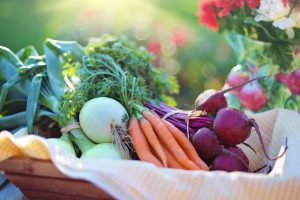
  1. Enzymes – Enzymes are primarily reactive or catalysts, meaning that they cause things to happen biochemically in the body.  They can be useful in the digestion and assimilation of food, the neutralizing of germs, and the removal of things like arterial plaque or fibroids.  Many enzymes are found in raw fruits and vegetables, while cooking these foods destroys virtually all of the enzymes.  Some enzymes are derived from the fermentation of bacteria, such as nattokinase, made from soybeans, or serrapeptase, derived from silkworms.  These “specialty” enzymes are less known for their role in digestion and better known for their role in the reduction of arterial plaque or the dissolving of fibroids.

Our bodies make some digestive enzymes naturally in the pancreas, but this process declines over the years as a part of the aging process.  By some accounts, as much as 50% of natural enzyme production declines by the age of 50.  That is why some people decide to supplement with enzymes in order to assist in the digestion process.  This is especially needed for food that has been cooked.

Some common signs of enzyme deficiency: excessive gas, colitis or irritable bowel syndrome, bloating after meals, poorly formed stools, stomach or bowel pain, constipation, chronic heartburn, fatigue after exercise, eczema or psoriasis, chronic diarrhoea,

Some of the best sources of enzymes: All raw fruits and vegetables, Fermented bacteria (nattokinase), Pineapple (bromelain), Papaya (papain), Silkworm (serrapeptase)

  1. Magnesium – Magnesium may be the most important nutrient of all, due to its crucial role in the prevention of diabetes, heart disease, obesity, and every known brain disorder.

There are more than 3,700 sites on human protein cells where magnesium is needed in order to promote detoxification, produce antioxidants, such as glutathione, and transport insulin and glucose into every cell to make energy. And, while magnesium is the fourth most abundant mineral in the body, more than 80% of us suffer from a magnesium deficiency.  When magnesium is not at sufficient levels, people can experience heart attacks, diabetes, depression, strokes, and much more.

The average adult needs about 500 mg of magnesium every day, but for those who exercise, this requirement could be five or ten times higher, depending on the intensity and the duration of the exercise.  Many athletes or weekend warriors are unaware of this need for higher levels of magnesium and experience dire consequences as a result.

 Some common magnesium deficiency symptoms: Muscle cramps, insomnia, muscle weakness, nervousness, constipation, irregular heartbeat, depression or anxiety, weak bones, high blood sugar.

Some of the best sources of magnesium: Whole grains (not wheat), Green vegetables, Brazil nuts/almonds, beet greens, blackstrap molasses, rice bran, seeds (fennel, poppy, cumin) and beans

  1. Vitamin C – Vitamin C is the most broad – spectrum antioxidant from external sources which means that internally produced antioxidants, like glutathione, may be more widely utilized, but of those consumed as food, vitamin C is the leading nutrient capable of neutralizing toxins known as free radicals.  In that regard, vitamin C is crucial to our immune system and is capable of preventing colds in small doses and treating cancer in larger doses.  There is scientific evidence to support both benefits.

The recommended daily allowance for vitamin C is 60 mg, but this will only help in cases such as the prevention of scurvy.  It is really a minimum daily allowance, and most scientists agree that about 2,000 mg are needed daily to prevent chronic illness.  Larger amounts of 10,000 mg or more have been used orally to treat illness, while 50,000 mg or more intravenously have been used for cancer.

Some common vitamin C deficiency symptoms: Frequent colds or flu, Buildup of arterial plaque, Frequent infections, Delayed wound healing, easy bruising, bleeding or tender gums, arthritis or joint pain, lack of energy or chronic fatigue

Some of the best sources for vitamin C: Berries of all kinds, cherries, citrus fruits, tomatoes, kiwi, and broccoli.
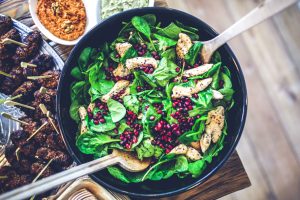
  1. Lutein– Lutein does not usually appear on the list of important nutrients, but that is a big mistake.  Lutein, vitamin A, and zeaxanthin are crucial carotenoid nutrients for the health of our eyes.  Lutein is found in leafy green vegetables, as well as deep orange and yellow vegetables.   Although there are more than 600 different foods in the world known as carotenoids, only about 20 of them are deposited in large quantities in the eyes.

Lutein and zeaxanthin fight free radical damage in the eyes, slow the development of cataracts, and generally prevent macular degeneration.  Lutein is also valuable in the protection of our skin, the prevention of diabetes, and the prevention of cancers, including breast and colon cancer.

Some common lutein and zeaxanthin deficiency symptoms: Blurred vision, frequent polyps in the colon, poor night vision, signs of skin aging or damage, deteriorating eyesight, persistently high blood sugar levels, high inflammation levels, Build-up of plaque in arteries.

Some of the best sources for lutein and zeaxanthin: Orange bell peppers, egg yolks, kale and spinach, broccoli, kiwi fruit, romaine lettuce, zucchini and squash, turnips and collard greens.

  1. Coenzyme Q10 – This is another nutrient that is not usually on a list of very important nutrients, but it should be.  CoQ10plays a crucial role in the production of energy in the mitochondria of our cells, as well as the protection of the nucleus, which contains our DNA.  While some people get good amounts of CoQ10 in dairy and meat, they also get saturated fat and cholesterol, which produces inflammation and causes the build-up of arterial plaque.

While some CoQ10 is produced in the body, it is usually not enough to meet our daily needs, especially if we reduce our consumption of dairy and red meat.  CoQ10 is most needed by organs with fast metabolism, such as the brain, the heart, the liver, the kidneys, and the lungs.  For this reason, CoQ10 has been proven to prevent diseases associated with these organs, as well as reversing these same diseases in many cases.  In one study, 50% of patients on dialysis were able to get off their kidney support machines by taking 180 mg/daily of CoQ10 for three months.  Similar results have been shown in studies on heart disease, liver disease, and even Parkinson’s disease.

 Some common CoQ10 nutritional deficiency symptoms: Muscular weakness, chronic fatigue, heart rhythm disturbances, poor kidney function, increased infections, accelerated skin aging, high blood pressure, bleeding or receding gums.

 Some of the best sources of CoQ10: Organ meats (liver, kidneys), spinach, broccoli, grass-fed beef, sardines, cauliflower, mackerel and poultry.

  1. Vitamin E – Vitamin E is an oil- based antioxidant that is valuable to every cell, but particularly to cells in the brain and the heart.  It is the membrane of the cell that is often damaged by free radicals, such as toxins.  Vitamin E not only neutralizes free radical damage; it also makes the cell membrane softer and better able to transport nutrients into the cell and waste out of the cell.  It also helps to recycle its antioxidant partner, vitamin C, which makes these two antioxidants a dynamic duo.

Some common vitamin E deficiency symptoms: Swollen legs or ankles, easy bruising, Exhaustion after light exercise, Tendency to form blood clots, Lack of sex drive, Loss of muscle tone, Cold hands or feet, Slow wound healing

Some of the best sources of vitamin E: Whole grains (not wheat), green vegetables, walnuts, pecans, almonds, hazelnuts, sunflower seeds, omega oils, olive oil, eggs and oatmeal.

Posted on

Supplements for Memory

Supplements for Memory

SUPPLEMENTS FOR MEMORY

Many people, particularly in older age complain of memory problems. There are many supplements for memory that we will look at in this article.

Memory is related to good blood circulation. The quality of circulation and how freely blood can move through the vessels to all parts of the body and how well it can carry nutrients such as oxygen, sugars, enzymes and other life – giving nutrients and remove the waste products of cellular metabolism directly affects the health of every cell in the body.

When all these nutrients are not supplied to the body every minute of the day and the wastes are not constantly removed, the body begins to age more rapidly.

We begin to experience aches and pains, stiffness, joint pain, low energy levels and sluggish memory. Also, it is difficult to learn new things as well, we forget important telephone numbers, people’s names and we have trouble keeping up with all the changes going on around us.

Memory is crucial to everything that we learn every day, whether you are a student, worker, professor, a lecturer or a layperson.

What are the causes of memory issues?

We have mentioned that poor circulation in the capillary networks is one major cause of poor memory. There are other factors such as:

The consumption of alcohol, tobacco, drug use, sleep deprivation, stress, nutritional deficiencies and dehydration. Let us examine these in more detail below.

  • Smoking harms memory by reducing the amount of oxygen that gets to the brain. Studies have shown that people who smoke find it more difficult to put faces with names than the non-smokers. Also, illicit drugs can change chemicals in the brain that can make it hard to recall memories.
  • Lack of sleep can lead to fatigue which interferes with the ability to consolidate and retrieve information.
  • Stress and depression can affect attention and focus and your ability to remember things and people.
  • Nutritional deficiency in minerals and vitamins can affect memory function. Studies suggested that if you are deficient in different vitamins, minerals and other nutrients you may be at greater risk of developing dementia.
  • Dehydration can also put you in a risk for developing nutrition -oriented dementia. A new study published in published in the American Journal of Clinical Nutrition found that the functioning of our brains can be compromised by just a minor degree of dehydration. Water makes up nearly two-thirds of the body and is an essential nutrient, necessary for all aspects of bodily functioning including the distribution of oxygen and other nutrients, the removal of waste products and the regulation of temperature.

Are there Supplements for memory?

Research suggest that there are several supplements for memory that may help improve your brain health.

Several of these herbs have been studied for their effects on Alzheimer’s disease while there are others that have been tested for their overall effects on cognition.

Let us examine some of the supplements for memory that have been well researched.

  1. Turmeric (Curcuma longa) which contains the active compound curcumin, which has antioxidant and anti-inflammatory effects.

It is the main ingredient in curry powder which grows in India and other Southeast Asian countries.

Research suggests that turmeric may boost brain health and stave off Alzheimer’s disease by clearing the brain of beta-amyloid (a protein fragment). The build-up of beta-amyloid is known to form Alzheimer’s-related brain plaques. We suggest TURMERIC COMPLEX which is a formulation that not only contains turmeric but also contains black pepper and other synergistic herbs such as ginger root extract, cayenne extract, zinc citrate and vitamin B6 which has been shown to increase the absorbency.

2. Ginkgo Biloba is another herb that has been long used in memory as well as circulation problems. A research review published in the Journal of Alzheimer’s Disease in 2015 suggests that a ginkgo biloba extract called EGb761 may be especially helpful in slowing decline in cognition among patients experiencing neuropsychiatric symptoms in addition to cognitive impairment and dementia.

3. Ashwagandha (Withania Somnifera root) is another herb that has been found to inhibit the formation of beta-amyloid plaques in preliminary research.

Recent research suggest that Ashwagandha protects the brain from cell degeneration, which can lead to neurodegenerative diseases like Alzheimer’s and Parkinson’s.

Ashwagandha contains powerful antioxidants that destroy the free radicals that cause aging, helped promote cell outgrowth, reverse behavioural deficits and plaque build-up and reduce amyloid beta burden.

5. Ginseng is one of the most popular herbs in herbal medicine, contains anti-inflammatory chemicals called ginsenosides. Studies suggested that ginsenosides may help reduce brain levels of beta amyloid.

6. Bacopa Monnieri is an herb used in Ayurvedic medicine that have been used for thousands of years for treating memory and brain related disorders. Studies show that bacopa may slightly improve scores on cognitive tests in some people. Some other preclinical research studies have identified biological mechanisms by which it might protect the brain from aging and perhaps Alzheimer’s disease.

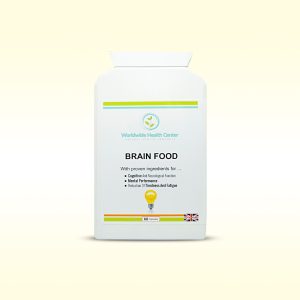
The good thing is that you do not need to take all these herbs and nutrients in many pills as there is now a formula that we use at the Da Vinci Natural Health Center called BRAIN FOOD that contains all of these ingredients with some other too.

This formula will help to support focus, concentration, mental performance, memory call and energy levels, ability to think more clearly and provides valuable additional nutritional energy to your brain and body.

So, taking supplements for memory is a good way of keeping the brain in good health and preventing memory problems.

Brain food

BUY NOW!

Posted on

Detoxification: The secret of 21st century

Detoxification: The secret of 21st century

What is detoxification?

Detoxification is an important aspect of optimal health and has become a household word and a colloquialism that could mean anything from drinking a glass of carrot juice to entering a detoxification centre if you are an alcoholic or drug addict.

Detoxification is the process of removing the toxins that have been accumulating in the body tissues and organs throughout a person’s life.

These toxins will have been acting as metabolism blockers by literally poisoning the cells and not allowing them to function correctly.

You can have toxins stored in your body for years without experiencing any negative symptoms. It is only when the toxin levels become too high that you start to feel ill.

Where are the sources of toxins?

The toxins come from many sources such as:

Exogenous toxins: are those that enter our bodies from the outside, i.e. food additives, pesticides, herbicides, fungi from food, industrial

pollutants, viruses, bacteria, parasites and electromagnetic pollution such as Xrays, electromagnetic radiation and geopathic stress.

Endogenous toxins: toxins that are found or generated within the human body. This can occur when the body’s normal metabolic mechanisms function inefficiently. For example, it typically takes several steps to convert the amino acid methionine into cysteine. If one step is sluggish, an intermediate called homocysteine accumulates in tissues. Accumulation of homocysteine can damage the vascular system and contribute to heart disease.

Autogenous toxins: are generated within the body from miasmic influences, which are inherited tendencies that can pass through up to seven generations. Examples of these are psora, sycosis, tuberculosis, syphilinum and others. There is no detection of these pathogens with scientific testing, but their deep presence can affect the body’s organs, primarily by inhibiting a good immune response and lowering its resistance.

 What are the benefits of a detoxification process?

  • The digestive tract is cleansed of accumulated waste and fermenting bacteria.
  • Liver, kidney and blood purification can take place, which is not possible during regular eating patterns.
  • Mental clarity is enhanced as chemical and food additive overload is reduced
  • Reduced dependency on habit-forming substances such as sugar, caffeine, nicotine, alcohol and drugs
  • The stomach size is returned to normal as bad eating habits are stopped
  • The hormonal system is enhanced which is especially true for growth hormones
  • The immune system is stimulated.

Is there any way to detoxify my body?

 There are natural, gentler ways of detoxifying the body of heavy metals and other xenobiotics.

In the Da Vinci Natural Health Center we used an alkaline detox diet for 15 consecutive days including fresh fruit, salads, freshly squeezed juices, steamed vegetables and vegetable soups as part of it.

This means that you ONLY eat these foods for the duration, most of which will be rich in the live enzymes, which are the tools required to flush out the toxins from the body. You must be patient and put your mind to it.

We strongly suggest that you try to eat as many raw fruits and vegetables as possible, including at least 1-3 fruit and vegetable juices daily. Carrot juice has a strong effect on the digestive system, provides energy, serves as an important source of minerals, promotes normal elimination, has diuretic properties and helps to build healthy tissue, skin and teeth.

We also encourage the use of green juice mixed with carrot juice and beetroot. This can be anything from fresh parsley, lettuce, kale, collard greens, Swiss chard, alfalfa, cabbage, spinach, turnip greens, watercress, celery, cucumber, green pepper, scallions, coriander, or any other green vegetable in season.

All green vegetables contain chlorophyll, which is very oxygenating for the body. It is also an effective antiseptic, cell stimulator, red blood builder and rejuvenator – therefore, helping to remove toxic sludge faster. Greens are also super-rich in live enzymes.

Each meal should begin with raw fruit or vegetables, seasoned with a little lemon, ginger, garlic, coconut or desired herbs. This way, they are available for digesting the fat, protein, and carbohydrates from the meal that follows. The enzymes in vegetables control or restrict the amount of waste deposited on your adipocytes.

These are the foods that are allowing during the detoxification phase – no other family of foods is allowed. You may eat as many of the following foods as you wish, but it is best to eat only when you feel hungry.

Wash all fruit and vegetables in a bowl of water with 4-5 tablespoons of grape vinegar added (not apple cider vinegar), to help wash away any pesticide/herbicide residues. Rinse afterwards with clean water. Here are the foods that you can eat in plenty – in fact, the more you eat and drink, the quicker you detoxify.

We cannot emphasise just how important the detoxification diet is to your success!

Are there any side effects during the detoxification process?

When the body detoxifies, it goes through various biochemical and physiological changes. Generally, on the first day of fasting the blood sugar level is likely to drop below 65-70 mg/dl. The liver immediately compensates by converting glycogen to glucose and releasing it in the blood.

After a few hours, the basal metabolic rate is likely to fall to conserve energy. This means that the heart, pulse and blood pressure will drop. More glycogen may be used from muscles, causing some weakness.

 As the body requires more energy, some fat and fatty acids are broken down to release glycerol from the glyceride molecules and are converted to glucose. You may notice the skin becoming quite oily as these fatty acids and glycerol increase in the blood. The skin is one of the largest detoxification organs, so you may get some skin problems such as pimples, acnes or a pussy boil – this is all part of the body trying to cleanse. The complexion may become pallid for a day or two as the wastes accumulate in the blood.

The incomplete oxidation of fats may result in the formation of Ketones resulting in ketoacidosis. Combined with high levels of urea, resulting from protein metabolism, this state can cause several symptoms which may suppress appetite; they affect the satiety centre in the hypothalamus.

Generally, this takes a few days to happen and you may notice your appetite dwindling. You may get pains in different joints, or organs such as the lungs. There may be a considerable amount of yellow mucus released from the throat and expelled. The sinuses may also begin clearing with more mucus secreted.

Given that the body is releasing these toxins quickly during the first few days of the detoxification process, it should not surprise you to experience some changes in your body that may cause certain symptoms. Initially, for the first 2-3 days these symptoms can be a little unpleasant, SO BE WARNED! This may include headaches, nervousness, diarrhoea, upset stomach, energy loss, furry tongue, halitosis (bad breath), as well as acne or other skin rashes, a general feeling of malaise, frequent urination due to the toxins irritating the bladder and some of their existing symptoms may be exacerbated. All these symptoms indicate that the DETOX IS WORKING!

 Are there any supplements that should I take to help with the detoxification process?

We recommend that is a good idea to take a multivitamin formula to help optimize your levels of vitamins and minerals, which are crucial raw materials for many of the detoxification pathways of the body. Choose one that has high levels of vitamins and minerals, not just the RDA levels – at the Da Vinci Health Center we use a high-potency formula called HMD MULTIS.

In addition, taking Vitamin C x 3 times daily during the detoxification process will also help. Vitamin C will help to absorb certain toxins as well as helping the immune system cope with a heavy burden of toxins that it needs to get rid of. We recommend a calcium/ magnesium ascorbate in a capsule form called VITAMIN C BLEND which is an alkaline form of vitamin C and much gentler to the stomach and gut.

Other supplements that we recommended include a herbal combination called HEPATO PLUS which is designed to provide extra support to the detoxification organs and systems of the body, particularly during periods of over indulgence in food, alcohol or smoking.

Another important herbal formula which we recommend is PARAFORM PLUS ONE which basically is one that is designed to eliminate parasites from the intestines, which we pick these up from food and water all the time. The ingredients have been hand picked for their anti-parasitic, antibacterial, anti-microbial, anti-fungal and anti-viral activities.

Yet another supplement that we recommend during the detox that gives the body a good energy boost is called SUPER GREENS PLUS. This is a 100% organic (Soil Association registered) superfoods powder, that can be used as a plant protein powder, light meal shake or daily nutrient booster.

It provides a broad range of vitamins, minerals, antioxidants and powerful phyto-nutrients through its multiple organic superfood, superfruit and herbal ingredients. A great all-round supplement to support energy levels, cleanse, detox, and alkalise the body – daily organic nourishment made easy!

Stay with the detoxification process, and allow yourself time to rest, particularly during the first few days. It is best starting on a Friday, given that you will have the weekend at home to get organized and rest when you need to.

We do not recommend vigorous exercise during this initial period, but a 20-30-minute walk with a friend or loved one in an open-air park is fine. You need to conserve your energy levels for the detoxification process. Under normal circumstances, the body uses 80% of its energy for detoxification, which is a substantial amount, and this will increase during the 15 days of this intensive detox programme.

Posted on

Coffee and circulatory system

Coffee and circulatory system

Drinking coffee might keep us up at night, but new research has given us a reason to sleep easy knowing that the popular drink isn’t as bad for our arteries as some previous studies would suggest.

The research from Queen Mary University of London has shown that drinking coffee, including in people who drink up to 25 cups a day, is not associated with having stiffer arteries.

The research, led by Professor Steffen Petersen from Queen Mary’s William Harvey Research Institute, was presented today at the British Cardiovascular Society (BCS) Conference in Manchester and part-funded by the British Heart Foundation (BHF).

Arteries carry blood containing oxygen and nutrients from your heart to the rest of your body. If they become stiff, it can increase the workload on the heart and increase a person’s chance of having a heart attack or stroke.

The study of over 8,000 people in the UK debunks previous studies that claimed drinking coffee increases arterial stiffness. Previous suggestions that drinking coffee leads to stiffer arteries are inconsistent and could be limited by lower participant numbers, according to the team behind this new research.

Link between coffee consumption and artery stiffness
Coffee consumption was categorised into three groups for the study. Those who drink less than one cup a day, those who drink between one and three cups a day and those who drink more than three. People who consumed more than 25 cups of coffee a day were excluded, but no increased stiffening of arteries was associated with those who drank up to this high limit when compared with those who drank less than one cup a day.

The associations between drinking coffee and artery stiffness measures were corrected for contributing factors like age, gender, ethnicity, smoking status, height, weight, how much alcohol someone drank, what they ate and high blood pressure.

Of the 8,412 participants who underwent MRI heart scans and infrared pulse wave tests, the research showed that moderate and heavy coffee drinkers were most likely to be male, smoke, and consume alcohol regularly.

Dr Kenneth Fung, who led the data analysis for the research at Queen Mary University of London, said: “Despite the huge popularity of coffee worldwide, different reports could put people off from enjoying it. Whilst we can’t prove a causal link in this study, our research indicates coffee isn’t as bad for the arteries as previous studies would suggest.

“Although our study included individuals who drink up to 25 cups a day, the average intake amongst the highest coffee consumption group was 5 cups a day. We would like to study these people more closely in our future work so that we can help to advise safe limits.”

Professor Metin Avkiran, Associate Medical Director at the British Heart Foundation, said: “Understanding the impact that coffee has on our heart and circulatory system is something that researchers and the media have had brewing for some time.

“There are several conflicting studies saying different things about coffee, and it can be difficult to filter what we should believe and what we shouldn’t. This research will hopefully put some of the media reports in perspective, as it rules out one of the potential detrimental effects of coffee on our arteries.”

Written for and published by the Queen Mary University of London ~ June 3, 2015

Posted on

MULTIVITAMINS – TO TAKE OR NOT TO TAKE!

MULTIVITAMINS – TO TAKE OR NOT TO TAKE!

MULTIVITAMINS – TO TAKE OR NOT TO TAKE! Does the multivitamins work and we should consider adding them into our daily routine?

What is a multivitamin?

The human body requires various vitamins and minerals on a daily basis to keep us alive, functional and healthy.

According to the National Institute of Health, a multivitamin contains a combination of vitamins and minerals and sometimes other ingredients as well.

A multivitamin is a type of food supplement that contains a combination of vitamins, minerals and other nutrients used to support the health. They have been associated with a number of health benefits and may aid in promoting better eye health, improving memory and maintaining bone strength.

What are the benefits of multivitamins?

Benefits for taking a multivitamin can be for supporting healthy pregnancy, promotes proper growth and development, helps maintain bone strength, improves brain function, enhances eye health, and  benefit cardiovascular support.

IS THERE EVIDENCE TO SUPPORT THE USE OF MULTIVITAMINS?

Dr. Howard Sesso, an associate professor of epidemiology at the Harvard School of Public Health says, “It is worth considering a multivitamin as part of a healthy lifestyle.”

In a large scale – randomized, double-blind, placebo-controlled trial, called the Physicians’ Health Study II (PHS II), 15000 qualified physicians aged 55 years and older took part. They took either a multivitamin or a placebo pill for more than a decade. The multivitamin containing the daily requirements of 31 vitamins and minerals essential for good health. The results were that in the group where they taking the multivitamin were 8% less likely to be diagnosed with cancer and lower risk of developing cataracts. There was no significantly improvement in cardiovascular diseases as well as mental function.

A study published in 2013 suggested that women who had higher intakes of omega 3 and omega-6 fatty acids during pregnancy were around a third less likely to have children with autism.

Another study indicate that a multivitamin supplementation may improve ratings of stress, mental health and improved cognitive performance during intense mental processing.

WHAT IS THE BEST QUALITY OF MULTIVITAMINS THAT I NEED TO TAKE?

By choosing a good quality multivitamin, you have to ensure that it does not contain any form of artificial colouring or preservatives which are frequently included in order to give a longer shelf life.

Another aspect that you need to be aware of is that multivitamins should be fermented. By this process it enables your system to not only digest but absorb its contents more thoroughly.

At the Da Vinci Health Center we use a high-potency formula called HMD MULTIS. 

HMD MULTIS contains all the above recommended qualities. In addition, it helps to support mood and energy production as well as containing antioxidants such as vitamin C, lycopene, lutein, chlorella, spirulina, black radish, pine bark extract, green tea, apple pectin and citrus bioflavonoids.

EACH CAPSULE PROVIDES: Vitamin A (Acetate), Vitamin B1 (Thiamine HCL), Vitamin B12 (Methylcobalamin), Vitamin B2 (Riboflavin), Vitamin B3 (Nicotinamide), Vitamin B3 (Nicotinic Acid) , Vitamin B5 (Calcium Pantothenate), Vitamin B6 ((Pyridoxine HCL), Vitamin B6 ((Pyridoxal 5’ Phosphate) N-Acetyl L-Cysteine, Betaine (HCL), Citrus Bioflavonoids, Biotin (Vitamin B7),  Vitamin C (Ascorbic Acid), Calcium (Ascorbate), Magnesium (Ascorbat), Ascorbyl (Palmitate), Calcium (Carbonate), Choline (Bitartrate), Copper (Gluconate), Folacin (Folic Acid), Inositol, D-Aspartic Acid, L-Glutamic Acid (HCL), Magnesium (Oxide), Molybdenum (Ammonium Molybdate), PABA (Para Amino Benzoic acid), Potassium (Chloride), Selenium (Methionine), Zinc (Citrate), Spirulina, Rutin, Iodine (Potassium Iodide), Apple Pectin, Green Tea (Camellia sinensis), Black Radish (Raphanus sativus nigra), Lutein Extract (10%), Lycopene Extract (5%), Pine Bark Extract (95% OPC), Rosehip, Chlorella, Chromium (Picolinate), Manganese (Citrate),  Bromelain (2000 GDU/g), Vitamin E (D-Alpha Tocopherol Succinate), Beta-carotene (From Dunaliella Salina Algae), Boron (as Boric Acid), Vitamin D3, L-Cysteine (HCL)

So do I need to take Multivitamins?

The depletion of nutrients in the soil and the loss of vitamins, minerals and amino acids during cooking, food processing, and freezing, suggests that supplements can not only help us meet dietary nutritional needs, but also offer the doses shown in clinical studies to offer the most benefit to our health.

Posted on

DIGESTIVE ISSUES AND HCL

DIGESTIVE ISSUES AND HCL

You need to be answered the question ‘’You are what you eat’’? The truth is that ‘’You are what you eat and what you absorb’’.

The digestive system is one of the most important systems in the body. You cannot absorb nutrients that are vigorous for health if this essential part of your digestive system is destroyed by antacids, or if you were born with a tendency to low stomach acid, or if your stomach has been damaged by junk food, alcohol, tobacco, stress and drugs.

Betaine HCL increases the level of hydrochloric acid in the stomach necessary for proper digestion and assimilation of nutrients from food. Normal levels of hydrochloric acid are required for complete digestion of proteins and absorption of amino acids. It’s also required for the extraction of vitamin B12 from our food. Betaine HCL helps to restore the proper acid levels in the stomach and maintain healthy gastrointestinal function.

Hypochlorhydria (Low Stomach Acid)

Hypochlorhydria, also referred to as low stomach acidity is a serious medical condition that is often undiagnosed or is misdiagnosed as Hyperchlorhydria (excessive stomach acid).

Because this condition is often undiagnosed, or the symptoms are assumed to be caused by a different issue, the actual number of people who are affected by Hypochlorhydria is unknown. Many reports on the prevalence of low stomach acid estimate that about 30% of adults under the age of 40 are suffering from this condition with that number rising to over 75% among adults aged 70 and over.

Many natural medicine physicians estimate that the likehood of having Hypochlorhydria roughly matches one’s chronological age:50 -year olds have a 50% chance of having the condition, 60% of 60-year olds and so on.

There are two main consequence of low stomach acid:

  1. You become protein malnourished. When your stomach acid is low, you are not able to digest protein.
  2. You become mineral deficient. As your blood becomes more acidic, it will look for minerals from anywhere in your body, in order to get your blood to its more ideal alkaline state. Acidic blood robs your body of minerals, even taking minerals from your bones (which is important to know if you want to prevent osteoporosis).

Remember if your stomach is not producing enough stomach acids then in its attempt to digest concentrated protein, it will keep the food in the stomach for much longer periods than normal.

The symptoms of low stomach acid are:

  • Bloating, belching and flatulence immediately after meals
  • Heartburn
  • Undigested food in stools
  • Acne
  • Rectal itching
  • Indigestion, diarrhoea or constipation
  • Multiple food allergies
  • Iron deficiency
  • Adrenal fatigue
  • Dry skin
  • Various autoimmune disease

What are the ways of increasing stomach acid?

  1. Reduce or eliminate sugar – you need to replace mineral- depleting sugar and sweeteners with stevia
  2. Add fermented foods and drinks to your diet – fermented foods and drinks keep you looking and feeling healthy from the inside out. Some examples of fermented foods and drinks are cultured vegetables and coconut kefir.
  3. Eliminate processed foods – As you eat a healthier diet, you will find your digestion improving. You may notice that you experience heartburn relief, less indigestion and improved energy.
  4. Supplementation of Betaine with HCL acid – stomach digestive supplements – Low stomach acid can result in undigested food and bacterial overgrowth in the small intestine. Supplementation with BETAINE COMPLEX will increase and normalize stomach acid production, aid digestion and improve nutrient absorption.

Note: Do not take BETAINE COMPLEX or other hydrochloric acid supplements if you are taking any kind of pharmaceutical or over the counter anti-inflammatory drugs such as aspirin, anti-inflammatories or cortisone as this may aggravate and inflame the lining of the stomach.

Posted on

NATURAL SUPPLEMENTS FOR PARASITES

Natural Supplements for Parasites

What are parasites?

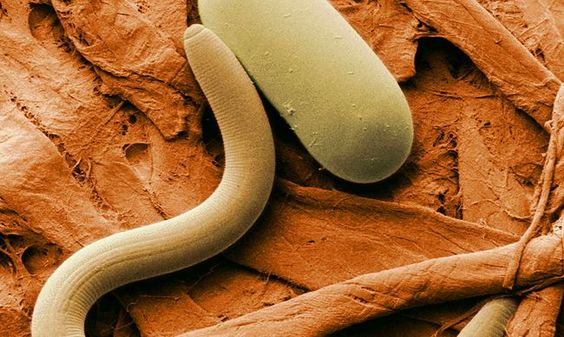
According to the Center for disease control and prevention, a parasite is an organism that lives on or in a host organism and gets its food from or at the expense of its host. The three main classes of parasites that can cause disease in humans are the protozoa, helminths, and ectoparasites. Most people in the world have parasites so using natural supplements for parasites is wise for eliminating these parasites.

Do we have intestinal parasites?

According to the Journal of Bacteriology and Parasitology ‘Intestinal parasites are organisms that live in the gastrointestinal tract of animals, including humans. Parasites can live within the intestines for years without causing any symptoms.

What are the symptoms caused by parasites?

Parasitic infections may be caused by intestinal helminths and protozoa. In developing countries protozoa parasites more commonly cause gastrointestinal infections compared to helminths. Parasites can cause a variety of symptoms such as fatigue, constipation, diarrhoea, vomiting, heartburn, stomach pain and loss of appetite.

Parasites can sometimes appear as digestive problems. For example, chronic diarrhoea is a common sign of parasites, but they can also cause a wide variety of other symptoms, such as: abdominal pain allergic reactions to foods, anaemia, bloating, bloody stools, chronic fatigue, constipation, cough, gas, Irritable Bowel Syndrome (IBS,) itching joint and muscle aches, nervousness, hives, infected gums, mucus in the stools, poor immune response, rashes, sleep disturbances, teeth grinding, fever and unexplained weight loss.

Parasites can deplete the body of nutrients (such as vitamins A, B6, B12, potassium, calcium, and magnesium) and overwhelm the immune system, which can lead to severe illness. Symptoms can come and go depending on the life cycle of the parasite involved. Parasites are a “hidden” disease, because most people who have parasites don’t know it.

In addition, pets too can act as parasite hosts and pass them on to humans. Young animals, such as puppies and kittens, are more likely to be infected with ascarids and hookworms. According to official CDC data: ‘Trichomonas is the most common parasitic infection in the USA, accounting for an estimated 7.4 million cases per year. Giardia and cryptosporidium are estimated to cause two million and 300,000 infections respectively in the US annually.

An interesting report by the Parasitologist, Omar Amin, Ph.D. states that in a five-star restaurant, samples were taken from under the fingernails of the entire staff and 100% of them tested positive for faces under their nails. “Bon Appetit!”

Always picking up parasites!

We are always picking up parasites! The main source is undercooked meats, followed by household pets. After we are infected, we can give it to each other via blood (childbearing), saliva (kissing), semen (lovemaking) and breast milk (nursing).

Dr. Hulda Clark in her book “The Cure for All Cancers” says that the human intestinal fluke Fasciolopsis buskii is the cause of most cancers. When these reach the liver, a growth factor is produced – ortho-phospho-tyrosine – that make cells divide and cancer proliferates.

Parasites, thus, are everywhere and in their most pathogenic states cause havoc in body, mind and spirit, with doctors responding with a range of treatments intended to suppress the symptoms, while failing to attack their source – the parasites themselves.

Researchers are beginning to see how parasitic infections may mimic or be involved in diseases such as rheumatoid symptoms, chronic fatigue syndrome, Crohn’s disease, ulcerative colitis, Irritable Bowel Syndrome, diarrhoea and arthritis.

So, what can we do about these parasites we carry?

If you want to eliminate parasites then use natural supplements for parasites, you will need to follow a detox diet and a proper supplement protocol, take some herbs to eliminate parasites that we are accumulating from our food and environment on a daily basis.

Supplements and Herbs Known to Eliminate Parasites

There are a number of supplements and herbs that science has identified as being helpful in eliminating different parasites from the body.

a. Walnut Tincture

b.

How do I eliminate parasites from my body?

Many practitioners have tried a combination of herbal formulas that really do work to help eliminate a wide array of parasites, such as:

  1. PARAFORM PLUS ONE (one capsule x 3 times daily)
  2. WALNUT TINCTURE (2 tsp daily, away from food)
  3. PARAFORM TINCTURE (2 tsp daily, away from food)
  4. PARAFORM PLUS TWO (one capsule x 3 times daily).

PARAFORM PLUS ONE is a broad-spectrum gastrointestinal cleanse and detoxification formula, designed to support a balanced lower digestive tract and protect against internal parasites, worms and other harmful micro-organisms.

It contains a range of tried and tested herbs and concentrated foods to support digestive tract health, in an easy-to-take capsule form. The ingredients have been hand-picked for their anti-parasitic, anti-bacterial, anti-microbial, anti-fungal and anti-viral activities.

 INGREDIENTS:

  • Magnesium caprylate
  • Vegetarian capsule shell: Hydroxypropyl Methylcellulose (HPMC)
  • Cinnamon powder
  • Cloves powder
  • Shiitake mushroom powder
  • Garlic powder extract
  • Glucomannan (95%)
  • Pumpkin seed
  • Chicory root
  • Grapefruit seed
  • Cayenne extract
  • Fenugreek seed
  • Olive leaf extract

PARAFORM PLUS TWO contains 15 powerful ingredients, including active herbals, probiotics and other natural cleansing and protective agents, which have antibacterial, anti-fungal, anti-microbial and anti-inflammatory actions. It helps to support the correct balance of gut micro-flora (bacteria and yeasts), integrity of the gastrointestinal tract and encourages the growth of friendly bacteria (probiotics). Ideal for use in conjunction with a low yeast and low sugar diet.

INGREDIENTS:

  • Caprylic acid
  • Garlic powder (Alli sativa)
  • Aloe vera extract
  • Quercetin
  • Bifidobacterium bifidus
  • Lactobacillus acidophilus
  • Clove bud (Ayzigium aromatica)
  • Grapefruit seed extract
  • Thyme powder
  • Zinc citrate
  • Glucosamine Hydrochloride (vegetable source)
  • Rosemary leaf extract
  • Beetroot extract
  • Cinnamon extract
  • Oregano extract

WALNUT TINCTURE is used to eliminate parasites found in the intestines and can also be used as an anti-fungal.

INGREDIENTS:

  • Grape Alcohol
  • Organic Green Black Walnut Hulls

PARAFORM TINCTURE contains 5 active ingredients that would serve as wonderful accompaniments to our parasite cleanse formula.

INGREDIENTS:

  • Green Black Walnut (Hull) – Juglans nigra
  • Clove Flower – Syzigium aromaticum
  • Cramp (Bark) – Viburnum oputus
  • Thyme Leaf – Thymus vulgaris
  • Fennel (Seed) – Foeniculum Vulgare


PARAFORM PLUS ONE – BUY NOW!

PARAFORM PLUS TWO – BUY NOW!

PARAFORM TINCTURE – BUY NOW!


Posted on 1 Comment

DO WE NEED PROBIOTICS?

DO WE NEED PROBIOTICS?

What are probiotics?
Probiotics are live bacteria that line your digestive tract and support your body’s ability to absorb nutrients and fight infection. The term probiotic comes from the Latin word pro and the Greek word bio and literally means ‘’for life’’.

As the World Health Organization defines probiotics ‘’live microorganisms which, when administered in adequate amounts, confer a health benefit on the host’’.

The National Center for Complementary and Integrative Health (NCCIH) state that probiotics are ‘’live microorganisms (in most cases, bacteria) that are similar to beneficial microorganisms found in the human gut.”

Did you know that 70-80% of your immune system is located in your digestive tract? With that in mind, you can see why your gut health can have such a major influence on your overall health.

What is the history behind probiotics?
The concept behind probiotics was introduced in the early 20th century, when Nobel laureate Elie Metchnikoff, known as the “father of probiotics,” proposed that consuming beneficial microorganisms could improve people’s health. Researchers continued to investigate this idea, and the term “probiotics” – meaning “for life” -eventually came into use.

What are their benefits?
Probiotics benefits are some of the most widely researched natural solutions to gut health. Research behind probiotics have observed the many benefits of probiotics for not just the gut, but for the entire body.

Probiotics benefits have been proven effective in supporting immune function, reducing inflammation, promoting healthy digestion, as well as maintaining beautiful skin, especially when combined with prebiotics.

The World Health Organization studies have shown that antibiotic resistance is ‘’one of the biggest threats to global health, food security and development today’’. Bacteria become resistant to antibiotics due to the overuse of prescription antibiotics (eradicating large amounts of our microbiome), lack of diversity in these medications and improper use of antibiotics.

The use of a good quality probiotic supplement will help to reconstitute the gut flora which would normally be eradicated with antibiotics, other medications and poor diet.

Are there different types?
There are many different types of probiotics of different qualities and strengths. When you go to look at a supplement label, you will find the genus, species, strains and CFUs (colony forming units). Taking a multi-strain probiotic is critical to repopulating the gut properly – purchase one with different types of bacteria as they all work synergistically in the gut – here are some different strains that you will normally find:

  •  Bifidobacterium bifidum
  •  Bifidobacterium longum
  • Bifidobacterium breve
  • Bifidobacterium infantis
  • Lactobacillus casei
  • Lactobacillus acidophilus
  • Lactobacillus bulgaricus
  • Lactobacillus brevis
  • Lactobacillus rhamnosus
  • Bacillus subtilis
  • Bacilus coagulans
  • Saccharomyces boulardii

Probiotics are sensitive to heat (which can kill them) and need to be stored in a cool place such as a refrigerator.

Different health issues require different amounts of CFUs. If you are struggling with constipation, you will want to be taking around 20 billion daily. If your digestive issues are even more severe, you will something like 100-200 billion daily. It is best to consult with your health practitioner here.

At the Da Vinci Natural Health Center we use the PROBIO PLUS (4 billion bacteria), the SUPER PROBIO (20 billion bacteria), and the top-of-the-line probiotic is the ACIDOPHILUS and BIFIDUS (60 Billion bacteria) – these have been tried and tested by practitioner who report good success with their clients.

Posted on

Does Chewing Gum Increase Mercury in the Body?

DOES CHEWING GUM INCREASE THE AMOUNT OF MERCURY IN THE
BODY

Gebel T, Dunkelberg H. (Influence of gum chewing and of amalgam fillings with
dental contacts to metal fillings of different type on the urinary mercury content.)
Einfluss des Kaugumikonsums sowie metallischen Restaurationen anderer Art auf
den Quecksilberuringehalt. Zbl Hyg 199:69-75 (1996) (In German with abstract in
English )

ABSTRACT: “It had been shown previously by various authors that contact of amalgam
fillings to metal fillings of different type can increase the electrochemically caused
amalgam corrosion in vitro thus leading to an elevated release of mercury. So it was
recommended to renounce of a dental contact of amalgam to metal fillings of other type.
One aim of the present study was to evaluate possible influences of this contact in vivo
on the urinary mercury contents in human volunteers. Neither approximal nor occlusal
contacts had any influence on the urinary mercury excretion in comparison to a reference
group with similar amalgam status. Furthermore, the influence of gum chewing on
urinary mercury levels was taken into account. It could be shown that the consumption of
chewing gum resulted in a significantly higher mean urinary mercury content in probands
with amalgam fillings in comparison to people with similar amalgam status (gum
chewers: 1.36 Hg/24 h vs. non-chewers 0.70 ug Hg/24 h). Thus, gum chewing has to be
considered as important parameter of influence on the urinary mercury levels of people
with amalgam fillings.”