Posted on

INTRODUCTION TO GINKGO BILOBA – HOW DOES IT WORK?

An abundance of research has been undertaken on this ancient plant, revealing a wide range of profound and important therapeutic effects. They can be grouped into cardiovascular, neurological and metabolic effects.

In Germany alone, ginkgo biloba prescriptions (it is prescribed by doctors in Germany) retailed at $280 million in U. S. dollars, according to a report of 1994. One German manufacturer, Schwabe, sold almost $2 billion U. S. dollars worth of Ginkgo biloba extract worldwide in 1993.

What makes ginkgo so attractive is its ability to increase cerebral blood flow, as well as blood flow to other areas in the body. Gingko biloba extract (GBE) has been extensively studied, and it has a number of positive effects on dementia, both due to poor circulation and due to Alzheimer’s disease. It is known to contain unique types of molecules called ginkgolides. These molecules block a substance in the body called platelet activating factor (PAF). PAF is a chemical messenger which is involved in inflammation, constriction of blood vessels, increased clotting in the circulation, and (probably) loss of cerebral function in dementia. Also, like many other plant substances, GBE is a potent antioxidant, and oxidation damage contributes to loss of brain function in the elderly.

There are over 50 double-blind studies showing the effectiveness of GBE in cerebral insufficiency, and several that show positive effects in (early) Alzheimer’s Disease. GBE seems to improve mental function at younger ages as well, shown by a number of clinical studies of memory and alertness. It has been tried succussfully against other medications for cerebral function, and an 1992 article in Lancet (Kleijnen and Knipschild) stated unequivocally that the research supporting the use of GBE is on par with the research supporting most accepted medications.

The anti-inflammatory and antioxidant effects of GBE also make it a possible choice in asthma, allergy, and eczema, and it has been studied in the retinopathy of diabetes, in cardiac ischemia, and in peripheral vascular problems. Two studies have shown successful treatment of impotence, even in men unresponsive to papaverine injections. The dose of almost all studies has been standardized, so searching for the right GBE involves looking at the label. It should say 24% ginkgo flavon glycosides, and is usually given 40 mg three times a day. The most recent Alzheimer’s study used a double dosage, which may be necessary in this condition. Treatment of conditions with GBE should continue for three to six months, before full effects can be assessed. There are few side effects with ginkgo biloba, but headaches, dizziness and stomach upset can occur, especially at the higher dose.

HISTORICAL OR TRADITIONAL USE
Medicinal use of ginkgo can be traced back almost 5,000 years in Chinese herbal medicine. The nuts of the tree were most commonly recommended and used to treat respiratory tract ailments. A tea of the leaves was occasionally used for elderly persons experiencing memory loss.

ACTIVE CONSTITUENTS
The medical benefits of Ginkgo biloba extract (GBE) rely primarily on two groups of active components: the ginkgo flavone glycosides and the terpene lactones. The 24% ginkgo flavone glycoside designation on GIBE labels indicates the carefully measured balance of bioflavonoids. These bioflavonoids are primarily responsible for GBE’s antioxidant activity and ability to inhibit platelet aggregation (stickiness). These two actions may help GIBE prevent circulatory diseases such as atherosclerosis and support the brain and central nervous system.

The unique terpene lactone components found in GBE, known as ginkgolides and bilobalide typically make up 6% of the extract. They are associated with increased circulation to the brain and other parts of the body as well as exert a protective action on nerve cells . Ginkgolides may improve circulation and inhibit platelet activating factor (PAF). Bilobalide protects the cells of the nervous system. Recent animal studies indicate that bilobalide may help regenerate damaged nerve cells.

THERAPEUTIC USES
Ginkgo has wide application for treating various forms of vascular and neurological disease. It has been recommended for:

* vertigo, headache, tinnitus, inner ear disturbances including partial deafness
* impairment of memory and ability to concentrate
* diminished intellectual capacity and alertness as a result of insufficient circulation
* anxiety, depression, neurological disorders : complications of stroke and skull injuries
* diminished sight and hearing ability due to vascular insufficiency
* intermittent claudication as a result of arterial obstruction
* a sensitivity to cold and pallor in the toes due to peripheral circulatory insufficiency
* Raynaud’s disease: cerebral vascular and nutritional insufficiency
* hormonal and neural based disorders as well as angiopathic trophic disorders
* arterial circulatory disturbances due to aging, diabetes and nicotine abuse
* sclerosis of cerebral arteries with and without mental manifestations
* arteriosclerotic angiopathy of lower limbs
* diabetic tissue damage with danger of gangrene: chronic arterial obliteration
* circulatory disorders of the skin, as well as ulcerations caused by ischaemia.

CIRCULATORY ACTIONS
GBE increases circulation to both the brain and extremities of the body. In addition to inhibiting platelet stickiness, GBE regulates the tone and elasticity of blood vessels. In other words, it makes circulation more efficient. This improvement in circulation efficiency extends to both large vessels (arteries) and smaller vessels (capillaries) in the circulatory system.

COGNITIVE FUNCTIONS
Recently, a ginkgo extract was found to increase alpha wave and decrease theta wave activity following oral intakes of 120 or 240 mg in healthy volunteers . These brain wave changes indicate that Ginkgo extract is capable of improving cognitive function as demonstrated in increased mental sharpness, concentration, and memory. Three double blind studies have now shown that GBE is helpful for persons in early stages of Alzheimer’s disease, as well as the closely related multi-infarct dementia. Patients with other types of dementia also respond to GBE, including, as mentioned above, problems due to poor blood flow to the brain.

Antioxidant properties GIBE has antioxidant actions in the brain, retina of the eye, and the cardiovascular system One double blind study found that GIBE could help people with macular degeneration, an oxidation-related disorder causing decreased or lost vision. Diabetic retinopathy is also improved by GBE, according to a double blind study. Its antioxidant activity in the brain and central nervous system may help prevent age-related declines in brain function. GBE’s antioxidant activity in the brain is of particular interest. The brain and central nervous system are particularly susceptible to free radical attack. Free radical damage in the brain is widely accepted as being a contributing factor in many disorders associated with aging, including Alzheimer’s disease

Antidepressant action One double blind study in Germany found that elderly depressed people with mild dementia (who were not responding to antidepressant medications) responded well to GBE supplementation.

Nerve protection and PAF inhibition One of the primary protective actions of the ginkgolides is their ability to inhibit a substance known as platelet-activating factor (PAF). PAF is a mediator released from cells that causes platelets to aggregate (clump together). High amounts of PAF are associated with damage to nerve cells, poor blood flow to the central nervous system, inflammatory conditions, and bronchial constriction. Much like free radicals, higher PAF levels are also associated with aging.” Ginkgolides and bilobalide protect nerve cells in the central nervous system from damage during periods of ischemia (lack of oxygen to tissues in the body). This action may be supportive for persons who have suffered a stroke.

Tinnitus and balance Ginkgo may improve tinnitus (ringing in the ears) and balance problems related to the inner ear, an important part of maintaining balance. Double blind studies have confirmed the benefit of GIBE for people with tinnitus or vertigo.

HOW MUCH IS USUALLY TAKEN?
GBE, standardized to contain 6% terpene lactones and 24% flavone glycosides, can be taken in the amount of 120-160 mg per day. Relatively high (240 mg per day) amounts have been used in reports studying people with age-associated memory loss, mild cognitive impairment, mild to moderate Alzheimer’s disease, and resistant depression.

GBE may need to be taken for six to eight weeks before desired actions are noticed. Although non-standardized leaf and tinctures are available, there is no well-established dosage for these forms.

ARE THERE ANY SIDE-EFFECTS OR INTERACTIONS?
Ginkgo biloba extract is essentially devoid of any serious side effects. Mild headaches lasting for a day or two and mild upset stomach have been reported in a very small percentage of people using GBE. GIBE is not contraindicated for pregnant and lactating women.

Circulatory conditions in the elderly can involve serious disease. Individuals should seek proper medical care and accurate medical diagnosis prior to self-prescribing GBE. Certain medications interact in a positive and/or negative way with Ginkgo biloba.

WHAT IS A GOOD STARTING DOSE?
Most studies have shown that a good starting dose for most of the conditions discussed above is about 100 mg – an extract containing 6% terpene lactones and 24% flavone glycosides. This can either be taken as one 50mg tabs twice daily, or a single 100mg tab in the morning. Higher doses can be taken under the direction of your health care professional.

The Food and Drug Administration have not evaluated these statements. This information and products are not intended to diagnose, treat, cure or prevent any disease. For all serious health problems, consult a qualified health professional.

by Dr. George J. Georgiou, Ph.D.,N.D.,D.Sc (A.M)
Natural Medicine Practitioner
drgeorge@avacom.net
www.naturaltherapycenter.com

Posted on

CROSSLINKAGE THEORY OF AGING

Part I of the Crosslinkage Theory of Aging was introduced in the January 2002 issue of Vitamin Research News. The Crosslinkage Theory was conceived by Prof. Johan Bjorksten, based on his observation that changes in aging skin and other tissues are similar to the observed hardening of gels and other flexible substances over time. Bjorksten determined that these changes, best exemplified by the tanning of leather, were due to permanent tissue alterations caused by the formation of intra- and inter-molecular crosslinking.

Prof. Bjorksten spent his life studying crosslinking in order to find a means to both delay the formation of crosslinkages and to dissolve those which had been formed. Prof. Bjorksten theorized that gaining control of the crosslinkage process could allow for the prevention of a number of age-related conditions, including Alzheimer’s disease, osteoporosis, cataracts, autoimmune diseases, atherosclerosis, cancer, endocrine dysfunctions, and the aging process itself.

Approaches to Eliminating Crosslinkages

By the end of the 1960s, Bjorksten believed that the evidence supporting the

crosslinkage theory was so conclusive that he stopped working to prove the theory, and embarked on greater efforts toward specific applications to retard aging based on the theory. Bjorksten believed that if crosslinked aggregates are, in fact, a major factor in aging, then the removal of such aggregates should be beneficial, and would restore youthful characteristics to the tissues and would probably extend the lifespan.

Bjorksten proposed that safe, biological enzymes be found which could disrupt these pathological crosslinks. He believed that natural enzymes might be found in bacteria which were capable of surviving on a growth media composed entirely of crosslinked biological proteins. He reasoned logically that if the microbes were able to survive with these highly crosslinked proteins or peptides as their sole nitrogen source, it would indicate that they possessed enzymes capable of digesting the crosslinks. These enzymes could then be isolated and tested for their ability to safely digest crosslinkages in intact experimental animals.

Bjorksten and his associates then set out in their search for these crosslinkage-dissolving enzymes. After four years of work, the team believed they had begun to make progress. They isolated numerous organisms capable of digesting insoluble crosslinked tissue, and selected seven of the most promising for further research. (1-4)

Unfortunately, at this point, the Food and Drug Administration set out on a vendetta against a number of small pharmaceutical companies, claiming that 70% of the output of the pharmaceutical industry was worthless. Consequently, the pharmaceutical company which was funding this long-term research redirected their funding priorities to protect themselves from the FDA attacks. Bjorksten then turned this promising approach over to other pharmaceutical firms in the U.S. (Worthington Biochemicals, later Micro-pore), and unnamed pharmaceutical firms in Sweden and Japan. (4)

Bjorksten then directed his primary efforts in another direction, but with the same objective. His idea was to feed pregnant rats huge amounts of radioactive nutrients several days before and several days after they gave birth to their litters. He used the radioactivity to track the paths of the nutrient in the body. Most of the radioactive material was excreted over a period of time by normal metabolic processes. However, a small fraction of these radioactive substances became bound by ‘non-metabolizable gerogenic aggregates’ (crosslinked proteins and macro-molecules), and were permanently retained in the body. (5) Bjorksten then treated these animals with anti-crosslinking agents, and assayed their urine, to detect whether these radioactive substances were released. He reasoned that a sudden release of the radioactive substance would be due to the break-up of the crosslinkages in which they had been bound. (6) Unfortunately, funding for this project was also exhausted before any conclusive results were achieved. (7)

Inhibiting Metal-Based Crosslinking by Chelation Therapy

As the difficulties of finding a safe low-molecular-weight, anti-crosslinking enzyme increased, Bjorksten realized that at his current rate of progress, it would take a longer time to identify them than he had anticipated-or than he could afford to spend (he was then in his seventies). Consequently, he again switched his research priorities to find a more short-term age-retarding regimen that would give him the additional 10-20 years of good health which he needed to make his ‘major breakthrough.’ (8)

Bjorksten focused on another potential means of breaking up crosslinkages, by using chelating agents. Chelating agents are molecules which are capable of attaching to metals within the body, enabling them to be excreted. Their mechanism of action is based on the simple fact that two or more attractive forces, acting simultaneously on a metal atom, are stronger than only one. Chelating agents contain molecules that contain at least two groups of polarity opposite to that of the metal it is wanted to remove. Ethylene-diamine-tetra-acetic acid (EDTA) is a synthetic amino acid that is capable of removing metal-based crosslinkages by chelation, thereby ‘depolymerizing the gerogenic aggregates.’ (6) Examples of chelating agents in current clinical practice are EDTA (approved for use in the treatment of lead poisoning), deferoxamine (Desferal) (for acute iron intoxication), and DMSA (used to treat lead and mercury intoxication).

Physician members of the American College for Advancement in Medicine (ACAM – www.ACAM.org) and the International College of Integrative Medicine (ICIM, formerly GLACCM) are trained in the use of these agents. These physicians are also proponents of intravenous chelation therapy with EDTA as a treatment for many chronic degenerative diseases, like atherosclerosis, hypertension, diabetes, and Alzheimer’s disease. (9) Oral EDTA chelation is not yet as widely accepted as the intravenous route. Nevertheless, oral EDTA is rapidly gaining more adherents (see Oral Chelation Update).

Other natural chelators include garlic, (10) Chlorella, (11) lactic acid, citric acid, and malic acid. Bjorksten demonstrated that lithium was also an effective aluminum chelator and crosslinkage inhibitor, stating that ‘lithium continues to be the most effective electrolyte for aluminum detachment.’ (12) Bjorksten (13) also believed that one of the benefits of exercise is that toxic heavy metals (especially aluminum) are chelated by the lactic acid that is generated. (14)

Chelators as Life-Extending Substances

A number of studies confirm that chelating agents – particularly, EDTA – may have life-extending properties. Many scientists demonstrated the life-extending effects of EDTA on lowly rotifers (small multi-celled animals found in freshwater lakes and ponds). (15-19) In the Soviet Union in the 1970s, Dr. T.L. Dubina performed a series of studies with EDTA on the life span of rats. (20) In most of the studies, the mean life span of female rats treated with EDTA was increased by nearly 50%, and in one study the maximum lifespan increased 18-25% over the control animals. Based on these and other studies, Bjorksten’s associate, Prof. Donald Carpenter, calculated that the widespread use of chelation therapy would result in an average lifespan increase of over fifteen years. (21)

Next Issue: In the third part of the Crosslinkage Theory of Aging, the use of chelating agents to reverse crosslinkages will be explained in more detail.

References

1. Bjorksten, Johan, Weyer, Elliott, and Ashman, Stephen M. Study of low molecular weight proteolytic enzymes, 1971, Finska Kemists Medd, 80: 70-87.

2. Schenk, Roy U., Bjorksten, Johan, Ashman, Stephen M., and Burrowbridge, George T. The search for microenzymes. Anomalous behavior of pronase. Suomen Kemistilehti B, 1972,45: 343-348.

3. Schenk, Roy U., and Bjorksten, Johan. The search for microenzymes: The enzyme of bacillus cereus, Finska Kemists Medd, 1973, 82: 26-46.

4. Bjorksten, Johan. Longevity 2-Past, Present, Future, 1987, JAB Publishing, Charleston, SC.

5. Zinsser, H. , Butt, E.M. , and Leonard, I. Metal content correlation in aging aorta. J Am Geriatrics Soc, 1957, 5: 20-26.

6. Bjorksten, Johan. Pathways to the decisive extension of the human specific lifespan, J American Geriatrics Soc, 1977 a, 25: 396-399.

7. Bjorksten, Johan. Aluminum in degenerative disease. Rejuvenation, 1981 b, 9: 11-19.

8. Bjorksten, Johan. Aluminum in degenerative disease. Rejuvenation, 1981 b, 9:p. 160

9. Chappell, L.T., Stahl, J.P., and Evans, R. EDTA Chelation treatment for vascular disease: A Meta-Analysis using unpublished data. J Adv Med, 1994, 7: 3, 131-142.

10. Lau, B. Garlic for Health, 1988, Lotus Light Publications, P.O. Box 2, Wilmot, Wisconsin 53192, pp. 31-32.

11. Wilkinson, S. Mercury removal by immobilized algae in batch culture systems, J Applied Phycology, 1990, 2: 223-230.

12. Yaeger, Luther L. , and Bjorksten, Johan. Displacement of protein bound aluminum. Rejuvenation, 1984, 12: 12-14.

13. Bjorksten, Johan. The crosslinkage theory of aging as a predictive indicator. Rejuvenation, 1980, 8: 59-66.

14. Crapper, D.R., Kalrik, S., and DeBoni, U. Aluminum and other metals in senile (Alzheimer) dementia, in: Alzheimer’s Disease: Senile Dementia and Related Disorders, by Katzman, R., Terry, R.D., and Bick, K.L. (eds), 1978, Raven Press, New York.

15. Tyler, A. Longevity of gametes: Histocompatibility, gene loss and neoplasia, in: Aging and Levels of Biochemical Organization, by Bruder, A.M., and Sacher, G.A. (eds), Section II, Part 11, 1965, U Chicago Press, Chicago, 50-86.

16. Tyler, A. Prolongation of life-span of sea urchin spermatozoa and improvement of the fertilization-reaction by treatment of spermatozoa and eggs with metal-chelating agents (amino acids, versene, DEDTC, Oxine, Cupron). Biol Bull, 1953, 104: 224.

17. Sincock, A.M. Calcium and aging in the rotifer Mytilina brevispina var redunca. J Gerontology, 1974, 29, 514-517.

18. Sincock, A.M. Life extension in the rotifer Mytilina brevispina var redunca by the application of chelating agents. J Gerontol, 1975, 30: 289.

19. Neigauz, B.M., and Ravin, V.K. Effect of physiologically active substances on the longevity of the nematode Caenorhabditis elegans. Zh. Obshch Biol, 1983, 44: 6, 835-841.

20. Komarov, L.V., and Bakaev, V.V. Means of the Life Prolongation, Rejuvenation, 1983, XI: 2-3, 46-51.

21. Carpenter, Donald. Correction of biological aging. Rejuvenation, 1980,7: 31-49.

by Ward Dean, MD

Posted on

ANTIBIOTICS – A BLESSING OR SCURGE!

LUDICROUS OVERUSE
It never ceases to amaze me how a lot of doctors dish out antibiotics as if they were sweeties. This week I saw a young 4 year old boy who had taken 18 courses of antibiotics in his short lifetime. The mother was pulling her hair out as her son was developing ear infections and sore throats with high fever every 5-6 weeks, and she now knew that if she took the child back to the pediatrician he would be given even more antibiotics. There are many more young children in the same boat, as well as adults who get dosed with antibiotics for a common cold, “just in case they were to develop a sore throat.” Ludicrous overuse of antibiotics not only has caused many old diseases to reappear, but very possibly they are responsible for the emergence of new diseases too. Now, more than 60 years after the discovery of penicillin, we find ourselves back to the future.

Throughout the medical press you will find the concept of the “emergence” of new strains of superbugs. But emergence is really regression, a frustrating return to the standard which prevailed universally in the previous century (JAMA, 1996; 75(3): 243-6). In theory antibiotics are a good thing – and in life-threatening situations they still are. When all goes well an antibiotic quells an infection by attacking and destroying the organism’s protective cell wall; by blocking its production of essential proteins; by interfering with chemical messages essential for reproduction; or by some other equally effective method or combination of methods. But through a number of factors, largely involving misuse and overuse of antibiotics, some “bugs” have developed defence mechanisms to repel these attacks. They undergo genetic mutations which allow them to produce stronger cell walls, for example, or to change chemical messages.

RESISTANT ORGANISMS
Penicillin was already being associated with resistant organisms when it was introduced in the 1930s. Today, 25 per cent of patients are suffering from a drug-resistant strain of pneumonococcus. This figure shoots up to 40 per cent among white children under six (N Eng J Med, August 24, 1995). This alarming rise came to light when researchers at the Centers for Disease Control and Prevention in Atlanta examined 431 patients (adults and children). They found that 25 per cent were penicillin resistant (7 per cent were highly resistant); 26 per cent were resistant to trimethoprim/sulphamethoxazole (Septrin); 15 per cent were resistant to erythromycin; 9 per cent to cefotaxime and 25 per cent to multiple drugs. In the UK, the frequency of penicillin-resistant pneumonococci doubled between 1990 and 1995; the microbe’s resistance to erythromycin trebled in that same time (BMJ, 1996; 312: 1454-6). This is a picture which is repeated throughout the world.

MRSA – THE SUPER-BUG
In 1992 in the United States some 23 million people underwent surgery, and nearly every one of them received prophylactic antibiotics. Up to 920,000 of them developed post-surgical bacterial infections, the majority of which were due to staphylococcus, in particular methicillin-resistant staphylococcus aureus or MRSA (N Eng J Med, 1992; 326: 337-9). MRSA was first reported in 1961 just after methicillin was introduced (BMJ, 1993; 307: 104954). Despite evidence, a curious mixture of complacency and arrogance allowed us to continue widespread use for another 30 years. That same year 15 per cent of all staph strains in the US and nearly 40 per cent of those strains isolated from patients in American hospitals were MRSA (Infect Control & Hospital Epidemiol, 1992; 13: 582-6).

Significant problems were occurring elsewhere. In New York a tuberculosis strain resistant to seven different types of antibiotic was discovered (J Clin Microbiol, 1994; 32: 1542-6). In England one man had an escherichia coli strain resistant to 20 different antibiotics (Lancet, 1993; 342:177). In one extreme case in Australia a staph virus contracted by one patient was immune to 31 different types of antibiotics (J Med Microbiol, 1990; 35: 72-9). By 1993 it was thought that nearly every common pathogenic bacterial species had developed some degree of clinically significant drug resistance. And over two dozen of these emergent strains could outwit most commonly available antibiotic treatment (Science, 1066-7). Super-resistant bugs are no respecters of class. You are just as likely to get a case of Salmonella from a Caesar salad in a high class restaurant as you are from a hot food cart in an underdeveloped country.

Since 1993 salmonella has been an essentially untreatable disease – there is now nothing which will relieve the three or four days of agony it brings (J Infect Dis, 1993; 168: 1304-7). Resistant bacteria are not checked by national or natural barriers, and it’s likely that greater mobility is contributing as much to the spread of resistant microbes as are crowded, unhygenic hospital clinics and wards (JAMA, 1990; 263: 2569-70).

MRSA AND VANCOMYCIN
Today only one antibiotic, vancomycin, is thought to be effective against most MRSA. But even this drug is becoming increasingly ineffective, especially against the enterococci bacterium (JAMA, 1993; 270: 1796; Lancet, 1996; 347: 252). It has also been shown that transfer resistance (one organism passing its resistance on to another) can occur between enterococci and the staph virus (FEMS Microbial Health, 1992; 93: 195-8; Antimicrobial Agents and Chemotherapy, 1989; 33: 1015), and it is now believed that within a few years both staph and strep viruses will have acquired widespread vancomycin resistance. This process is thought to be helped along by the practice of giving poultry and livestock antibiotics in their feed.

New antibiotics are costly and time consuming to produce – there have been no new antibiotics for more than a decade. It is unlikely that newer, stronger drugs such as Upjohn’s proposed oxazolidinone or the proposed new class of peptide antibiotics (Lancet, 1997; 349: 418-22) are the final answer to this dilemma. In addition to creating more resistant bugs, antibiotics have also been implicated in a rising number of unrelated diseases and disease-like states. The most well known of these is fatigue, mild to moderate gastrointestinal upsets, candida overgrowth (which can lead to other problems) and antibiotic allergy. However these are just the tip of the iceberg.

ANTIBIOTIC SIDE-EFFECTS
Antibiotic use has been associated with severe skin rashes (Contact Derm, 1996; 35: 116-7), seizures (Lancet, 1991; 338: 259), psychosis (Am J Med, 1991; 90: 5289) facial paralysis (BMJ, 1994; 309: 1411); metabolic abnormalities mimicking Bartter’s syndrome (Cancer, 1984; 54: 808-10; Am J Kidney Dis, 1986; 7: 245-9) and other renal abnormalities (Lancet, 1995; 345: 732-3; Nephrol Dialysis Transplant, 1994; 9(Suppl 4): 130-4; Am Fam Phys, 1996; 53(1): 227-32); severe diarrhea and pseudomembranous colitis (Gut, 1987; 28: 1467-73; J Infect Dis, 1985; 151: 476-81; Clin Ther, 1991; 13: 270-80; BMJ, 1985; 290: 1112). Only recently MRSA has been found in the stools of those with post-antibiotic entercolitis (Lancet, 1993; 342: 804).

ANTIBIOTICS AND OTHER DISEASES
Antibiotics have been implicated in unrelated diseases and disease-life states. Australian doctors report that flucloxacillin, a semi-synthetic penicillin, can cause cholestatic jaundice (Med J Aust, 1989;151: 701-5), though it is thought that its relation to the drug may largely go unrecognized because of a delayed onset (Lancet, 1992; 339: 679). Older patients and those receiving flucloxacillin for more than two weeks are most at risk (BMJ, 1993; 306: 233-5). These are not new findings.

Liver damage associated with this antibiotic was first noticed in the Netherlands and reported in 1982 (Neth ] Med,1982; 25:47-8) and has been reported again and again (Drug Safety, 1996: 15(1): 79-85). Newer combination antibiotics such as Septrin, a combination of trimethoprim and sulphamethoxazole, sometimes known as co-trimoxazole, have been linked with disfiguring skin rashes and blisters (Ind J Derm, 1982; 48:207-8; Br J Dermatol, 1987; 116: 241-2; Dermatol, 1986; 172: 230-1), and a host of HIV like symptoms including anemia, loss of appetite, nausea, vomiting, numbness, convulsions, chills, fever, swollen glands and ulcers in the mouth, eyes and urethra.

Its use has also been associated with adverse effects on kidney function in renal transplant patients (Lancet, 1984; i: 394-5). There has been a suggested link between antibiotic use, particularly the penicillins, and the development of diabetes (Lisa Landymore-Lim, Poisonous Prescriptions, 1992, PODD), epileptic seizures (J Neurosurg,1993; 78(6): 938-43) and Crohri s disease (HepatoGasteroenterol, 1994; 41(6): 549-51). Antibiotic eyedrops have been shown to cause aplastic anemia (Drug Safety, 1996; 14(5): 273-6; Br J Opthamol, 1996; 80(2): 182-4).

ANTIBIOTIC USE AND BRAIN DAMAGE IN CHILDREN
Children are on the receiving end of so many antibiotics these days. One of the most disturbing links are those between antibiotic use and possible brain damage. Recently a survey of youngsters between the age of 1 and 12 years by the Developmental Delay Registry has found that those who had taken more than 20 cycles of antibiotics in their lifetime were 50 per cent more likely to suffer developmental delays. Children who have had three rounds or fewer were half as likely to become developmentally delayed (Townsend Letter for Doctors, October 1995). In the same vein, an American doctor has discovered a link between high functioning autism and at least three doses of broad spectrum antibiotics such as Augmentin and Ceclor.

Normal development can be arrested overnight at between 18 to 30 months (Townsend Letter for Doctors, January 1995). While the medical profession may remain sceptical about such a link, the experience of parents says otherwise. Sally Smith wrote to WDDTY to say that her son Luke fell ill with a respiratory infection when he was 17 months old and was prescribed amoxycillin. After taking the drug he “lost his vocabulary. In fact he did not speak again for almost eight years.” She now runs the Tomatis listening therapy centre specifically for children with developmental delays or similar problems and says in the last three years she has encountered at least 200 other children who have been similarly affected. Another reader from Kilmarnock wrote that when her 4-year-old daughter was given antibiotics as a precaution, “Her fat metabolism went haywire. Her heart was affected. After six months she was skin and bones, and I feared the worse. Later her adult teeth were affected, as was her liver. I could go on at length.”

In one study from Iceland among children aged 7, researchers found a close link between the level of antibiotic prescribing and antibiotic-resistant pneumonococci. Of 919 children recruited for the study, nearly 50 were carrying either penicillin-resistant or multi-resistant pneumonococci (BMJ,1996; 313: 89791). Pneumonococcus is the bug responsible for pneumonia, meningitis, sinusitis and otis media (middle ear infection).

ANTIBIOTICS AND HEARING LOSS
Doctors first made the connection between antibiotic use and hearing loss in children in the 1980s. By 1990 about a third of all ear infections in young American children were due to pneumonococcus, and nearly half those cases involved strains which were resistant to penicillins (Morbidity and Mortality Weekly Report, 1994; 43: 216-23). Today it is thought that up to two-thirds of all cases are caused by the overuse of antibiotics such as streptomycin and gentamicin (BMJ, 1996; 313: 648). There has also been a marked increase in the incidence of hearing loss among children in the developing world, and it is thought that up to two-thirds of cases are caused by the indiscriminate use of antibiotics (BMJ, 1996; 313:648).

WHAT DO WE DO ABOUT ANTIBIOTIC OVER-USE? Unfortunately stopping the use of antibiotics is not necessarily the answer. Although it is commonly assumed that once “antibiotic pressure” is taken away, most organisms will lose their resistance, a research team from Emory University has shown otherwise. They tested this hypothesis on a strain of streptomycin-resistant E coli. After 135 generations the researchers found that offspring still had a high degree of streptomycin resistance (Nature, 1996; 381: 120-1). As a cause of death, infectious diseases are still outranked by heart disease and cancer, but the numbers are rising (JAMA, 1996; 275(3): 243-6).

The big questions are no longer those pondered in movies such as Outbreak. It’s not Ebola, Machupo or Lassa which are likely to do us in. The bugs which will be our downfall are more likely to be less glamorous: pneumonococcus, tuberculosis, streptococcus and staphylococcus, escherichia coli, salmonella – all bugs which, 20 years ago, our microbiologists were confidently predicting would be eradicated by the end of the century. Medical literature about antibiotics is infused with the language of war. We “fight”, “combat”, “vanquish” and “annihilate”. We are involved in a “chemical arms race”. We require “more effective strategies” and draw “battle lines” (and, almost inevitably, we “lose”). There is no easy answer to the problems which antibiotic over-use throw at us. But, for those who wish to maintain the “miracle” for when it’s most needed the issue is very simple: the more you use it, the faster you will lose it.

PREVENTION IS BETTER THAN CURE!
Prevention is better than cure. The stronger your immune system is, the less likely it is that you will succumb to any kind of bug. Following a good daily programme of a wholefood diet, with antioxidant supplements, stress reduction through good-quality sleep, relaxation techniques such as yoga, meditation and visualization will make you less prone to viral illness. Also make sure that “infections” like ear ache are not the result of allergies. If you do get an infection: Consider herbal alternatives. Many botanical preparations have significant antibiotic actions against bacteria, viruses and fungi. These preparations generally enhance our own body’s natural defence mechanisms.

There are three widely used herbs which naturopaths rely on: 1. Echinacea angustifolia (purple coneflower) perhaps the most well known herb and one which has been shown to have profound immunostimulatory effects. Its use can activate T-lymphocytes and other white blood cells and promote the increased production and secretion of interferon.

2. Hydrastis canadensis (goldenseal) has also shown remarkable immuno-stimulatory activity. It can increase blood supply to the spleen. Berberine, one of its components, can activate the macrophages which are responsible for engulfing and destroying bacterial, viruses, fungi and tumour cells. As Golden seal is such an expensive herb now, it is possible to use Berberis vulgaris (barberry) which also contains berberine and has long demonstrated its antibiotic activity and immuno-stimulatory effect. It may prove especially useful against staphylococcus.

3. Glycyrrhiza glabra (liquorice) is very useful in treating infections. It also increases interferon production and can prevent immuno-supression caused by stress and cortisone. It has displayed antibiotic activity against staphylococcus, streptococcus and candida albicans and antiviral activity against herpes simplex type.

For parasites. If you are suffering from the gastrointestinal effects of the cryptosporidium parasite which has made its way into U.K water supply on several occasions,  it is possible to take a mixture of Artemesin annua (wormwood), clove and black walnut tincture – this is a combination used by Dr. Hulda Clark for eliminating all sorts of parasites from the body. The walnut tincure and wormwood kill the parasites, and the cloves kill the eggs. If it’s a virus… antibiotics will be useless. There are a few natural anti-virals such as olive extract, from the common Mediterranean olive leaf which is high in a compound called oleicin that has been found very effective against numerous viruses.

Another simple remedy is vitamin C which helps increase interferon levels. If you must take antibiotics: Your general level of health will influence how well you respond to both illness and the scattergun mechanism of many broad spectrum antibiotics. So, in addition to the above, consider these points for safer antibiotic use.

Make sure you actually have a bacterial infection. It is unlikely that your condition will worsen while you await test results and don’t let your doctor pressure you into taking antibiotics which you do not want or may not need.
Ask your doctor to show you the Data Sheet Compendium information on his chosen antibiotic so that you can see for yourself the possible side effects. Steer clear of combination antibiotics which seem to have more side effects. If possible, go for the oldest and most tried and tested variety, which also are less likely to cause mutation in the environment.
Take plenty of probiotics. While you are taking antibiotics and for a time afterwards make sure you take high levels of lactobacillus acidophilus and bifidobacteria which will replace friendly bacteria destroyed by the antibiotics.
Finish your prescribed course of antibiotics. If you break off treatment prematurely, you may only have killed off a proportion of those microbes sensitive to your antibiotic. This alters the balance between sensitive and resistant microbes, giving resistant microbes the upper-hand. Eventually these will multiply and dominate the culture in your gut (or wherever). The next time you get ill it will be much harder to treat the infection.

KICKING THE ANTIBIOTIC HABIT
At the front line of this battle are GPs. Although most GPs are aware of the wider implications of over-prescribing, it is still very difficult to find ways of helping them break the antibiotic “habit” (GP, February 26, 1993). There is a disturbing trend towards blaming patients for antibiotic overuse. It’s the fault of the overanxious mother whose child has an ear infection or the businessman with the common cold who does not wish to take valuable days off work who are pressurizing overworked doctors into doing “something”.

There is no doubt that patients can work with doctors in a kind of unholy alliance, but pointing the finger of blame is a little too simplistic and ignores the fact that as much as two thirds of antibiotic prescribing is “entirely irrational” (see Harris Coulter, The Divided Legacy-A History of the Schism in Medical Thought, The Centre for Empirical Medicine, 1995). There is evidence that our doctors (like many of us) are creatures of habit and simply overwhelmed by the sheer number of antibiotics on the market and far too reliant on drug companies for “education” about their efficacy (N Eng J Med 1993; 328: 1047). Clearly, education of doctors and consumers is the best way to break the cycle. Doctors need to be motivated to keep their knowledge of resistance up to date and, as one journal suggests, improve their communication skills in order to better explain the relatively small gain to be had from antibiotic use.

For instance, with a sore throat you have a 90 per cent chance of being symptom-free in seven days whether or not you take antibiotics; with antibiotics you have a 50 per cent chance of being symptom-free on day 3 rather than on day 3 1 / 2. (Med J Aus, 1992;156: 644-9). Patients need to be given reliable information like this and encouraged to trust that they will get better by themselves, albeit a little bit more slowly. Antibiotic drug abuse may be a world-wide problem, but it is still best tackled at the local, individual level.

Dr George J Georgiou
Holistic Medicine Practitioner

The Food and Drug Administration have not evaluated these statements. This information and products are not intended to diagnose, treat, cure or prevent any disease. For all serious health problems, consult a qualified health professional.

Posted on

WHY CAN’T I LOSE WEIGHT?

When I completed my studies in Naturopathy and Clinical Nutrition, I found that clients were seeking my services for weight control. I began to work with the knowledge that I had picked up from studies on this subject, but to my disappointment, and that of my clients, we were not very successful initially.

I continued to hear from patients how they had spent a good many years losing and then gaining weight in true yo-yo style. There were many psychological (anxiety, depression, compulsive eating, anorexia and bulimia) as well as physical effects such as a loss of muscle tissue, including heart tissue, loss of bone minerals, gout or gallstones, hair loss, fibrosis and tissue scarring, high blood pressure when returning to a normal diet and shortened life-span.

I had a few sleepless nights mulling over the reasons why people were not losing weight with the reduced calorie diet that I had given them, given that it was also a healthy diet too. I began researching and realised that the secret to weight loss lies in balancing the metabolism, which involves a variety of steps. There are a number of factors that block the metabolism, which I have called the “Metabolism Blockers”. These include:

1. Toxin levels in the body
2. The Thyroid
3. Food Intolerances
4. Nutritional Deficiencies
5. Stress
6. Insulin Resistance
7. Candidiasis

I began by identifying these individual metabolism blockers in my clients, and removing them. To my surprise, my patients actually began to lose weight steadily. My initial successes included a 150kg (330lbs) gentleman who lost 50kg in 7 months, mainly after he gave up his cheese and tomato sandwiches and coffee, as he was intolerant to dairy, wheat and caffeine. Another 120kg lady who had never been able to lose weight in her life, even though she was on a perpetual diet, had lost 30kg in 5 months, and was continuing to lose weight steadily. We had also removed her food intolerances and balanced her sub-clinical hypothyroidism. No doubt these clients became walking adverts for my clinical practice, and it was not long before I was inundated with people wanting to lose weight.

It was then that I decided to write a book entitled “Why Can’t I Lose Weight” which I published last year specifically to be sold over the Internet. I will summarize some of this material, as I feel from my experience that it is a topic that tends to be taken lightly by the majority of therapists, but when you delve into it, is quite a scientific topic that involves a lot of background knowledge in trying to unravel the mysteries of the metabolism.

WHY DIETS DON’T WORK
In 1930 two American doctors, Newburgh and Johnson, of the University of Michigan, suggested in one of their papers “obesity results from a diet too high in calories, rather than any metabolic deficiency.” This theory is called the “Calorie Theory”. Modern science now knows that the calorie theory has no standing and is truly illogical. It certainly does not explain how some people can eat 4,000 to 5,000 calories daily and not be obese in 4 to 5 years, while others can eat 800 calories daily and still put on weight. Also, how was it that prisoners in Nazi concentration camps managed to survive for almost 5 years on 700-800 calories a day, without withering and dying.

The calorie theory is based on the assumption that there is no loss of energy. It is purely mathematical, drawn directly from Lavoisier’s theory on the laws of thermodynamics. But it is not as simple as this, as many of you who have tried deiting will know. How many times have you tried to diet by reducing calories, only to find that you were putting on weight, or had stabilized after a few weeks? Certainly something funny is happening here, and this certainly cannot be explained by the calorie theory, which is now part of the syllabus of most Western medical schools, and appears to have taken root there. This theory has helped to create a new and growing profession – the dieticians, but unfortunately, to their disappointment and that of their patients, they are finding that they are failing miserably.

It is common knowledge that most of the weight loss programmes that involve calorie reduction are doomed to failure. Many research studies show that about 90% of all weight-loss clients return to their original weight after about six months, and this is confirmed daily by my patients.

DO FAT PEOPLE EAT MORE CALORIES?
Interestingly, research studies in Western countries have shown that fat and obese people do not necessarily eat many calories daily. Statistics show the following:

• 15% of obese people eat too much (2,800-4,000 calories)
• 35% of fat people eat normally (2,000-2,700 calories)
• 50% of fat people eat little (800-1,500 calories).

So again we see that scientific studies show that there is no significant correlation between overweight and energy intake. It has also been shown that the body will adapt to the low calorie intake by going into “survival mode”, by conserving energy in order to maintain body weight. The less you eat, the harder your body tries to retain fat. Experiments have shown that animals eating one meal a day become obese, while those receiving 5-6 meals spread throughout the day kept to an optimum

In fact, low-calorie, commercial diets stimulate the body to accumulate fat. First, your body increases the quantity and activity of an enzyme called lipoprotein lipase, the main enzyme it uses to collect and store fat. Second, it slows your basal metabolic rate, further reducing your ability to burn fat. These two defence mechanisms continue for weeks after you stop the diet, in the meantime it is grabbing and replacing every molecule of fat that it can find!

HOW TOXINS CAN INHIBIT WEIGHT LOSS!
Most of the people that come to me for weight loss also suffer from other ailments. If they do not have a diagnosable disease, they usually suffer from tiredness, lethargy, a `heavy’ feeling, digestive problems, bowel distension, headaches, muscle aches, poor concentration and memory, insomnia and many other symptoms too numerous to list.

It never ceases to amaze me that most of these symptoms, if not all, can disappear in less than 15 days! After 15 days of detoxifying on an alkaline diet, patients report high energy levels, clear and glowing skin with a brilliance that is obvious (I always say to myself that I should take a before-detox and after-detox photo), weight loss of several pounds, which is an excellent motivating factor to continue with the weight loss programme, clear-headedness, higher thresholds for stress and tension, reduced cellulite, good body tone and a great feeling of being relaxed.

All these toxins that I have mentioned here eventually move into the adipose (fat) cells and your adipose tissues. These adipocytes (fatty cells and tissues) are different from ordinary cells. These cells are mostly made up of fatty wastes. As the stored-up sediment and sludge accumulate, they actually push out the movable cytoplasm and glue themselves to the adipocytes. More and more sludge builds up, and weight accumulates. As these adipocytes swell and proliferate, the amount of adipose tissue increases, ultimately erupting in ever-expanding obesity. To control this obesity and reverse the process, it is absolutely crucial that you remove these wastes from your adipocytes. This will help to `slim down’ your cells, and subsequently your body too. How do we do this? Simply, by staying with fresh fruit, vegetables (salads, steamed vegetables or soups), fruit and veg juices and herbal teas for 15 days. Perhaps after Christmas (when we all need to detoxify), I will talk about detoxifying in a lot more detail.

THE IMPORTANCE OF THE THYROID TO WEIGHT LOSS!
You cannot lose weight if your thyroid gland is under active – period! I have many clients who upon mentioning the thyroid during a consultation, say, “Oh! I have had my thyroid tested and it was just fine.” Then I explain the following:

One must understand that the blood and urine tests that M.D.’s normally run looking for pathology or disease. They have certain `pathological parameters’ that cover about 5% of the population. If you fall into these parameters then you are said to be ill, or suffering from some pathology of some organ system or other. This is clear cut. However, if you do not fall into the pathological parameters, does this mean that you are automatically at the other end of the health continuum, which is Optimum Health? “Certainly not,” would be my answer! There is also a huge gray area in between that means that the thyroid has left the continuum of perfect health, and is gradually moving towards pathology, it just has not got there.

THE IMPORTANCE OF THE THYROID TO WEIGHT LOSS
The thyroid may be just a tiny gland around the Adam’s Apple of the throat, but it stimulates oxidative metabolism, thereby increasing the oxygen consumption of each cell. As Dr. Barne’s, one of the pioneers in thyroid research for over 50 years, said, “Cellular health depends on three factors, a steady supply of nutrients, oxygen and thyroid hormones.” Thyroid hormones also stimulate protein synthesis, that is, the build-up of protein from amino acids. Protein is necessary for replacing worn-out blood cells and for the manufacture of enzymes, which as we have already seen, moderate the speed at which biochemical reactions take place within body cells. The less enzymes due to thyroid malfunctioning, the slower will be the chemical reactions, including the burning up of fat. Crucial to weight loss! Thyroid hormone also potentates the effect of other body hormones such as adrenaline, is necessary for the secretion of sex-activating hormones such as the gonadotropins of the pituitary gland and is, in large part, responsible for controlling the rate of absorption of nutrients in the gastrointestinal tract.

So, the little thyroid gland basically controls the metabolism of all the cells of the body, this is why I have called it `The Metabolism Master Gland.’ All the biochemical activity of the cells slow down in cases of hypothyroidism, which means that it is extremely difficult to lose weight. Also, there is a characteristic accumulation of a mucin-like substance called hyaluronic acid, which binds water. The most frequent complaint of such patients is that they accumulate fluid around the eyes, hands, ankles and feet. Such people could be carrying anything between 2-5 kg of fluid, a lot of unnecessary weight.

There is a simple home test that was developed by Dr. Broda Barnes which is called the Barne’s Basal Temperature Test (BBTT). Dr. Barnes in August 1942, reported in The Journal of the American Medical Association on a large study with one thousand college students whose temperatures were taken and showed that this test correlated well with thyroid functioning. What Dr. Barnes found was that the normal and temperature using a mercury clinical thermometer left for exactly 10 minutes in the range of 97.8 to 98.2 degrees Fahrenheit. A temperature BELOW 97.8 degrees centigrade) indicated hypothyroidism or under functioning thyroid. If it was above 98.2 this indicated over functioning or hyperthyroidism. He found as he began treating these patients with thyroid therapy, their temperatures began to rise. I will not go into the details of the BBTT here. The only thing that I will add is it is possible to kick-start the thyroid by feeding it with L-Tyrosine and Organic Iodine. I have managed to reverse sub-clinical hypothyroidism using just these two natural substances, as I explain in my book.

FOOD INTOLERANCES – A CURSE IN DISGUISE!
When I first began seeing patients for weight loss a few years ago, one of my first clients was a large man weighing 150 kg or 3301bs. He had tried on numerous occasions to lose weight but all attempts had failed and he was truly frustrated and decided not to try again. Recently, however, he had a somewhat embarrassing health problem that led him to my doorstep. As he did not have any other major health problems, I began him on the detoxification programme and in 15 days he lost a staggering 10 kg or 22 lbs! We were both well pleased with ourselves, so I put him on the 1,500 calorie diet and Dr. D’Adamo’s blood group diet. Over the next 3 months he lost only 3 kg or 6 lbs. I began to wonder what was going wrong after the initial spurt.

As I had been testing people for food intolerances using the VEGA Bio-Dermal Screening equipment that I have installed in my office, I decided to call him in and test him for a wide variety of foods. We found that he was reacting to three different foods – wheat, coffee and tomatoes. These foods had been his staples for many years as he was a sailor spending months on the high seas eating sandwiches and drinking plenty of coffee. I suggested that he cut these out of his diet all together and see what happens. In the next month he lost 8 kg and in the month after another 8 kg. He continued to lose weight so that in a period of 7 months he had lost 48 kg or 105 lbs. This all began to happen AFTER we diagnosed the food intolerances, and not before.

One of the problems related to weight loss is that food intolerances can reduce the metabolic rate for up to 72 hours after eating the food allergen – the quantity is really insignificant. This is why it is literally impossible to lose weight while eating food allergens.

NUTRITIONAL DEFICIENCIES – THE METABOLISM CRUSHER!
In order to optimize your metabolic rate, so that you may lose weight more efficiently, you must provide yourself with all the basic ingredients that it requires to function properly. The basic ingredients that it requires are the nutrients that we get, or should get, from our foods. These contain the vitamins, minerals, trace elements, amino acids, fatty acids and others that are all used by the body to produce the various enzymes, the hormones (including the thyroid hormones) as well as every other cell, tissue, muscle, bone and chemical that the body produces, not to mention its vital energy source. Without these fundamental building blocks the body will compensate by making metabolic changes on the one hand, with sub-optimal functioning on the other. This is why I have called these nutritional deficiencies as metabolism crushers – any deficiency in these crucial building blocks and the metabolism can be crushed. It is therefore important to determine what specific deficiencies you have, and what you can do to supplement in order to optimize the efficiency of your metabolism, and thereby lose weight quickly and efficiently.

Many people, including doctors, believe that if we eat a variety of everything, then we should not have any nutrient deficiencies. Research that has been done worldwide has shown that this is simply not the case. American studies have shown that one in three households show diets that are deficient in calcium and vitamin B6, one in every four households show deficiencies in magnesium, one in every five are deficient in iron and vitamin A, and nine out of ten women have inadequate iron in their diet. Results that I have from over 1,000 patients in Cyprus show similar trends – these are Tissue Hair Mineral Analyses.

No doubt, the diet trends present in today’s society are partly responsible for these nutrient deficiencies. Low fat products are usually low in the fat soluble vitamins such as A, D, E and K. Intensive farming practices, domestication of animals and fish, agrochemical usage, food processing and packing, food preparation, poor digestion and absorption and stressful lifestyles are all important factors that have depleted us of crucial nutrients. Needless to say, many medications can also affect vitamin and mineral absorption. This is why I say to my patients that nutritional supplementation with a good multi is a necessary evil in today’s world – perhaps our grandparents did not need to supplement as they were eating organic produce from the soil.

BLOOD TYPE AND DIETING – ONE MAN’S MEAT IS ANOTHER MANS’S POISON!
“One man’s meat is another man’s poison” – how many times have we heard this statement and laughed? But now scientific research has managed to prove that this is exactly the case.

Dr. Peter D’Adamo, a second-generation Naturopathic Physician, has been continuing his father’s work for the last decade or so. His father, James D’Adamo, noticed back in the 1960’s whilst observing patients in the great spas of Europe, that some of the patients improved on the `spa cuisine’, while others did not, and some even got worse. After a number of years of observation, James noticed that some blood groups, such as blood group A seemed to do poorly on a high-protein diet, but did very well on vegetable proteins such as soy and tofu. Dairy products tended to produce copious amounts of mucous discharge in the sinuses and respiratory passages of Type As.

On the other hand, Type O patients thrived on high-protein diets. These observations caught the attention of Peter, the son, who began to research this phenomenon of blood groups and diet systematically. The result was his book 4 Blood Types, 4 Diets: Eat Right 4 Your Type, which has now been followed up by his latest book entitled The Eat Right Diet. The following material is taken from these top-selling books, which apart from helping us lose weight, more importantly help us to improve our health. It should be a reference book in all households that are interested in improving the health of the family, and specifically for those wanting to lose weight using this revolutionary and new principle based on 12 years of scientific research by Dr. Peter D’Adamo.

The dynamics of weight loss are related to the changes your body makes when you follow your genetically tailored diet. There are two factors. First, as your body begins to eliminate foods that are poorly digested or toxic, it begins to remove a huge toxic load from the adipocytes mentioned above. This means that the fat cells or adipocytes will begin to shrink, and you will begin to lose weight as a consequence.

Depending on your blood type, the lectin activity of certain foods may do the following:

* Inflame the digestive tract lining.
* Interfere with the digestive process, causing bloating.
* Slow down the rate of food metabolism, so you don’t efficiently burn calories for energy.
* Compromise the production of insulin.
* Upset the hormonal balance, causing water retention (oedema), thyroid disorders, and other problems.

These are general problems that can occur from the lectin content of each food family. So, depending on your blood group, there are certain foods that can affect the metabolism and interfere with weight loss.

WEIGHT GAIN AND STRESS!
You are stressed out at work – things have not been going too well for you – the promotion that you were promised last year has been postponed due to economic pressures the company is facing. You are having problems paying for that new car that you know you should have waited a little while longer for. There is a little tension in the marriage, as your husband has just changed jobs and he is also under a lot of pressure adjusting to the new environment and people. You also have to contend with a 10 year-old son who has been termed a `slow-learner’ by the school counselor. You are working hard to help him keep up, but this further adds to the tension.

When you are working so hard trying to keep your head above water, juggling with the problems of life, don’t you need to give yourself some type of gratification? Yes, this is human nature, and many people when they are in this state of tension and despondency, will begin to eat. Eating will give them immediate gratification for their toil and trouble will make them feel better temporarily, but it does not actually solve any of their problems. On an emotional level it probably adds to their troubles as they begin to feel guilty for having broken their diet, and eaten something that they should not have. Guilt is an active ingredient for depression and can weigh on one’s conscience, as well as leading to frustration and a state of learned helplessness. “There’s not a lot I can do about it at the moment, so at least let me enjoy a little something until things get better,” you hear your subconscious telling you. This sets up a vicious cycle of more eating, feeling bad, eating more to alleviate the bad feeling, only to find that you’ve entered the cycle again. Under stress, fat and obese people tend to eat beyond the point of satiety, to gratify the mouth even at the expense of straining the stomach.

Getting fat or being obese is usually a result of a problem, and the root of these problems is usually:

• Boredom
• Excess stress
• Lifestyle and peer pressure
• Poor self-image (unhappiness, depression)
All of the above

If you believe this, and you have probably experienced this on many occasions, then you will understand and agree that STRESS can be another metabolism blocker. In my book I discuss in some depth the use of the Bach Flower Remedies to deal with this stress, as I strongly believe that these remedies are not only simple and effective, but are an uncelebrated miracle for stress control.

There are other factors such as reactive hypoglycaemia and Candidiasis that are important in weight control, but we can discuss these at some other time.

TO ORDER THE BOOK
If anyone is interested in reviewing or purchasing my book for themselves, or presenting it as a Xmas gift, then I would gladly sign the book if you give me the name of the person. You may purchase the book by going to: CLICK HERE

The Food and Drug Administration have not evaluated these statements. This information and products are not intended to diagnose, treat, cure or prevent any disease. For all serious health problems, consult a qualified health professional.

by Dr. George J. Georgiou, Ph.D.,N.D.,D.Sc (A.M)
Natural Medicine Practitioner
drgeorge@avacom.net

Posted on

VACCINATION: RISKS AND ALTERNATIVES

I guess the question of vaccination and immunization doesn’t really occur to us until we have children. Certainly, this was the case for me. Now that I have four children it is a very serious question, which I have researched and would like to share with you some of my notes and thoughts.

We are led to believe by the medical dictorates and the media that immunization is a safe, scientific procedure, which protects and safeguards health. However, there is evidence that much immunization is not safe in the short term; that it offers far less protection than might be imagined, and that the long-term effects of certain forms of immunization may constitute a major health hazard.

The argument is that vaccination will provide protection against infectious disease without the disadvantage of suffering its distressing symptoms and possible residual effects.

ACTUAL DISEASE TRENDS
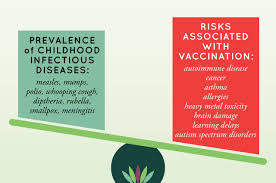
One of the most common claims made by advocates of routine vaccination is that the procedure is responsible for eliminating common infectious diseases from communities that have been well vaccinated. This argument is not supported by information compiled from official Government figures obtained directly from the Health Departments of the United States, Great Britain, and Australia for the following infectious diseases:

Whooping cough, Measles, Poliomyelitis, Tetanus and Diphtheria. If one where to examine these figures and diagrams, it is quite clear that the deaths from these diseases were virtually eliminated BEFORE vaccination programmes were introduced. The downward trend did continue after the vaccinations were introduced, but the trend was on the down path anyway.

Certainly, it cannot be claimed that vaccination has been responsible for the elimination of infectious diseases, the credit for which must be largely attributed to improved sanitation and waste disposal, personal hygiene and nursing care, and the reduction of severe nutritional diseases in the countries considered.

ROUTINE VACCINATION – A SUMMARY OF RISKS
As one reads the relevant literature on vaccination risks based on scientific research, it is clear that anyone who says vaccination is a totally safe and effective procedure is either a fool or a liar – and probably both. Pharmaceutical lobby groups fall directly into this category of people.

Dr. Coulter and Dr. Fisher have thoroughly and accurately researched and documented the risks of the Triple Antigen vaccine. They list fourteen significant short term side effects of the DPT vaccine, which can also apply to other vaccines too:

1. Skin reactions
2. Fever
3. Vomiting and diarrhoea
4. Cough, runny nose, ear infection
5. High pitched screaming, persistent crying
6. Collapse or shock-like episodes
7. Excessive sleepiness
8. Seizure disorders – convulsions, Epilepsy
9. Infantile spasms
10. Loss of muscle control
11. Inflammation of the brain
12. Blood disorders – Thrombocytopenia, Hemolytic Anaemia
13. Diabetes and Hypoglycaemia
14. Death and Sudden Death Syndrome (SIDS)

In addition to these short-term side effects, Coulter and Fisher list three major areas of possible long term damage, including:

1. severe neurological damage
2. brain damage, learning disabilities, and hyperactivity
3. allergy and hypersensitivity

Possibly the most disturbing aspect of their book is the number of reported case histories where doctors administering vaccines completely ignored patients’ previous reactions to vaccination, in some cases resulting in death. This further reinforces that ultimately the parents are responsible for their children’s health; ignorance is not inductive to good parenting.

Other researchers have shown that children who received the pertussis vaccine were 5.43 times more likely to develop asthma in later years, over twice as likely to have ear infections, and significantly more likely to spend longer periods in hospital than those who had not received the vaccine. Thus, clear evidence is emerging of a long term weakening of the immune system due to vaccination.

Dr. Robert Gallo, the US expert who first identified the AIDS virus, raised the possibility between the spread of AIDS in Central Africa and the World Health Organization’s (WHO) Smallpox vaccination campaign (see HERE for more information). WHO figures show that the greatest spread of the HIV infection coincides with the areas receiving the most intense vaccination programmes. This may also explain why the disease in Africa is more evenly spread between males and females than in the West.

Dr. Archie Kalokerinos and Glenn Dettman, Ph.D. undertook one of the most important pieces of research regarding vaccination programmes, in their work with aboriginal children in Australia. Aboriginal infant death rates had reached an unprecedented level of up to 500 out of every 1,000 babies. The death rates had increased dramatically during the early 1970’s. The areas Minister of Interior called in Dr. Kalokerinos who began to investigate. He discovered that herd immunity, without prior examination, was resulting in babies dying due to being vaccininated when they were severely nutritionally undernourished or had a cold or infection.

Summaries of the long-term side effects are as follows:

1. Severe neurological damage
2. Brain damage
3. Allergy and hypersensitivity
4. General damage to the immune system
5. Slow viruses
6. Genetic abnormalities – “Jumping Gene” phenomenon
7. Viral transference
8. Trigger mechanism for immune system diseases
9. Dynamic (miasmic) changes

I have personally seen a number of parents who brought their children to me with similar problems (ADD, Autism, Autistic symptoms, cognitive difficulties, etc.), reporting a “sudden change” just after vaccination. All these children tested positive on the VEGA bio-dermal screening for “vaccination stress.”

HOW EFFECTIVE ARE VACCINATIONS?
It would be nice to think that vaccinations were 100% effective, but the research shows otherwise. Studies measuring “secondary attack rates” – the percentage of other family members infected as a result of definite exposure to a family member with Whooping Cough showed that the efficacy of the vaccine ranged between 59.6 to 80.5%.

Professor Stewart of Glasgow University, UK, head of Community Medicine, states that in 1974/5, and 1978/9, outbreaks in the UK, and in 1974 in the outbreaks in the USA and Canada, the proportion of children developing whooping cough who had been fully vaccinated was between 30 and 50 per cent. Dr. Stewart goes on to conclude that the risks of vaccination to new born babies are as great as those of actually catching the disease itself.

In 1993, Japanese health authorities discontinued the use of the MMR vaccine. One reason was that the vaccine was causing Mumps in recipients. Initially, side effects from the vaccine were predicated as 1 in 100-200,000, but in practice, however, reactions were found to be frequent as 1 in 300.

Roberts and others examined an outbreak of Measles and found that the MMR vaccine was not only ineffective, but increased the severity of the disease. “Symptoms were equally common among immunised and non-immunised subjects. However, significantly more immunised boys than non-immunised boys reported fever, rash, joint symptoms and headache.

SUMMARY OF PROBLEMS ASSOCIATED WITH ROUTINE VACCINATION
There are three basic flaws in the theory and practice of vaccination:

1. The primary cause of disease is not antigenic since not all unvaccinated or previously unexposed people become infected when similarly exposed to an identical antigen. The disease initially results from a sensitivity, which causes inability to cope with invading antigens. This raises the question regarding why some people have natural immunity while others do not. Many other factors are involved in immunity, including genetic characteristics, placental transfer, breastfeeding, as well as individual health, nutritional status, and emotional response to stress.
2. Injections of antigens do not necessarily produce the same results in all individuals, and exceptions can be fatal. At best, these injections increase toxins in the body, which may cause some of the many side effects associated with vaccination. These side effects are aggravated by the relatively massive doses of antigen administered compared to natural exposure, plus chemicals such as Aluminium Phosphate and Thimersol used in the vaccines, as well as the fact that the injected material enters the bloodstream almost directly, bypassing the outer or primary immunological defences. In addition, the protection given by injected antigens is usually temporary, whereas natural exposure to infectious diseases virus generally produces permanent immunity.
3. Repeated injections of antigens tend to both sensitise the recipient to the disease and destroy the vitality of the immune system on a number of levels. This has been scientifically established, as noted in references to various medical practitioners and researchers in previous sections. Natural Therapists believe that damage also occurs on the inner, dynamic level from which an individual derives their entire physical and emotional health.

PREVENTION IS BETTER THAN CURE!
The best position that advocates of routine vaccination can take is that the program offers some protection and that the known side effects (and yet to be demonstrated side effects) are worth the risk. Since this is obviously not an optimum position, the question: “Is there a genuine alternative available?” must be asked. And the answer is a definite YES.

As parents, the best protection you can give your child involves:
1. Ensuring adequate ongoing nutrition for yourselves and your children, including a balanced diet, no more than a moderate alcohol intake, and no smoking.
2. Breastfeeding, where possible, to around nine to twelve months providing an emotionally stable home environment for your children
3. Ensuring safe and effective treatment if an infectious disease is contracted [Dr Shepherd wrote that, during local outbreaks of disease, conventional practitioners would complain that she always had the “easy” cases; her reply was that her method of treatment – Homoeopathy – made her cases appear easy].
4. Constitutional treatment that will elevate general vitality and immune competence.

If desired, parents may support the above measures with Homoeopathic medicines as preventatives against these infectious diseases.

THE ALTERNATIVES TO ROUTINE VACCINATION
Vaccines are more toxic than homoeopathic medicines: This point is generally accepted; in fact, many doctors criticize homoeopathic substances because they do not contain any molecules of the original substance used. They say that “nothing” is there, so “nothing” cannot be toxic. Vaccines, however, contain a number of toxic substances. For example, the triple antigen vaccine contains molecules of diseased material modified with formaldehyde together with an adjuvant (usually aluminium phosphate) and a preservative (usually thimersol, a mercury-based chemical).

The vaccine efficacy of 75-95% may be compared to the single measure of effectiveness of the homoeopathic method derived from the 1994 analysis, being 89%, as confirmed by the latest ten-year survey (1997). This figure not only gives a general indication of efficacy, but (more importantly) supports the historical experience with the homoeopathic method over the last 200 years.

Homoeopathy rapidly gained popular acceptance when it proved successful in treating the infectious diseases sweeping through Europe, such as:
1. In 1813, Hahnemann achieved a success rate of 100% in treating 183 Typhus patients; at that time Typhus was considered incurable.
2. Scarlet Fever was effectively both treated and prevented by Hahnemann using the remedy, Belladonna.
3. During the European Cholera epidemics of the mid-1800’s, the death rate was between 54% and 90%, while the rate amongst persons who received Homoeopathic treatment was between 5% and 16%.
4. During the 1918-1920 Influenza (Spanish Flu) epidemic in the United States, the mortality rate was around 30%; the mortality rate among individuals treated Homoeopathically was less than 1%.

A SPECIFIC HOMEOPATHIC PROGRAM
We will now examine the programs developed by the Issac Golden over the last ten years, who wrote the excellent and comprehensive book “Vaccination? A Review Of Risks and Alternatives.” As stressed previously, no program, orthodox or alternative, can be guaranteed 100% effective, but it is essential that we establish a reliable guide to the relative effectiveness of vaccination and homoeoprophylaxis.

It must be emphasised that the methodology of disease prevention and the remedies used in the kit are not new, having been used for nearly 200 years. However, Issac Golden, following extensive research in the Homoeopathic literature, and subsequent personal clinical experience developed the particular programs.

BASIC PROGRAM FOR PROTECTION FROM BIRTH (1993)

AGE GIVEN REMEDY

1 month Pertussin(200)
2 months Pertussin*
4 months Lathyrus Sativus(200)
5 months Lathyrus Sativus
6 months Haemophilis (M)
7 months Haemophilis* Sativus*
9 months Diphtherinum(200)
10 months Diptherinum*
11 months Tetanus Toxin(200)
12 months Tetanus Toxin*
13 months Pertussin*
14 months Morbillinum(200)
15 months Morbillinum*
16 months Lathyrus Sativus*
17 months Haemophilis*
19 months Parotidinum(200)
20 months Parotidinum*
22 months Diphtherinum*
24 months Tetanus Toxin*
26 months Lathyrus
28 months Haemophilis*
32 months Pertussin*
41 months Tetanus Toxin*
46 months Haemophilis*
50 months Diphtherinum*
54 months Morbillinum*
56 months Lathyrus Sativus*
60 months Tetanus Toxin*
—————————————————————-
* Triple doses to be used

Note: The disease-remedy relationship (including possible substitutions) is as follows:

DISEASE NOSODE SUBSTITUTE REMEDY
————————————————————-
Whooping Cough Pertussin Cuprum Met. Diphtheria Diphtherinum Gelsemium Measles Morbillinum Pulsatilla Poliomyelitis Lathyrus Sativus Lathyrus Sativus Tetanus Tetanus Toxin Hypericum Mumps Parotidinum Rhus Tox Rubella(German Measles) Rubella Pulsatilla Hib Haemophilis Arsenicum Album.
————————————————————-

A supplementary program has also been developed, which may be used in conjunction with or instead of the basic program.

The reason for using both programs is that, although successful use of the remedies in the basic program has been established, no system of protection can be guarantied 100% effective. In the event of definite exposure to a source of infection, parents may wish to give their child additional protection at that time. These two programs comprise the third Homoeopathic Kit, which was first released in 1993.

Supplementary Program for Protection When Exposed to Infection

DISEASE ADMINISTRATION OF REMEDY
—————————————————————–
* Whooping Cough- Pertussin (200c) twice weekly for 3 weeks after contact with carrier.
* Tetanus- Three doses of Ledum Palustre (30c) daily for 3 days after breakage of skin.
* Diphtheria – One dose of Diphtherium (200c) weekly for 4-6 weeks during an outbreak of Diphtheria.
* Measles- Morbillinum (200c) weekly during an outbreak, for 3 weeks.
* Mumps- Parotidinum(200c) weekly during an epidemic or after contact with carrier.
* Rubella – As natural immunity is the most certain, it is better to allow (German Measles) healthy children to acquire this mild disease. If protection is required, the Rubella Nosode (200c) or Pulsatilla (30c) may be used twice weekly for two weeks.
* Haemophilia – Haemophilis (1M) every 2 weeks during an outbreak (Hib).
—————————————————————–

Most of the Homoeopathic medicines listed above are called ‘nosodes’. These are potentised preparations of diseased substances; for example, the nosode Pertussin is the potentised expectoration from a patient with Whooping Cough. However, it is not essential to use Nosodes.

As discussed previously, when a person acquires immunity through natural exposure to a virus, the actual quantity of virus is minute, yet the change is effected on a dynamic level, and subsequently on the physical level. In Homoeopathy, the effect is similar in that changes initially occur on a dynamic level. The Homoeopathic remedy, Pertussin, is the virus potentised to a purely dynamic and non-material degree. Unlike vaccines, therefore, Homoeopathic preparations copy the processes of Nature, with similar results in practice. Further, it must be stressed that vaccination is not a type of Homoeopathic (as has been suggested by some).

We are using medicines of energy, not crude substances like those used in vaccines. The remedies are selected using the Law of Similars. The ignorance of such attacks is made more obvious considering that Homoeopathic medicine is first derided because ‘nothing is there’, and then criticised as being ‘toxic’. Logical and scientific criticism indeed!

If the reader really wants to get to grips with this complex subject, I will give a few of the references that I have used for this brief newsletter. There are many further details and studies that I recommend the parent or practitioner who truly wants to get to grips with vaccine alternatives to read:

1. Issac Golden – Vaccination? A Review of Risks and Alternatives (5th edition)
2. Leon Chaitow – Vaccination and Immunization: Dangers, Delusions and Alternatives

Dr. George J Georgiou, Ph.D.,D.Sc (A.M).,N.D.
drgeorge@avacom.net

Posted on

THE DANGERS OF FOCAL TEETH INFECTIONS

In recent years there has been a reawakening of the dangers of oral infections and their potential disastrous effects on systemic health. Dead and infected teeth are often treated ‘conservatively’ in modern dentistry by performing a treatment called Root Canal Therapy. As dentists we are indoctrinated that it is better to save a tooth at any cost – although the real costs to individual health and the society at large are usually totally overlooked by the teaching institutions. This may at first seem surprising considering that dentistry is touted as a health providing profession. On the other hand, if the dental profession were to accept the reality of Focal Infection (and the potential sources of this oral infection), we would have to reassess some of the fundamental treatment concepts being taught and practiced in dentistry. Root Canal Therapy must surely be one of the prime candidates for this reassessment.
With the resurgence of an interest in this area, there is also a blatant resistance by the dental profession of the reality of Focal Infection Theory. Both the Australian Dental Association and the universities have stated that Focal Infection is a concept dating back 150 years and one, which has been disproven by recent research. This supposed research has never been cited by either the Australian Dental Association or the universities.
This attitude flies in the face of published scientific research some of which is even published in the dental journals. In 1996 the Journal of Periodontology devoted a whole issue to this subject relating periodontal disease to a variety of systemic diseases which included coronary heart disease, diabetes and low birth weight babies.

Quintessence International is one of the most highly respected dental journals in the world. They state in 1997:

“The detrimental effect of focal infection on general health has been known for decades. Chronic dental infections may worsen the condition of medically compromised patients.” (335)

As is common in these sorts of debates the dental authorities will mention research which is 100 years old – in this case the work of people like Billings, Rosenow and Price – and claim that because it is old research it is no longer relevant. They completely ignore the research which is more current. Interestingly all of the research conducted by Dr Weston Price in the 1920’s is fully supported by the recent literature.

It is well accepted in the profession that any form of oral surgery will produce a bacteremia and that this may cause infections in susceptible tissues, especially the heart. What is less accepted is that other sources of sepsis exist in the mouth. These include:

* periodontal infections
* NICO lesions
* dead teeth

Dead teeth are impossible to sterilise and remain infected whether treated with Root Canal Therapy or not. Aside from the actual infective organisms and their by-products a dead tooth also is a source of necrotic tissue breakdown products.

The substances that are spread from such a focus of course include the bacterial, viral and fungal organisms that survive in such foci. It will also include the endotoxins produced by anaerobic organisms in the foci. (354-361) Current research indicates that other toxins produced by anaerobic organisms are also released into the body – these include hydrogen sulphide products and methyl mercaptans, both of which are highly poisonous products. (362-385)

What this means of course is that a dental focus of infection may not only infect other tissues but also poison the body with a variety of toxins. Professor Boyd Haley from Kentucky University has recently demonstrated the presence of these toxins and has developed techniques to test for them. (You can visit Prof Haley’s site at http://www.altcorp.com/oralartc.htm/)

Distribution of organisms and their toxins throughout the body is by various routes: (341-353)

� blood circulation through out the body
� lymphatic distribution locally and then to blood stream
� retrograde axonal transport – transport along nerve fibres and back to the brain.

In 1951 the problem of focal infection was discussed at length in the Journal of the American Dental Association. -Mechanism of Focal Infection J Am Dent Assoc Vol 42 June 1951

DEFINITIONS
“A Focus of infection has been defined as a circumscribed area infected with micro-organisms which may or may not give rise to clinical manifestations.
A Focal Infection has been defined as sepsis arising from a focus of infection that initiates a secondary infection in a nearby or distant tissue or organs.”
The article states clearly that “The concept of focal infection in relation to systemic disease is firmly established” and that “The origin of many toxic or metastatic diseases may be traced to primary local or focal areas of infection”.

This article also states that there are two major mechanisms of focal infection:

a) an actual metastasis of organisms from a focus
b) the spread of toxins or toxic products from a remote focus to other tissues by the blood stream.
Once the infection passes the abscess area about the tooth:

a) they may multiply in the blood setting up an acute or chronic septicaemia.
b) they may be carried live to a suitable nidus where they infect the surrounding tissue.
c) they may produce a slow but progressive atrophy with replacement fibrosis in various organs of the body.

The authors continue to show a relationship to allergic / immune reactions:

The bacteria at the focus may undergo autolysis or dissolution. Some of the products of this dissolution, diffusing into the blood or lymph , may sensitise in an allergic sense, various tissues of the body.”

“A later diffusion of these products on reaching the sensitised tissue may call forth an allergic reaction.”
Considering that the above article was published in 1951, it may be claimed in the late 90’s that this too is old research. For this reason the first section of references associated with the this article are taken mainly from the last 40 years of Medline data bases after combining the search requests ‘focal infection’ and ‘dentistry’.

Henig and Eliezer state in their paper “Brain Abscess following Dental Infection”:

“The elimination of infection from human tissue is a necessary goal based on fundamental biological principles. It is even more essential in an environment in which the natural defence mechanisms of the body are unable to function. Such an environment is the root canal of a tooth.” This statement is published in the Journal of Oral Surgery in 1978. Although the authors believed at the time that it is possible to sterilise a tooth (since disproven) their statement underlies the basic principles of Focal Infection Theory.

What is most interesting from this search is the number of reviews of the literature which have been done in this time. Some of the latest being in 1997.

Published case reports include the following disease states as being directly related to Oral infections:

� Mediastinitis
� Maxillary sinusitis
� Cavernous Sinus thrombosis
� Pharyngeal Cellulitis
� Cardiac Problems
� Necrotising Fascititis
� Necrotising Mediastinitis
� Superior Orbital Fissure Syndrome
� Proptosis
� Opthalmoplegia
� Light Reflex Interference
� Blindness
� Endopthalmitis
� Lung Abscess
� Aspiration Pneumonia
� Brain Abscess
� Meningitis
� Acute Hemiplagia
� Psychotic episodes
� Metastatic Paraspinal Abscess
� Gasarion Ganglion
� Trigeminal Neuralgia
� Endocarditis
� Septicemia
� Myocardial Infection
� Deuodenal Ulcers
� Splenic Abscess
� Leg abscess
� Blood disorders
� Immune reactions
� Inflammatory Bowel Disease
� Low birth weight
� Infertility
� Deaths
� Toxic Shock
� Arthritis
� Rheumatic changes
� Infection of artificial joint prosthesis
� Kidney Damage
� Brain Tumors
� Trigeminal Neuralgia
� Atypical Facial Pain

In other words all areas of the body may be effected by the presence of infected foci in the mouth. It has been relatively easy for the medical profession to distinguish particular micro-organisms in an infection and relate them to the oral flora. It is only recently that we have tests, which can demonstrate low molecular weight toxins, which are produced by these organisms.

Interestingly Dr Weston Price in the 1920’s was able to demonstrate the effects of the toxins although he was not then able to identify or isolate them – his research, I believe, is as relevant today as it was when he wrote it.
It is not my intention to do a formal literature review of focal infections, but merely to present you with a list of references, which of themselves validate the reality of focal infection from dental origins. It is my hope that the dental profession will acknowledge this reality and reassess certain treatment concepts, which currently disregard the published literature. All references are available in Medline.

This article was written by Robert Gammal BDS. FACNEM(Dent).

Focal Infection References
Medline 1960 to 1998
General
1. Andra A [Massive infection of odontogenic origin (author’s transl)]: Zentralbl Chir (1978) 103(8):527-32
2565 patients with infections of odontogenic origin are reported. In only 34,8% of the cases the correct diagnosis was established. Purulent inflammations of the submaxillar area mostly occurred (49,9%) followed by the pharyngeal area (19,9%). Early signs of the spreading of the inflammation must be the indication to send the patient to the hospital to avoid complications.
2. Berard R [Special characteristics of infection spread in temporary molars] Actual Odontostomatol (Paris) (1973 Dec) 27(104):707-18
3. Cros P Freidel A Parret J [3 studies on general infections with dental etiology and bacteriological proofs] Ann Odontostomatol (Lyon) (1969 Sep-Oct) 26(5):189-93
4. Cadenat H Marcopoulos A Gely P Fabie M Combelles R [2 new cases of Melkersson-Rosenthal’s syndrome] Rev Stomatol Chir Maxillofac (1971 Sep) 72(6):635-42
5. Elsner R Koch H [Errors and dangers in treatment of odontogenic infections with antibiotics] Quintessenz (1977 Oct) 28(10):137-40
6. Gawrzewska B Wedler A Fijal D [Results of studies on the removal of active infectious foci in the treatment of diseases caused by odontogenic focal infections] Czas Stomatol (1976 Dec) 29(12):1099-103
7. Huurman PM [Root canal therapy and focal infection] Dtsch Stomatol (1965 Dec) 15(12):938-40
8. Klammt J [Life endangering complications of acute odontogenous infections in the era of antibiotics] Dtsch Gesundheitsw (1969 Sep 4) 24(36):1695-8
9. Hunter N Focal infection in perspective. Oral Surg Oral Med Oral Pathol (1977 Oct) 44(4):626-7
In this article some of the theoretical possibilities arising as a result of focal infection are discussed. Rheumatic fever is discussed as an example of a disease in which a number of possible mechanisms may act to produce tissue damage at a target area. The mechanisms examined are direct dissemination of organisms from the focus to the target area, the induction of L-phase bacteria, and toxic damage to target tissue. Host-mediated tissue damage by hypersensitivity or auto-immune mechanisms is considered as well.
10. Lachard J Cremieu A Jars G Ged S Kaplanski P [4 cases of Osler’s disease] Rev Stomatol Chir Maxillofac (1970 Jul-Aug) 71(5):405-10
11. Reil B Koblin I [Catamnestic surveys in 371 cases of abscess of the maxillofacial region in childhood] Dtsch Zahnarztl Z (1976 Feb) 31(2):182-4
Catamnestic surveys of 371 children who suffered from abscesses during the past ten years (1965 to 1974) showed that type and location of the abscesses and their incidence in the various age groups are typical and differ from those of abscesses in adults. These results are discussed and compared with the data found in the literature.
12. Rouchon [Distant manifestations of bucco-dental origin in children] Med Infant (Paris) (1965 May) 72(5):341-9
13. Sadowsky C The tooth and periodontium as a site of focal infection. Diastema (1968) 2(3):43-7
14. Stortebecker TP [Spreading hazards from infection foci] Sprindningsvagar fr~an infektiosa foci. Sven Tandlak Tidskr (1966 Feb 15) 59(2):99-107
15. Sukin L Periodontal disease, focal infection and systemic health. J N J Dent Assoc (1975 Winter) 46(2):26-9, 47

Cardiac
16. Asikainen S Alaluusua S Bacteriology of dental infections. Eur Heart J (1993 Dec) 14 Suppl K:43-50
Oral bacteria may spread into the blood stream through ulcerated epithelium in diseased periodontal pockets and cause transient bacteraemias, which are regarded as increased risk, especially for immunocompromised patients or persons with endoprotheses.
17. Droz D Koch L Lenain A Michalski H Bacterial endocarditis: results of a survey in a children’s hospital in France Br Dent J (1997 Aug 9) 183(3):101-5
18. Lieberman MB A life-threatening, spontaneous, periodontitis-induced infective endocarditis. J Calif Dent Assoc (1992 Sep) 20(9):37-9
19. Mattila KJ Dental infections as a risk factor for acute myocardial infarction. Eur Heart J (1993 Dec) 14 Suppl K:51-3
20. Mattila KJ Valle MS Nieminen MS Valtonen VV Hietaniemi KL Dental infections and coronary atherosclerosis. Atherosclerosis (1993 Nov) 103(2):205-11
21. Paunio K Impivaara O Tiekso J Maki J Missing teeth and ischaemic heart disease in men aged 45-64 years. Eur Heart J (1993 Dec) 14 Suppl K:54-6
22. Root TE Silva EA Edwards LD Topp JH Hemophilus aphrophilus endocarditis with a probable primary dental focus of infection. Chest (1981 Jul) 80(1):109-10
23. Seymour RA Steele JG Is there a link between periodontal disease and coronary heart disease? [see comments] Br Dent J (1998 Jan 10) 184(1):33-8 Evidence suggests that dental health, in particular periodontal disease, may be a significant risk factor for coronary heart disease and further coronary events.
24. Wahl MJ Clinical issues in the prevention of dental-induced endocarditis and prosthetic joint infection. Pract Periodontics Aesthet Dent (1995 Aug) 7(6):29-36; quiz 37
25. Whyman RA et al Oral Surg Oral Med Oral Pathol 1994 Jul;78(1):47-50 Dens in dente associated with infective endocarditis After dental abscess of the UL Lateral incisor
26. Younessi OJ Walker DM Ellis P Dwyer DE Fatal Staphylococcus aureus infective endocarditis: the dental implications. Oral Surg Oral Med Oral Pathol Oral Radiol Endod (1998 Feb) 85(2):168-72

Chest
27. Bonapart IE Stevens HP Kerver AJ Rietveld AP Rare complications of an odontogenic abscess: mediastinitis, thoracic empyema and cardiac tamponade. J Oral Maxillofac Surg (1995 May) 53(5):610-3
28. Cogan IC Necrotizing mediastinitis secondary to descending cervical cellulitis. Oral Surg Oral Med Oral Pathol (1973 Sep) 36(3):307-20
29. Colmenero Ruiz C Labajo AD Yanez Vilas I Paniagua J Thoracic complications of deeply situated serous neck infections. J Craniomaxillofac Surg (1993 Mar) 21(2):76-81
30. IM Dhanarajani PJ Cervical cellulitis and mediastinitis caused by odontogenic infections: report of two cases and review of literature. J Oral Maxillofac Surg (1995 Feb) 53(2):203-8
31. Economopoulos GC Scherzer HH Gryboski WA Successful management of mediastinitis, pleural empyema, and aortopulmonary fistula from odontogenic infection. Ann Thorac Surg (1983 Feb) 35(2):184-7
32. Esgaib AS Silva AC Meira EB Kassab GE Salvestro E de S de Souza MM Steinberg O Lyra R de M Ghefter M [Mediastinitis following dental infection: report of 2 cases] Rev Paul Med (1986 Sep-Oct) 104(5):283-5
33. Esgaib AS Ghefter MC Lyra R de M Guidugli RB Trajano AL Ferreira SM Mediastinitis after cervical suppuration. Rev Paul Med (1992 Sep-Oct) 110(5):227-36
34. Garatea-Crelgo J Gay-Escoda C Mediastinitis from odontogenic infection. Report of three cases and review of the literature. Int J Oral Maxillofac Surg (1991 Apr) 20(2):65-8
35. Gonnon F Perrin-Fayolle M [Incidence of the bucco-dental infections on acute and chronic bronchopulmonary infections] Ligament (1978) 16(129):25-32
36. Guittard P Ducasse JL Jorda MF Eschapasse H Lareng L [Mediastinitis caused by odontogenic anaerobic bacteria] Ann Fr Anesth Reanim (1984) 3(3):216-8
37. Hendler BH Quinn PD Fatal mediastinitis secondary to odontogenic infection. J Oral Surg (1978 Apr) 36(4):308-10
A case of necrotizing mediastinitis that caused death in a 38-year- old man has been reported. The cause of his infection was proved, both radiographically and clinically, to be dental infection associated with the lower molars and their supporting structures. A diffuse cellulitis involving the submandibular, masticator, and parapharyngeal spaces ensued. Sudden onset of severe pleuritic chest pains and a 100% pneumothorax of the left lung developed, which ultimately led to his death.
38. Kruchinskii GV Korsak AK Myshkovskii VA Ryneiskii SP [Experience with the diagnosis and treatment of secondary odontogenic mediastinitis] Stomatologiia (Mosk) (1989 Nov-Dec) 68(6):15-7
39. Lee SH Kim JS Kwack DH Jung Y [A case report of odontogenic infection leading to fatal mediastinitis] Taehan Chikkwa Uisa Hyophoe Chi (1989 Mar) 27(3):279-86
40. Latronica RJ Shukes R Septic emboli and pulmonary abscess secondary to odontogenic infection. J Oral Surg (1973 Nov) 31(11):844-7
41. Larik ML van Zanten TE van der Waal I van der Kwast WA [Lung disease resulting from osteomyelitis of the mandible] Ned Tijdschr Tandheelkd (1978 Nov) 85(11):428-30
42. Levine TM Wurster CF Krespi YP Mediastinitis occurring as a complication of odontogenic infections. Laryngoscope (1986 Jul) 96(7):747-50
43. McCurdy JA Jr MacInnis EL Hays LL Fatal mediastinitis after a dental infection. J Oral Surg (1977 Sep) 35(9):726-9
The pertinent features of life-threatening complications of dental infections have been briefly reviewed with particular emphasis on the alterations of the clinical features of these conditions induced by antibiotic therapy. The clinician who deals with dental infections must exercise a high index of suspicion to consistently abort the development of these complications, especially when treating debilitated patients or individuals with compromised immune functions.
44. Marty-Ane CH Alauzen M Alric P Serres-Cousine O Mary H Descending necrotizing mediastinitis. Advantage of mediastinal drainage with thoracotomy. J Thorac Cardiovasc Surg (1994 Jan) 107(1):55-61
45. Marchan Carranza E Gijon Rodriguez J Mantes German I [Septic pulmonary embolism secondary to dental focus. Lemierre’s syndrome? (letter; comment)] Arch Bronconeumol (1994 Nov) 30(9):473-4
46. Molchanova KA Stepanova TV [Clinical picture and therapy of odontogenic mediastinitis] Khirurgiia (Mosk) (1971 Jan) 47(1):79-83
47. Moncada R Warpeha R Pickleman J Spak M Cardoso M Berkow A White H Mediastinitis from odontogenic and deep cervical infection. Anatomic pathways of propagation. Chest (1978 Apr) 73(4):497-500
Potentially lethal consequences can quickly occur once the mediastinum is subjected to the ravages of an anaerobic infection. Mediastinitis from odontogenic or deep cervical infections is extremely rare in the era of antibiotic drugs. We have recently encountered five such cases, with a rapid spread of the inflammatory process into the mediastinum resulting in a number of local and systemic complications. All were caused by anaerobic bacteria. Awareness of such complications and early roentgenographic diagnosis lead to prompt surgical drainage, proper antibiotic therapy, and survival after a stormy clinical course. The anatomic pathways between the various fascial planes of the neck and ediastinum will be described.
48. Morey-Mas M Caubet-Biayna J Iriarte-Ortabe JI Mediastinitis as a rare complication of an odontogenic infection. Report of a case. Acta Stomatol Belg (1996 Sep) 93(3):125-8
49. Musgrove BT Malden NJ Mediastinitis and pericarditis caused by dental infection. Br J Oral Maxillofac Surg (1989 Oct) 27(5):423-8
50. Petrone JA Mediastinal abscess and pneumonia of dental origin. J N J Dent Assoc (1992 Autumn) 63(4):19-23
51. Piperno D Gaussorgues P Leger P Gerard M Boyer F Tigaud S Pignat JC Robert D [Mediastinitis caused by anaerobic bacteria. 4 cases] Presse Med (1987 Nov 14) 16(38):1889-90
52. Robustova TG Gubin MA Kharitonov IuM Girko EI [The diagnosis and treatment of contact odontogenic mediastinitis] Stomatologiia (Mosk) (1996) 75(6):28-32
53. Rubin MM Cozzi GM Fatal necrotizing mediastinitis as a complication of an odontogenic infection. J Oral Maxillofac Surg (1987 Jun) 45(6):529-33
54. Sazonov AM Muromskii IuA Plotnikov NA Zubkova LF Troianskii IV [Odontogenic mediastinitis] Grudn Khir (1977 Jul-Aug)(4):82-6
55. Siegel EB Friedlander AH Mongiardo JJ Klebsiella pneumonia facial fistula secondary to non-vital tooth. A case report. N Y State Dent J (1976 May) 42(5):291-2
56. Smith RW Taylor RG O’Connor JF Dental infection: a source of pulmonary emboli. Oral Surg Oral Med Oral Pathol (1967 Aug) 24(2):158-63
57. Sobolewska E Skokowski J Jadczuk E [Pleural empyema as a complication of descending necrotizing mediastinitis] Pneumonol Alergol Pol (1997) 65(5-6):364-9
58. Steiner M Grau MJ Wilson DL Snow NJ Odontogenic infection leading to cervical emphysema and fatal mediastinitis. J Oral Maxillofac Surg (1982 Sep) 40(9):600-4
59. Sugata T Fujita Y Myoken Y Fujioka Y Cervical cellulitis with mediastinitis from an odontogenic infection complicated by diabetes mellitus: report of a case. J Oral Maxillofac Surg (1997 Aug) 55(8):864-9
60. Timosca G Gogalniceanu D Barna M Streba P Vicol C Popescu E [Suppurative cervico-mediastinitis of odontogenic origin] Rev Chir Oncol Radiol O R L Oftalmol Stomatol Ser Stomatol (1989 Oct-Dec) 36(4):291-301
61. Tamura M Minemura T Kurashina K Kotani A Mediastinitis caused by odontogenic infection associated with adult respiratory distress syndrome. Oral Surg Oral Med Oral Pathol (1992 Jul) 74(1):15-8
62. Terezhalmy GT Bottomley WK Pulmonary nocardiosis associated with primary nocardial infection of the oral cavity. Oral Surg Oral Med Oral Pathol (1978 Feb) 45(2):200-6
A case of pulmonary nocardiosis associated with primary nocardial infection of the oral cavity in a compromised host is presented. Nocardia asteroides, an aerobic, gram-positive, branching, filamentous fungus, was demonstrated in the sputum and in pathologic specimens from gingival sulci stained by Gram’s method and the acid- fast method Kinyoun. The organism was identified in cultures made on Sabouraud’s glucose agar. Marked clinical improvement was noted when the patient received high dosage of sulfisoxazole diolamine (8 to 12 Gm. per day) for a prolonged period of time (9 to 12 months). Because of an apparent relative increase in the incidence of nocardiosis and a paucity of information on the subject in the dental literature, this article is timely.
63. Unteanu G Solacolu VI [Problems concerning the etiopathogenesis of bronchopulmonary suppurations] Pneumoftiziol (1976 Jan-Mar) 25(1-2):23-6
The data supplied by analysis of more than 1 000 patients pointed to the wide range of the causal factors, the role of focal infections of the upper respiratory and digestive tracts and the mechanisms that interfere in the determinism of the bronchopulmonary suppurative syndrome, the septic particles migrating as a rule along the bronchogenic route.
64. Webster AC Parnell AG The management of respiratory obstruction secondary to odontogenic infection–case report. Can Anaesth Soc J (1972 May) 19(3):299-304
65. Zachariades N Mezitis M Stavrinidis P Konsolaki-Agouridaki E Mediastinitis, thoracic empyema, and pericarditis as complications of a dental abscess: report of a case. J Oral Maxillofac Surg (1988 Jun) 46(6):493-5

Neurologic and Central Nervous System>/b>
66. Aldous JA Powell GL Stensaas SS Brain abscess of odontogenic origin: report of case. J Am Dent Assoc (1987 Dec) 115(6):861-3
67. Andersen WC Horton HL Parietal lobe abscess after routine periodontal recall therapy. Report of a case. J Periodontol (1990 Apr) 61(4):243-7
68. Andrews M Farnham S Brain abscess secondary to dental infection. Gen Dent (1990 May-Jun) 38(3):224-5
69. Balogh G Afra D Inovay J [Endocranial abscess: complication of dental extraction] Rev Stomatol Chir Maxillofac (1972 Apr-May) 73(3):205-9
70. Bayer D. et al Trigeminal Neuralgia an overview. Oral Surg. Oral Med. Oral Pathol. 1979:48:393-9
71. Benech A Barrale S Dalmasso di Garzegna A [Left temporal abscess in bearers of maxillary and mandibular endosseous implants. A clinical case] Minerva Stomatol (1986 Oct) 35(10):999-1003
72. Becarevici V [Acute delusion psychosis (acute delusion crisis) secondary to a dental infection] Rev Med Suisse Romande (1988 Mar) 108(3):257-62
73. Bergouignan H Benoit P Boussagol P Brun G [Neuralgic syndrome of dental origin simulating an essential facial neuralgia] : Rev Odontostomatol Midi Fr (1969) 27(2):124-5
74. Black R., laboratory model for Trigeminal Neuralgia. Adv. Neuro.1974; 4:651-8
75. Churton MC Greer ND Intracranial abscess secondary to dental infection. N Z Dent J (1980 Apr) 76(344):58-60
76. Chuikin SV [Immunological aspects of the effect of inflammatory diseases of the maxillofacial area on the brain] Stomatologiia (Mosk) (1989 May-Jun) 68(3):32-5
77. Dechaume M Laudenbach P [Cerebro-meningeal manifestations of dental etiology] Rev Stomatol Chir Maxillofac (1969 Mar) 70(2):109-14
78. el Fakir Y Jiddane M Abid A [Thrombophlebitis of the cavernous sinus of dental origin. Apropos of a case with a review of the literature] Rev Stomatol Chir Maxillofac (1993) 94(1):55-9
79. Essioux H Burlaton J Legros J Daly JP Molinie C Laverdant C [Recurrent suppurative meningitis of dental origin in Behcet’s disease] Actual Odontostomatol (Paris) (1982) 36(139):355-60
80. Fromm G., et al Trigeminal Neuralgia. Current concepts regarding etiology and pathogenisis Arch Neurol 1984;41: 1204-7
81. Feldges A Heesen J Nau HE Schettler D [Odontogenic brain abscess. 2 case reports] Der odontogene Hirnabszess. 2 Fallberichte. Dtsch Z Mund Kiefer Gesichtschir (1990 Jul-Aug) 14(4):297-300 Frequently the bacteria found by aspiration of the brain abscess are the only indication of a dental focus.
82. Gallagher DM Erickson K Hollin SA Fatal brain abscess following periodontal therapy: a case report. Mt Sinai J Med (1981 Mar-Apr) 48(2):158-60
83. Goscinski I Stachura K Uhl H [Thrombosis of the cavernous sinus] Zakrzep zatoki jamistej. Neurol Neurochir Pol (1991 May-Jun) 25(3):386-9
84. Glonti TI Malashkiia IuA Chkhikvishvili TsSh [On the role of chronic odontogenic infection in the genesis of neurologic disorders] Klin Med (Mosk) (1968 Jan) 46(1):112-5
85. Gray RL Peripheral facial nerve paralysis of dental origin. Br J Oral Surg (1978 Nov) 16(2):143-50
The aetiology, diagnosis and treatment of peripheral facial nerve palsy are discussed. Four cases of facial nerve palsy following dental procedures are reported. Following a revision of the world literature during the last 23 years, the 25 cases of facial nerve palsy documented are analysed and divided into four groups on the basis of aetiology, speed of onset and recovery and modes of treatment suggested.
86. Gobel S., Bink J., degenerative changes in primary trigeminal axons and in neurons in nucleus caudalis following tooth pulp extirpation in the cat., : Brain Res. 1977;132:347-54
87. Guerin JM Laurent C Manet P Segrestaa JM [Facial cellulitis and septic thrombophlebitis of the cavernous sinus of dental origin] Rev Med Interne (1987 Sep-Oct) 8(4):416-8
88. Hamlyn JF Acute hemiplegia in childhood following a dental abscess. Br J Oral Surg (1978 Nov) 16(2):151-5
The syndrome of acute hemiplegia in childhood is described and a case following dental infection reported. The possible mechanisms responsible for the development of this condition are considered.
89. Hedstrom SA Nord CE Ursing B Chronic meningitis in patients with dental infections. Scand J Infect Dis (1980) 12(2):117-21
90. Henig EF Derschowitz T Shalit M Toledo E Tikva P Aviv T Brain abcess following dental infection. Oral Surg Oral Med Oral Pathol (1978 Jun) 45(6):955-8
A 48-year-old woman underwent root canal treatment of the upper left lateral incisor and lower right second premolar. Close to the conclusion of the endodontic treatment she complained about headaches. Later on, because of aggravation of her condition, with headaches, fever, malaise, Weakness, and numbness of the right limbs, she was admitted to the hospital. The disease progressed to an epileptic state, with appearance of a right hemiparesis. A brain scan and carotid arteriogram revealed the presence of a mass occupying the left parietal space. Craniotomy disclosed an abscess containing yellow pus from which Streptococcus viridans was cultured. After thorough surgical cleansing of the area, removal of the bone for decompression, and treatment with ampicillin the patient improved gradually and slowly regained the mobility of her right side.
91. Hollin SA Hayashi H Gross SW Intracranial abscesses of odontogenic origin. Oral Surg Oral Med Oral Pathol (1967 Mar) 23(3):277-93
92. Ingham HR Kalbag RM Tharagonnet D High AS Sengupta RP Selkon JB Abscesses of the frontal lobe of the brain secondary to covert dental sepsis. Lancet (1978 Sep 2) 2(8088):497-9
The bacterial species found in pus aspirated from brain abscesses in two patients were typical of those found in dental sepsis. Subsequently apical-root abscesses were demonstrated in the upper jaws of both patients. This evidence strongly suggests that these cerebral abscesses were secondary to dental sepsis which could have spread from the teeth to the frontal lobes by several possible antaomical pathways.
93. King R. Interaction of noxious and nonnoxious stimuli in primary sensory nuclei Adv Neurol 1974; 4:659-63
94. Larkin EB Scott SD Metastatic paraspinal abscess and paraplegia secondary to dental extraction. Br Dent J (1994 Nov 5) 177(9):340-2
95. Lewandowski L Serafinowska A [Peripheral facial nerve palsy caused by focal dental infection] Czas Stomatol (1970 Dec) 23(12):1357-60
96. Lutsik LA [Streptococcal chroniosepsis complicated by meningoencephalitis with a fatal outcome] Stomatologiia (Mosk) (1979 Nov-Dec) 58(6):55-6
97. Martinez Garcia W Aleman Lopez ST [Septic thrombosis of the cavernous sinus of dental origin. Case report] Divulg Cult Odontol (1971 Sep-Oct)(171):25-7
98. Marks PV Patel KS Mee EW Multiple brain abscesses secondary to dental caries and severe periodontal disease. Br J Oral Maxillofac Surg (1988 Jun) 26(3):244-7
99. Mojseowicz K Czerwinski F Linnik-Kabat A [Intracranial complications as a consequence of purulent acute inflammatory processes on the face and in the oral cavity] Czas Stomatol (1971 Jun) 24(6):623-7
100. Montejo M Aguirrebengoe K Streptococcus oralis meningitis after dental manipulation [letter] Oral Surg Oral Med Oral Pathol Oral Radiol Endod (1998 Feb) 85(2):126-7
101. Mucke L Clinical management of neuropathic pain Neurol clin 1987;5:649-63
102. Mukharinskaia VS Antadze ZI Devidze NV Emchenko VT Nodiia EI [Neurological complications in chronic suppurative odontogenic infection] Stomatologiia (Mosk) (1981) 60(4):22-3
103. Ogundiya DA Keith DA Mirowski J Cavernous sinus thrombosis and blindness as complications of an odontogenic infection: report of a case and review of literature. J Oral Maxillofac Surg (1989 Dec) 47(12):1317-21
104. Perna E Liguori R Petrone G Mannarino E Actinomycotic granuloma of the Gasserian ganglion with primary site in a dental root. Case report. J Neurosurg (1981 Apr) 54(4):553-5
105. Pompians-Miniac L [Apropos of 2 cases of endocranial abscesses of dental origin. Propagation by venous route of apical infection] Rev Fr Odontostomatol (1966 Jun-Jul) 13(6):1161-76
106. Renton TF Danks J Rosenfeld JV Cerebral abscess complicating dental treatment. Case report and review of the literature. Aust Dent J (1996 Feb) 41(1):12-5
107. Ries P Turk R [Histopathologic changes in bone marrow and in dental pulp in patients with trigeminal neuralgia] Dtsch Z Mund Kiefer Gesichtschir (1984 Jul-Aug) 8(4):301-4
108. Ruzin GP Zakharov IuS Bolgov DF [A case of odontogenic osteomyelitis of the maxilla complicated by meningitis] Stomatologiia (Mosk) (1974 Sep-Oct) 53(5):87-8
109. Saal CJ Mason JC Cheuk SL Hill MK Brain abscess from chronic odontogenic cause: report of case. J Am Dent Assoc (1988 Sep) 117(3):453-5
110. Selby G., Diseases of the fifth cranial nerve. In Dyke PJ., Thomas PK., Peripheral Neuropathy. Philadelphia. W.B. Saunders 1984;1224-65
111. Schotland C Stula D Levy A Spiessl B [Brain abscess after odontogenic infection] SSO Schweiz Monatsschr Zahnheilkd (1979 Apr) 89(4):325-9
112. Steiner G J Neuropath. 1952;11:343-72 Multiple Sclerosis “sinus mucosa may become repeatedly infected from diseased teeth, gums and tonsils”
113. Stevenson GW Gossman HH Dental and intracranial actinomycosis. Br J Surg (1968 Nov) 55(11):830-4
114. Strauss SI Stern NS Mendelow H Spatz SS Septic superior sagittal sinus thrombosis after oral surgery. J Oral Surg (1973 Jul) 31(7):560-5
115. Struzak-Wysokinska M [Peripheral paralysis of the facial nerve caused by peridental foci] Czas Stomatol (1967 Mar) 20(3):283-8
116. Taicher S Garfunkel A Feinsod M Reversible cavernous sinus involvement due to minor dental infection. Report of a case. Oral Surg Oral Med Oral Pathol (1978 Jul) 46(1):7-9
Described is a case of a cavernous sinus involvement due to minor dental infection. The early dental diagnosis and treatment reversed the course of cavernous sinus thrombosis.
117. Tassarotti B [A case of spheno-palatine ganglionic syndrome of dental origin] Rass Int Stomatol Prat (1969 Sep-Oct) 20(5):307-13
118. Unteanu G Solacolu VI [Problems concerning the etiopathogenesis of bronchopulmonary suppurations] Pneumoftiziol (1976 Jan-Mar) 25(1-2):23-6
The data supplied by analysis of more than 1 000 patients pointed to the wide range of the causal factors, the role of focal infections of the upper respiratory and digestive tracts and the mechanisms that interfere in the determinism of the bronchopulmonary suppurative syndrome, the septic particles migrating as a rule along the bronchogenic route.
119. Urbani G Ferronato G Bertele GP [Trigeminal neuralgia with chronic infection due to the presence of a large root fragment in the mandibular canal] G Stomatol Ortognatodonzia (1982 Jul-Sep) 1(2):17-20
120. Urmosi J Wittmann K Tamus I [Successful treatment of thrombophlebitis of the sinus cavernosus originating from a cuspid] Orv Hetil (1972 Mar 26) 113(13):766-8
121. Urmosi J [Thrombophlebitis of the sinus cavernosus]: Stomatol DDR (1975 Nov) 25(11):776-8
A short survey of the relevant literature is followed by the description of the clinical course of a thrombophlebitis of the cavernous sinus. In this case, the initial focus was an infection of a canine which caused thrombophlebitis via the anterior facial vein. The healing must be attributed to the immediate application of broad spectrum antibiotics and removal of the primary focus.
122. Uppgaard RO Tic douloureux–multicauses include dental origin. Northwest Dent (1968 Sep-Oct) 47(5):273-7
123. Vitzthum HE Erle A Lambrecht R [Intracranial complications induced by odontogenic pyogenic infections] Stomatol DDR (1985 Nov) 35(11):637-42
124. Valachovic R Hargreaves JA Dental implications of brain abscess in children with congenital heart disease. Case report and review of the literature. Oral Surg Oral Med Oral Pathol (1979 Dec) 48(6):495-500
There is a high morbidity and mortality associated with brain abscesses in children with congenital cyanotic heart disease. A case is reported here which implicated an endodontically treated primary molar in the etiology of a brain abscess in a boy with congenital cyanotic heart disease.
125. Westrum LE., Canfield RC., Black R., Transganglionic Degeneration in the spinal trigeminal nucleus following the removal of tooth pulps in adult cats. Brain Res 1976; 6:100:137-40
126. Westrum LE., Canfield RC., Electron microscopy of degenerating axons and terminals in the spinal trigeminal nucleus after tooth pulp exterpation. Am J Anat. 1977; 149:591-6
127. Yun MW Hwang CF Lui CC Cavernous sinus thrombosis following odontogenic and cervicofacial infection. Eur Arch Otorhinolaryngol (1991) 248(7):422-4
128. Zachariades N Vairaktaris E Mezitis M Triantafyllou D Papavassiliou D Cerebral abscess and meningitis complicated by residual mandibular ankylosis. A study of the routes that spread the infection. J Oral Med (1986 Jan-Mar) 41(1):14-20
Trigeminal neuralgia
129. Bayer D. et al Trigeminal Neuralgia an overview. Oral Surg. Oral Med. Oral Pathol. 1979:48:393-9
130. Fromm G., et al Trigeminal Neuralgia. Current concepts regarding etiology and pathogenisis Arch Neurol 1984;41: 1204-7
131. King R. Interaction of noxious and nonnoxious stimuli in primary sensory nuclei Adv Neurol 1974; 4:659-63
132. Mucke L Clinical management of neuropathic pain Neurol clin 1987;5:649-63
133. Selby G., Diseases of the fifth cranial nerve. In Dyke PJ., Thomas PK., Peripheral Neuropathy. Philadelphia. W.B. Saunders 1984;1224-65
Opthalmic
134. Artis JP Artis M Bowyer M Durivaux S [On uveitis of dental origin. On 200 cases] Inf Dent (1979 Feb 1) 61(5):325-30
135. Boyer R Fourel J Martin R Barkat A [Eye manifestations of dental origin] Actual Odontostomatol (Paris) (1966 Dec) 76:455-68
136. Bermanowa G Pietrowa N Lalek A Bujalska H [Dental focal infection in eye diseases (preliminary report)] Czas Stomatol (1969 Oct) 22(10):923-6
137. Bocca M Zombolo L Coscia D Moniaci D [The correlation between dental pathology and ophthalmic pathology] Minerva Stomatol (1989 Oct) 38(10):1117-20
138. Cordier J Vexler C Watrin E Barisain P [Ocular inflammation of dental origin] Bull Soc Ophtalmol Fr (1965 Mar) 65(3):221-2
139. Francois J Van Oye R [Eye diseases and odontologic affections] Rev Belge Med Dent (1968) 23(2):129-37
140. Harris M Dental infection and the eyes. Dent Health (London) (1966 Jul-Sep) 5(3):47-50
141. Harris M Dental infection and the eyes. Pak Dent Rev (1968 Jul) 18(3):107-11
142. Krudysz J Baranowa A [Rare case of ocular complications of dental origin] Klin Oczna (1970) 40(3):411-4
143. Ivanov I [Maxillary sinuisitis and orbit phlegmon from dental origin] Maksilaren sinuit i flegmon na orbitata. Stomatologiia (Sofiia) (1973 Oct-Nov) 55(6):467-70
144. May DR Peyman GA Raichand M Friedman E Metastatic Peptostreptococcus intermedius endophthalmitis after a dental procedure. Am J Ophthalmol (1978 May) 85(5 Pt 1):662-5
145. Murphy NC Mahar PJ Fair R Uveitis and its relation to periapical-periodontal infection. Ohio Dent J (1979 Sep) 53(9):24-5
A 46-year-old man developed symptoms of a chronic progressive uveitis in his right eye aproximately one week after a dental procedure. The patient’s intraocular inflammation was not diminished by massive treatment with topical and systemic corticosteroid therapy or intravenously administered adrenocorticotropic hormone. The inflammatory process progressed to an overt endophthalmitis during a period of three weeks and the eye eventually required evisceration. A pure culture of Peptostreptococcus intermedius was isolated from the eye. The most likely source of this organism was hematologic transport following a dental procedure.
146. Niho M [2 cases of rhinogenic retrobulbar optic neuritis and a case of odontogenic retrobulbar optic neuritis with abducent palsy] Nippon Jibiinkoka Gakkai Kaiho (1972 Jul) 75(7):783-99
147. Nemetz U [Ophthalmology and focal infections] Osterr Z Stomatol (1974 Nov) 71(11):414-5
148. Papakonstantinou A Papakonstantinou P [Dental focal infections and optic neuritis] Stomatol Chron (Athenai) (1969 Sep-Oct) 13(5):185-91
149. Rousselie F [Eye infections of dental origin] Ligament (1978) 16(129):15-7
150. Rubin et al Oral Surg 1976 Vol 41 No 1 Abscess involving the left eye that originated as a dental abscess
151. Ruban JM Breton P Cognion M Freidel M [A conjunctival tumor of dental origin. Apropos of a case] Rev Stomatol Chir Maxillofac (1991) 92(4):262-4
152. Sela M Sharav Y The dental focal infection as an origin for uveitis. Isr J Dent Med (1975 Jan) 24:31-5
153. Stone A Straitigos GT Mandibular odontogenic infection with serious complications. Oral Surg Oral Med Oral Pathol (1979 May) 47(5):395-400
Orbital cellulitis usually begins as an infection of the paranasal sinuses. While a small percentage of cases are of dental origin, these usually involve the maxillary teeth. In the case reported here orbital cellulitis originated from an infection in the mandible and spread through the pananasal sinuses, deep facial circulation, and orbital tissues, resulting in unilateral blindness. Principles of management and possible pathways for the spread of the infection are discussed.
154. Szak O Belan J [Endogenous uveitis in 4-year-material of the Eye Clinic in Bratislava] Cesk Oftalmol (1967 May) 23(3):163-7
155. Soofi MA The tooth and the eye. Pak Dent Rev (1968 Apr) 18(2):73-5
156. Takahashi T [A case of retrobulbar neuritis with long-term remission] Nippon Ganka Kiyo (1967 Feb) 18(2):169-73
157. Yates C Monks A Orbital cellulitis complicating the extraction of infected teeth. J Dent (1978 Sep) 6(3):229-32
158. Zoltan N Gyula M [Odontogenic orbital phlegmon] Orv Hetil (1976 DEC 5) 117(49):2995-6
Blood & Blood Vessels
159. Carter TB Blankstein KC White RP Jr Severe odontogenic infection associated with disseminated intravascular coagulation. Gen Dent (1992 Sep-Oct) 40(5):428-31
160. Fleischhacker H Stacher A [On the effect of dental focal infection on the course of hematologic diseases] Osterr Z Stomatol (1969 Jun) 66(6):210-4
161. Marculescu A Ursuleac S Pralea E Anghel I [Vascular diseases of the posterior pole caused by focal infections] Rev Chir [Oftalmol] (1978 Oct-Dec) 22(4):301-2
162. Madeira AA Lopes GV [Study of the hematological changes in thirty patients with chronic dental infection, before and after surgical treatment (author’s transl)] Arq Cent Estud Fac Odontol UFMG (Belo Horiz) (1976 Jan-Dec) 13(1-2):177-88
163. Marini R Succo M Modica F [Focal infection in dentistry: the in vitro specific lymphocyte blast test] Minerva Stomatol (1991 Nov) 40(11):689-94
164. Salgarelli A Morana G Beltramello A Nocini PF Pseudoaneurysm of the lingual artery: a case report. J Oral Maxillofac Surg (1997 Aug) 55(8):860-4
165. Shurin SB Socransky SS Sweeney E Stossel TP A neutrophil disorder induced by capnocytophaga, a dental micro- organism. N Engl J Med (1979 Oct 18) 301(16):849-54
We recovered capnocytophaga, a gram-negative anaerobe implicated in the pathogenesis of periodontal disease, from two patients with a history of dental infections. Neutrophils from both patients failed to acquire the asymmetric shape characteristic of normal neutrophils. Fluorescein staining of the patients’ living neutrophils remained diffuse and patchy instead of showing the normal pattern in which the fluorescence is swept into the rear of the cell. The locomotion of one patient’s neutrophils in vitro was less than 50 per cent of that of normal neutrophils, and migration of this patient’s neutrophils into dermal abrasions was reduced, although phagocytosis and nitroblue tetrazolium reduction were normal. All abnormalities of neutrophil morphology and function disappeared after eradication of the capnocytophaga infections. Sonicates and culture medium of capnocytophaga contained a dialyzable substance that caused normal neutrophils to behave like neutrophils obtained from the infected patients.
166. Stypulkowski C Lagan W Stypulkowska J [Chronic focal oral infection as a factor causing the appearence of hemorrhagic hyperglobulinemic purpura of Waldenstrom] Pol Tyg Lek (1965 May 17) 20(20):734-5
167. Shaker MA Level of plasma proteins in patients with severe odontogenic infection and fever. Egypt Dent J (1995 Apr) 41(2):1189-94
Immune
168. N. Tani et al J. Endo 18:2 1992
169. Siskin M Oral Surg. 1977 Vol 43 No 3
170. Kaliuzhnaia RA [The role of toxicosis in the development of sensitization and allergic conditions in children and adolescents] Pediatriia (1967 Oct) 46(10):9-14
171. Oral Surg. 1977 Vol 43 No 3 Immune Reaction Induction of Monocyte migration, interlukin 1 production, mitogenic response of lymphocytes, mitogenisis in B lymphocytes.
Ear Nose & Throat
172. Andriutsa VI Ketrar’ GI Kuria VI [Odontogenic peritonsillar abscess complicated by parapharyngeal abscess, thrombosis of the internal jugular vein and cavernous sinus, and sepsis] Vestn Otorinolaringol (1977 May-Jun)(3):101-2
173. Bertrand JC Couly G Peret R [Oro-pharyngeal infections due to anaerobic bacteria]Infections oro-pharyngees a germes anaerobies Rev Prat (1977 Jan 11) 27(3):155-61
174. English WJ 2d Kaiser AB Lethal toothache: parapharyngeal cellulitis complicating dental infection. South Med J (1979 Jun) 72(6):687-9, 692
Three patients with parapharyngeal cellulitis arising from dental infection were seen by the Medical Service over a period of ten months. Respiratory distress and/or pharyngeal discomfort prompted all patients to seek medical aid. The extent of infection within the parapharyngeal space, the potential for life-threatening complications, and the significance of the dental lesions were not appreciated initially in all cases. Despite early antibiotic therapy, one patient died and one incurred severe neurologic sequelae. Early recognition, use of antibiotics effective against anaerobic bacteria, and prompt surgical drainage are mandatory to prevent considerable morbidity and mortality. Control of the airway is the most important therapeutic maneuver leading to a favorable outcome.
175. Perovic J Piscevic A [Chronic subcutaneous abscesses of dental origin] Stomatol Glas Srb (1971 Aug-Oct) 18(4):233-5
176. Valdazo A [Peripharyngeal abscesses: various observations apropos of 2 recent observations] Rev Laryngol Otol Rhinol (Bord) (1978 May-Jun) 99(5-6):361-8

Neck
177. Bianchi MA Rosenberg SL Murphy JB Cervical necrosis and sinus tract formation secondary to a dentoalveolar infection: report of a case. J Oral Maxillofac Surg (1986 Nov) 44(11):894-6
178. Chidzonga MM Necrotizing fasciitis of the cervical region in an AIDS patient: report of a case. J Oral Maxillofac Surg (1996 May) 54(5):638-40
179. De Backer T Bossuyt M Schoenaers J Management of necrotizing fasciitis in the neck. J Craniomaxillofac Surg (1996 Dec) 24(6):366-71
180. Y Himelfarb MZ Zikk D Bloom J Cervical necrotizing fasciitis of odontogenic origin. Oral Surg Oral Med Oral Pathol (1991 Jul) 72(1):15-8
181. Janicke S Kettner R Kuffner HD A possible inflammatory reaction in a lateral neck cyst (branchial cyst) because of odontogenic infection. Int J Oral Maxillofac Surg (1994 Dec) 23(6 Pt 1):369-71
182. McAndrew PG Davies SJ Griffiths RW Necrotising fasciitis caused by dental infection. Br J Oral Maxillofac Surg (1987 Aug) 25(4):314-22
183. Mruthyunjaya B Necrotizing faciitis: report of case. J Oral Surg (1981 Jan) 39(1):60-2
184. Roberson JB Harper JL Jauch EC Mortality associated with cervicofacial necrotizing fasciitis. Oral Surg Oral Med Oral Pathol Oral Radiol Endod (1996 Sep) 82(3):264-7
185. Reyford H Boufflers E Baralle MM Telion C Guermouche T Menu H Krivosic-Horber R [Cervicofacial cellulitis of dental origin and tracheal intubation] Cellulites cervico-faciales d’origine dentaire et intubation tracheale. Ann Fr Anesth Reanim (1995) 14(3):256-60
186. Sakaguchi M Sato S Ishiyama T Katsuno S Taguchi K Characterization and management of deep neck infections. Int J Oral Maxillofac Surg (1997 Apr) 26(2):131-4
187. Scheffer P Ouazzani A Esteban J Lerondeau JC [Serious cervicofacial infections of dental origin] Infections graves cervico-faciales d’origine dentaire. Rev Stomatol Chir Maxillofac (1989) 90(2):115-8
188. Stoykewych AA Beecroft WA Cogan AG Fatal necrotizing fasciitis of dental origin. J Can Dent Assoc (1992 Jan) 58(1):59-62
189. Schroeder DC Sarha ED Hendrickson DA Healey KM Severe infections of the head and neck resulting from gas-forming organisms: report of case. J Am Dent Assoc (1987 Jan) 114(1):65-8
190. Tasar F Tumer C Yulug N Bayik S Cervicofacial actinomycosis (a case report). J Marmara Univ Dent Fac (1994 Sep) 2(1):389-91
191. Unkel JH McKibben DH Fenton SJ Nazif MM Moursi A Schuit K Comparison of odontogenic and nonodontogenic facial cellulitis in a pediatric hospital population. Pediatr Dent (1997 Nov-Dec) 19(8):476-9
192. Virolainen E Haapaniemi J Aitasalo K Suonpaa J Deep neck infections. Int J Oral Surg (1979 Dec) 8(6):407-11
From January 1967 to August 1978, 65 patients with cervical abscesses were referred to the ENT Clinic of Turku University Hospital. The origin of these deep neck infections was odontogenic in 19, tonsillitis or tonsillectomy in 14, trauma in seven, salivary glands in five and branchiogenic cysts in five and other known causes in three cases. In 12 cases the origin was unknown. The cervical abscesses of odontogenic origin were located mostly in the submandibular space (11/19). The rest of the deep cervical infections were mostly found in the parapharyngeal space (25/46). Etiological factors and treatment of these severe infections are discussed.

SINUS
193. Abrahams JJ Glassberg RM Dental disease: a frequently unrecognized cause of maxillary sinus abnormalities? AJR Am J Roentgenol (1996 May) 166(5):1219-23
a twofold increase in maxillary sinus disease in patients with periodontal disease and have shown a causal relationship.
194. Asiedu WA Calais P [Diagnosis and therapy of odontogenous diseases of the maxillary sinus] Fortschr Kiefer Gesichtschir (1976) 21:80-1
195. Azimov M Ermakova FB [Role of focal odontogenic infection in the pathogenesis of maxillary sinusitis (experimental study)] Stomatologiia (Mosk) (1978 Jan-Feb) 57(1):11-4
196. Bertrand B Rombaux P Eloy P Reychler H Sinusitis of dental origin. Acta Otorhinolaryngol Belg (1997) 51(4):315-22
Bacteria involved in odontogenic sinusitis are specific organisms associated with the teeth (Streptococcus sanguis, Streptococcus salivarius, Streptococcus mutans, anaerobic germs).
197. Chikhani L Dupont B Guilbert F Improvisi L Corre A Bertrand JC [Uncommon fungal maxillary sinusitis of dental origin due to Scedosporium prolificans] Rev Stomatol Chir Maxillofac (1995) 96(2):66-9
198. Esposito S [Maxillary sinusitis of dental origin] Rass Int Clin Ter (1970 Jan 15) 50(1):39-45
199. Gay D et al Lancet 1986 Is Multiple Sclerosis caused by an Oral Spirochaete?
Evidence of a direct link between chronic sinusitis and Multiple Sclerosis (M.S.) prompted an examination of the old “spirochaetal hypothesis” This hypothesis has not been shown to be eroneous and a spirochaetal infection of the central nervous system could explain the specific pathological, immunological, and epidemiological features of M.S.
200. Gay D et al Lancet 1986;i:815-19 Multiple Sclerosis associated with Sinusitis; case controlled study in general practice.
In an analysis of general practice records the rate of chronic sinusitis was significantly greater in 92 patients with M.S. than in matched controlls. M.S. and chronic sinus infection were also significantly associated in the timing of attacks, in the age at which the patient suffered their attacks, and in the seasonal pattern of the attacks.
201. Guglani L Maxillary sinusitis due to dental infection. Newsl Int Coll Dent India Sect (1970 Sep) 7(3):15
202. Garbarino R Valente S Barbieri M [Odontogenic sinusitis with cutaneous fistulization. A case report] Minerva Stomatol (1995 Jun) 44(6):319-23
203. Guglani L Maxillary sinusitis due to dental infection. Newsl Int Coll Dent India Sect (1970 Sep) 7(3):15
204. Halstead CL Mucosal cysts of the maxillary sinus: report of 75 cases. J Am Dent Assoc (1973 Dec) 87(7):1435-41
205. Ivankievicz D Schumacher GH Ethmoidal complications following maxillary inflammations of dental origin. Dent Mag Oral Top (1968 Jun) 85(3):111-4
206. Maloney PL Doku HC Maxillary sinusitis of odontogenic origin. J Can Dent Assoc (1968 Nov) 34(11):591-603
207. Nortje CJ Farman AG de V Joubert JJ Pathological conditions involving the maxillary sinus: their appearance on panoramic dental radiographs. Br J Oral Surg (1979 Jul) 17(1):27-32
208. Neupokoev NI Neupokoeva NV [Periapical cyst of the maxillary teeth as a cause of odontogenic maxillary sinusitis] Stomatologiia (Mosk) (1991 May-Jun) 70(3):62-3
209. Politi M Rossetti G Consolo U Nocini PF Fugazzola C [Odontogenic sinusitis. An evaluation and the radiologic checkup protocol after a Caldwell-Luc intervention] Minerva Stomatol (1990 Feb) 39(2):119-22
210. Selden HS The endo-antral syndrome: an endodontic complication. J Am Dent Assoc (1989 Sep) 119(3):397-8, 401-2
211. Smith D Goycoolea M Meyerhoff WL Fulminant odontogenic sinusitis. Ear Nose Throat J (1979 Oct) 58(10):411-2
212. Samant A Malik CP Chhabra SK Tewari A Bilateral facial sinus of odontogenic origin. J Indian Dent Assoc (1975 Oct) 47(10):417-21
213. Strauss SI Stern NS Mendelow H Spatz SS Septic superior sagittal sinus thrombosis after oral surgery. J Oral Surg (1973 Jul) 31(7):560-5
214. Stefaniu A Czausescu V Popescu N Romascanu G Ceausescu A [Orbito-ocular and meningoencephalic complications in odontogenic maxillary sinusitis] Rev Chir Oncol Radiol O R L Oftalmol Stomatol Otorinolaringol (1982 Jan-Mar) 27(1):59-64
215. Urmosi J Wittmann K Tamus I [Successful treatment of thrombophlebitis of the sinus cavernosus originating from a cuspid] Orv Hetil (1972 Mar 26) 113(13):766-8
216. Yamazaki Y Shimada K Sakuma M Kawashima Y Kobayashi H [Odontogenic maxillary sinusitis: with special reference to surgical therapy] Nippon Jibiinkoka Gakkai Kaiho (1972 Oct) 75(10):1125-6

Septicemia
217. Bridgeman A Wiesenfeld D Hellyar A Sheldon W Major maxillofacial infections. An evaluation of 107 cases. Aust Dent J (1995 Oct) 40(5):281-8
218. Borowsky SA Hasse A Wiedlin R Lott E Dental infection in a cirrhotic patient. Source of recurrent sepsis. Gastroenterology (1979 Apr) 76(4):836-9
A patient with alcoholic cirrhosis had multiple episodes of sepsis with Klebsiella pneumonia. Repeated searches for the source of infection finally revealed the organism in the root of a tooth. Evidence indicated that this site was the primary source of infection. The importance of dental infections in alcoholics and the difficulty in diagnosing those infections are emphasized by this case.
219. Dierks EJ Meyerhoff WL Schultz B Finn R Fulminant infections of odontogenic origin. Laryngoscope (1987 Mar) 97(3 Pt 1):271-4
220. Ghanassia R [Septicemia of dental origin] Inf Dent (1975 Mar 27) 57(13):29-32
221. Kicinski J [Tooth infection as a course of puerperal sepsis] Pol Tyg Lek (1971 Jul 5) 26(27):1047-8
222. Kirch W Duhrsen U Erythema nodosum of dental origin. Clin Investig (1992 Dec) 70(12):1073-8
223. Laly C Javelot-Terziev MJ Bedel C [Root canal filling and microbial flora. Statistical study within the framework of remote infections] Actual Odontostomatol (Paris) (1978)(123):357-74
224. Laine PO Lindqvist JC Pyrhonen SO Strand-Pettinen IM Teerenhovi LM Meurman JH Oral infection as a reason for febrile episodes in lymphoma patients receiving cytostatic drugs. Eur J Cancer B Oral Oncol (1992 Oct) 28B(2):103-7
225. Loesche WJ Association of the oral flora with important medical diseases. Curr Opin Periodontol (1997) 4:21-8
226. Marques AP Walker PO Intraoral etiology of a life-threatening infection in an immunocompromised patient: report of case. ASDC J Dent Child (1991 Nov-Dec) 58(6):492-5
227. Mitchell CS Nelson MD Jr Orofacial abscesses of odontogenic origin in the pediatric patient. Report of two cases. Pediatr Radiol (1993) 23(6):432-4
228. Navazesh M Mulligan R Systemic dissemination as a result of oral infection in individuals 50 years of age and older. Spec Care Dentist (1995 Jan-Feb) 15(1):11-9
229. Orlenko MA Tsymbaliuk VP Katsnel’son BM [Odontogenic staphylococcus sepsis] Stomatologiia (Mosk) (1975 Nov-Dec) 54(6):81-2
230. Pernice L Ribault JY Fourestier J Gacon J Quilichini R Aubert L Chaffanjon P Roubaudi G [Persistent fever of dental origin] : Rev Stomatol Chir Maxillofac (1990) 91 Suppl 1:137-8
231. Plamieniak Z Medras M Man W [2 cases of odontogenic septicemia with atypical clinical course] Czas Stomatol (1977 Nov) 30(11):947-50
232. Thoden van Velzen SK Abraham-Inpijn L Moorer WR Plaque and systemic disease: a reappraisal of the focal infection concept. J Clin Periodontol (1984 Apr) 11(4):209-20

Fever
233. Berry E Silver J Pyorrhoea as cause of pyrexia. Br Med J (1976 Nov 27) 2(6047):1289-90
Three patients with fever and malaise, one of whom also had joint pains, were extensively investigated before their condition was attributed to dental sepsis. Each patient recovered fully after appropriate dental treatment. Dental sepsis should be added to the list of possible causes of pyrexia of ndetermined origin, and a routine dental examination should be carried out in each case.
234. Hyjek K Mateja W [Rare case of odontogenic subscleral empyema] Czas Stomatol (1966 Mar) 19(3):333-6
235. Levinson SL Barondess JA Occult dental infection as a cause of fever of obscure origin. Am J Med (1979 Mar) 66(3):463-7
Three patients with prolonged unexplained fevers were ultimately found to have deep-seated dental infection. After initial examination failed to elicit symptoms or signs of dental infection, and extensive in-hospital evaluation was nonproductive, dental consultation with roentgenograms provided the diagnosis. All three patients underwent dental extractions with periapical or peridontal debridement; following a brief postoperative febrile period, all three responded with defervescence, without subsequent recurrence of fever. These cases emphasize the importance of periapical and peridontal infection as causes of fever of obscure origin. The pathogenesis, characteristics and bacteriology of periapical abscess are discussed.
236. Samra Y Barak S Shaked Y Dental infection as the cause of pyrexia of unknown origin–two case reports. Postgrad Med J (1986 Oct) 62(732):949-50
237. Shinoda T Mizutani H Kaneda T Suzuki M Fever of unknown origin caused by dental infection. Report of a case. Oral Surg Oral Med Oral Pathol (1987 Aug) 64(2):175-8
238. Urmosi J [Clinical and laboratory data supporting the possible relationship between dental foci and erythema exudativum multiforme] Fogorv Sz (1974 Nov) 67(11):342-7

Shock
239. Donoff RB Guralnick W Shock due to odontogenic infection: report of case. J Oral Surg (1977 Jul) 35(7):569-72
240. Egbert GW Simmons AK Graham LL Toxic shock syndrome: odontogenic origin. Oral Surg Oral Med Oral Pathol (1987 Feb) 63(2):167-71
241. Quinn P Guernsey LH The presentation and complications of odontogenic septic shock. Report of a case. Oral Surg Oral Med Oral Pathol (1985 Apr) 59(4):336-9

Death
242. Currie WJ Ho V An unexpected death associated with an acute dentoalveolar abscess– report of a case. Br J Oral Maxillofac Surg (1993 Oct) 31(5):296-8
243. Gotte P [Death after a dental infection] Minerva Stomatol (1979 Jul-Sep) 28(3):241-3
The pertinent features of life-threatening complications of dental infections have been briefly reviewed with particular emphasis on the alterations of the clinical features of these conditions induced by antibiotic therapy. The clinician who deals with dental infection must exercise a high index of suspicion to consistently abort the development of these complications, especially when treating debilitated patients or individuals with compromised immune functions.
244. Ocampo Flores P Limon Mejia AL Bustillos Lucas J Silva Sanchez V [Death from generalized sepsis of dental origin. Contribution to clinical casuistry] Rev ADM (1991 Jan-Feb) 48(1):45-51

Backache
245. Kolb H [Spontanous remission of severe backache following oral rehabilitation] Quintessenz (1976 Apr) 27(4):35-6
Bone
246. Biberman IaM [Clinical aspects of odontogenic osteomyelitis of the maxilla in adults] Stomatologiia (Mosk) (1974 Nov-Dec) 53(6):31-4
247. Cathelin A Madjidi A Fleuridas G Couly G [Pseudo-tumoral osteitis of the mandible in children] Osteite pseudo-tumorale de la mandibule chez l’enfant. Rev Stomatol Chir Maxillofac (1994) 95(2):109-11
248. McGinnis JP Keene RD Focal osteoporotic bone marrow defect of the jaws–report of a case. Ark Dent J (1976 Mar) 47(1):10-11
249. Mauks G Toth A [Teeth, causing odontogenic periostitis classification by age] Fogorv Sz (1976 Aug) 69(8):330-4
250. Sollmann AH [Mandibular angle and vertebral diseases] Med Klin (1966 Jan 14) 61(2):51-4
251. Wang TD Chen YC Huang PJ Recurrent vertebral osteomyelitis and psoas abscess caused by Streptococcus constellatus and Fusobacterium nucleatum in a patient with atrial septal defect and an occult dental infection. Scand J Infect Dis (1996) 28(3):309-10

Joint Replacement
252. Advisory statement. Antibiotic prophylaxis for dental patients with total joint replacements. American Dental Association; American Academy of Orthopaedic Surgeons. J Am Dent Assoc (1997 Jul) 128(7):1004-8
253. Mulligan R Late infections in patients with prostheses for total replacement of joints: implications for the dental practitioner. J Am Dent Assoc (1980 Jul) 101(1):44-6
254. Jacobsen PL Murray W Prophylactic coverage of dental patients with artificial joints: a retrospective analysis of thirty-three infections in hip prostheses. Oral Surg Oral Med Oral Pathol (1980 Aug) 50(2):130-3
255. Rubin R Salvati EA Lewis R Infected total hip replacement after dental procedures. Oral Surg Oral Med Oral Pathol (1976 Jan) 41(1):18-23
Three cases are reported in which there was a worrisome association between dental work and an infected total hip replacement. The patients had long asymptomatic intervals subsequent to Implantation of prosthetic hip joints. After dental procedures, infections became apparent in these hips. Such infections carry an enormous and crippling morbidity. The potential complications of transient bacteremia in the patient with a cardiac valvular prosthesis are appreciated and the importance of prophylactic antibodies for dental work in such patients is well known. Although we emphasize that there is no proof that the infections in our patients were metastatic from the mouth, the sequence of events is suggestive. We recommend prophylactic antibiotics for dental work in the Patient with a total hip replacement.
256. Schurman DJ Aptekar RG Burton DS Infection in total knee joint replacement, secondary to tooth abscess. West J Med (1976 Sep) 125(3):226-7
257. N. Tani et al J. Endo 18:2 1992 Infected total Hip Replacement after dental procedures

Arthritis
258. Hess JC Victor M [Relation between rheumatology and endodontics] Ligament (1978) 16(129):19-21
259. Iida M Yamaguchi Y [Remission of rheumatoid arthritis following periodontal treatment. A case report] Nippon Shishubyo Gakkai Kaishi (1985 Mar) 27(1):234-8
260. Janecek J [Focal infection of dental origin as the cause of a joint disease] Prakt Zubn Lek (1987 Mar) 35(2):47-9
261. Morer G [Letter: Arthritis of the knee healed after dental avulsion] Arthrites du genou gueries apres vulsion dentaire Nouv Presse Med (1975 Oct 4) 4(32):2338
262. Morer G [Arthritis of the knee due to dental origin] Chirurgie (1977) 103(9):815-8
263. Moses JJ Lange CR Arredondo A Septic arthritis of the temporomandibular joint after the removal of third molars. J Oral Maxillofac Surg (1998 Apr) 56(4):510-2
264. Roslawski A [Role of infectious foci in ethiopathogenesis of chronic rheumatoid arthritis and ankylosing spondylitis] Wiad Lek (1972 Feb 1) 25(3):247-50
265. Shimizu K Toyota Y Koh T Ishikawa M Hirose Y [A case of rheumatoid arthritis caused by focal infection from periodontal tissue (author’s transl)] Josai Shika Daigaku Kiyo (1977)(6):421-4
266. Wallace DE Chronic periodontitis and a chronic swelling of the right index finger. J N Z Soc Periodontol (1991 May)(71):15

Skin
267. Cepicka W Tielsch R [Focal infections and Psoriasis vulgaris] Dermatol Wochenschr (1967 Feb 25) 153(8):193-9
268. Perovic J Piscevic A [Chronic subcutaneous abscesses of dental origin] Stomatol Glas Srb (1971 Aug-Oct) 18(4):233-5
Alopecia
269. Neceva LJ Lazareva B [Focal effect of diseased deciduous teeth in Alopecia areata] Acta Stomatol Croat (1970) 5(2):110-4
270. Zivkovic S [Endodontic treatment in the therapy of alopecia areata] Stomatol Glas Srb (1990 Jun) 37(3):299-305]

Lupus & Connective Tissue
271. Arellano Ocampo F Rojas Rodriguez J Rosales Perez S Perez MA Ramales E [Systemic lupus erythematosus (presentation of a case)] Lupus eritematoso sistemico (presentacion de un caso). Alergia (1977 Jul) 24(3):149-58
272. Bruszt P Vegh T [Incidence of facial fistulae of dental origin in ambulatory patients of a dental clinic] Orv Hetil (1978 Feb 12) 119(7):405-7
273. Heilelman JF Dirlam JH Severe cellulitis of dental origin with gas-producing bacteria. J Indiana Dent Assoc (1982 May-Jun) 61(3):11-3
274. Roser SM Chow AW Brady FA Necrotizing fasciitis. J Oral Surg (1977 Sep) 35(9):730-2
Necrotizing fasciitis is a relatively uncommon severe soft tissue infection that is characterized by rapid widespread superficial fascial necrosis with undermining of surrounding soft tissue. Recent advances in anaerobic culture techniques have allowed identification of anaerobic organisms, which are now considered to have a vital role in the pathogenesis of this soft tissue infection. Therapy requires both rapid institution of a high level of antibiotics and a radical surgical incision and drainage procedure. All of the aerobic and anaerobic organisms isolated in the reported case of necrotizing fasciitis arising from a periapically infected mandibular third molar demonstrated in vitro sensitivity to penicillin.
275. Samant A Malik CP Chhabra SK Tewari A Bilateral facial sinus of odontogenic origin. J Indian Dent Assoc (1975 Oct) 47(10):417-21
276. Sinclair RJ Oral infection in connective tissue disease. J Br Endod Soc (1967 Spring) 1(1):13-4
Splenic abscess
277. Abu-Dallo KI Manny Y Penchas S Eyal Z Clinical manifestations of splenic abscess. Arch Surg (1975 Mar) 110(3):281-3
Two patients with splenic abscess were successfully treated. In one patient, Streptococcus viridans, possibly arising in a dental abscess, led to inflammatory left upper quadrant signs. An exploratory laparotomy was performed, and the spleen, being found enlarged, was removed. The other patient showed no peritoneal signs. Laparotomy was done for pyrexia of unknown origin, and the removal of a normal-sized spleen was elected on the suspicion of lymphosarcoma. The spleen was abscessed, apparently because of old infarcts. A high index of suspicion is important in diagnosis, and selective angiography, not used in these two patients, is recommended.

Leg Abscess
278. Dugois P Amblard P Gagnaire J Imbert R [Leg abscesses in stages after phlebosclerosus: complication of a septicemia of dental origin] Bull Soc Fr Dermatol Syphiligr (1968) 75(4):518-20

Cancer
279. Plohberger HM [Cancer and focal infection] Osterr Z Stomatol (1974 Apr) 71(4):138-41(Published in German)

Brain Cancer
280. Perna E et al. “Actinomycotic Granuloma of the Gasserian Ganglion with primary site in a dental root” J of Neurosurg 54 (1981) 553-555

Demyelination of Gasserian Ganglion
281. Black R., laboratory model for Trigeminal Neuralgia. Adv. Neuro.1974; 4:651-8
282. Westrum LE., Canfield RC., Black R., Transganglionic Degeneration in the spinal trigeminal nucleus following the removal of tooth pulps in adult cats. Brain Res 1976; 6:100:137-40
283. Westrum LE., Canfield RC., Electron microscopy of degenerating axons and terminals in the spinal trigeminal nucleus after tooth pulp exterpation. Am J Anat. 1977; 149:591-6
284. Gobel S., Bink J., degenerative changes in primary trigeminal axons and in neurons in nucleus caudalis following tooth pulp extirpation in the cat., Brain Res. 977;132:347-54

Kidney
285. Sowell SB Dental care for patients with renal failure and renal transplants. J Am Dent Assoc (1982 Feb) 104(2):171-7
286. Suc JM [Renal glomerulus, site of focal infection] Ligament (1978) 16(129):23-4

Abdomen
287. Peterson CM Theander C [Tooth infection spreading to the abdominal cavity] Lakartidningen (1986 Feb 5) 83(6):412-3

Prostate / Infertility
288. Bieniek KW Riedel HH [Diseases of the masticatory system as possible causal factors in infertility] ZWR (1989 Oct) 98(10):850, 852, 854
289. Linossier A Thumann A Bustos-Obregon E Sperm immobilization by dental focus microorganisms. Andrologia (1982 May-Jun) 14(3):250-5
290. Rose JF Jr The prostate and dental infections. Pa Dent J (Harrisb) (1968 Apr) 35(4):84-7

Periodontal Diseasse Relationships
291. J Periodontol 1996 Oct;67(10 Suppl):1123-1137 Periodontal disease and cardiovascular disease. Beck J, Garcia R, Heiss G, Vokonas PS, Offenbacher S Department of Dental Ecology, University of North Carolina, Chapel Hill, USA. It is
292. J Periodontol 1996 Oct;67(10 Suppl):1138-1142 Effects of oral flora on platelets: possible consequences in cardiovascular disease. Herzberg MC, Meyer MW
293. J Periodontol 1996 Oct;67(10 Suppl):1114-1122 Relationships between periodontal disease and bacterial pneumonia. Scannapieco FA, Mylotte JM.
294. Offenbacher S, Katz V, Fertik G, Collins J, Boyd D, Maynor G, McKaig R, Beck J Department of Periodontics,J Periodontol 1996 Oct;67(10 Suppl):1103-1113 Periodontal infection as a possible risk factor for preterm low birth weight. Balcheva E Dzherasi E [The incidence of active periodontal foci in focal infections] Nauchni Tr Nauchnoizsled Stomatol Inst (Sofiia) (1969) 13:21-3
295. Sallum AW do Nascimento A de Souza CA [Periodontal infection and disease as potential factors affecting the patients health] Bol Fac Odontol Piracicaba (1974) 75:1-12
296. George W. Brian A, et al. Severe Periodontitis and Risk for poor Glycemic Control in patients with Non-Insulin Dependant Diabetes Mellitus J. Periodontol Oct 1996
297. Mark E et al Exploratory Case Controll Analysis of Psychosocial Factors and Adult Periodontitis J. Periodontol Oct 1996
298. Daniel MA et al Alterations in Phagocyte Function and Periodontal Infection J. Periodontol Oct 1996
299. Genco R Current View of Risk Factors for Periodontal Disease; J. Periodontol Oct 1996
300. Sara G et al Response to Periodontal Therapy in Diabetics and Smokers J. Periodontol Oct 1996

Ludwig’s Angina
301. Esquivel Bonilla D Huerta Ayala S Molina Moguel JL [Report of 16 cases of Ludwig’s angina: 5-year review] Pract Odontol (1991 Apr) 12(4):23-4, 28
302. Iwu CO Ludwig’s angina: report of seven cases and review of current concepts in management. Br J Oral Maxillofac Surg (1990 Jun) 28(3):189-93
303. Merino Galvez E Gil Melgarejo JA Hellin Meseguer D Pelegrin Pelegrin F [A classic case of Ludwig’s angina] Un caso clasico de angina de Ludwig. An Otorrinolaringol Ibero Am (1991) 18(5):433-8
304. Mounier-Kuhn P Gaillard J Bernard P Boulud B [Severe Ludwig’s angina] JFORL J Fr Otorhinolaryngol Audiophonol Chir Maxillofac (1972 Apr) 21(4):349-50
305. Saadi C [“Ludwig’s angina” (diffuse and gangrenous in inflammation of the floor of the mouth] Hospital (Rio J) (1968 Jul) 74(1):213-9
306. Strauss HR Tilghman DM Hankins J Ludwig angina, empyema, pulmonary infiltration, and pericarditis secondary to extraction of a tooth. J Oral Surg (1980 Mar) 38(3):223-9

Osteitis
307. Ratner EJ Langer B Evins ML Alveolar cavitational osteopathosis. Manifestations of an infectious process and its implication in the causation of chronic pain [published erratum appears in J Periodontol 1987 Feb;58(2):77] J Periodontol (1986 Oct) 57(10):593-603
308. Ruzin GP Zakharov IuS Bolgov DF [A case of odontogenic osteomyelitis of the maxilla complicated by meningitis] Stomatologiia (Mosk) (1974 Sep-Oct) 53(5):87-8
309. Schuh E [Residual osteitis in the edentulous jaw as a focus possibility] Therapiewoche (1965 Dec) 15(23):1246-9
310. Schuh E [Residual osteitis in the edentulous jaw and general diseases] Osterr Z Stomatol (1966 Feb) 63(2):52-9.

TB
311. Avdonina LI Gedymin LE Erokhin VV [Intra-dental route of experimental tuberculosis infection] Probl Tuberk (1991)(10):79-83
312. Gambetti G Gelli G [On a case of tuberculous adenopathy possibly of primary odontogenic infection] Mondo Odontostomatol (1966) 8(1):47-51

Testing
313. Ascher M [Diagnosis and therapy of focal infection] Zahnarztl Prax (1969 Aug 1) 20(15):175-7
314. Bermanowa G [The electroinduction test for the evaluation of the activity of odontogenic focal infections] Reumatologia (1969) 7(2):151-5
315. Di Stefano PG [A test for focal infection in dentistry using galvanic current] Ann Stomatol (Roma) (1972 Jan-Feb) 21(1):39-44
316. Freyberger P [Electropotential differences in the mouth as factors in dental focal infection and other disorders] Zahnarztl Prax (1967 Feb 15) 18(4):41-2
317. Kramer F [Electroacupuncture in dentistry] Zahnarztl Prax (1974 Dec 20) 25(24):574-6
318. Kramer F [Diagnosis of focal infection using the electroacupuncture] Zahnarztl Prax (1969 Aug 15) 20(16):183-4
319. [Thermography and focus diagnosisThermographie und Herddiagnostik ZWR (1975 May 25) 84(10):486-8
320. Leonhardt H [Focal process and Voll’s electroacupuncture in dentistry] ZWR (1974 Jul 10) 83(13):704-5
321. Leonhardt H [The Voll electro-acupuncture in dentistry] Zahnarztl Prax (1972 Jan 7) 23(1):10-1
322. Lautenbach E [Focal process and electro-skin test with special reference to stomatology] Zahn Mund Kieferheilkd Zentralbl (1975) 63(1):32-41
323. Maresch O [Locus, range and reaction field of interference as basis for electric measurements in focal infection] Osterr Z Stomatol (1973 Mar) 70(3):110-5
324. Maresch O [Area of disturbances–reaction area as basis for electrical impulses in focal infection] Osterr Z Stomatol (1973 Mar) 70(3):110-5
325. Marschner G [Detection of foci and troubled areas by the directed and reproducible method according to Voll] Zahnarztl Prax (1967 May 1) 18(9):114-5
326. Reich H [A case of focal infection, discovered by means of the electroacupuncture test] Dtsch Zahnarztl Z (1974 Nov) 29(11):1043-4
327. Rost A [Possibilities and limits of electroacupuncture in dentistry] Zahnarztl Prax (1975 May 16) 26(10):226-7
328. Rost A [Focal infection and focal diagnosis from the viewpoint of thermoregulation] Freie Zahnarzt (1985 Oct) 29(10):82, 84, 86 passim
329. Rozenfel’d LG Timofeev AA Borisenko ON Stupko TN [Thermographic diagnosis of diseases of the maxillofacial area] Stomatologiia (Mosk) (1989 Jan-Feb) 68(1):54-8
330. Schuh E [Critical examination of electrical, thermal and humoral methods in localizing focal infections] Wien Med Wochenschr (1968 Jan 6) 118(1):13-8
331. Schwarz E [Mechanism and process of focal infection]: Zahnarztl Prax (1974 Apr 5) 25(7):168-72

Reviews
332. Debelian GJ Olsen I Tronstad L Systemic diseases caused by oral microorganisms. Endod Dent Traumatol (1994 Apr) 10(2):57-65
333. Harsanyi L Schweitzer K [The focus of dental infection] Adatok a fogaszati goc kerdesehez. Fogorv Sz (1991 Dec) 84(12):369-74
334. Hollister MC Weintraub JA The association of oral status with systemic health, quality of life, and economic productivity. J Dent Educ (1993 Dec) 57(12):901-12
Dental disease accounts for many lost work and school days. Lower wage earners and minorities are disproportionately affected.
335. Meurman JH Dental infections and general health. Quintessence Int (1997 Dec) 28(12):807-11
336. Newman HN Focal infection revisited–the dentist as physician [editorial] J Dent Res (1992 Nov) 71(11):1854
337. Newman HN Focal infection revisited. J West Soc Periodontal Periodontal Abstr (1993) 41(3):73-7
338. Preda EG Pasetti P [Focal pathology and infectious dental foci. Theoretical and clinical aspects]
339. Patologie focali e foci infettivi dentari. Aspetti teorici e clinici. Dent Cadmos (1990 Jul 15) 58(12):34-43
340. Walsh LJ Serious complications of endodontic infections: some cautionary tales. Aust Dent J (1997 Jun) 42(3):156-9

Mechanisms of Transport of Substances from Teeth
341. Arvidson J. Gobel S. “An HRP study of the Central Projections of Primary Trigeminal Neurons which innovate tooth pulps in the cat. Brain Res. 210 (1981) 1-16
342. Capra N. Andersopn KV. Pride JB. Jones TE simultaneous “Demonstration of Neuronal Somata that innovate the tooth pulp and adjacent periodontal tissues using two retrogradely transported anatomic markers.” Exp. Neurol 86(1984) 165-170
343. N. Economedes et al J. Endo 21:3 1995
344. Marfurt C. Turner D Uptake and transneuronal transport of Horseradish Peroxidase – Wheat Germ aglutinin by Tooth Pulp Primary Afferent Neurons’ Brain Res. 452(1988) 381-387
345. Marfurt C. Turner D ‘The central Projections of tooth pulp afferent neurons in the rat as determined by the Transganglionic transport of Horseradish Peroxidase” J. of Comp.Neuro 223 (1984) 535-547.
346. Stortebecker. Mercury Poisoning from Dental Amalgam 1985 p38
347. Stortebecker 3rd Int Cong of Neurological Surgery Copenhagen 1965
348. Stortebecker P “Dental Infectious Foci and diseases of the nervous system – spread of microorganisms and their products from dental infectious foci along direct cranial venous pathways eliciting a toxic – infectious encephalopathy” Acta. Psych Neural Scand 36 Suppl. 157 (1961) 62
349. Stortebecker P “The cranial venous system filled from pulp of a tooth – Proceedings 3rd Int. Congress of Nero Surg. Copenhagen Aug 1965
350. Stortebecker P “Dental significance of pathways for dissemination from infectious foci.” J Can Dent Assoc 33:6 1967 pp301-311
351. Stortebecker P Chronic dental infections in the etiology of Glioblastomas. 8th int congress” Neuropathy. Washington D.C. J Neuropth. Exp. Neurology 37(s) 1978
352. Kristensson K., Olssan Y., Diffusion Pathways and Retrograde Transport in peripheral nerves” Prog. In Neurobio. 1 (1973)
353. Price DL., Griffin J., Neurons and ensheathing cells as targets of disease processes. Ed. P.S. Spencer. Experimental and Clinical Neurotoxicology (Schaumburg: Wilkens and Wilkens 1980

Endotoxins
354. Alves J.A., Barrieshi K, Walton R. E., Wertz P. Wilcox L., Drake D. J Dent Res 1996; 75 (special issue):373 abstract 2847).
355. Horiba et al. Oral Surg. Oral Med. Oral Path. 1991 Vol 71
356. R. Nissan et al J. Endo 21:2 1995
357. Schein B J. of Endodontics 1975 Vol 1 No 1
358. Penner A et al. J Exp Med 1960;111:145-53
359. Palmiro C J Exp Med 1962 ;115:609-12
360. Alper M Proc Soc Exp Biol Med 1967;124:537-8
361. Parnas I Science 1971;171:1153-5

Hydrogen Sulfide and Methyl Mercaptan Production by Oral Bacteria.
(from http://www.altcorp.com/oralartc.htm)

362. The formation of hydrogen sulfide and methyl mercaptan by oral bacteria. Persson et al., (1990). Oral Microbiol. Immunol. 5:195-201.(2082242)
363. Desulfuration of cysteine and methionine by Fusobacterium nucleatum. Piannotti et al., (1986). J. Dent. Res. 65:913-917.(3458742)
364. On the transformation of sulfur-containing amino acids and peptides to volatile sulfur compounds (VSC) in the human mouth. Waler (1997). Eur. J. Oral Sci. 105:534-537.(9395120)
365. Production of volatile sulfur compounds by various Fusobacterium species. Claesson et al., (1990). Oral Microbiol. Immunol. 5:137-142.(2080068)
366. Competition for peptides and amino acids among periodontal bacteria. Tang-Larsen et. al., (1995). J. Periodont. Res. 30:390-395.(8544102)
367. Relationship between volatile sulfur compounds, BANA-hydrolyzing bacteria and gingival health in patients with and without complaints of oral malodor. De Boever et. al., (1994). J. Clin. Dentisrty 4:114-119. (8031479)
368. Peptostreptococcus micros has a uniquely high capacity to form hydrogen sulfide from glutatione. Carlsson et. al., (1993). Oral Microbiol. Immunol. 8:42-45.(8510983)

Hydrogen Sulfide and Methyl Mercaptan Toxicity
(from http://www.altcorp.com/oralartc.htm)

369. Modulation of human gingival fibroblast cell metabolism by methyl mercaptan. Johnson et al. (1992). J. Periodontal Res. 27:476-483.(1403576)
370. The effect of methanethiol and methionine toxicity on the activities of cytochrome c oxidase and enzymes involved in protection from peroxidative damage. Finkelstein and Benevenga (1986). J. Nutr. 116:204-215.(3003292)
371. Effects of methanethiol on erythrocyte membrane stabilization and on Na+,K+-adenosine triphosphatase: relevance to hepatic coma. Ahmed et al., (1984). J. Pharmacol. Exp. Ther. 228:103-108.(6319665)
372. Acute and subchronic toxicity studies of rats exposed to vapors of methyl mercaptan and other reduced-sulfur compounds. Transy et al., (1981). J. Toxicol. Environ. Health 8:71-88.(7328716)
373. Cytotoxic effects of hydrogen sulfide on pulmonary alveolar macrophages in rats. Khann et al., (1991). J. Toxicol. Environ. Health 33:57-64.(2033644)
374. Alteration of the morphology and neurochemistry of the developing mammalian nervous system by hydrogen sulfphide. Roth et al., (1995). Clin. Exp. Pharmacol. Physiol. 22:379-380.(7554437)
375. Growth and development in the rat during sub-chronic exposure to low levels of hydrogen sulfide. Hayden et al., (1990) Toxicol. Ind. Health 6:389-401.(2237925)
376. Exposure to low levels of hydrogen sulfide elevates circulating glucose in maternal rats. Hayden et al., (1990). J. Toxicol. Environ. Health 31:45-52.(2213921)
377. Hydrogen sulfide exposure alters the amino acid content in developing rat CNS. Hannah et al. (1989). Neurosci. Lett. 8:323-327.(2566964)
378. Chronic exposure to low concentrations of hydrogen sulfide produces abnormal growth in developing cerebellar Purkinje cells. Hannah and Roth (1991). Neurosci. Lett. 28:225-228.(2027523)
379. Hydrogen sulfide: a bacterial toxin in ulcerative colitis? Pitcher and Cummings (1996). Gut 39:1-4.(8881797)
380. Effects of repeated exposures of hydrogen sulfide on rat hippocampal EEG. Skrajny et al., (1996). Toxicol. Lett. 84:43-53.(8597177)
381. Sulfide-induced perturbations of the neuronal mechanisms controlling breathing in rats. Greer et al., (1995). J. Appl. Physiol. 78:433-440.(7759410)
382. Low concentrations of hydrogen sulfide alter monoamine levels in the developing rat central nervous system. Skrajny et al., (1992). Can. J. Physiol. Pharmacol. 70:1515-1518.(1296865)
383. Monoamine oxidase inhibition as a sequel of hydrogen sulfide intoxication: increases in brain catecholamine and 5-hydroxytryptamine levels. Warenycia et al., (1989). Arch. Toxicol. 63:131-136.(2730337)
384. Toxicology of hydrogen sulfide. Reiffenstein et al., (1992). Ann. Rev. Pharmacol. Toxicol. 32:109-134.(1605565)
385. Hydrogen sulfide. Guidotti (1996). Occup. Med. 46:367-371.(8918153)
386. Acute hydrogen sulfide poisoning. Demonstration of selective uptake of sulfide by the brainstem by measurement of brain sulfide levels. Warenycia et. al., (1989). Biochem. Pharmacol. 38:973-981.
387. The actions of hydrogen sulfie on dorsal raphe serotonergic neurons in vitro. Kombian et. al., (1993). J. Neurophysiol. 70:81-96.(8395590)
388. Hydrogen sulfide and reduced-sulfur gases adversely affect neurophysiological functions. Kilburn and Warshaw (1995). Toxicol. Ind. Health 11:185-197.(7491634)
389. Effect of volatile thiol compounds on protein metabolism by human gingival fibroblasts. Johson et. al., (1992). J. Periodont. Res. 27:553-561.
Author Dr. Robert Gammal BDS FACNEM (dent) 1998
Visit the website of Dr. Gammal Biocompatible Dentistry for more articles


Posted on

THE BLINKERS OF ALLOPATHIC MEDICINE!

Recently I have been discussing issues of Holistic Medicine on national TV in Cyprus, where I work and live, in the presence of medical doctors. This has opened up some interesting observations into how allopathic or medical doctors perceive and tackle diseases in their patients.

In my attempt to try to understand their way of thinking, and their general approach to disease, I have postulated a model which I have entitled “Model of Holistic Medicine” – this is a comprehensive model that addresses the causative factors of all disease processes as it looks at man as a whole, incorporating the physical/chemical composition of man, as well as the effects of nutrition, the environment, family, work and society, the psychoemotional and Spiritual aspects, as well as the factors that block the electro-magnetic energies of man.

If you or your loved ones suffer from any chronic disease, then reading this interesting article is going to be a real eye-opener to understanding why you are having difficulties curing it.

Read more about these interesting insights into Modern Medicine –

HERE

Best wishes,

Dr. George J Georgiou, Ph.D.,ND.,D.Sc (AM)
Natural Medicine Practitioner & Researcher
Web: http://www.naturaltherapycenter.com

Email: drgeorge@naturaltherapycenter.com

Posted on

HOW DOES HOMEOPATHY WORK?

The question of how homeopathy works is one I get asked often, and it is usually difficult to give a clear explanation. The direct answer is…we don’t know. Some medics say that this is not good enough, but my response to them is “do you know the mechanisms of all the drugs that you prescribe”? The simple answer here is also “no, we don’t know,” but this does not prevent them from prescribing, as they KNOW from clinical experience that they work in certain conditions.

There are several theories of how homeopathic remedies work. Let’s look at some of the most plausible and interesting of these to make some sense of how these incredibly small-dose remedies actually work.

MEDICAL SPECTROSCOPY AND THE WATER SYSTEM
It is well-known amongst energy therapists that the human body emits vibratory information that precisely specifies the activities taking place within. Magnetic resonance imaging (MRI) is a spectroscopic method that is widely and successfully used for medical diagnosis. MRI works because tumours contain abnormal arrangements of water (Damadian 1971, Damadian et al 1974). Most physiologists attach no significance to this important fact, as they do not recognize that the body has a `water system’ involved in communication and regulation. As with the electrocardiogram, medical science accepts the information provided by MRI images as a sort of by-product of life, without appreciating the profoundly important energy picture that underlies the method. In contrast, homeopathy and other vibrational medicines take advantage of the water system and its great sensitivity to electromagnetic fields.

Living tissues contain thousands of different kinds of molecules, each of which is surrounded by water (Watterson 1988). Until recently, the medical use of direct body spectroscopy has been hampered by the fact that cell and tissue water absorbs the radiations one would like to study. The scientific question is what the water molecules `do’ with the absorbed information. Do they convert it to random processes (heat)? Or do the water molecules do something more sophisticated? Can water molecules store molecular signatures? Can such information be conducted through the water system? Perhaps the troubling `artifact’ of water absorption actually explains how homeopathic dilutions and the body’s water system absorb information from a substance.

In homeopathy, molecular signatures are transferred from a biologically active molecule to the water in which it is dissolved. This happens when the homeopathic physician `succusses’ the sample. Succussion is a method of vibrating or sending a shock wave through a solution. Dissolved molecules are made to vibrate intensely and coherently, and they therefore emit their electromagnetic signatures (emission spectrum).

THE MEMORY OF WATER
One plausible mechanism for water memory storage, published by Smith (1985), is that hydrogen bonds hold water molecules together in a helical structure that acts like a coil. The magnetic components of fields emitted by the vibrating molecules induce current flows through the water helix. These currents reverberate within the water structure, much like the ringing of a tuning fork.
Even when the sample has been diluted to the point that the original molecule is gone, the signals stored in the water continue to vibrate for a long time. Upon further dilution and succussion, the reverberating signals transfer to other water molecules used to dilute the sample.

INSIGNIFICANT CONCENTRATIONS!
Many of the concentrations used in homeopathic drugs may at first glance seem to be so dilute as to have no possible physiological effect. But it is important to put these concentrations in perspective by comparing them with the normal concentrations at work in our bodies. Our body typically deals with ion concentrations in lymphatic fluid and serum of 10-3 g/ml. Hormone concentrations range from 10-6 to 10-18 g/ml depending upon the hormone and the tissue where it is being measured. From this it is apparent that most of the lower homeopathic potencies correspond with the natural physiological concentrations found in the body. Higher homeopathic potencies, which correspond to extremely low concentrations, utilize mechanisms for their actions that are not understood. While controversy surrounds the effectiveness of high dilutions, there is research which reports that these very highly diluted solutions do have physiological effects on a variety of natural systems.

HOMEOPATHIC RESEARCH
In a series of experiments continued over 35 years, Kolisko reported that wheat seed growth was promoted by low dilutions of various metallic salts, inhibited by somewhat higher dilutions, and stimulated again at dilutions higher than Avogadro’s number. Another experiment tested the effect on guinea pigs of daily doses of sodium chloride prepared in 30X, 200X, 400X, 600X, 800X, 1000X, 1200X and 1400X dilutions (all well past Avogadro’s number). The trial, lasting six months, was repeated two years in succession. Controls received distilled water. Test animals lost weight and appetite, had dull shaggy coats and dull watery eyes, were less active than controls, gave birth to young weighing less than the controls and had a higher mortality and lower reproduction rates than the controls.

Other experiments, using techniques from physics, have also reported that homeopathically dilute substances display measurable differences that may seem paradoxical due to the small concentrations present. Nuclear magnetic resonance experiments conducted in 1963 measured three solutions: a) 87% ethanol in water, b) sulphur 12X (prepared with succussion at each step, and c) an equivalent dilution of sulphur 12X prepared without succussion. The authors were able to distinguish the properly prepared sulphur 12X from the others, and concluded “some form of energy is imparted by succussion to a homeopathic drug, resulting in a slight change of the alcohol in these dilutions. There is a structural change in the solvent as the potency is made from the tincture to a higher dilution.”

HOMEOPATHY AT WORK IN AN INDIVIDUAL
From an energetic standpoint, one might consider that an individual such as John, afflicted with his “flu,” with all accompanying symptoms, would be resonating at a different frequency than the one to which he is normally attuned, let’s say 300 Hz as a matter of example. Let us assume that the frequency John “vibrates at” when trying to throw off his cold is 475 Hz. If he were able to produce more energy at the 475 Hz level, he might be able to throw off his illness more quickly and return to good health.

Hahnemann, with his homeopathic reasoning, assumed that the remedies were producing an illness similar to the one that the body was trying to throw off. He tried to empirically match the symptoms produced by a remedy’s proving with the illness he was attempting to treat. Is it possible that when a healthy individual is given a particular homeopathic remedy, the proving (or symptoms exhibited) is caused by an induction of the individual’s energy field to resonate at the dominant frequency of the plant substance used to prepare the remedy? According to this rationale, each species of plant should have its own particular energy signature. This energetic signature may be complex, formed by a multiplexing of various frequencies. Different parts of the plant, such as the bark of a tree, may have different energetic signatures than its roots, leaves, or flowers. In giving homeopathic preparations of the plant, the physical drug properties of the herb are removed, leaving the subtle-energy qualities that are absorbed into the water to predominate.

HAHNEMANN’S OBJECTIVES
What Hahnemann may have actually been doing is empirically matching the frequency of the plant extract with the frequency of the illness. He did this by matching the physical and emotional symptoms of the patient’s illness with known symptoms produced by the remedy. Physical observation of the patient was, after all, the only diagnostic manoeuvre available to doctors in Hahnemann’s time, prior to the advent of modern blood counts and multiphasic screening profiles. Matching the total symptom pattern of the patient with the complex of symptoms produced by a particular remedy was an ingenious method, albeit unknown to Hahnemann, of energetic frequency matching.

Using the Law of Similars, Hahnemann was able to give the patient a dose of the needed subtle energy in the exact frequency band needed. That is why in classical homeopathy one cannot mix different remedies to treat many different symptoms. The remedy that best expresses the patient’s unique symptom complex will be curative. Comparison of the patient’s symptom complex with a remedy’s symptom complex allows the homeopathic physician to make an empirical frequency match that will neutralize the illness.

THE HEALING CRISIS
Homeopathy’s energetic frequency boost is the probable reason behind the initial exacerbation of symptoms seen by physicians when the proper remedy is given (this so-called “healing crisis” usually occurs prior to complete resolution of the illness). Patients are given a frequency-specific dose of subtle energy that will help their bodies to resonate in the needed mode in order to return their systems to a state of health or wellness. The healing vibrational mode, enhanced by the remedy, causes the exaggerated symptoms of the illness which are experienced by the patient during the healing crisis. Homeopathy uses the diverse frequency spectrum of nature to discharge the toxicities of illness. This method allows order and equilibrium to be restored to the human energetic system. From the frequency specific viewpoint of homeopathy, it has been stated that “there exist the treatments for ALL of our ills within Nature.”

References
1. Developing insights on the nature of the dose-response relationship in the low dose zone: Hormesis as a biological hypothesis, Biomedical Therapy. 1998; 3: pp. 235-240.
2. The plausibility of homeopathy: The systemic memory mechanism, Integrative Medicine. 1998; 1: pp. 53-59.
3. Possible mechanisms of action for homeopathic medicines, Introduction to Modern Concepts of Homeopathic Pharmacy. 1999; pp.23-24.
4. Physiological and physical results of the effects of diluted entities, 1923-1959. Abstracted as: A Physiological Proof of the Activity of Smallest Entities, Spring Valley, Mercury 11, Journal of the Anthroposophical Therapy and Hygiene Association. 1991.
5. Experimental data on one of the fundamental claims in homeopathy, Journal of the American Institute of Homeopathy. 1925; 18: pp. 433-444, 790-792.
6. Modern aspects of homeopathic research, Journal of the American Institute of Homeopathy. 1963; 56: pp.363-366. 1965; 58: pp.158-167. Modern instrumentation for the evaluation of homeopathic drug structure, Ibid. 1966; 59: pp.263-280. Changes caused by succussion on N.M.R. Patterns and Bioassay of Bradykinin Triacetate (BKTA) Succussions and Dilutions, Ibid. 1968; 61: 197-212.
7. Nuclear magnetic resonance studies of succussed solutions, Journal of the American Institute of Homeopathy. 1975; 68: pp.8-16. Anomalous effects in alcohol-water solutions, Review of Mathematical Physics. 1975; 13: pp.10-12.
8. Gerber, R. Vibrational Medicine: New Choices for Healing Ourselves. New Mexico, Bear and Company, 1988.
9. Oschman, J.L. Energy Medicine: The Scientific Basis. USA: Harcourt Publishers Ltd., 2000.
By Dr. George J Georgiou, Ph.D.,N.D.,D.Sc (A.M)
Natural Medicine Practitioner
drgeorge@avacom.net
www.naturaltherapycenter.com