Posted on

ASPARTAME: THE HIDDEN TRUTH

ASPARTAME: THE HIDDEN TRUTH

What is Aspartame?

Currently, millions of people around the world enjoy low-calorie, good tasting foods and beverages because of aspartame.

Aspartame is an artificial sweetener and used in a variety of food and supplements products such as diet soda and soft drinks, sugar free products and food supplements.

After consuming aspartame, it breaks down into 3 chemical compounds, phenylalanine, aspartic acid and methanol which basically are neurotoxins.

Phenylalanine and aspartic acid are amino acids. Methanol is known as “wood alcohol” and toxic in large doses. Methanol has no health benefits, and it’s particularly dangerous when consumed in aspartame.

Phenylalanine is an amino acid that can be toxic in high doses but is generally recognized as safe in whole food products. However, when chemically bound to other compounds, like in aspartame, phenylalanine is absorbed almost immediately into the bloodstream rather than slowly via digestion.

Since this amino acid can cross the blood/brain barrier and functions as an excitotoxin when absorbed too quickly, it may potentially conflict with various neuronal processes.

Aspartic acid is a non-essential amino acid. That means your body makes it without having to ingest it. Normally, aspartic acid (aspartate) is important in the function of the nervous and neuroendocrine systems.

The methanol and formaldehyde are especially dangerous to humans because of the way they metabolize in the body, coupled with the fact that we do not have the necessary enzyme to convert formaldehyde to a less dangerous substance, as most animals.

Which products contains Aspartame?

  • Diet soda and soft drinks
  • Chewing gums
  • Breakfast cereals
  • Flavoured syrups
  • Cooking sauces
  • Diet iced tea products
  • Low-sugar or sugar-free fruit juices
  • Nutrition bars
  • Sports drinks
  • Soft candy chews
  • Some drink powders

Are there any side effects of taking Aspartame?

There are a lot of studies that suggested that aspartame is linked to a large number of health conditions.

In a major study that was released in 2017, there was a connection between aspartame and an increased risk of heart disease and increased body mass index.

In another study of over 6.800 individuals of varying ethnicity between 45–84 years old, the risk of diabetes was 67 percent higher for people who consumed diet soda daily versus those who did not.

It seems, in many cases, that aspartame intake can also aggravate diabetes symptoms such as diabetic retinopathy and diabetic neuropathy.

Research shows that aspartame conflicts with insulin/glucose tolerance, a marker of prediabetes, especially for those who are already obese. One reason this happens may be the way that aspartame alters gut microbiota. 

Research from Purdue university in 2013 found that if the daily consume of artificial sweeteners such as aspartame, sucralose and saccharin is associated with weight gain, metabolic syndrome, diabetes and heart disease.

The University of North Dakota’s Department of Nursing found an increase in irritation, more depressive behaviour and a decline in spatial orientation in people consuming a “high-aspartame diet.” These “high” aspartame levels were actually about half of what the maximum acceptable daily intake (ADI) values are, according to the FDA.

Of the first studies of aspartame in the brain was conducted by John Olney, the founder of the field of neuroscience known as excitotoxicity, in 1970. He was a long-time opposer to aspartame’s legalization because of his extensive research on the subject. His 1970 publication found that infant mice exposed to aspartame developed brain damage, even when given relatively low doses. If this holds true in humans at some level, it could help explain why aspartame is linked to an increased risk of stroke and dementia, according to the Framingham Heart Study.

Another reason to avoid this sweetener is because it has been linked to the development of autism in children. In the Medical Hypotheses Journal, researchers discussed a study in which women who had been exposed to dietary methanol (found in aspartame) were significantly more likely to give birth to children who developed autism.

Will be a great idea if everyone should avoid taking aspartame in any form because according to the research, aspartame is not a healthy food, is detrimental for your health.

Are there any natural and safe alternatives artificial sweeteners?

There are a few natural alternatives that won’t have any devastating health effects such as:

  • Raw organic Honey
  • Natural vegetables and fruit juices
  • Stevia (natural sweetener)

The rule for sweeteners is always in moderation.
Posted on

Magnesium Supplements and Metabolic Syndrome

Magnesium Supplements and Metabolic Syndrome

The importance of magnesium to human health is under-appreciated. This one essential mineral promotes heart health, normal blood pressure, healthy nerve and muscle function, a strong immune system, and a good memory. Do research suggested that magnesium supplements improve metabolic syndrome?
And magnesium is particularly important for regulating blood sugar and the metabolism. In fact, magnesium deficiency can predict both diabetes and heart disease. Studies show people who consume the most magnesium in their diet are least likely to develop type 2 diabetes. And unfortunately, diabetics lose more magnesium than most people.
Now researchers from Mexico have shown that magnesium is also important for people with a higher risk for diabetes. They looked at the effects of taking oral magnesium supplements in people who they categorized as “metabolically obese, normal-weight (MONW) individuals.”
MONW individuals have a body mass index under 25, which is considered normal weight. But they also have hyperinsulinemia and or insulin resistance, as well as high triglycerides and high blood pressure. These individuals are at higher risk of developing cardiovascular disease and diabetes.
The researchers studied 47 MONW individuals who had low magnesium levels. In a randomized double-blind placebo-controlled trial one group received a daily solution of 30 ml of magnesium (equivalent to 382 mg). The control group received 30 ml of a placebo solution.
Their results were published in the Archives of Medical Research. After only 4 months, markers of metabolic syndrome were significantly lower in the magnesium group. They lowered their systolic pressure by 2.1 points and their diastolic pressure by 3.8 points. Their fasting blood glucose levels dropped 12.3 points and their triglycerides plunged 47.4%.
It’s estimated that 70% or more of Americans don’t get enough magnesium. The recommended daily intake is 420 mg for men or 320 mg for women. Most don’t eat enough magnesium-rich foods. In addition, the use of oral contraceptives, diuretics, and laxa­tives can make deficiencies worse.
The health benefits of magnesium are far greater than previously imagined. It participates in over 300 known biochemical reactions in the body. Recent research from the human genome project reveals that 3,751 human proteins have binding sites for magnesium.
Symptoms of magnesium deficiency include constipation and other digestive problems, irregularities in menstrual flow and reproductive health, muscle spasms, nocturnal leg cramps, and migraine headaches.
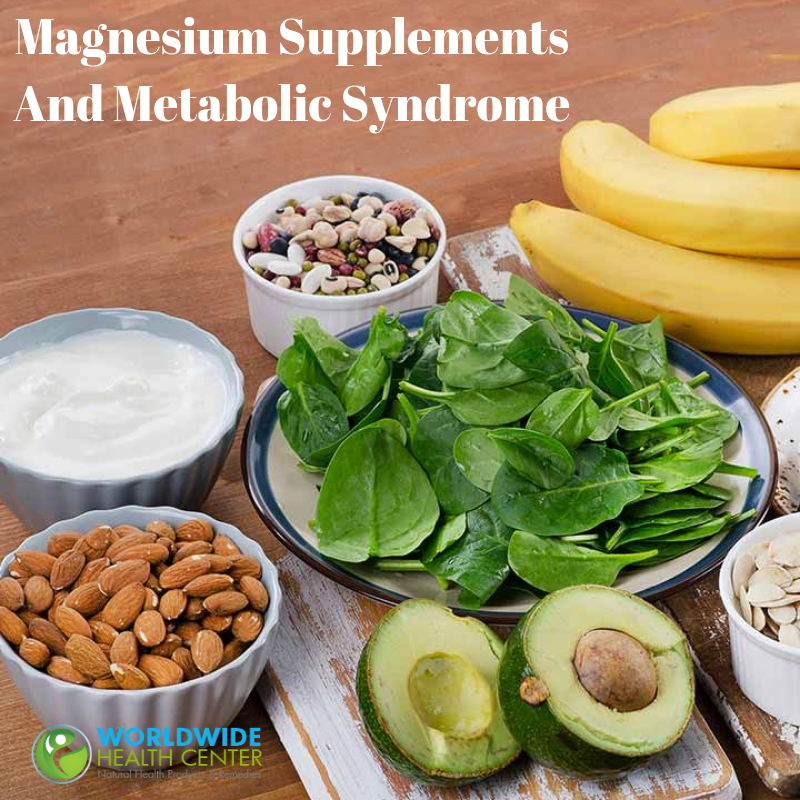
It’s easy to boost magnesium levels with whole foods. Dark chocolate provides 176 mg of magnesium in a 3.5 ounce bar. Other high magnesium foods include seaweeds, dark leafy greens (especially spinach and Swiss chard), broccoli, beans, whole grains (especially brown rice and quinoa), almonds, cashews, filberts, sesame seeds, lentils, avocados, spirulina and chlorella.
Magnesium supplements come in many forms including oxide, citrate, carbonate, aspartate, nano and lactate. Magnesium oxide is the least expensive but also the most difficult for the body to absorb.
In the Mexican study, participants were given magnesium chloride. The chloride form has special benefits. It has been called the most effective form of magnesium for cellular detoxification and tissue purification.
According to Dr. Mark Sircus, the other forms of magnesium have to be converted into chlorides before the body can use them. In order to absorb other forms of magnesium, the body needs to produce additional hydrochloric acid. But many older people already have difficulty producing hydrochloric acid. They may not produce enough to absorb their magnesium supplement.
Magnesium chloride will typically be found in liquid form to be taken orally or applied to the skin.
NANO MAGNESIUM contains nano magnesium chloride particles which is the best form of absorption through our selectively permeable intestinal membranes.The membranes lining our intestinal tract maintain their own specific electrical charge in the form of ionic receptors. The body maintains this charge on the lining of membranes in order to facilitate the absorption of food nutrients.

Different receptors areas maintain different charge qualities, allowing for the attraction of the multitudes of diverse nutrients that pass through the intestinal tract.

Because of this charge, NANO MAGNESIUM are easily taken to the cells lining the intestinal tract, whereby they may be employed in the many physiological activities of the body.

Posted on

STEVIA – THE SWEETEST SWEETENER!

STEVIA – THE SWEETEST SWEETENER!

What is Stevia?

The stevia plant (Stevia Rebaudiana) is a leafy, green plant, indigenous to South America and originates from the sunflower family (Asteraceae). It was originally used as a natural sweetener by indigenous populations in Paraguay and Brazil. Stevia is a no -calorie sweetener which is associated with several health benefits.

Where does Stevia’s sweet taste come from?

The sweet component within stevia leaves comes from a group of compounds called steviol glycosides, which are naturally found in the stevia plant. Some commonly used steviol glycosides are rebaudioside A (also known as Red A or Rebiana), rebaudioside D (also known as Red D) and stevioside.

To date, more than 40 different steviol glycosides have been identified in the stevia plant. Each of these steviol glycosides has its own unique taste profile and sweetness intensity, which can be up to 350 times sweeter than sugar, but all share a similar molecular structure where different sugar moieties are attached to aglycone steviol (an ent-kaurene-type diterpene).

Purified stevia leaf extracts can taste different depending on which steviol glycoside is present and manufactures are actively researching the best tasting varieties.

Health Benefits of Stevia

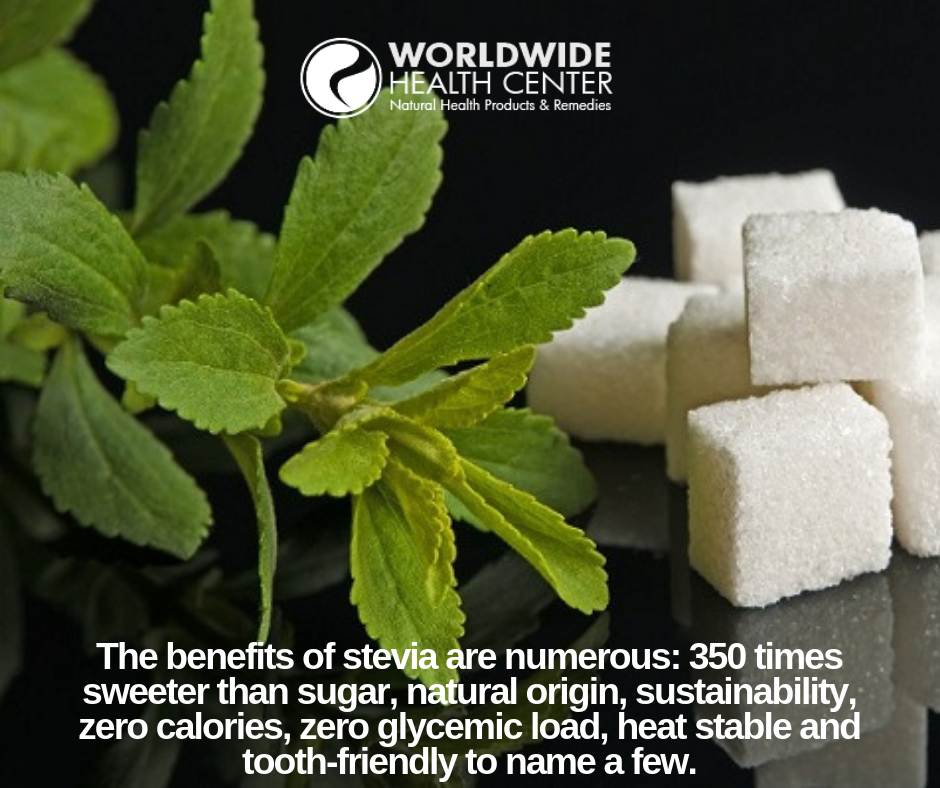
The benefits of stevia are numerous: 350 times sweeter than sugar, natural origin, sustainability, zero calories, zero glycemic load, heat stable and tooth-friendly to name a few.

Is there evidence to support the use of Stevia?

In 2012, Nutrition and Cancer highlighted a ground breaking laboratory study that, for the first time ever, connected stevia consumption to breast cancer reduction. It was observed that stevioside enhances cancer apoptosis (cell death) and decreases certain stress pathways in the body that contribute to cancer growth.

An article published in Journal of Dietary Supplements evaluated how it affects diabetic rats. It was discovered that rats treated with 250 and 500 milligrams every day “significantly” reduced fasting blood sugar levels and balanced insulin resistance, triglycerides and alkaline phosphatase (which can be raised in cancer patients).

Another study (2009) showed that stevia extract had positive and encouraging effects on overall cholesterol profiles. Researchers found that there were no adverse stevia side effects on the health status of the subjects involved in the study. Researchers concluded that the extract effectively decreased elevated serum cholesterol levels, including triglycerides and LDL (“bad cholesterol”), while increasing good HDL cholesterol.

How it is absorbed through the body

Steviol glycosides are not absorbed intact. Once consumed, they pass through the upper gastrointestinal tract, including the stomach and small intestines, fully intact. Once steviol glycosides reach the large intestine, colonic bacteria remove all of the glucose units, leaving only the backbone, steviol. In humans, steviol is absorbed into the body, quickly modified in the liver, and excreted in the urine as steviol glucuronide.

Research has shown that there is no accumulation of stevia (or any by-product of stevia) in the body during metabolism.

How to use Stevia?

The best quality stevia will have no additives, including other sweeteners and does not contain any colourings and is a non- GMO certified.

Stevia it is available in both powders and liquid forms, but we have found that the liquid form is much cleaner, without additional additives and excipients. It is also easy to add to beverages and smoothies, as well as using it in cooking.

So, what is the analogy in terms of the dosage:

  • 1 teaspoon sugar = 5 drops of stevia liquid
  • 1 tablespoon sugar = 15 drops liquid stevia
  • 1 cup of sugar = 2 teaspoons liquid stevia

We like the NKD Pure Stevia Liquid that comes in a 50ml glass bottle (no plastic) and contains the following ingredients:

Stevia, purified water, Vitamin C

  • Each bottle contains zero calories and has a GI of 0.
  • It’s great for diabetics, if you’re on a diet or just anyone with a sweet tooth!
  • Natural liquid sweetener from the Stevia Plant.
  • 0 calories, 0 glycaemic index, no carbohydrates
  • 100% natural alternative to sugar and GMO-free

Dosage: Add 3-6 drops of Stevia to tea, coffee, protein shakes, porridge and anything else you like!

STEVIA LIQUID
                     STEVIA LIQUID
Posted on

HEALTH BENEFITS OF HEPATO PLUS

Health Benefits of Hepato Plus

Every person’s health and well-being depend on how well their body removes and purges toxins.

Environmental toxins occur in our homes, working places, cosmetic products and processed food – they are everywhere so most people are in desperate need of a serious detoxification.

The job of the liver is to help break down the nutrients available in foods once they reach the digestive system, distribute them throughout the body, and eliminate toxic waste. The liver is a major detoxification centre of the body, it filters the blood of bacteria, secretes bile, metabolizes haemoglobin breakdown products, as well as excess calcium. It also gets rid of medications and drugs such amphetamines, digitalis, nicotine, sulphonamides, acetaminophens, morphine and diazepam.

So how can we help our liver to metabolize all these toxic by-products and optimise its efficiency?

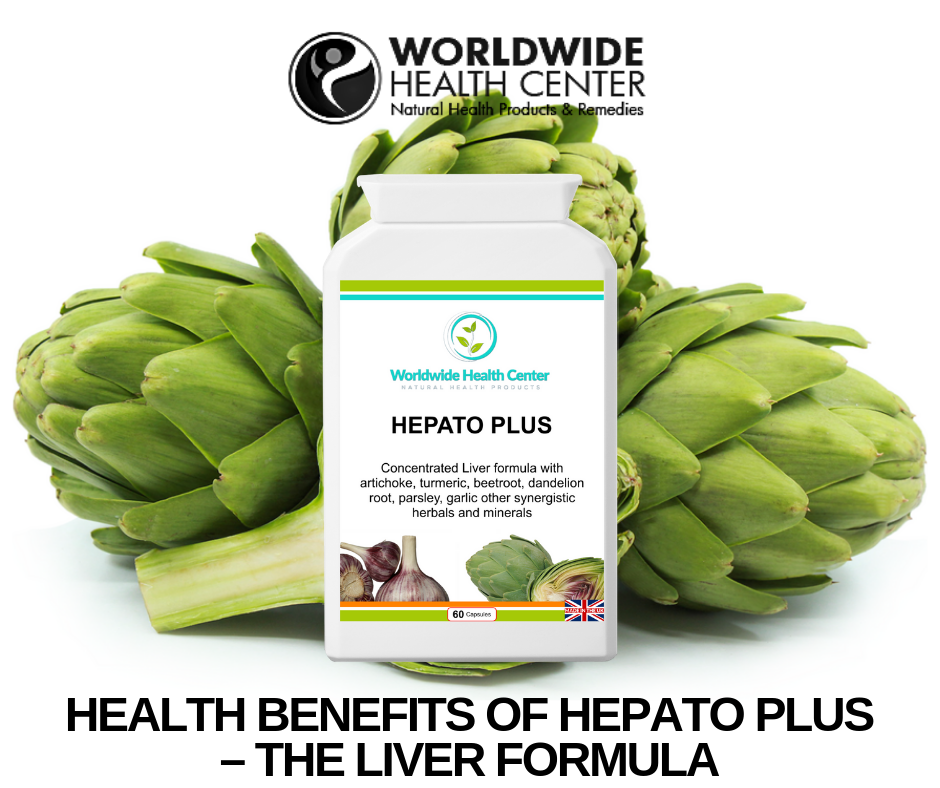
HEPATO PLUS is a herbal combination, specifically designed to provide extra support to the detoxification organs and systems of the body.

The concentrated active herbal ingredients in this comprehensive food-based formula help to cleanse a congested liver and gallbladder and support cell repair and protection. Formulated to stimulate, flush, cleanse and protect these two important organs. If you thought milk thistle worked well, this formula will “blitz” internal congestion and toxins. It is ideal as part of a detoxification program.

HEPATO PLUS contains the following herbs and nutrients:

  • Milk thistle herb is considered the king of the detoxifying herbs, helping to eliminate the build-up of heavy metals and alcohol in the liver. The active ingredient in milk thistle – silymarin – helps strengthen the cell walls in the liver while supporting healthy regeneration. Milk thistle is also an excellent remedy for hepatitis and liver failure.
  • Artichoke contains the active ingredients luteolin, cynarin and cholorgenic acid. These active ingredients protect liver cells from damage and stimulate the production of bile acids into the digestive tract. This breaks down fats and influences lowering high cholesterol levels and triglycerides.
  • Burdock root is a well- known blood purifier and potent detoxification herb. As a potent lymph and skin cleanser, burdock forces the body to eliminate waste products, thereby clearing the skin, bloodstream and other organs and tissues of toxins. Its antibiotic-like actions will also assist in dealing with toxins circulating in the system.
  • Cayenne is regarded by herbalists as the purest and safest stimulant, as it facilitates increased blood flow and stimulates the oxygenation of cells and organs. It invigorates the circulatory system and the heart to work more efficiently and thereby assists in the efficient movement of toxins out of the body. It also serves as a carrier for the other herbs in this formula – so that they arrive quickly and effectively to their destinations.
  • Dandelion – the leaves and roots of the dandelion have been used for centuries to treat liver, gallbladder, kidney and joint problems. It is a blood purifier and is widely used to treat poor digestion, water retention and diseases of the liver, such as hepatitis. The root contains bitter glycosides, tannins, triterpenes, sterols, volatile oil, choline, asparagine and inulin. Dandelion is also rich in lecithin, believed to protect the liver against cirrhosis.
  • Licorice root contains the active ingredient glycyrrhizin which gives it its distinctive sweet taste. Glycyrrhizin inhibits liver cell injury caused by many chemicals and is used in the treatment of chronic hepatitis, hepatitis B and cirrhosis in Japan.
  • Parsley is a natural anti-spasmodic, natural diuretic and helps to cleanse the liver, kidneys (breaks down gallstones and kidney stones) and bloodstream.
  • Alpha lipoic acid plays a unique role in defending the body against free radical damage – it is considered both a water and fat soluble antioxidant.
  • Turmeric is a powerful antioxidant shown to reduce free radical damage in the body. Turmeric has been recently found to be effective in preventing alcohol related liver diseases such as fatty liver in which fat builds up on the hepatocytes (liver cells), hepatitis which is characterized by liver dysfunction and complicated by jaundice and other conditions and cirrhosis in which nodules developing on the liver can lead to end-stage liver disease and death.

So HEPATO PLUS is a powerhouse of healing herbs and nutrients that will keep your liver optimised in the toxic world that we live in.

Posted on

KRILL OIL

KRILL OIL

Krill Oil as an excellence source of healthy fats and a variety of healthy benefits

Krill oil is extracted from a tiny shrimp (crustacean) that belongs to the species of Euphausia Superba.

According to research findings, Krill oil is reported to ease inflammation in patients with cardiac disease, rheumatoid arthritis, and osteoarthritis.

It is a rich source of the long-chain n-3 polyunsaturated fatty acids (PUFAs), eicosapentaenoic acid (EPA) and docosahexaenoic acid (DHA).

Marine-based animals such as shrimps and Krill oil are rich in Astaxanthins, an antioxidant carotenoid, which is a potent anti-inflammatory and pain reliever. More than that, Astaxanthin reduces the inflammatory compounds that drive many chronic diseases. Astaxanthin supports the body’s natural ability to fight diabetes, cancer, neurodegenerative disorders, immune disorders and heart disease.

A randomized, double-blind, parallel-group, placebo-controlled study (Suzuki et al, 2016) investigated the effect of Krill oil on mild knee pain. The sample included 50 adults, aged 38–85 years old who were observed for a period of 7 months. The sample was split into two groups. Participants were randomized to receive 2 g per day of either the oil or an identical placebo for 30 days. There was an improvement in the participants that took the Krill oil in terms of pain while they were sleeping and standing. Therefore it seems that the use of Krill oil has an impact as a supplemental treatment for arthritis and joint pain.

Another randomized, double blind, placebo controlled study (Deutsch, L. 2007) investigated the effect of Krill oil on patients with chronic inflammation and pain in patients with osteoarthritis. The sample included 90 patients. The sample was split into two groups. Participants were randomized to receive 300 mg Krill oil daily and the other group receive a placebo.  The results of the study clearly indicate that taking Krill oil at a daily dose of 300 mg significantly inhibits inflammation and reduces arthritic symptoms within a short treatment period of 7 and 14 days.

A recent review of seven studies (Ursoniu et al, 2017) concluded that Krill oil is effective at lowering the LDL cholesterol and triglycerides, and may increase HDL cholesterol.

Another double-blind, randomized clinical study (Cicero et al, 2016) compared the effect of Krill and purified omega 3 (PUFA) in 25 mildly overweight people. Participants were randomized and half received 500 mg Krill oil twice daily, while the other half received 1,000 mg omega 3, twice daily. The results of the study showed that the intake of daily Krill oil improved inflammation more effectively, compared to the daily dosage of 2,000 mg  of purified omega-3s.

In one study out of South Korea (jung, JY, 2014), supplementation with omega-3 fatty acids was found to reduce inflammatory acne by an impressive 42 percent.

As if you needed another reason to get in your daily dose, some research shows that omega-3 fatty acids could be associated with a decreased risk of certain types of cancer.

In particular, studies have found that a higher intake of omega-3 fatty acids from supplementation or fish consumption may be associated with a reduced risk of prostate and breast cancer (Terry, PD, 2004). A study published in the European Journal of Cancer Prevention also found that higher consumption of omega-3 fatty acids was associated with a lower risk of colorectal cancer (Zhong, X, 2013).

Posted on

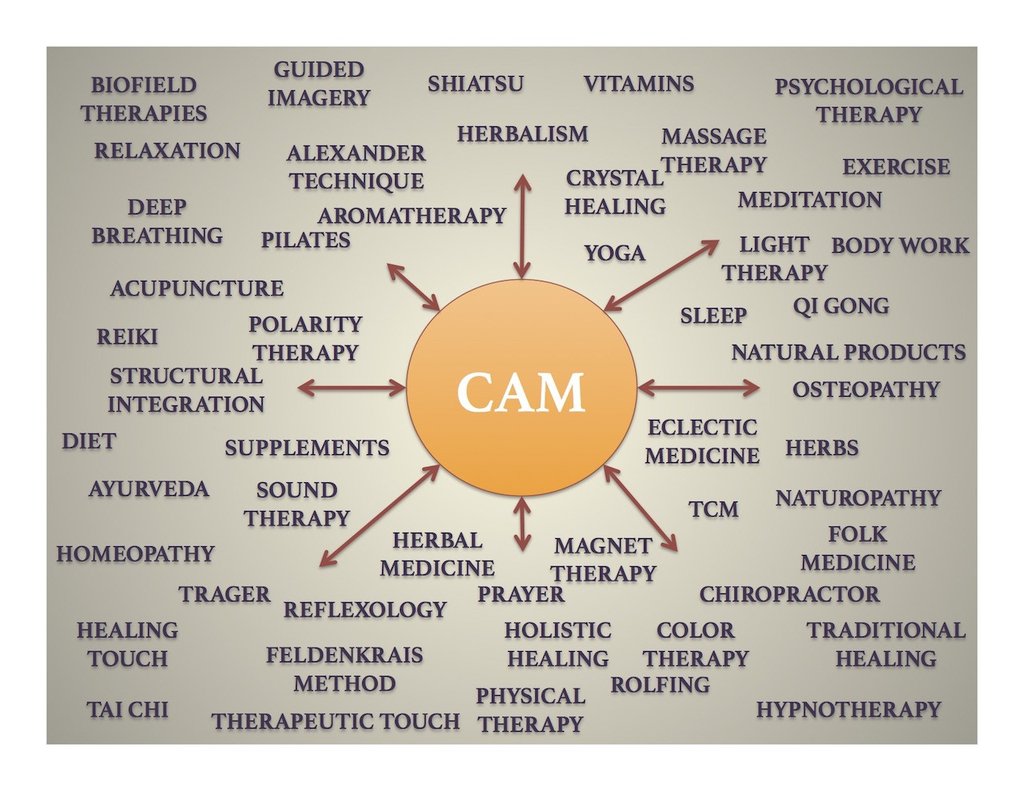
Complementary and Alternative Medicine Market to be Valued at $196 billion by 2025!

Complementary and Alternative Medicine Market to be Value at $196 billion by 2025!

According to complementary and alternative Medicine (CAM) Market analysis from Grand View Research, the global CAM market was valued at $40.32 billion in 2015. This phenomenon was caused by the increasing support of holistic medicine by the masses. In more depth, more than 60% of people across the globe used some form of traditional medicine by 2015. It is predicted that the Complementary and Alternative Medicine Market to be Valued at $196 billion by 2025!

The number of well-established firms and start-ups involved in the CAM sector shows growth. Such companies are using alternative medicine therapies as part of enriching medical tourism for complementary treatments.

The complementary and alternative medicine sector is characterised of sustainable growth in regions worldwide. Asia Pacific includes some key economies that are encouraging the increased usage of such therapies. However this growth can be affected in developed regions because of regulatory bodies as they suggest that there is lack of approved clinical support.

Despite the fact that developed countries have concerns about holistic medicine, their residents are consuming at large vitamins, minerals and other digestive supplements as they are attracted by herbal/non-herbal dietary.

The demand that people show on alternative medicine led government initiatives of countries like India and Canada to proceed on legalising such medicinal methods because they are expected to boost the market.

Demand is not the only reason CAM market is facing increase. The most essential element of alternative medicine is the delivery of therapy to a person. Direct contact is the main method that is used for the delivery of therapies like energy healing, acupuncture and naturopathy. This form of delivery accounts for most of the sector’s share as it is valued at 70%. The therapies can delivered through various other mediums like video therapy, telephonic meditation and instructional documentation.

As of 2015 Europe held the biggest market share followed by Asia Pacific and North America. However, the area of Asia is showing a sustainable growth due to the fact that it is the place where many key alternative medical therapies originated and the medical tourism is booming. Middle East is also a market showing increase as wellness medical infrastructure receives heavy investments, transforming the area to a global complementary and alternative medicine hub.

It is predicted that the Complementary and Alternative Medicine Market to be Value at $196 billion by 2025!

See our product range HERE!