Posted on

THE SWEET SUGAR POISON!

SUGAR BLUES – THE SWEET SUGAR POISON!

WHY SUGAR IS TOXIC TO THE BODY
In 1957, Dr William Coda Martin tried to answer the question: When is a food a food and when is it a poison? His working definition of “poison” was: “Medically: Any substance applied to the body, ingested or developed within the body, which causes or may cause disease. Physically: Any substance which inhibits the activity of a catalyst which is a minor substance, chemical or enzyme that activates a reaction.” The dictionary gives an even broader definition for “poison”: “to exert a harmful influence on, or to pervert”.

Dr Martin classified refined sugar as a poison because it has been depleted of its life forces, vitamins and minerals. “What is left consists of pure, refined carbohydrates.”

The body cannot utilize this refined starch and carbohydrate unless the depleted proteins, vitamins and minerals are present. Nature supplies these elements in each plant in quantities sufficient to metabolize the carbohydrate in that particular plant. There is no excess for other added carbohydrates. Incomplete carbohydrate metabolism results in the formation of ‘toxic metabolite’ such as pyruvic acid and abnormal sugars containing five carbon atoms. Pyruvic acid accumulates in the brain and nervous system and the abnormal sugars in the red blood cells. These toxic metabolites interfere with the respiration of the cells. They cannot get sufficient oxygen to survive and function normally. In time, some of the cells die. This interferes with the function of a part of the body and is the beginning of degenerative disease.”

REFINED SUGAR IS LETHAL!

Refined sugar is lethal when ingested by humans because:
* it provides only that which nutritionists describe as “empty” or “naked” calories.
* It lacks the natural minerals which are present in the sugar beet or cane.
* It drains and leaches the body of precious vitamins and minerals through the demand its digestion, detoxification and elimination make upon one’s entire system.
* Sugar taken every day produces a continuously over-acid condition, and more and more minerals are required from deep in the body in the attempt to rectify the imbalance.
* Finally, in order to protect the blood, so much calcium is taken from the bones and teeth that decay and general weakening begin.

AFFECTING THE WHOLE BODY!

Excess sugar eventually affects every organ in the body. Initially, it is stored in the liver in the form of glucose (glycogen). Since the liver’s capacity is limited, a daily intake of refined sugar (above the required amount of natural sugar) soon makes the liver expand like a balloon. When the liver is filled to its maximum capacity, the excess glycogen is returned to the blood in the form of fatty acids. These are taken to every part of the body and stored in the most inactive areas: the belly, the buttocks, the breasts and the thighs.

When these comparatively harmless places are completely filled, fatty acids are then distributed among active organs, such as the heart and kidneys. These begin to slow down; finally their tissues degenerate and turn to fat. The whole body is affected by their reduced ability, and abnormal blood pressure is created.

The parasympathetic nervous system is affected; and organs governed by it, such as the small brain, become inactive or paralysed. (Normal brain function is rarely thought of as being as biologic as digestion.) The circulatory and lymphatic systems are invaded, and the quality of the red corpuscles starts to change. An overabundance of white cells occurs, and the creation of tissue becomes slower. Our body’s tolerance and immunising power becomes more limited, so we cannot respond properly to extreme attacks, whether they be cold, heat, mosquitoes or microbes.

SUGAR AND BRAIN FUNCTIONING!
Excessive sugar has a strong mal-effect on the functioning of the brain. The key to orderly brain function is glutamic acid, a vital compound found in many vegetables. The B vitamins play a major role in dividing glutamic acid into antagonistic-complementary compounds which produce a “proceed” or “control” response in the brain. B vitamins are also manufactured by symbiotic bacteria which live in our intestines. When refined sugar is taken daily, these bacteria wither and die, and our stock of B vitamins gets very low. Too much sugar makes one sleepy; our ability to calculate and remember is lost.

SUGAR: HARMFUL TO HUMANS AND ANIMALS
Shipwrecked sailors who ate and drank nothing but sugar and rum for nine days surely went through some of this trauma; the tales they had to tell created a big public relations problem for the sugar pushers.

This incident occurred when a vessel carrying a cargo of sugar was shipwrecked in 1793. The five surviving sailors were finally rescued after being marooned for nine days. They were in a wasted condition due to starvation, having consumed nothing but sugar and rum.

The eminent French physiologist F. Magendie was inspired by that incident to conduct a series of experiments with animals, the results of which he published in 1816. In the experiments, he fed dogs a diet of sugar or olive oil and water. All the dogs wasted and died.

The shipwrecked sailors and the French physiologist’s experimental dogs proved the same point. As a steady diet, sugar is worse than nothing. Plain water can keep you alive for quite some time. Sugar and water can kill you. Humans [and animals] are “unable to subsist on a diet of sugar”.

The dead dogs in Professor Magendie’s laboratory alerted the sugar industry to the hazards of free scientific inquiry. From that day to this, the sugar industry has invested millions of dollars in behind-the-scenes, subsidised science. The best scientific names that money could buy have been hired, in the hope that they could one day come up with something at least pseudoscientific in the way of glad tidings about sugar.

It has been proved, however, that (1) sugar is a major factor in dental decay; (2) sugar in a person’s diet does cause overweight; (3) removal of sugar from diets has cured symptoms of crippling, worldwide diseases such as diabetes, cancer and heart illnesses.

Sir Frederick Banting, the co-discoverer of insulin, noticed in 1929 in Panama that, among sugar plantation owners who ate large amounts of their refined stuff, diabetes was common. Among native cane-cutters, who only got to chew the raw cane, he saw no diabetes.

“HIRED CONSCIENCES” – THE WAY TO SELL!
With undaunted zeal for increasing the market demand for the most important agricultural product of the West Indies, the Committee of West India was reduced to a tactic that has served the sugar pushers for almost 200 years: irrelevant and transparently silly testimonials from faraway, inaccessible people with some kind of “scientific” credentials. One early commentator called them “hired consciences”.

The House of Commons committee was so hard-up for local cheerleaders on the sugar question, it was reduced to quoting a doctor from faraway Philadelphia, a leader of the recent American colonial rebellion: “The great Dr Rush of Philadelphia is reported to have said that ‘sugar contains more nutrients in the same bulk than any other known substance’.” (Emphasis added.) At the same time, the same Dr Rush was preaching that masturbation was the cause of insanity! If a weasel-worded statement like that was quoted, one can be sure no animal doctor could be found in Britain who would recommend sugar for the care and feeding of cows, pigs or sheep.

We have no right to be surprised when we read the introduction to McCollum’s “A History of Nutrition” and find that “The author and publishers are indebted to The Nutrition Foundation, Inc., for a grant provided to meet a portion of the cost of publication of this book”. What, you might ask, is The Nutrition Foundation, Inc.? The author and the publishers don’t tell you. It happens to be a front organisation for the leading sugar-pushing conglomerates in the food business, including the American Sugar Refining Company, Coca-Cola, Pepsi-Cola, Curtis Candy Co., General Foods, General Mills, Milk Co. and Sunshine Biscuits-about 45 such companies in all.

When the researchers bite the hands that feed them, and the news gets out, it’s embarrassing all around. In 1958, Time magazine reported that a Harvard biochemist and his assistants had worked with myriads of mice for more than ten years, bankrolled by the Sugar Research Foundation, Inc. to the tune of $57,000, to find out how sugar causes dental cavities and how to prevent this. It took them ten years to discover that there was no way to prevent sugar causing dental decay. When the researchers reported their findings in the Dental Association Journal, their source of money dried up. The Sugar Research Foundation withdrew its support.

The more that the scientists disappointed them, the more the sugar pushers had to rely on the ad men.

SUCROSE: “PURE” ENERGY AT A PRICE
When calories became the big thing in the 1920s, and everybody was learning to count them, the sugar pushers turned up with a new pitch. They boasted there were 2,500 calories in a pound of sugar. A little over a quarter-pound of sugar would produce 20 per cent of the total daily quota. “If you could buy all your food energy as cheaply as you buy calories in sugar,” they told us, “your board bill for the year would be very low. If sugar were seven cents a pound, it would cost less than $35 for a whole year.” A very inexpensive way to kill yourself.

“Of course, we don’t live on any such unbalanced diet,” they admitted later. “But that figure serves to point out how inexpensive sugar is as an energy-building food. What was once a luxury only a privileged few could enjoy is now a food for the poorest of people.”

THE PURITY OF SUGAR!
Later, the sugar pushers advertised that sugar was chemically pure, topping Ivory soap in that department, being 99.9 per cent pure against Ivory’s vaunted 99.44 per cent. “No food of our everyday diet is purer,” we were assured. What was meant by purity, besides the unarguable fact that all vitamins, minerals, salts, fibres and proteins had been removed in the refining process? Well, the sugar pushers came up with a new slant on purity.

“You don’t have to sort it like beans, wash it like rice. Every grain is like every other. No waste attends its use. No useless bones like in meat, no grounds like coffee.”

“Pure” is a favourite adjective of the sugar pushers because it means one thing to the chemists and another thing to the ordinary mortals. When honey is labelled pure, this means that it is in its natural state (stolen directly from the bees who made it), with no adulteration with sucrose to stretch it and no harmful chemical residues which may have been sprayed on the flowers. It does not mean that the honey is free from minerals like iodine, iron, calcium, phosphorus or multiple vitamins. So effective is the purification process which sugar cane and beets undergo in the refineries that sugar ends up as chemically pure as the morphine or the heroin a chemist has on the laboratory shelves. What nutritional virtue this abstract chemical purity represents, the sugar pushers never tell us.

QUICK ENERGY – AT A PRICE!
Beginning with World War I, the sugar pushers coated their propaganda with a preparedness pitch. “Dieticians have known the high food value of sugar for a long time,” said an industry tract of the 1920s. “But it took World War I to bring this home. The energy-building power of sugar reaches the muscles in minutes and it was of value to soldiers as a ration given them just before an attack was launched.” The sugar pushers have been harping on the energy-building power of sucrose for years because it contains nothing else. Caloric energy and habit-forming taste: that’s what sucrose has, and nothing else.

All other foods contain energy plus. All foods contain some nutrients in the way of proteins, carbohydrates, vitamins or minerals, or all of these. Sucrose contains caloric energy, period. The “quick” energy claim the sugar pushers talk about, which drives reluctant doughboys over the top and drives children up the wall, is based on the fact that refined sucrose is not digested in the mouth or the stomach but passes directly to the lower intestines and thence to the bloodstream. The extra speed with which sucrose enters the bloodstream does more harm than good.

NOT ALL SUGARS ARE GOOD!
There are many different types of sugars which the sugar pushers make good use of based on public ignorance. Glucose is a sugar found usually with other sugars, in fruits and vegetables. It is a key material in the metabolism of all plants and animals. Many of our principal foods are converted into glucose in our bodies. Glucose is always present in our bloodstream, and it is often called “blood sugar”. Dextrose, also called “corn sugar”, is derived synthetically from starch. Fructose is fruit sugar. Maltose is malt sugar. Lactose is milk sugar. Sucrose is refined sugar made from sugar cane and sugar beet.

Glucose has always been an essential element in the human bloodstream. Sucrose addiction is something new in the history of the human animal. To use the word “sugar” to describe two substances which are far from being identical, which have different chemical structures and which affect the body in profoundly different ways compounds confusion.

It makes possible more flimflam from the sugar pushers who tell us how important sugar is as an essential component of the human body, how it is oxidised to produce energy, how it is metabolised to produce warmth, and so on. They’re talking about glucose, of course, which is manufactured in our bodies. However, one is led to believe that the manufacturers are talking about the sucrose which is made in their refineries. When the word “sugar” can mean the glucose in your blood as well as the sucrose in your Coca-Cola, it’s great for the sugar pushers but it’s rough on everybody else.

People have been bamboozled into thinking of their bodies the way they think of their cheque accounts. If they suspect they have low blood sugar, they are programmed to snack on vending machine candies and sodas in order to raise their blood sugar level. Actually, this is the worst thing to do. The level of glucose in their blood is apt to be low because they are addicted to sucrose. People who kick sucrose addiction and stay off sucrose find that the glucose level of their blood returns to normal and stays there.

“Made from natural ingredients”, the television sugar-pushers tell us about product after product. The word “from” is not accented on television. It should be. Even refined sugar is made from natural ingredients. There is nothing new about that. The natural ingredients are cane and beets. But that four-letter word “from” hardly suggests that 90 per cent of the cane and beet have been removed. Heroin, too, could be advertised as being made from natural ingredients. The opium poppy is as natural as the sugar beet. It’s what man does with it that tells the story.

If you want to avoid sugar in the supermarket, there is only one sure way. Don’t buy anything unless it says on the label prominently, in plain English: “No sugar added”. Use of the word “carbohydrate” as a “scientific” word for sugar has become a standard defence strategy with sugar pushers and many of their medical apologists. It’s their security blanket.

CORRECT FOOD COMBINING
Kicking sugar and white flour and substituting whole grains, vegetables and natural fruits in season, is the core of any sensible natural regimen. Changing the quality of your carbohydrates can change the quality of your health and life. If you eat natural food of good quality, quantity tends to take care of itself. Nobody is going to eat a half-dozen sugar beets or a whole case of sugar cane. Even if they do, it will be less dangerous than a few ounces of sugar.

Sugar of all kinds-natural sugars, such as those in honey and fruit (fructose), as well as the refined white stuff (sucrose)-tends to arrest the secretion of gastric juices and have an inhibiting effect on the stomach’s natural ability to move. Sugars are not digested in the mouth, like cereals, or in the stomach, like animal flesh. When taken alone, they pass quickly through the stomach into the small intestine. When sugars are eaten with other foods-perhaps meat and bread in a sandwich-they are held up in the stomach for a while. The sugar in the bread and the Coke sit there with the hamburger and the bun waiting for them to be digested. While the stomach is working on the animal protein and the refined starch in the bread, the addition of the sugar practically guarantees rapid acid fermentation under the conditions of warmth and moisture existing in the stomach.

One lump of sugar in your coffee after a sandwich is enough to turn your stomach into a fermenter. One soda with a hamburger is enough to turn your stomach into a still. Sugar on cereal-whether you buy it already sugared in a box or add it yourself-almost guarantees acid fermentation.

SUGAR AND MENTAL HEALTH
In the Dark Ages, troubled souls were rarely locked up for going off their rocker. Such confinement began in the Age of Enlightenment, after sugar made the transition from apothecary’s prescription to candymaker’s confection. “The great confinement of the insane”, as one historian calls it, began in the late 17th century, after sugar consumption in Britain had zoomed in 200 years from a pinch or two in a barrel of beer, here and there, to more than two million pounds per year. By that time, physicians in London had begun to observe and record terminal physical signs and symptoms of the “sugar blues”.

Meanwhile, when sugar eaters did not manifest obvious terminal physical symptoms and the physicians were professionally bewildered, patients were no longer pronounced bewitched, but mad, insane, emotionally disturbed. Laziness, fatigue, debauchery, parental displeasure-any one problem was sufficient cause for people under twenty-five to be locked up in the first Parisian mental hospitals. All it took to be incarcerated was a complaint from parents, relatives or the omnipotent parish priest. Wet nurses with their babies, pregnant youngsters, retarded or defective children, senior citizens, paralytics, epileptics, prostitutes or raving lunatics-anyone wanted off the streets and out of sight was put away. The mental hospital succeeded witch-hunting and heresy-hounding as a more enlightened and humane method of social control. The physician and priest handled the dirty work of street sweeping in return for royal favours.

Initially, when the General Hospital was established in Paris by royal decree, one per cent of the city’s population was locked up. From that time until the 20 century, as the consumption of sugar went up and up-especially in the cities-so did the number of people who were put away in the General Hospital. Three hundred years later, the “emotionally disturbed” can be turned into walking automatons, their brains controlled with psychoactive drugs.

Today, pioneers of orthomolecular psychiatry, such as Dr Abram Hoffer, Dr Allan Cott, Dr A. Cherkin as well as Dr Linus Pauling, have confirmed that mental illness is a myth and that emotional disturbance can be merely the first symptom of the obvious inability of the human system to handle the stress of sugar dependency.

In Orthomolecular Psychiatry, Dr Pauling writes: “The functioning of the brain and nervous tissue is more sensitively dependent on the rate of chemical reactions than the functioning of other organs and tissues. I believe that mental disease is for the most part caused by abnormal reaction rates, as determined by genetic constitution and diet, and by abnormal molecular concentrations of essential substances… Selection of food (and drugs) in a world that is undergoing rapid scientific and technological change may often be far from the best.”

In Megavitamin B3 Therapy for Schizophrenia, Dr Abram Hoffer notes: “Patients are also advised to follow a good nutritional program with restriction of sucrose and sucrose-rich foods.”

Clinical research with hyperactive and psychotic children, as well as those with brain injuries and learning disabilities, has shown: “An abnormally high family history of diabetes-that is, parents and grandparents who cannot handle sugar; an abnormally high incidence of low blood glucose, or functional hypoglycemia in the children themselves, which indicates that their systems cannot handle sugar; dependence on a high level of sugar in the diets of the very children who cannot handle it.

“Inquiry into the dietary history of patients diagnosed as schizophrenic reveals the diet of their choice is rich in sweets, candy, cakes, coffee, caffeinated beverages, and foods prepared with sugar. These foods, which stimulate the adrenals, should be eliminated or severely restricted.”

SUGAR AND THE ADRENALS!
In the 1940s, Dr John Tintera rediscovered the vital importance of the endocrine system, especially the adrenal glands, in “pathological mentation” – or “brain boggling”. In 200 cases under treatment for hypoadrenocorticism (the lack of adequate adrenal cortical hormone production or imbalance among these hormones), he discovered that the chief complaints of his patients were often similar to those found in persons whose systems were unable to handle sugar: fatigue, nervousness, depression, apprehension, craving for sweets, inability to handle alcohol, inability to concentrate, allergies, low blood pressure. Sugar blues!

Dr Tintera finally insisted that all his patients submit to a four-hour glucose tolerance test (GTT) to find out whether or not they could handle sugar. The results were so startling that the laboratories double-checked their techniques, then apologised for what they believed to be incorrect readings. What mystified them was the low, flat curves derived from disturbed, early adolescents. This laboratory procedure had been previously carried out only for patients with physical findings presumptive of diabetes.

A glucose tolerance test at any of these periods could alert parents and physicians and could save innumerable hours and small fortunes spent in looking into the child’s psyche and home environment for maladjustments of questionable significance in the emotional development of the average child.

The negativism, hyperactivity and obstinate resentment of discipline are absolute indications for at least the minimum laboratory tests: urinalysis, complete blood count, PBI determination, and the five-hour glucose tolerance test. A GTT can be performed on a young child by the micro-method without undue trauma to the patient. As a matter of fact, I have been urging that these four tests be routine for all patients, even before a history or physical examination is undertaken.

In almost all discussions on drug addiction, alcoholism and schizophrenia, it is claimed that there is no definite constitutional type that falls prey to these afflictions. Almost universally, the statement is made that all of these individuals are emotionally immature. It has long been our goal to persuade every physician, whether oriented toward psychiatry, genetics or physiology, to recognise that one type of endocrine individual is involved in the majority of these cases: the hypoadrenocortic.

Tintera published several epochal medical papers. Over and over, he emphasised that improvement, alleviation, palliation or cure was “dependent upon the restoration of the normal function of the total organism”. His first prescribed item of treatment was diet. Over and over again, he said that “the importance of diet cannot be overemphasised”. He laid out a sweeping permanent injunction against sugar in all forms and guises.

While Egas Moniz of Portugal was receiving a Nobel Prize for devising the lobotomy operation for the treatment of schizophrenia, Tintera’s reward was to be harassment and hounding by the pundits of organised medicine. While Tintera’s sweeping implication of sugar as a cause of what was called “schizophrenia” could be confined to medical journals, he was let alone, ignored. He could be tolerated-if he stayed in his assigned territory, endocrinology. Even when he suggested that alcoholism was related to adrenals that had been whipped by sugar abuse, they let him alone; because the medicos had decided there was nothing in alcoholism for them except aggravation, they were satisfied to abandon it to Alcoholics Anonymous. However, when Tintera dared to suggest in a magazine of general circulation that “it is ridiculous to talk of kinds of allergies when there is only one kind, which is adrenal glands impaired…by sugar”, he could no longer be ignored.

The allergists had a great racket going for themselves. Allergic souls had been entertaining each other for years with tall tales of exotic allergies-everything from horse feathers to lobster tails. Along comes someone who says none of this matters: take them off sugar, and keep them off it.

Perhaps Tintera’s untimely death in 1969 at the age of fifty-seven made it easier for the medical profession to accept discoveries that had once seemed as far out as the simple oriental medical thesis of genetics and diet, yin and yang. Today, doctors all over the world are repeating what Tintera announced years ago: nobody, but nobody, should ever be allowed to begin what is called “psychiatric treatment”, anyplace, anywhere, unless and until they have had a glucose tolerance test to discover if they can handle sugar.

So-called preventive medicine goes further and suggests that since we only think we can handle sugar because we initially have strong adrenals, why wait until they give us signs and signals that they’re worn out? Take the load off now by eliminating sugar in all forms and guises, starting with that soda pop you have in your hand.

The mind truly boggles when one glances over what passes for medical history. Through the centuries, troubled souls have been barbecued for bewitchment, exorcised for possession, locked up for insanity, tortured for masturbatory madness, psychiatrised for psychosis, lobotomised for schizophrenia. How many patients would have listened if the local healer had told them that the only thing ailing them was sugar blues?

God bless!

Dr. George J. Georgiou, Ph.D.

Clinical Nutritionist – Master Herbalist – Naturopath – Homeopath – Acupuncturist – Iridologist – Clinical Sexologist – Clinical Psychologist
webmaster@worldwidehealthcenter.net

Natural Health Supplements Online | Doctor-Formulated Remedies

The Food and Drug Administration have not evaluated these statements. This information and products are not intended to diagnose, treat, cure or prevent any disease. For all serious health problems, consult a qualified health professional.

***********************************************************************
Editor’s Note:

This article is extracted and edited from the book, Sugar Blues, (c) 1975 by William Dufty; specifically, the chapters “In Sugar We Trust”, “Dead Dogs and Englishmen” and “What the Specialists Say”. The book was first published by the Chilton Book Company, Padnor, PA, USA. Warner Books, Inc., NY, published an edition in 1976 and reissued it in April 1993, but, as far as we understand, the book is currently out of print and the author, William Dufty, is deceased.

Extracted from Nexus Magazine, Volume 7, Number 1 (December 1999 – January 2000). PO Box 30, Mapleton Qld 4560 Australia. editor@nexusmagazine.com

Telephone: +61 (0)7 5442 9280; Fax: +61 (0)7 5442 9381

From web page at: www.nexusmagazine.com
Posted on

MOBILE PHONES – ARE THEY SAFE?

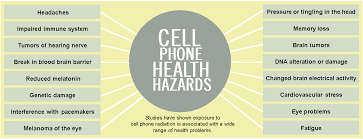
Besides the symptoms reported by users that range from heating sensation and skin irritation, headaches, eye and sleep problems, to short-term memory loss, disorientation and brain tumour, there is a growing body of research that mobile phones have adverse effects on health that cannot be dismissed. The industry, however, has continued to insist that there is insufficient evidence, that the phones are ‘safe’ and that the radiation they emit falls well within the guidance laid down by the NRPB, which currently refuses to acknowledge any such need and has stuck rigidly to its position of only taking account of heating effects in its guidance (the case with all international guidance), despite growing evidence and criticism.

THERMAL VERSUS NON-THERMAL EFFECTS
The whole of the debate over mobile phones – and indeed over other sources of non-ionizing radiation such as VDUs, power lines, etc – centres on the evidence for and against thermal versus non-thermal biological effects. A thermal or heating effect on tissue is the currently accepted way that most orthodox scientists in this area consider that electromagnetic fields (EMFs) can pose a significant hazard to the body and thus all guidance, both national and international, continues to be based on this assumption. Even the Stewart Report has not basically challenged this view.

However, a growing body of evidence and opinion over the last decade indicates that effects can occur at levels well below that at which tissue begins to heat up and that these non-thermal effects can pose significant risk. But to assess this research, it is important to understand basically how a mobile phone works.

HOW A MOBILE PHONE WORKS
Digital (as opposed to the older analogue) mobile phones use a frequency of approximately 900 MegaHertz (MHz) for the GSM (Global System Mobile) system used by Vodafone and Cellnet, and 1800 MHz for the PCN (Personal Communication Network) system used by Orange and One2One. Both fall in the microwave region of the electromagnetic spectrum, but phones for one system cannot be used with the other.

Besides the general evidence for the potential hazards of microwave radiation (which is used as a weapon system by both the Russians and the West), there is a further reason for concern: the mobile phone signal is ‘pulsed’. This means that the main frequency ‘carries’ another signal – in this case at 217 Hz -which generates a regular, low-frequency pulsing effect into the brain. In fact, there are further subtle, harmonic pulses and fields to which the user is exposed. It is these, as well as other parameters of the signal, that are causing concern and which are not properly taken into account in current guidance advice.

The proposed new TETRA system (Truncated Terrestrial Radio), to be used mainly for the emergency services, some corporate networks and the London Underground, is especially alarming in this respect since it uses not only a 420 MHz signal (producing a waveform that maximizes radiation absorption for 3-6 year-olds!) but also a pulse at 17 Hz, right in the brain’s beta rhythm!! This, despite a complete lack of research on possible health effects! BT has awarded a �2.5bn contract to Motorola to roll out the system across the UK, which will require in the order of 25,000 new masts. It is also promoted by Dolphin Telecom, which is owned by the Canada-based giant TIW, one of the winners of the licenses’ auction.

RECENT RESEARCH FINDINGS
In 1998 Dr Kjell-Hansson Mild at the National Institute of Working Life in Umea, Sweden, reported a study of 11,000 users in Norway and Sweden comparing symptoms according to duration of use of both analogue and GSM phones.3 Concentrating on the latter (since they represent 95% of phones sold in the UK), he found a significant dose-response relationship between reported symptoms (fatigue, headache, warmth behind or on ear, burning skin sensation) and duration of use, covering less than 2 minutes, 2-15 minutes, 15-60 minutes and over 1 hour. For example, those Swedes using a phone for more than an hour were 22 times more likely to report an increase in warmth behind the ear than those using them for less than 2 minutes; the equivalent figure for Norwegians was 16-fold (see Table 1). These results clearly show that a heating effect does occur, although how far it penetrates into the brain and whether this effect itself is responsible for all the reported symptoms, is still unclear.

Other research, also in Sweden by Professor Leif Salford at Lund University, has shown that radiation at mobile phone frequency can change the blood-brain barrier that normally allows certain chemicals to cross and keeps others out. He observed that after only 2 minutes’ exposure to mobile phone intensities, rats displayed changes in the permeability of the blood-brain barrier.4 This is clearly a worrying finding that suggests a non-thermal effect. Work by Prof. Ross Adey in the US, a world leader in research with over 35 years’ experience, has shown that calcium efflux in brain cells can occur when exposed to low-level microwave radiation near mobile phone frequencies.

Another American researcher, Professor Henry Lai, at the University of Washington in Seattle, has reported increased strand breaks in DNA in rats’ brains, although some are claiming not to be able to replicate the effect.

Back in the UK Dr Alan Preece at Bristol University reported in April 1999 that he had observed an effect of mobile phone radiation on human cognition – specifically the speeding up of a choice reaction test.b However, given that he used 15 different tests on only two groups of 18 subjects exposed for two sessions of 30 minutes, the finding may easily have been a chance result. Also the signal used did not exactly match that produced by a GSM phone, a deficit not helped by the derisory grant from the Department of Health of a mere �3,000!

By contrast, Dr John Tattersall, based at Porten Down Chemical and Biological Defence base in Wiltshire, funded to the tune of �113,000 by the DoH, recently reported effects of RF radiation of rats’ hippocampal brain sections at non-thermal levels well below current NRPB guidelines. He observed changes in the electrically evoked potentials and in long-term potentiation that were not due to heating.

Aside from his results one has to ask why the DoH choose to give such a sum to Porton Down rather than awarding it on the open university market place where one can be reasonably assured that all results will be fully published.

Meanwhile at Nottingham University Dr David de Pomerai has exposed nematode worms to microwaves from a Nokia 2110 phone and found that their cells produce high levels of ‘heat shock proteins’ (HSPs), at levels that did not produce a measurable temperature rise. HSPs are so-named because they were first observed to be produced in response to a considerable rise in temperature (at least 2�C) but in fact are produced whenever cells start to experience any damage to the protein structure in DNA and RNA.

Table 1. Adjusted Odds Ratios (p<0.05) for calling time using GSM phone with reference to reported symptom. Reference category is calling time less than 2 minutes a day (K-H Mild et al, 1998)
—————————————————————–

NORWAY

Symptom 2-15 min/d 15-60min/d >60 min/d

Fatigue 1.10 1.55 4.14

Headache 1.94 2.69 6.31

Warmth behind ear 1.68 2.93 16.0

Warmth on ear 1.65 3.94 8.37

Burning skin 1.56 3.48 8.42

SWEDEN

Fatigue 1.25 1.80 1.40

Headache 1.49 2.50 2.83

Warmth behind ear 2.63 9.00 21.9

Warmth on ear 2.73 10.2 22.4

Burning skin 1.06 2.34 2.77

—————————————————————–

It is research such as the above that is causing a growing number of researchers and others to be concerned over non-thermal effects and to question the real safety of any guidance based solely on limiting thermal increases.

NRPB GUIDANCE BASED ON SAR
Current NRPB and international guidance is based on the SAR, which is a measure on how much radiation is absorbed per gram of tissue over a given time. The NRPB focuses purely on preventing temperature rises exceeding 1�C and bases its guidance on keeping any heating to less than 10 watts per kilogram (10 W/kg) in any 10 grams of tissue averaged over 6 minutes. By contrast, the International Committee on Non-Ionizing Radiation (ICNIRP) uses 2 W/kg – five times lower (the US uses 1.6 W/kg but in I gram of tissue). The Stewart Report recommended that the UK fall in line with Europe and adopt the ICNIRP levels in place of current NRPB guidelines, which is at least a step in the right direction but an embarrassment to the NRPB -particularly as this was also recommended in September 1999 by a House of Commons Select Committee Report ,9 but rejected at the time.

However, the whole basis of using SAR as a reliable measure of exposure, given the complexities of the signal, has been questioned. At a special seminar held at the House of Commons in June 1999, with speakers from overseas (including Prof. Lai from the US) and the NRPB (including Professor Richard Doll) and attended by MPs and pressure groups, Professor Michael Kundi, of the Institute of Environmental Health at the University of Vienna, presented five basic assumptions in using an SAR for mobile phones that can be scientifically challenged.l0 As Kundi pointed out, the use of an SAR is only valid if a continuous wave applies (as in a microwave oven), but where the signal is modulated as with the pulsed mobile phone signal this measure is not appropriate because of the stronger effect such a signal has been shown to have on biological membranes.

Although SARs may enable a useful, crude comparison of phones’ emissions, many argue that their actual value as indicators of relative safety may be misleading. The Stewart report recommended that new research should aim to elucidate this issue. In the meantime one can take measures to reduce exposure from both types of radiation.

PROTECTIVE DEVICES – BEWARE THE SCARE – WHICH? PROJECT!
The Stewart Report recommended that an independent assessment be made of the efficacy of protective devices on the market. According to the DTI, they have already commissioned independent tests of hands-free kits and will publish the results shortly.

Although the NRPB tends to dismiss the need for or efficacy of protective devices, the BMA, in its evidence to the above House of Commons Committee, called for ‘prudent avoidance’ and recommended that consumers should have access to protective devices to reduce radiation. One of the possible ways of achieving the latter is to use a remote, hands-free earpiece that significantly reduces radiation into the head.

However, this year’s April issue of Which? published a report (pp. 11-17) claiming that research it had carried out showed that hands-free headsets tripled EMF exposure www.which.net. However, the claimed results have been strongly criticized and Which? has been less than forthcoming in releasing its data and methodology. The research was actually carried out by ERA Technology in Leatherhead, Surrey, which tested only two phones but refuse to discuss their findings. They did not do a full SAR test but instead took a single set of readings of the electric and magnetic fields 4 cm inside a simulated skull. This was criticized by Dr Alan Preece at Bristol University who said they should have done at least three measurements.

Having finally been pressured into releasing the full report, it transpires that what the Which? test actually found was that the electric field was three times higher if the phone was connected to the earpiece compared to when placed next to the model head – but only when the phone was vertically below the head (as when strapped to the user’s belt). When placed horizontally, the field was unchanged. In either situation the magnetic field was also unchanged.

By contrast, tests carried out for Vodafone by Dr Camelia Gabriel, of Microwave Consultants in London and a director of SARTest, which specializes in developing ‘phantom’ heads to test SARs, have found no such increased exposure. Indeed, even in a worst-case situation, SAR reductions of more than 80% were measured (for full results, see www.sartest.com). Her results strongly challenge the validity of Which?’s results and methodology, which in turn casts some doubt over other tests they have performed.

Previous tests by others, such as Alasdair Philips of the consumer information group Powerwatch, have found only a 15-30% increase into the ear in a worse case scenario. Thus, these devices are useful for keeping the phone away from the body and only emphasize advice to keep calls as short as possible.

Of other devices on the market, the two with the most research and testing are the Microshield and Tecno AO Antenna. The former is a barrier shield that tests show does reduce radiation into head significantly, depending on what level of power the phone is using. The Tecno device aims to boost the body’s ability to cope with the radiation and aims to reduce the effects of the 217Hz pulse, which tests show it does mitigate. Both provide research to back up their claims.

Given the evidence that already exists, the research yet to be done, and the considerable uncertainty over the validity of current guidance, some sort of protection, especially for young people, is wise, as well as keeping calls as short as possible. Considering the organs involved I would strongly suggest it is worth erring on the side of caution: you are talking about cumulative, pulsed RF radiation into your head, eyes and other organs possibly every day for the rest of your life! For children, especially, that will hopefully – be a very long time.

References

1. Mobile Phones and Health. IEGMP (Chair: Sir William Stewart), 2000. Full report at website: www.iegmp.org.uk. Also available from the NRPB, price f20; ring (01235) 831600.

2. R. Coghill. Mobile Phones and Health: why the missing evidence? Electromagnetic Hazard & Therapy (I ).I I. 2000.

3. Comparison o(analogue and digital mobile phone users and symptoms. A Swedish Norwegian epidemiological study. Kjell-Hansson Mild et al, National Inst. Of Working Life, Umea, Sweden, Arbetslivsrapport 23. 1998. Email:forlage@niwl.se for details and cost.

4. Salford L et al. Permeability of the blood-brain barrier by 915 MHz electromagnetic radiation, continuous wave and modulated at 8, 16, 50, 200 Hz. Microsc. Res Tech. 27:535-42. 1994.

5. Lai H & Singh N. Single- and double-strand DNA breaks in rat brain cells after acute exposure to radiofrequency electromagnetic radiation. Intern J Radiat Biol. 69:513-21. 1996.

6. Preece A et al. Effect of a 915MHz simulated mobile phone signal on cognitive functioning man. Intern] Radiat Biol. 75(4):447-56. 1999.

7. Tattersall J et al. The effects of radiofrequency electromagnetic felds in the electrophysiology of rat brain slices in vitro. EE Science meeting, 28 June 1999, London, ref: 99043. CBD Porton Down.

8. Daniells C, de Pomerai D et al. Transgenic nematodes as bio-markers of

9. Mobile Phones and Public Health, Select Committee report, House of Commons (no 489). Either ring 0345 023474 (credit card) or write to: Stationery office, Box 276, Publications Centre, London SW8 STD. In two volumes, approx. f20. Also website: www.parliament.uk/commons/selcom – go to Science and Technology Committee.

10. Report in Electromagnetic Hazard & Therapy I-2:3. 1999.

About the Author

Simon Best MA is the editor of Electromagnetic Hazard & Therapy News Report. Simon Best has a background in psychology and is coauthor, with biophysicist Dr Cyril Smith of Salford University, of Electromagnetic Man: health and hazard in the electrical environment (Dent, 1989), which won the Journal of Alternative & Complementary Medicine Book of the Year award in 1990. Although currently out of print in English (available in libraries and via the authors) it is published in French and Italian. Since the book, he has edited and published for 10 years the quarterly news report Electromagnetic Hazard & Therapy which covers all aspects of electromagnetic pollution as well as the positive uses of electromagnetism in various therapies.

God bless,

Dr. George J Georgiou, Ph.D.

These statements have not been evaluated by the Food and Drug Administration. These products and/or advice are not intended to diagnose, treat, cure or prevent any disease.

The above article is taken from the magazine “Positive Health” – www.positivehealth.com

Posted on

THE MIRACLE OF VITAMIN D!

This is an excellent article that I came across in the quarterly journal “Wise Traditions” published by the Weston A. Price Foundation at http://www.WestonAPrice.org, which was written by Krispin Sullivan, CN.

For the nutritionists and those interested in their dietary habits, it’s a real eye-opener. Vitamin D is one of those vitamins that tend to be overlooked in our diet as we have the mistaken belief that the sun takes care of all our vitamin D needs. This is not the case, as you will see from the article.

With the fad in low-fat dieting, it is estimated that more than 50% of Americans are deficient in vitamin D (a fat-soluble vitamin found in fish, lard and butter) which can cause anything from several autoimmune diseases including multiple sclerosis, Sjogren’s Syndrome, rheumatoid arthritis, thyroiditis and Crohn’s disease, to osteoporosis, fibromyalgia, chronic fatigue, peripheral neuropathy, infertility, breast, prostate and skin cancer.

Dr. Prabhala’s research sparked my interest and led to a search for current information on vitamin D how it works, how much we really need and how we get it. The following is a small part of the important information that I found.

Any discussion of vitamin D must begin with the discoveries of the Canadian-born dentist Weston A. Price. In his masterpiece Nutrition and Physical Degeneration, Dr. Price noted that the diet of isolated, so-called “primitive” peoples contained “at least ten times” the amount of fat-soluble vitamins” as the standard American diet of his day. Dr. Price determined that it was the presence of plentiful amounts of fat-soluble vitamins A and D in the diet, along with calcium, phosphorus and other minerals, that conferred such high immunity to tooth decay and resistance to disease in non-industrialized population groups.

Today another Canadian researcher, Dr. Reinhold Vieth, argues convincingly that current vitamin D recommendations are woefully inadequate. The recommended dose of 200-400 international units (IU) will prevent rickets in children but does not come close to the optimum amount necessary for vibrant health.’ According to Dr. Vieth, the minimal daily requirement of vitamin D should be in the range of 4,000 IU from all sources, rather than the 200-400 currently suggested, or ten times the Recommended Daily Allowance (RDA). Dr. Vieth’s research perfectly matches Dr. Price’s observations of sixty years ago!

VITAMIN D FROM SUNLIGHT
Pick up any popular book on vitamins and you will read that ten minutes of daily exposure of the arms and legs to sunlight will supply us with all the vitamin D that we need. Humans do indeed manufacture vitamin D from cholesterol by the action of sunlight on the skin. But it is actually very difficult to obtain even a minimal amount of vitamin D with a brief foray into the sunlight.

Ultraviolet (UV) light is divided into 3 bands or wavelength ranges, which are referred to as UV-C, UV-B and UVA. UV-C is the most energetic and shortest of the UV bands. It will burn human skin rapidly in extremely small doses. Fortunately, it is completely absorbed by the ozone layer. However, UV-C is present in some lights. For this reason, fluorescent and halogen and other specialty lights may contribute to skin cancer.

UV A, known as the “tanning ray,” is primarily responsible for darkening the pigment in our skin. Most tanning bulbs have a high UV-A output, with a small percentage of UV-B. UV-A is less energetic than UV-B, so exposure to UVA will not result in a burn, unless the skin is photosensitive or excessive doses are used. UVA penetrates more deeply into the skin than UVB, due to its longer wavelength. Until recently, UV-A was not blocked by sunscreens. It is now considered to be a major contributor to the high incidence of non-melanoma skin cancers.’ Seventy-eight percent of UV-A penetrates glass so windows do not offer protection.

The ultraviolet wavelength that stimulates our bodies to produce vitamin D is UV-B. It is sometimes called the “burning ray” because it is the primary cause of sunburn (erythema). However, UV -B initiates beneficial responses, stimulating the production of vitamin D that the body uses in many important processes. Although UV-B causes sunburn, it also causes special skin cells called melanocytes to produce melanin, which is protective. UV-B also stimulates the production of Melanocyte Stimulating Hormone (MSH), an important hormone in weight loss and energy production.’

The reason it is difficult to get adequate vitamin D from sunlight is that while UV-A is present throughout the day, the amount of UV-B present has to do with the angle of the sun’s rays. Thus, UV-B is present only during midday hours at higher latitudes, and only with significant intensity in temperate or tropical latitudes. Only 5 per cent of the UV-B light range goes through glass and it does not penetrate clouds, smog or fog.

Sun exposure at higher latitudes before 10 am or after 2 pm will cause burning from UV-A before it will supply adequate vitamin D from UV-B. This finding may surprise you, as it did the researchers. It means that sunning must occur between the hours we have been told to avoid. Only sunning between 10 am and 2 pm during summer months (or winter months in southern latitudes) for 20-120 minutes, depending on skin type and color, will form adequate vitamin D before burning occurs.’

It takes about 24 hours for UV-B-stimulated vitamin D to show up as maximum levels of vitamin D in the blood. Cholesterol-containing body oils are critical to this absorption process. Because the body needs 30-60 minutes to absorb these vitamin-D-containing oils, it is best to delay showering or bathing for one hour after exposure. The skin oils in which vitamin D is produced can also be removed by chlorine in swimming pools.

The current suggested exposure of hands, face and arms for 10-20 minutes, three times a week, provides only 200-400 IU of vitamin D each time or about 100-200 IU per day during the summer months. In order to achieve optimal levels of vitamin D, 85 percent of body surface needs exposure to prime midday sun. (About 100-200 IU of vitamin D is produced for each 5 percent of body surface exposed.) Light skinned people need 10-20 minutes of exposure while dark skinned people need 90-120 minutes.

Latitude and altitude determine the intensity of UV light. UV-B is stronger at higher altitudes. Latitudes higher than 30° (both north and south) have insufficient UV-B sunlight two to six months of the year, even at midday.” Latitudes higher than 40° have insufficient sunlight to achieve optimum levels of D during six to eight months of the year. In much of the US, which is between 30° and 45° latitude, six months or more during each year have insufficient UV-B sunlight to produce optimal D levels. In far northern or southern locations, latitudes 45° and higher, even summer sun is too weak to provide optimum levels of vitamin D. A simple meter is available to determine UV-B levels where you live.

VITAMIN D FROM FOOD
What the research on vitamin D tells us is that unless you are a farmer, lifeguard or a regular sunbather, you are highly unlikely to obtain adequate amounts of vitamin D from the sun. The balance must be obtained from food. So-called primitive peoples instinctively chose vitamin-D-rich foods including the intestines, organ meats, skin and fat from certain land animals, as well as shellfish, oily fish and insects. Many of these foods are unacceptable to the modern palate.

Fish make vitamin D from the precursor of vitamin D found in algae. In the higher mammals, vitamin D is made from precursors in lichen and green grass. Reindeer fat, for example, is a good source of vitamin D because reindeer feed on lichen. Vitamin D will be found in the butterfat of ruminant animals that feed on green grass, and in pigs that spend time in the sunlight. (Pigs resemble humans in that they convert sunlight to vitamin D.) Eggs will contain vitamin D if the chickens have obtained it from insects or fishmeal. Salmon must feed on algae in order to store vitamin D in their fat. Thus, modern farm-raised salmon are poor sources of this essential nutrient.

Modern diets usually do not provide adequate amounts of vitamin D because of the trend to low-fat foods since we no longer eat vitamin-D-rich foods like kippers, tripe, chitterlings and lard. Deficiencies are therefore pervasive and widespread.

VITAMIN D MIRACLES
Sunlight and vitamin D are critical to all life forms. Standard textbooks state that the principal function of vitamin D is to promote calcium absorption in the gut and calcium transfer across cell membranes, thus contributing to strong bones and a calm, contented nervous system. It is also well recognized that vitamin D aids in the absorption of magnesium, iron and zinc, as well as calcium.

Actually, vitamin D does not in itself promote healthy bone. Vitamin D controls the levels of calcium in the blood. If there is not enough calcium in the diet, then it will be drawn from the bone. High levels of vitamin D (from the diet or from sunlight) will actually demineralize bone if sufficient calcium is not present.

Vitamin D will also enhance the uptake of toxic metals like lead, cadmium, aluminum and strontium if calcium, magnesium and phosphorus are not present in adequate amounts. Vitamin D supplementation should never be suggested without calcium and magnesium supplementation at the same time.

Receptors for vitamin D are found in most of the cells in the body and during the 1980s there was considerable speculation that vitamin D contributed to a healthy immune system, promoted muscle strength, regulated the maturation process and contributed to hormone production.

During the last ten years, researchers have made a number of exciting discoveries about vitamin D. They have ascertained, for example, that vitamin D is an antioxidant that is a more effective antioxidant than vitamin E in reducing lipid peroxidation and increasing enzymes that protect against oxidation.

Vitamin D deficiency decreases biosynthesis and release of insulin. Glucose intolerance has been inversely associated with the concentration of vitamin D in the blood. Thus, vitamin D may protect against both Type I and Type II diabetes.

The risk of senile cataract is reduced in persons with optimal levels of D and carotenoids.

PCOS (Polycystic Ovarian Syndrome) has been corrected by supplementation of D and calcium.

Vitamin D plays a role in regulation of both the “infectious” immune system and the “inflammatory” immune system.

Low vitamin D is associated with several autoimmune diseases including multiple sclerosis, Sjogren’s Syndrome, rheumatoid arthritis, thyroiditis and Crohn’s disease.

Osteoporosis is strongly associated with low vitamin D. Postmenopausal women with osteoporosis respond favorably (and rapidly) to higher levels of D plus calcium and magnesium.

D deficiency has been mistaken for fibromyalgia, chronic fatigue or peripheral neuropathy.

Infertility is associated with low vitamin D. Vitamin D supports production of estrogen in men and women. PMS has been completely reversed by addition of calcium, magnesium and vitamin D. Menstrual migraine is associated with low levels of vitamin D and calcium.

Breast, prostate, skin and colon cancer have a strong association with low levels of D and lack of sunlight.

Activated vitamin D in the adrenal gland regulates tyrosine hydroxylase, the rate limiting enzyme necessary for the production of dopamine, epinephrine and norepinephrine. Low D may contribute to chronic fatigue and depression.

Seasonal Affective Disorder has been treated successfully with vitamin D. In a recent study covering 30 days of treatment comparing vitamin D supplementation with two-hour daily use of light boxes, depression completely resolved in the D group but not in the light box group.

High stress may increase the need for vitamin D or UV-B sunlight and calcium. People with Parkinsons and Alzheimers have been found to have lower levels of vitamin D.

Low levels of D, and perhaps calcium, in a pregnant mother and later in the child may be the contributing cause of “crooked teeth” and myopia. When these conditions are found in succeeding generations it means the genetics require higher levels of one or both nutrients to optimize health.

Behavior and learning disorders respond well to D and/or calcium combined with an adequate diet and trace minerals.

VITAMIN D AND HEART DISEASE
Research suggests that low levels of vitamin D may contribute to or be a cause of syndrome X with associated hypertension, obesity, diabetes and heart disease. Vitamin D regulates vitamin-D-binding proteins and some calcium-binding proteins, which are responsible for carrying calcium to the “right location” and protecting cells from damage by free calcium. Thus, high dietary levels of calcium, when D is insufficient, may contribute to calcification of the arteries, joints, kidney and perhaps even the brain.

Many researchers have postulated that vitamin D deficiency leads to the deposition of calcium in the arteries and hence atherosclerosis, noting that northern countries have higher levels of cardiovascular disease and that more heart attacks occur in winter months.

Scottish researchers found that calcium levels in the hair inversely correlated with arterial calcium – the more calcium or plaque in the arteries, the less calcium in the hair. Ninety percent of men experiencing myocardial infarction had low hair calcium. When vitamin D was administered, the amount of calcium in the beard went up and this rise continued as long as vitamin D was consumed. Almost immediately after stopping supplementation, however, beard calcium fell to pre-supplement levels.

Administration of dietary vitamin D or UVB treatment has been shown to lower blood pressure; restore insulin sensitivity and lower cholesterol.

THE BATTLE OF THE BULGE
Did you ever wonder why some people can eat all they want and not get fat, while others are constantly battling extra pounds? The answer may have to do with vitamin D and calcium status. Sunlight, UV-B, and vitamin D normalize food intake and normalize blood sugar. Weight normalization is associated with higher levels of vitamin D and adequate calcium. Obesity is associated with vitamin-D deficiency. In fact, obese persons have impaired production of UV-B-stimulated D and impaired absorption of food source and supplemental D.

When the diet lacks calcium, there is an increase in fatty acid synthase, an enzyme that converts calories into fat. Higher levels of calcium with adequate vitamin D inhibit fatty acid synthase while diets low in calcium increase fatty acid synthase by as much as five-fold. In one study, genetically obese rats lost 60 percent of their body fat in six weeks on a diet that had moderate calorie reduction but was high in calcium. All rats supplemented with calcium showed increased body temperature indicating a shift from calorie storage to calorie burning (thermogenesis).

THE RIGHT FATS
The assimilation and utilization of vitamin D is influenced by the kinds of fats we consume. Increasing levels of both polyunsaturated and monounsaturated fatty acids in the diet decrease the binding of vitamin D to D-binding proteins. Saturated fats, the kind found in butter, tallow and coconut oil, do not have this effect. D-binding proteins are key to local and peripheral actions of vitamin D. This is an important consideration as Americans have dramatically increased their intake of polyunsaturated oils (from commercial vegetable oils) and monounsaturated oils (from olive oil and canola oil) and decreased their intake of saturated fats over the past 100 years.

In traditional diets, saturated fats supplied varying amounts of vitamin D. Thus, both reduction of saturated fats and increase of polyunsaturated and monounsaturated fats contribute to the current widespread D deficiency.

Trans fatty acids, found in margarine and shortenings used in most commercial baked goods, should always be avoided. There is evidence that these fats can interfere with the enzyme systems the body uses to convert vitamin D in the liver.

VITAMIN D THERAPY
In my clinical practice, I test for vitamin-D status first. If D is needed, I try to combine sunlight exposure with vitamin D and mineral supplements.

Single, infrequent, intense, skin exposure practitioner to UV-B light not only causes sunburn but also suppresses the immune system. On the other hand, frequent low-level exposure normalizes immune function, enhancing NK-cell and T-cell production, reducing abnormal inflammatory responses typical of autoimmune disorders, and reducing occurrences of infectious disease.

Thus it is important to sunbathe frequently for short periods of time, rather than spend long hours in the sun at frequent intervals.

BENEFITS OF VITAMIN D THERAPY
Patients on vitamin-D therapy report a wide range of beneficial results including increased energy and strength, resolution of hormonal problems, weight loss, an end to sugar cravings, blood sugar normalization and improvement of nervous system disorders.

A paradoxical transient and non-complicating hypercalciuria (more calcium in the urine) may occur when the program is first initiated. This resolves quickly when adequate calcium and other minerals are consumed. Two other temporary side effects may occur during the first several months of treatment. One is daytime sleepiness after calcium is taken. This usually resolves itself after about one week. The other condition is the reappearance of pain and discomfort at the site of old injuries, a sign of injury remodeling or proper healing, which may take some time to clear up.

TOXICITY ISSUES
Vitamin programs usually omit vitamin D because of concerns about toxicity. These concerns are valid because vitamin D in all forms can be toxic in pharmacological (drug-like) doses. The dangers of toxicity have not been exaggerated, but the doses needed to result in toxicity have been ill defined with the unfortunate result that many people currently suffer from vitamin-D deficiency or insufficiency.

Toxic levels of vitamin D are indicated when blood levels exceed 56 ng/ml or 140 nmol/l for extended periods of time. Levels of 200-300 nmol/l or higher have been seen in several studies using supplementation and quickly resolve when supplementation is stopped. In such cases no long-term problems have been found. Long-term supplementation, without monitoring, can have serious consequences.

Before 1993, there was no affordable and available blood test for vitamin D. Now there is. To avoid problems, anyone engaging in high levels of vitamin-D supplementation (more than 2,000 IU) should have periodic blood tests. Don’t forget to calculate your total vitamin-D intake from all sources – sunlight, food (including vitamin D in milk) and supplements, including cod liver oil.

Dr. Vieth suggests that critical toxicity may occur at doses of 20,000 IU daily and that the Upper Limit (UL) of safety be set at 10,000 IU, rather than the current 2,000 IU. While this may or may not be the definitive marker for safety in healthy persons with no active liver or kidney disease, there is no clinical evidence that long-term supplementation needs to be greater than 3,000-4,000 IU for optimal daily maintenance. This level would be somewhat lower when combined with exposure to UV-B.

Doses used in clinical studies range from as little as 400 IU daily to 10,000 – 500,000 IU, given either as a single onetime dose or daily, weekly or monthly. Such large doses are given either as a prophylactic or because compliance is considered a problem. There seems to be some evidence that vitamin D works better, when given in lower, more physiologic doses of 2,000-4,000 IU daily rather than 100,000 IU once a month. However, a single monthly dose of 100,000 IU did replete low levels of vitamin D in adolescents during winter.

In my experience, high, infrequent dosing to thrive, even during periods of stress, can lead to problems. In one recent study, blood levels rose from low to extremely high, (more than 300 nmol/l) 24 hours after a 50,000 IU oral dose, and then slowly returned to pretreatment suboptimal levels. Clearly this must disrupt normal feedback mechanisms in D and calcium regulation.

Historically, our requirements for vitamin D were satisfied by daily exposure to sunlight and/or daily intake from food. Lowfat diets and lack of seafood in the diet further contribute to the current worldwide insufficiency of vitamin D.

Dr. George J. Georgiou, Ph.D.
Clinical Nutritionist – Master Herbalist – Naturopath – Homeopath – Iridologist – Clinical Sexologist – Clinical Psychologist

Posted on

DRUGS THAT KILL!

CAUTION – DRUGS THAT KILL!

WASHINGTON (AP) – One after another, blockbuster-selling drugs are being yanked off the market for killing or injuring Americans. Many were banned because doctors ignored safety warnings and prescribed them to the wrong patients – and the government’s drug chief issued an unusual warning to physicians: Straighten up or expect even more bans.

But the problems raise a bigger question: Should a savvy patient ever swallow a new medicine until it’s been sold for a year? After all, that first year of sales often is when bad side effects are spotted.

`I sure wouldn’t,” says Dr. Raymond Woosley, a leading drug-safety expert and cardiologist at Georgetown University. “I don’t personally, and I don’t
usually prescribe it unless I have to.”

Even the Food and Drug Administration’s commissioner urges consumers to be cautious. It’s advice Dr. Jane Henney says she’d follow herself: Closely question when your doctor wants to switch to a brand-new remedy.

Ask, ‘“How is this different? Why are you recommending this one over something I’m already taking?’ If it’s just because ‘it’s new and let’s try
it,’ that’s not a good enough reason,” Henney said in an interview.

Since 1997, 11 popular prescription drugs have been pulled from pharmacies after causing deaths or serious injuries. The latest, Lotronex, was banned two weeks ago for causing deadly intestinal side effects just nine months after it began selling. Likewise, five others were withdrawn roughly a year after hitting the market.

Some critics say FDA approves new drugs too quickly. Under congressional pressure, the FDA has sped up: Average review time for new drugs was 14.6 months in fiscal 2000, down from 34.3 months in 1993. Drugs deemed breakthroughs, and drugs whose makers pay special fees to FDA, can get a speedier six-month review.

But few of the recently banned drugs got “fast-track” approval.

Instead, increasingly frustrated FDA scientists say the main problem – largely to blame for seven bans – is that doctors ignored or never read warning labels that could have prevented deaths.

If that doesn’t change, “additional effective drugs are likely to be withdrawn, and some drugs may never become available in the first place,” warned FDA drug chief Dr. Janet Woodcock in an unusual letter to doctors in the Journal of the American Medical Association.

Every medication, even aspirin, has some risks. But new drugs are tested on only a few hundred to a few thousand patients, so no one knows just how many
side effects will turn up when they’re sold to millions.

First, FDA has to spot such risks. That’s a problem. While pharmaceutical industry fees have enabled the FDA to hire dozens of employees to review and
approve new drugs, just 82 workers track side effects once drugs are on the market. Congress repeatedly has refused additional funds to upgrade the $12 million program, which depends on doctors voluntarily reporting their patients’ side effects – something few do.

Once it spots a problem, the FDA often tries issuing warnings.

Take the heartburn drug Propulsid, pulled off pharmacy shelves last summer. For two years, FDA warned that prescribing it to people with kidney or heart disease, or those who take certain antibiotics or other pills, could cause lethal irregular heartbeats. Yet 80 deaths occurred.

Or consider the diabetes drug Rezulin. FDA’s own scientists complained for months that patients didn’t get tested for liver damage as warning labels required.

Dr. Sidney Wolfe of the consumer advocacy group Public Citizen says the cases show FDA should ban drugs faster because warnings don’t work.

Why not? Doctors say they lack time to read the pages of fine print, and can’t remember all the warnings anyway. Most learn about new drugs from salesmen unlikely to stress risks.

Some computer systems can flag risky drugs. But too often, even computers are wrong, Woosley complained. Shortly before Propulsid’s ban, he tested a highly touted pharmacists’ system and found it allowed prescription of a deadly Propulsid-antibiotic mix. Nor do those flyers many pharmacies hand out with prescriptions list all the side effects.

So FDA is debating tougher measures, such as limiting early sales of new drugs or even restricting which drugs can be prescribed by which doctors.

Watch next year for such restrictions on the birth defect-causing acne pill Accutane; observers say at least two experimental drugs now under review could be candidates, too.

Meanwhile, consumers should demand that their doctors explain risks and why they choose one drug over another, Henney stressed.

“If you just willingly take that slip of paper out of your doctor’s hand and walk off to the drugstore” without questioning, “you don’t have enough information yet.”

Copyright 2000 The Associated Press. All rights reserved.

Posted on

ARE SOYA PRODUCTS HEALTHY?

WHAT WE LEARN MUST BE TAKEN WITH CAUTION!
When I was studying Clinical Nutrition, we learned that soya is a good, healthy food that is a good substitute for meat, given that it contains about 40% protein. Over time, however, as I read more and more research about soya products, I have developed a cautious attitude. I would simply like to share some of what I have read, and you can take it from there.

Most of this excellent material was taken from an article written in Nexus Magazine by Sally Fallon, who is the author of Nourishing Traditions: The Cookbook that Challenges Politically Correct Nutrition and the Diet Dictocrats (1999, 2nd edition, New Trends Publishing), and President of the Weston A. Price Foundation, Washington, DC Mary G. Enig, PhD, is the author of Know Your Fats: The Complete Primer for Understanding the Nutrition of Fats, Oils and Cholesterol (2000, Bethesda Press, and is President of the Maryland Nutritionists Association and Vice President of the Weston A. Price Foundation, Washington, DC.

Each year, research on the health effects of soy and soybean components seems to increase exponentially. Furthermore, research is not just expanding in the primary areas under investigation, such as cancer, heart disease and osteoporosis; new findings suggest that soy has potential benefits that may be more extensive than previously thought.

So writes Mark Messina, PhD, General Chairperson of the Third International Soy Symposium, held in Washington, DC, in November 1999. For four days, well-funded scientists gathered in Washington made presentations to an admiring press and to their sponsors – United Soybean Board, American Soybean Association, Monsanto, Protein Technologies International, Central Soya, Cargill Foods, Personal Products Company, SoyLife, Whitehall-Robins Healthcare and the soybean councils of Illinois, Indiana, Kentucky, Michigan, Minnesota, Nebraska, Ohio and South Dakota.

The symposium marked the apogee of a decade-long marketing campaign to gain consumer acceptance of tofu, soy milk, soy ice cream, soy cheese, soy sausage and soy derivatives, particularly soy isoflavones like genistein and diadzen, the oestrogen-like compounds found in soybeans. It coincided with a US Food and Drug Administration (FDA) decision, announced on October 25, 1999, to allow a health claim for products “low in saturated fat and cholesterol” that contain 6.25 grams of soy protein per serving. Breakfast cereals, baked goods, convenience food, smoothie mixes and meat substitutes could now be sold with labels touting benefits to cardiovascular health, as long as these products contained one heaping teaspoon of soy protein per 100-gram serving.

THE PUSH FOR MORE SOYA
The push for more soy has been relentless and global in its reach. Soy protein is now found in most supermarket breads. It is being used to transform “the humble tortilla, Mexico’s corn-based staple food, into a protein-fortified ‘super-tortilla’ that would give a nutritional boost to the nearly 20 million Mexicans who live in extreme poverty”. Advertising for a new soy-enriched loaf from Allied Bakeries in Britain targets menopausal women seeking relief from hot flushes. Sales are running at a quarter of a million loaves per week. The soy industry hired Norman Robert Associates, a public relations firm, to “get more soy products onto school menus”.

The USDA responded with a proposal to scrap the 30 per cent limit for soy in school lunches. The NuMenu program would allow unlimited use of soy in student meals. With soy added to hamburgers, tacos and lasagna, dieticians can get the total fat content below 30 per cent of calories, thereby conforming to government dictates. “With the soy-enhanced food items, students are receiving better servings of nutrients and less cholesterol and fat.”

Soy milk has posted the biggest gains, soaring from $2 million in 1980 to $300 million in the US last year. Recent advances in processing have transformed the grey, thin, bitter, beany-tasting Asian beverage into a product that Western consumers will accept – one that tastes like a milkshake, but without the guilt. Processing miracles, good packaging, massive advertising and a marketing strategy that stresses the products’ possible health benefits account for increasing sales to all age groups.

For example, reports that soy helps prevent prostate cancer have made soy milk acceptable to middle-aged men. “You don’t have to twist the arm of a 55- to 60-year-old guy to get him to try soy milk,” says Mark Messina. Michael Milken, former junk bond financier, has helped the industry shed its hippie image with well-publicised efforts to consume 40 grams of soy protein daily.

THE OTHER SIDE OF THE COIN – SOYA’S UGLY FACE
The Chinese did not eat unfermented soybeans as they did other legumes such as lentils because the soybean contains large quantities of natural toxins or “anti-nutrients”. First among them are potent enzyme inhibitors that block the action of trypsin and other enzymes needed for protein digestion. These inhibitors are large, tightly folded proteins that are not completely deactivated during ordinary cooking. They can produce serious gastric distress, reduced protein digestion and chronic deficiencies in amino acid uptake.

In test animals, diets high in trypsin inhibitors cause enlargement and pathological conditions of the pancreas, including cancer. Soybeans also contain haemagglutinin, a clot-promoting substance that causes red blood cells to clump together.

Trypsin inhibitors and haemagglutinin are growth inhibitors. Weanling rats fed soy containing these antinutrients fail to grow normally. Growth-depressant compounds are deactivated during the process of fermentation, so once the Chinese discovered how to ferment the soybean, they began to incorporate soy foods into their diets. In precipitated products, enzyme inhibitors concentrate in the soaking liquid rather than in the curd. Thus, in tofu and bean curd, growth depressants are reduced in quantity but not completely eliminated. Soy also contains goitrogens – substances that depress thyroid function.

Soybeans are high in phytic acid, present in the bran or hulls of all seeds. It’s a substance that can block the uptake of essential minerals – calcium, magnesium, copper, iron and especially zinc – in the intestinal tract. Although not a household word, phytic acid has been extensively studied; there are literally hundreds of articles on the effects of phytic acid in the current scientific literature.

Scientists are in general agreement that grain- and legume-based diets high in phytates contribute to widespread mineral deficiencies in third world countries. Analysis shows that calcium, magnesium, iron and zinc are present in the plant foods eaten in these areas, but the high phytate content of soy- and grain-based diets prevents their absorption. The soybean has one of the highest phytate levels of any grain or legume that has been studied, and the phytates in soy are highly resistant to normal phytate-reducing techniques such as long, slow cooking. Only a long period of fermentation will significantly reduce the phytate content of soybeans. When precipitated soy products like tofu are consumed with meat, the mineral-blocking effects of the phytates are reduced. The Japanese traditionally eat a small amount of tofu or miso as part of a mineral-rich fish broth, followed by a serving of meat or fish.

Vegetarians who consume tofu and bean curd as a substitute for meat and dairy products risk severe mineral deficiencies. The results of calcium, magnesium and iron deficiency are well known; those of zinc are less so. Zinc is called the intelligence mineral because it is needed for optimal development and functioning of the brain and nervous system. It plays a role in protein synthesis and collagen formation; it is involved in the blood-sugar control mechanism and thus protects against diabetes; it is needed for a healthy reproductive system.

Zinc is a key component in numerous vital enzymes and plays a role in the immune system. Phytates found in soy products interfere with zinc absorption more completely than with other minerals. Zinc deficiency can cause a “spacey” feeling that some vegetarians may mistake for the “high” of spiritual enlightenment.

Milk drinking is given as the reason why second-generation Japanese in America grow taller than their native ancestors. Some investigators postulate that the reduced phytate content of the American diet – whatever may be its other deficiencies – is the true explanation, pointing out that both Asian and Western children who do not get enough meat and fish products to counteract the effects of a high phytate diet, frequently suffer rickets, stunting and other growth problems.

SOY PROTEIN ISOLATE: NOT SO FRIENDLY
Soy processors have worked hard to get these anti-nutrients out of the finished product, particularly soy protein isolate (SPI) which is the key ingredient in most soy foods that imitate meat and dairy products, including baby formulas and some brands of soy milk.

SPI is not something you can make in your own kitchen. Production takes place in industrial factories where a slurry of soy beans is first mixed with an alkaline solution to remove fibre, then precipitated and separated using an acid wash and, finally, neutralised in an alkaline solution. Acid washing in aluminium tanks leaches high levels of aluminium into the final product. The resultant curds are spray- dried at high temperatures to produce a high-protein powder. A final indignity to the original soybean is high-temperature, high-pressure extrusion processing of soy protein isolate to produce textured vegetable protein (TVP).

Much of the trypsin inhibitor content can be removed through high-temperature processing, but not all. Trypsin inhibitor content of soy protein isolate can vary as much as fivefold. (In rats, even low-level trypsin inhibitor SPI feeding results in reduced weight gain compared to controls.) But high-temperature processing has the unfortunate side-effect of so denaturing the other proteins in soy that they are rendered largely ineffective. That’s why animals on soy feed need lysine supplements for normal growth. Nitrites, which are potent carcinogens, are formed during spray-drying, and a toxin called lysinoalanine is formed during alkaline processing.

Numerous artificial flavourings, particularly MSG, are added to soy protein isolate and textured vegetable protein products to mask their strong “beany” taste and to impart the flavour of meat. In feeding experiments, the use of SPI increased requirements for vitamins E, K, D and B12 and created deficiency symptoms of calcium, magnesium, manganese, molybdenum, copper, iron and zinc. Phytic acid remaining in these soy products greatly inhibits zinc and iron absorption; test animals fed SPI develop enlarged organs, particularly the pancreas and thyroid gland, and increased deposition of fatty acids in the liver. Yet soy protein isolate and textured vegetable protein are used extensively in school lunch programs, commercial baked goods, diet beverages and fast food products. They are heavily promoted in third world countries and form the basis of many food giveaway programs.

In spite of poor results in animal feeding trials, the soy industry has sponsored a number of studies designed to show that soy protein products can be used in human diets as a replacement for traditional foods. An example is “Nutritional Quality of Soy Bean Protein Isolates: Studies in Children of Preschool Age”, sponsored by the Ralston Purina Company. A group of Central American children suffering from malnutrition was first stabilised and brought into better health by feeding them native foods, including meat and dairy products. Then, for a two-week period, a drink made of soy protein isolate and sugar replaced these traditional foods.

All nitrogen taken in and all nitrogen excreted was measured in truly Orwellian fashion: the children were weighed naked every morning, and all excrement and vomit gathered up for analysis. The researchers found that the children retained nitrogen and that their growth was “adequate”, so the experiment was declared a success. Whether the children were actually healthy on such a diet, or could remain so over a long period, is another matter. The researchers noted that the children vomited “occasionally”, usually after finishing a meal; that over half suffered from periods of moderate diarrhoea; that some had upper respiratory infections; and that others suffered from rash and fever.
It should be noted that the researchers did not dare to use soy products to help the children recover from malnutrition, and were obliged to supplement the soy-sugar mixture with nutrients largely absent in soy products – notably, vitamins A, D and B12, iron, iodine and zinc.

FDA HEALTH CLAIM CHALLENGED
The best marketing strategy for a product that is inherently unhealthy is, of course, a health claim – “The road to FDA approval,” writes a soy apologist, “was long and demanding, consisting of a detailed review of human clinical data collected from more than 40 scientific studies conducted over the last 20 years. Soy protein was found to be one of the rare foods that had sufficient scientific evidence not only to qualify for an FDA health claim proposal but to ultimately pass the rigorous approval process.” The “long and demanding” road to FDA approval actually took a few unexpected turns. The original petition, submitted by Protein Technology International, requested a health claim for isoflavones, the oestrogen-like compounds found plentifully in soybeans, based on assertions that “only soy protein that has been processed in a manner in which isoflavones are retained will result in cholesterol lowering”. In 1998, the FDA made the unprecedented move of rewriting PTI’s petition, removing any reference to the phyto-oestrogens and substituting a claim for soy protein – a move that was in direct contradiction to the agency’s regulations. The FDA is authorised to make rulings only on substances presented by petition.

The abrupt change in direction was no doubt due to the fact that a number of researchers, including scientists employed by the US Government, submitted documents indicating that isoflavones are toxic. The FDA had also received, early in 1998, the final British Government report on phytoestrogens, which failed to find much evidence of benefit and warned against potential adverse effects. Even with the change to soy protein isolate, FDA bureaucrats engaged in the “rigorous approval process” were forced to deal nimbly with concerns about mineral blocking effects, enzyme inhibitors, goitrogenicity, endocrine disruption, reproductive problems and increased allergic reactions from consumption of soy products. One of the strongest letters of protest came from Dr Dan Sheehan and Dr Daniel Doerge, government researchers at the National Center for Toxicological Research. Their pleas for warning labels were dismissed as unwarranted. “Sufficient scientific evidence” of soy’s cholesterol-lowering properties is drawn largely from a 1995 meta-analysis by Dr James Anderson, sponsored by Protein Technologies International and published in the New England Journal of Medicine.

A meta-analysis is a review and summary of the results of many clinical studies on the same subject. Use of meta-analyses to draw general conclusions has come under sharp criticism by members of the scientific community. “Researchers substituting meta-analysis for more rigorous trials risk making faulty assumptions and indulging in creative accounting,” says Sir John Scott, President of the Royal Society of New Zealand. “Like is not being lumped with like. Little lumps and big lumps of data are being gathered together by various groups.”

There is the added temptation for researchers, particularly researchers funded by a company like Protein Technologies International, to leave out studies that would prevent the desired conclusions. Dr Anderson discarded eight studies for various reasons, leaving a remainder of twenty-nine. The published report suggested that individuals with cholesterol levels over 250 mg/dl would experience a “significant” reduction of 7 to 20 per cent in levels of serum cholesterol if they substituted soy protein for animal protein. Cholesterol reduction was insignificant for individuals whose cholesterol was lower than 250 mg/dl.

In other words, for most of us, giving up steak and eating vegieburgers instead will not bring down blood cholesterol levels. The health claim that the FDA approved “after detailed review of human clinical data” fails to inform the consumer about these important details.

Research that ties soy to positive effects on cholesterol levels is “incredibly immature”, said Ronald M. Krauss, MD, head of the Molecular Medical Research Program and Lawrence Berkeley National Laboratory.35 He might have added that studies in which cholesterol levels were lowered through either diet or drugs have consistently resulted in a greater number of deaths in the treatment groups than in controls – deaths from stroke, cancer, intestinal disorders, accident and suicide.36 Cholesterol-lowering measures in the US have fuelled a $60 billion per year cholesterol-lowering industry, but have not saved us from the ravages of heart disease.

SOY AND CANCER
The new FDA ruling does not allow any claims about cancer prevention on food packages, but that has not restrained the industry and its marketers from making them in their promotional literature.

“In addition to protecting the heart,” says a vitamin company brochure, “soy has demonstrated powerful anticancer benefits…the Japanese, who eat 30 times as much soy as North Americans, have a lower incidence of cancers of the breast, uterus and prostate.” Indeed they do. But the Japanese, and Asians in general, have much higher rates of other types of cancer, particularly cancer of the oesophagus, stomach, pancreas and liver. Asians throughout the world also have high rates of thyroid cancer. The logic that links low rates of reproductive cancers to soy consumption requires attribution of high rates of thyroid and digestive cancers to the same foods, particularly as soy causes these types of cancers in laboratory rats.

Just how much soy do Asians eat? A 1998 survey found that the average daily amount of soy protein consumed in Japan was about eight grams for men and seven for women – less than two teaspoons. The famous Cornell China Study, conducted by Colin T. Campbell, found that legume consumption in China varied from 0 to 58 grams per day, with a mean of about twelve. Assuming that two-thirds of legume consumption is soy, then the maximum consumption is about 40 grams, or less than three tablespoons per day, with an average consumption of about nine grams, or less than two teaspoons. A survey conducted in the 1930s found that soy foods accounted for only 1.5 per cent of calories in the Chinese diet, compared with 65 per cent of calories from pork.42 (Asians traditionally cooked with lard, not vegetable oil!).

Traditionally fermented soy products make a delicious, natural seasoning that may supply important nutritional factors in the Asian diet. But except in times of famine, Asians consume soy products only in small amounts, as condiments, and not as a replacement for animal foods – with one exception. Celibate monks living in monasteries and leading a vegetarian lifestyle find soy foods quite helpful because they dampen libido.
It was a 1994 meta-analysis by Mark Messina, published in Nutrition and Cancer, that fuelled speculation on soy’s anticarcinogenic properties. Messina noted that in 26 animal studies, 65 per cent reported protective effects from soy. He conveniently neglected to include at least one study in which soy feeding caused pancreatic cancer – the 1985 study by Rackis. In the human studies he listed, the results were mixed. A few showed some protective effect, but most showed no correlation at all between soy consumption and cancer rates. He concluded that “the data in this review cannot be used as a basis for claiming that soy intake decreases cancer risk”. Yet in his subsequent book, The Simple Soybean and Your Health, Messina makes just such a claim, recommending one cup or 230 grams of soy products per day in his “optimal” diet as a way to prevent cancer.

Thousands of women are now consuming soy in the belief that it protects them against breast cancer. Yet, in 1996, researchers found that women consuming soy protein isolate had an increased incidence of epithelial hyperplasia, a condition that presages malignancies. A year later, dietary genistein was found to stimulate breast cells to enter the cell cycle – a discovery that led the study authors to conclude that women should not consume soy products to prevent breast cancer.

PHYTOESTROGENS: PANACEA OR POISON?
The male species of tropical birds carries the drab plumage of the female at birth and ‘colours up’ at maturity, somewhere between nine and 24 months. In 1991, Richard and Valerie James, bird breeders in Whangerai, New Zealand, purchased a new kind of feed for their birds – one based largely on soy protein. When soy-based feed was used, their birds ‘coloured up’ after just a few months. In fact, one bird-food manufacturer claimed that this early development was an advantage imparted by the feed. A 1992 ad for Roudybush feed formula showed a picture of the male crimson rosella, an Australian parrot that acquires beautiful red plumage at 18 to 24 months, already brightly coloured at 11 weeks old.

Unfortunately, in the ensuing years, there was decreased fertility in the birds, with precocious maturation, deformed, stunted and stillborn babies, and premature deaths, especially among females, with the result that the total population in the aviaries went into steady decline. The birds suffered beak and bone deformities, goitre, immune system disorders and pathological, aggressive behaviour. Autopsy revealed digestive organs in a state of disintegration. The list of problems corresponded with many of the problems the Jameses had encountered in their two children, who had been fed soy-based infant formula. Startled, aghast, angry, the Jameses hired toxicologist Mike Fitzpatrick. Ph.D., to investigate further. Dr Fitzpatrick’s literature review uncovered evidence that soy consumption has been linked to numerous disorders, including infertility, increased cancer and infantile leukaemia; and, in studies dating back to the 1950s, that genistein in soy causes endocrine disruption in animals. Dr Fitzpatrick also analysed the bird feed and found that it contained high levels of phytoestrogens, especially genistein. When the Jameses discontinued using soy-based feed, the flock gradually returned to normal breeding habits and behaviour.

The Jameses embarked on a private crusade to warn the public and government officials about toxins in soy foods, particularly the endocrine-disrupting isoflavones, genistein and diadzen. Protein Technology International received their material in 1994.

In 1991, Japanese researchers reported that consumption of as little as 30 grams or two tablespoons of soybeans per day for only one month resulted in a significant increase in thyroid-stimulating hormone. Diffuse goitre and hypothyroidism appeared in some of the subjects and many complained of constipation, fatigue and lethargy, even though their intake of iodine was adequate. In 1997, researchers from the FDA’s National Center for Toxicological Research made the embarrassing discovery that the goitrogenic components of soy were the very same isoflavones. Twenty-five grams of soy protein isolate, the minimum amount PTI claimed to have cholesterol-lowering effects, contains from 50 to 70 mg of isoflavones. It took only 45 mg of isoflavones in premenopausal women to exert significant biological effects, including a reduction in hormones needed for adequate thyroid function. These effects lingered for three months after soy consumption was discontinued. One hundred grams of soy protein – the maximum suggested cholesterol-lowering dose, and the amount recommended by Protein Technologies International – can contain almost 600 mg of isoflavones, an amount that is undeniably toxic.

In 1992, the Swiss health service estimated that 100 grams of soy protein provided the oestrogenic equivalent of the Pill. In vitro studies suggest that isoflavones inhibit synthesis of oestradiol and other steroid hormones. Reproductive problems, infertility, thyroid disease and liver disease due to dietary intake of isoflavones have been observed for several species of animals including mice, cheetah, quail, pigs, rats, sturgeon and sheep. It is the isoflavones in soy that are said to have a favourable effect on postmenopausal symptoms, including hot flushes, and protection from osteoporosis. Quantification of discomfort from hot flushes is extremely subjective, and most studies show that control subjects report reduction in discomfort in amounts equal to subjects given soy.

The claim that soy prevents osteoporosis is extraordinary, given that soy foods block calcium and cause vitamin D deficiencies. If Asians indeed have lower rates of osteoporosis than Westerners, it is because their diet provides plenty of vitamin D from shrimp, lard and seafood, and plenty of calcium from bone broths. The reason that Westerners have such high rates of osteoporosis is because they have substituted soy oil for butter, which is a traditional source of vitamin D and other fat-soluble activators needed for calcium absorption.

BIRTH CONTROL PILLS FOR BABIES
But it was the isoflavones in infant formula that gave the James’s most cause for concern. In 1998, investigators reported that the daily exposure of infants to isoflavones in soy infant formula is 6 to11 times higher on a body-weight basis than the dose that has hormonal effects in adults consuming soy foods. Circulating concentrations of isoflavones in infants fed soy-based formula were 13,000 to 22,000 times higher than plasma oestradiol concentrations in infants on cow’s milk formula. Approximately 25 per cent of bottle-fed children in the US receive soy-based formula – a much higher percentage than in other parts of the Western world. Fitzpatrick estimated that an infant exclusively fed soy formula receives the oestrogenic equivalent (based on body weight) of at least five birth control pills per day. By contrast, almost no phytoestrogens have been detected in dairy-based infant formula or in human milk, even when the mother consumes soy products.

Scientists have known for years that soy-based formula can cause thyroid problems in babies. But what are the effects of soy products on the hormonal development of the infant, both male and female? Male infants undergo a “testosterone surge” during the first few months of life, when testosterone levels may be as high as those of an adult male. During this period, the infant is programmed to express male characteristics after puberty, not only in the development of his sexual organs and other masculine physical traits, but also in setting patterns in the brain characteristic of male behaviour. In monkeys, deficiency of male hormones impairs the development of spatial perception (which, in humans, is normally more acute in men than in women), of learning ability and of visual discrimination tasks (such as would be required for reading). It goes without saying that future patterns of sexual orientation may also be influenced by the early hormonal environment.

Male children exposed during gestation to diethylstilbestrol (DES), a synthetic oestrogen that has effects on animals similar to those of phytoestrogens from soy, had testes smaller than normal on maturation. Learning disabilities, especially in male children, have reached epidemic proportions. Soy infant feeding – which began in earnest in the early 1970s – cannot be ignored as a probable cause for these tragic developments. As for girls, an alarming number are entering puberty much earlier than normal, according to a recent study reported in the journal Pediatrics. Investigators found that one per cent of all girls now show signs of puberty, such as breast development or pubic hair, before the age of three; by age eight, 14.7 per cent of white girls and almost 50 per cent of African-American girls have one or both of these characteristics.

New data indicate that environmental oestrogens such as PCBs and DDE (a breakdown product of DDT) may cause early sexual development in girls. In the 1986 Puerto Rico Premature Thelarche study, the most significant dietary association with premature sexual development was not chicken – as reported in the press – but soy infant formula. The consequences of this truncated childhood are tragic. Young girls with mature bodies must cope with feelings and urges that most children are not well-equipped to handle. And early maturation in girls is frequently a harbinger for problems with the reproductive system later in life, including failure to menstruate, infertility and breast cancer.

Parents who have contacted the Jameses recount other problems associated with children of both sexes who were fed soy-based formula, including extreme emotional behaviour, asthma, immune system problems, pituitary insufficiency, thyroid disorders and irritable bowel syndrome – the same endocrine and digestive havoc that afflicted the Jameses’ parrots.

I leave you to make up your own conclusions, but as far as I am concerned I am going to keep my eyes and ears open, keep reading the research and keep an open mind.

For those that are interested in reading further, there is an excellent web site http://www.soyonlineservice.co.nz

God bless!

Dr. George J. Georgiou, Ph.D.
Clinical Nutritionist – Master Herbalist – Naturopath – Homeopath – Iridologist Clinical Sexologist – Clinical Psychologist
webmaster@worldwidehealthcenter.net

The Food and Drug Administration have not evaluated these statements. This information and products are not intended to diagnose, treat, cure or prevent any disease.

Posted on

ANTIBIOTICS – A BLESSING OR SCURGE!

LUDICROUS OVERUSE
It never ceases to amaze me how a lot of doctors dish out antibiotics as if they were sweeties. This week I saw a young 4 year old boy who had taken 18 courses of antibiotics in his short lifetime. The mother was pulling her hair out as her son was developing ear infections and sore throats with high fever every 5-6 weeks, and she now knew that if she took the child back to the pediatrician he would be given even more antibiotics. There are many more young children in the same boat, as well as adults who get dosed with antibiotics for a common cold, “just in case they were to develop a sore throat.” Ludicrous overuse of antibiotics not only has caused many old diseases to reappear, but very possibly they are responsible for the emergence of new diseases too. Now, more than 60 years after the discovery of penicillin, we find ourselves back to the future.

Throughout the medical press you will find the concept of the “emergence” of new strains of superbugs. But emergence is really regression, a frustrating return to the standard which prevailed universally in the previous century (JAMA, 1996; 75(3): 243-6). In theory antibiotics are a good thing – and in life-threatening situations they still are. When all goes well an antibiotic quells an infection by attacking and destroying the organism’s protective cell wall; by blocking its production of essential proteins; by interfering with chemical messages essential for reproduction; or by some other equally effective method or combination of methods. But through a number of factors, largely involving misuse and overuse of antibiotics, some “bugs” have developed defence mechanisms to repel these attacks. They undergo genetic mutations which allow them to produce stronger cell walls, for example, or to change chemical messages.

RESISTANT ORGANISMS
Penicillin was already being associated with resistant organisms when it was introduced in the 1930s. Today, 25 per cent of patients are suffering from a drug-resistant strain of pneumonococcus. This figure shoots up to 40 per cent among white children under six (N Eng J Med, August 24, 1995). This alarming rise came to light when researchers at the Centers for Disease Control and Prevention in Atlanta examined 431 patients (adults and children). They found that 25 per cent were penicillin resistant (7 per cent were highly resistant); 26 per cent were resistant to trimethoprim/sulphamethoxazole (Septrin); 15 per cent were resistant to erythromycin; 9 per cent to cefotaxime and 25 per cent to multiple drugs. In the UK, the frequency of penicillin-resistant pneumonococci doubled between 1990 and 1995; the microbe’s resistance to erythromycin trebled in that same time (BMJ, 1996; 312: 1454-6). This is a picture which is repeated throughout the world.

MRSA – THE SUPER-BUG
In 1992 in the United States some 23 million people underwent surgery, and nearly every one of them received prophylactic antibiotics. Up to 920,000 of them developed post-surgical bacterial infections, the majority of which were due to staphylococcus, in particular methicillin-resistant staphylococcus aureus or MRSA (N Eng J Med, 1992; 326: 337-9). MRSA was first reported in 1961 just after methicillin was introduced (BMJ, 1993; 307: 104954). Despite evidence, a curious mixture of complacency and arrogance allowed us to continue widespread use for another 30 years. That same year 15 per cent of all staph strains in the US and nearly 40 per cent of those strains isolated from patients in American hospitals were MRSA (Infect Control & Hospital Epidemiol, 1992; 13: 582-6).

Significant problems were occurring elsewhere. In New York a tuberculosis strain resistant to seven different types of antibiotic was discovered (J Clin Microbiol, 1994; 32: 1542-6). In England one man had an escherichia coli strain resistant to 20 different antibiotics (Lancet, 1993; 342:177). In one extreme case in Australia a staph virus contracted by one patient was immune to 31 different types of antibiotics (J Med Microbiol, 1990; 35: 72-9). By 1993 it was thought that nearly every common pathogenic bacterial species had developed some degree of clinically significant drug resistance. And over two dozen of these emergent strains could outwit most commonly available antibiotic treatment (Science, 1066-7). Super-resistant bugs are no respecters of class. You are just as likely to get a case of Salmonella from a Caesar salad in a high class restaurant as you are from a hot food cart in an underdeveloped country.

Since 1993 salmonella has been an essentially untreatable disease – there is now nothing which will relieve the three or four days of agony it brings (J Infect Dis, 1993; 168: 1304-7). Resistant bacteria are not checked by national or natural barriers, and it’s likely that greater mobility is contributing as much to the spread of resistant microbes as are crowded, unhygenic hospital clinics and wards (JAMA, 1990; 263: 2569-70).

MRSA AND VANCOMYCIN
Today only one antibiotic, vancomycin, is thought to be effective against most MRSA. But even this drug is becoming increasingly ineffective, especially against the enterococci bacterium (JAMA, 1993; 270: 1796; Lancet, 1996; 347: 252). It has also been shown that transfer resistance (one organism passing its resistance on to another) can occur between enterococci and the staph virus (FEMS Microbial Health, 1992; 93: 195-8; Antimicrobial Agents and Chemotherapy, 1989; 33: 1015), and it is now believed that within a few years both staph and strep viruses will have acquired widespread vancomycin resistance. This process is thought to be helped along by the practice of giving poultry and livestock antibiotics in their feed.

New antibiotics are costly and time consuming to produce – there have been no new antibiotics for more than a decade. It is unlikely that newer, stronger drugs such as Upjohn’s proposed oxazolidinone or the proposed new class of peptide antibiotics (Lancet, 1997; 349: 418-22) are the final answer to this dilemma. In addition to creating more resistant bugs, antibiotics have also been implicated in a rising number of unrelated diseases and disease-like states. The most well known of these is fatigue, mild to moderate gastrointestinal upsets, candida overgrowth (which can lead to other problems) and antibiotic allergy. However these are just the tip of the iceberg.

ANTIBIOTIC SIDE-EFFECTS
Antibiotic use has been associated with severe skin rashes (Contact Derm, 1996; 35: 116-7), seizures (Lancet, 1991; 338: 259), psychosis (Am J Med, 1991; 90: 5289) facial paralysis (BMJ, 1994; 309: 1411); metabolic abnormalities mimicking Bartter’s syndrome (Cancer, 1984; 54: 808-10; Am J Kidney Dis, 1986; 7: 245-9) and other renal abnormalities (Lancet, 1995; 345: 732-3; Nephrol Dialysis Transplant, 1994; 9(Suppl 4): 130-4; Am Fam Phys, 1996; 53(1): 227-32); severe diarrhea and pseudomembranous colitis (Gut, 1987; 28: 1467-73; J Infect Dis, 1985; 151: 476-81; Clin Ther, 1991; 13: 270-80; BMJ, 1985; 290: 1112). Only recently MRSA has been found in the stools of those with post-antibiotic entercolitis (Lancet, 1993; 342: 804).

ANTIBIOTICS AND OTHER DISEASES
Antibiotics have been implicated in unrelated diseases and disease-life states. Australian doctors report that flucloxacillin, a semi-synthetic penicillin, can cause cholestatic jaundice (Med J Aust, 1989;151: 701-5), though it is thought that its relation to the drug may largely go unrecognized because of a delayed onset (Lancet, 1992; 339: 679). Older patients and those receiving flucloxacillin for more than two weeks are most at risk (BMJ, 1993; 306: 233-5). These are not new findings.

Liver damage associated with this antibiotic was first noticed in the Netherlands and reported in 1982 (Neth ] Med,1982; 25:47-8) and has been reported again and again (Drug Safety, 1996: 15(1): 79-85). Newer combination antibiotics such as Septrin, a combination of trimethoprim and sulphamethoxazole, sometimes known as co-trimoxazole, have been linked with disfiguring skin rashes and blisters (Ind J Derm, 1982; 48:207-8; Br J Dermatol, 1987; 116: 241-2; Dermatol, 1986; 172: 230-1), and a host of HIV like symptoms including anemia, loss of appetite, nausea, vomiting, numbness, convulsions, chills, fever, swollen glands and ulcers in the mouth, eyes and urethra.

Its use has also been associated with adverse effects on kidney function in renal transplant patients (Lancet, 1984; i: 394-5). There has been a suggested link between antibiotic use, particularly the penicillins, and the development of diabetes (Lisa Landymore-Lim, Poisonous Prescriptions, 1992, PODD), epileptic seizures (J Neurosurg,1993; 78(6): 938-43) and Crohri s disease (HepatoGasteroenterol, 1994; 41(6): 549-51). Antibiotic eyedrops have been shown to cause aplastic anemia (Drug Safety, 1996; 14(5): 273-6; Br J Opthamol, 1996; 80(2): 182-4).

ANTIBIOTIC USE AND BRAIN DAMAGE IN CHILDREN
Children are on the receiving end of so many antibiotics these days. One of the most disturbing links are those between antibiotic use and possible brain damage. Recently a survey of youngsters between the age of 1 and 12 years by the Developmental Delay Registry has found that those who had taken more than 20 cycles of antibiotics in their lifetime were 50 per cent more likely to suffer developmental delays. Children who have had three rounds or fewer were half as likely to become developmentally delayed (Townsend Letter for Doctors, October 1995). In the same vein, an American doctor has discovered a link between high functioning autism and at least three doses of broad spectrum antibiotics such as Augmentin and Ceclor.

Normal development can be arrested overnight at between 18 to 30 months (Townsend Letter for Doctors, January 1995). While the medical profession may remain sceptical about such a link, the experience of parents says otherwise. Sally Smith wrote to WDDTY to say that her son Luke fell ill with a respiratory infection when he was 17 months old and was prescribed amoxycillin. After taking the drug he “lost his vocabulary. In fact he did not speak again for almost eight years.” She now runs the Tomatis listening therapy centre specifically for children with developmental delays or similar problems and says in the last three years she has encountered at least 200 other children who have been similarly affected. Another reader from Kilmarnock wrote that when her 4-year-old daughter was given antibiotics as a precaution, “Her fat metabolism went haywire. Her heart was affected. After six months she was skin and bones, and I feared the worse. Later her adult teeth were affected, as was her liver. I could go on at length.”

In one study from Iceland among children aged 7, researchers found a close link between the level of antibiotic prescribing and antibiotic-resistant pneumonococci. Of 919 children recruited for the study, nearly 50 were carrying either penicillin-resistant or multi-resistant pneumonococci (BMJ,1996; 313: 89791). Pneumonococcus is the bug responsible for pneumonia, meningitis, sinusitis and otis media (middle ear infection).

ANTIBIOTICS AND HEARING LOSS
Doctors first made the connection between antibiotic use and hearing loss in children in the 1980s. By 1990 about a third of all ear infections in young American children were due to pneumonococcus, and nearly half those cases involved strains which were resistant to penicillins (Morbidity and Mortality Weekly Report, 1994; 43: 216-23). Today it is thought that up to two-thirds of all cases are caused by the overuse of antibiotics such as streptomycin and gentamicin (BMJ, 1996; 313: 648). There has also been a marked increase in the incidence of hearing loss among children in the developing world, and it is thought that up to two-thirds of cases are caused by the indiscriminate use of antibiotics (BMJ, 1996; 313:648).

WHAT DO WE DO ABOUT ANTIBIOTIC OVER-USE? Unfortunately stopping the use of antibiotics is not necessarily the answer. Although it is commonly assumed that once “antibiotic pressure” is taken away, most organisms will lose their resistance, a research team from Emory University has shown otherwise. They tested this hypothesis on a strain of streptomycin-resistant E coli. After 135 generations the researchers found that offspring still had a high degree of streptomycin resistance (Nature, 1996; 381: 120-1). As a cause of death, infectious diseases are still outranked by heart disease and cancer, but the numbers are rising (JAMA, 1996; 275(3): 243-6).

The big questions are no longer those pondered in movies such as Outbreak. It’s not Ebola, Machupo or Lassa which are likely to do us in. The bugs which will be our downfall are more likely to be less glamorous: pneumonococcus, tuberculosis, streptococcus and staphylococcus, escherichia coli, salmonella – all bugs which, 20 years ago, our microbiologists were confidently predicting would be eradicated by the end of the century. Medical literature about antibiotics is infused with the language of war. We “fight”, “combat”, “vanquish” and “annihilate”. We are involved in a “chemical arms race”. We require “more effective strategies” and draw “battle lines” (and, almost inevitably, we “lose”). There is no easy answer to the problems which antibiotic over-use throw at us. But, for those who wish to maintain the “miracle” for when it’s most needed the issue is very simple: the more you use it, the faster you will lose it.

PREVENTION IS BETTER THAN CURE!
Prevention is better than cure. The stronger your immune system is, the less likely it is that you will succumb to any kind of bug. Following a good daily programme of a wholefood diet, with antioxidant supplements, stress reduction through good-quality sleep, relaxation techniques such as yoga, meditation and visualization will make you less prone to viral illness. Also make sure that “infections” like ear ache are not the result of allergies. If you do get an infection: Consider herbal alternatives. Many botanical preparations have significant antibiotic actions against bacteria, viruses and fungi. These preparations generally enhance our own body’s natural defence mechanisms.

There are three widely used herbs which naturopaths rely on: 1. Echinacea angustifolia (purple coneflower) perhaps the most well known herb and one which has been shown to have profound immunostimulatory effects. Its use can activate T-lymphocytes and other white blood cells and promote the increased production and secretion of interferon.

2. Hydrastis canadensis (goldenseal) has also shown remarkable immuno-stimulatory activity. It can increase blood supply to the spleen. Berberine, one of its components, can activate the macrophages which are responsible for engulfing and destroying bacterial, viruses, fungi and tumour cells. As Golden seal is such an expensive herb now, it is possible to use Berberis vulgaris (barberry) which also contains berberine and has long demonstrated its antibiotic activity and immuno-stimulatory effect. It may prove especially useful against staphylococcus.

3. Glycyrrhiza glabra (liquorice) is very useful in treating infections. It also increases interferon production and can prevent immuno-supression caused by stress and cortisone. It has displayed antibiotic activity against staphylococcus, streptococcus and candida albicans and antiviral activity against herpes simplex type.

For parasites. If you are suffering from the gastrointestinal effects of the cryptosporidium parasite which has made its way into U.K water supply on several occasions,  it is possible to take a mixture of Artemesin annua (wormwood), clove and black walnut tincture – this is a combination used by Dr. Hulda Clark for eliminating all sorts of parasites from the body. The walnut tincure and wormwood kill the parasites, and the cloves kill the eggs. If it’s a virus… antibiotics will be useless. There are a few natural anti-virals such as olive extract, from the common Mediterranean olive leaf which is high in a compound called oleicin that has been found very effective against numerous viruses.

Another simple remedy is vitamin C which helps increase interferon levels. If you must take antibiotics: Your general level of health will influence how well you respond to both illness and the scattergun mechanism of many broad spectrum antibiotics. So, in addition to the above, consider these points for safer antibiotic use.

Make sure you actually have a bacterial infection. It is unlikely that your condition will worsen while you await test results and don’t let your doctor pressure you into taking antibiotics which you do not want or may not need.
Ask your doctor to show you the Data Sheet Compendium information on his chosen antibiotic so that you can see for yourself the possible side effects. Steer clear of combination antibiotics which seem to have more side effects. If possible, go for the oldest and most tried and tested variety, which also are less likely to cause mutation in the environment.
Take plenty of probiotics. While you are taking antibiotics and for a time afterwards make sure you take high levels of lactobacillus acidophilus and bifidobacteria which will replace friendly bacteria destroyed by the antibiotics.
Finish your prescribed course of antibiotics. If you break off treatment prematurely, you may only have killed off a proportion of those microbes sensitive to your antibiotic. This alters the balance between sensitive and resistant microbes, giving resistant microbes the upper-hand. Eventually these will multiply and dominate the culture in your gut (or wherever). The next time you get ill it will be much harder to treat the infection.

KICKING THE ANTIBIOTIC HABIT
At the front line of this battle are GPs. Although most GPs are aware of the wider implications of over-prescribing, it is still very difficult to find ways of helping them break the antibiotic “habit” (GP, February 26, 1993). There is a disturbing trend towards blaming patients for antibiotic overuse. It’s the fault of the overanxious mother whose child has an ear infection or the businessman with the common cold who does not wish to take valuable days off work who are pressurizing overworked doctors into doing “something”.

There is no doubt that patients can work with doctors in a kind of unholy alliance, but pointing the finger of blame is a little too simplistic and ignores the fact that as much as two thirds of antibiotic prescribing is “entirely irrational” (see Harris Coulter, The Divided Legacy-A History of the Schism in Medical Thought, The Centre for Empirical Medicine, 1995). There is evidence that our doctors (like many of us) are creatures of habit and simply overwhelmed by the sheer number of antibiotics on the market and far too reliant on drug companies for “education” about their efficacy (N Eng J Med 1993; 328: 1047). Clearly, education of doctors and consumers is the best way to break the cycle. Doctors need to be motivated to keep their knowledge of resistance up to date and, as one journal suggests, improve their communication skills in order to better explain the relatively small gain to be had from antibiotic use.

For instance, with a sore throat you have a 90 per cent chance of being symptom-free in seven days whether or not you take antibiotics; with antibiotics you have a 50 per cent chance of being symptom-free on day 3 rather than on day 3 1 / 2. (Med J Aus, 1992;156: 644-9). Patients need to be given reliable information like this and encouraged to trust that they will get better by themselves, albeit a little bit more slowly. Antibiotic drug abuse may be a world-wide problem, but it is still best tackled at the local, individual level.

Dr George J Georgiou
Holistic Medicine Practitioner

The Food and Drug Administration have not evaluated these statements. This information and products are not intended to diagnose, treat, cure or prevent any disease. For all serious health problems, consult a qualified health professional.

Posted on

YOUR BODY’S MANY CRIES FOR WATER!

Rare indeed are those books destined to become all‑time classics. Even rarer are books destined to accomplish a paradigm shift in any major area of modern knowledge. Of still greater rarity are books destined to benefit significantly the health of countless millions of human beings, at no cost to them. Such a landmark book is Your Body’s Many Cries for Water by Dr. F. Batmanghelidj. He is a London-educated Iranian medical doctor who has made revolutionary discoveries about the water metabolism of the human body. His astounding basic breakthrough was made while he was confined to a Teheran prison, this being a unique circumstance in itself.

ARISTOCRATIC LINEAGE
Dr. Batmanghelidj is of aristocratic lineage in his native Iran, and when the Shah was overthrown, the doctor was arrested and jailed with more than 3,000 other well-born victims of the Khomeini revolution. While these unfortunates wore awaiting execution, Dr. Batmanghelidj was assigned as their medical officer pending his own appearance before a firing squad. He had no medical resources other than water, in an environment pervaded by stress and terror. Indeed, the doctor found himself incarcerated in a gigantic stress laboratory.

This became the milieu in which fundamental discoveries were made regarding the medicinal and functional value of water. These are discoveries that have eluded giant medical trusts, vast hospital complexes, battalions of medical professors, universities that boast about their sophisticated research facilities, and all the vaunted resources of the pharmaceutical industry. None of them, or indeed, all of them combined, were capable: of penetrating to the bedrock of human health: adequate daily water intake.

Without realizing it initially, Dr. Batmanghelidj was working with clinical controls in place. Prison discipline enabled him to follow up his patients, who had no possibility of evasion. Forced to use water medicinally, and water alone, Dr. Batmanghelidj was astonished in following up his patients, to find that water was effecting full cures of diverse, normally ineradicable diseases. These cures occurred in a complete fashion not seen in response to medication, which “treats” or “controls” such recalcitrant and diverse diseases as asthma, arthritis, high blood pressure and ulcers. Official medicine has only palliatives for these conditions, not cures.

Dr. Batmanghelidj was blessed by a first class medical training at St. Mary’s Hospital Medical School of London University, one of the most respected medical schools in the western world. He was one of the last students of the eminent discoverer of penicillin, Sir Alexander Fleming. Thus steeped in classical orthodoxy, Dr. Batmanghelidj was totally embarrassed to find that water was doing in a dependable way, what medication had never been able to do. In his classical medical training, like orthodox doctors world-wide, Dr. Batmanghelidj was taught that it was the solid material in the body (the solute) that was important. Only an incidental status was assigned to the solvent aspects of the human body to water.

WATER HAS OTHER IMPORTANT PROPERTIES
Scientific research shows that water has many other properties beside being a solvent and a means of transport. These properties include:

1. A hydrolytic role in all aspects of body metabolism – water-dependent chemical reactions (hydrolysis).

2. At the cell membrane, the osmotic flow of water through the membrane can generate “hydroelectric energy”

(voltage) that is converted and stored in the energy pools in form of ATP and GTP – two vital energy systems.

3. Water also forms a particular structure, pattern and shape that seems to be employed as the “adhesive material”

in the bondage of the cell architecture. Like glue, it sticks the solid structure in the cell membrane together. It develops the stickiness of “ice” at higher body temperature.

4. Products manufactured in the brain cells are transported on “waterways” to their destination in the nerve endings for use in the transmission of messages. There seems to exist small waterways or micro streams along the length of nerves that “float” the packaged materials along “guidelines” called microtubules.

5. Proteins and the enzymes of the body function more efficiently in solutions of lower viscosity – this is true of all the receptors in the cell membranes.

The new paradigm shift for future research should be “Water, the solvent of the body, regulates all functions, including the activity of the solutes it dissolves and circulates”.

WATER CAN ACTUALLY TREAT CHRONIC DISEASES!
Elusive and seemingly unrelated conditions like dyspeptic pain, stress and depression, high blood cholesterol, high blood pressure, excess body weight, chronic fatigue, arthritis, asthma and allergies, insulin-independent diabetes, rheumatoid arthritis, back problems and a host of lesser complaints that bedevil human beings, have all yielded to the ingestion of adequate daily water. Dr. Batmanghelidj identifies Alzheimer’s as due to dehydration of the brain.

Dr. Batmanghelidj has personally treated with only water well over 3,000 persons with dyspeptic pain, with the result that the clinical symptoms related to pain all disappeared.

Eight 8-ounce glasses daily is the recommended regimen advocated by Dr. Batmanghelidj, to keep the human body fully hydrated. For each cup of coffee or other caffeinated drink, an additional, compensating eight-ounce glass of water is required.

WATER CAN TREAT BACK AILMENTS!
Perhaps the most welcome and convincing finding of Dr. Batmanghelidj is the key role played by dehydration in creating back ailments in human beings. The spinal discs consist of about eighty percent water. When these discs atrophy through varying degrees of dehydration, an afflicted human is off on one of the most miserable medical merry-go-rounds known to man. The human spine has to support about 75 percent of body weight. Without fully-hydrated and resilient spinal discs, the spine cannot perform its function properly. “Back problems” ensue.

Abnormal physical and nervous pressures develop and vertebrae become misplaced as the spinal discs collapse. In the U.S.A., such back problems are now on an epidemic scale, largely defy physicians and surgeons, and endlessly persecute the afflicted.

Dr. Batmanghelidj has found that rehydration restores the integrity and resilience of the spinal discs. Simple exercises he has devised, create a natural vacuum effect: that draws the needed water back into the discs, whose proper bearing function is thereby eventually normalized. Contrast this with the dead-end, mechanistic “back surgery” that now consumes hundreds of millions of dollars in surgeons’ fees and hospital costs every year.

Back pains are among the body’s many cries for water, from which Dr. Batmanghelidj’s book has appropriately taken its title. The horrific wheezing of an asthmatic, which is one of the most embarrassing and distressing things anyone can witness, is similarly the body crying for water. Dr. Batmanghelidj has demonstrated that asthma is due to the body’s natural histamines constricting the lungs to limit any further loss of water via the breath. The person so afflicted is desperately dehydrated. In the prison environment in Iran, adequate water provided a cure for asthma

WATER CAN TREAT HYPERTENSION
Dr. Batmanghelidj views the way hypertension is classically treated as “scientific absurdity”. The dehydrated body is desperately trying to hang on to its water volume. Uncomprehending physicians intervene with diuretics and literally force more water out of an already dehydrated body. The author gives lucid, comprehensible descriptions of the exquisite hydraulic design and engineering of the human body, and the diverse functions of the cells, capillaries and membranes as they operate to compensate for dehydration. If the body’s many cries for water are ignored, as they are in contemporary America, degenerative diseases are the inevitable consequence. A congress scrabbling to deal financially with an avalanche of degenerative disease, is verification enough that the time has come for a new medical paradigm.

If you wish to read further details, you can purchase Dr. Batmanghelidj’s book entitled “Your Body’s Many Cries For Water”, published by Global Health Solutions, Inc., USA. If you wish to order direct from Amazon.com go to:

I wish you all the best of health,

God bless,

Dr. George J. Georgiou, Ph.D.
Clinical Nutritionist – Master Herbalist – Naturopath – Homeopath – Iridologist – Clinical Sexologist – Clinical Psychologist
webmaster@worldwidehealthcenter.net

The Food and Drug Administration have not evaluated these statements. This information and products are not intended to diagnose, treat, cure or prevent any disease. For all serious health problems, consult a qualified health professional.

Posted on

WHY CAN’T I LOSE WEIGHT?

When I completed my studies in Naturopathy and Clinical Nutrition, I found that clients were seeking my services for weight control. I began to work with the knowledge that I had picked up from studies on this subject, but to my disappointment, and that of my clients, we were not very successful initially.

I continued to hear from patients how they had spent a good many years losing and then gaining weight in true yo-yo style. There were many psychological (anxiety, depression, compulsive eating, anorexia and bulimia) as well as physical effects such as a loss of muscle tissue, including heart tissue, loss of bone minerals, gout or gallstones, hair loss, fibrosis and tissue scarring, high blood pressure when returning to a normal diet and shortened life-span.

I had a few sleepless nights mulling over the reasons why people were not losing weight with the reduced calorie diet that I had given them, given that it was also a healthy diet too. I began researching and realised that the secret to weight loss lies in balancing the metabolism, which involves a variety of steps. There are a number of factors that block the metabolism, which I have called the “Metabolism Blockers”. These include:

1. Toxin levels in the body
2. The Thyroid
3. Food Intolerances
4. Nutritional Deficiencies
5. Stress
6. Insulin Resistance
7. Candidiasis

I began by identifying these individual metabolism blockers in my clients, and removing them. To my surprise, my patients actually began to lose weight steadily. My initial successes included a 150kg (330lbs) gentleman who lost 50kg in 7 months, mainly after he gave up his cheese and tomato sandwiches and coffee, as he was intolerant to dairy, wheat and caffeine. Another 120kg lady who had never been able to lose weight in her life, even though she was on a perpetual diet, had lost 30kg in 5 months, and was continuing to lose weight steadily. We had also removed her food intolerances and balanced her sub-clinical hypothyroidism. No doubt these clients became walking adverts for my clinical practice, and it was not long before I was inundated with people wanting to lose weight.

It was then that I decided to write a book entitled “Why Can’t I Lose Weight” which I published last year specifically to be sold over the Internet. I will summarize some of this material, as I feel from my experience that it is a topic that tends to be taken lightly by the majority of therapists, but when you delve into it, is quite a scientific topic that involves a lot of background knowledge in trying to unravel the mysteries of the metabolism.

WHY DIETS DON’T WORK
In 1930 two American doctors, Newburgh and Johnson, of the University of Michigan, suggested in one of their papers “obesity results from a diet too high in calories, rather than any metabolic deficiency.” This theory is called the “Calorie Theory”. Modern science now knows that the calorie theory has no standing and is truly illogical. It certainly does not explain how some people can eat 4,000 to 5,000 calories daily and not be obese in 4 to 5 years, while others can eat 800 calories daily and still put on weight. Also, how was it that prisoners in Nazi concentration camps managed to survive for almost 5 years on 700-800 calories a day, without withering and dying.

The calorie theory is based on the assumption that there is no loss of energy. It is purely mathematical, drawn directly from Lavoisier’s theory on the laws of thermodynamics. But it is not as simple as this, as many of you who have tried deiting will know. How many times have you tried to diet by reducing calories, only to find that you were putting on weight, or had stabilized after a few weeks? Certainly something funny is happening here, and this certainly cannot be explained by the calorie theory, which is now part of the syllabus of most Western medical schools, and appears to have taken root there. This theory has helped to create a new and growing profession – the dieticians, but unfortunately, to their disappointment and that of their patients, they are finding that they are failing miserably.

It is common knowledge that most of the weight loss programmes that involve calorie reduction are doomed to failure. Many research studies show that about 90% of all weight-loss clients return to their original weight after about six months, and this is confirmed daily by my patients.

DO FAT PEOPLE EAT MORE CALORIES?
Interestingly, research studies in Western countries have shown that fat and obese people do not necessarily eat many calories daily. Statistics show the following:

• 15% of obese people eat too much (2,800-4,000 calories)
• 35% of fat people eat normally (2,000-2,700 calories)
• 50% of fat people eat little (800-1,500 calories).

So again we see that scientific studies show that there is no significant correlation between overweight and energy intake. It has also been shown that the body will adapt to the low calorie intake by going into “survival mode”, by conserving energy in order to maintain body weight. The less you eat, the harder your body tries to retain fat. Experiments have shown that animals eating one meal a day become obese, while those receiving 5-6 meals spread throughout the day kept to an optimum

In fact, low-calorie, commercial diets stimulate the body to accumulate fat. First, your body increases the quantity and activity of an enzyme called lipoprotein lipase, the main enzyme it uses to collect and store fat. Second, it slows your basal metabolic rate, further reducing your ability to burn fat. These two defence mechanisms continue for weeks after you stop the diet, in the meantime it is grabbing and replacing every molecule of fat that it can find!

HOW TOXINS CAN INHIBIT WEIGHT LOSS!
Most of the people that come to me for weight loss also suffer from other ailments. If they do not have a diagnosable disease, they usually suffer from tiredness, lethargy, a `heavy’ feeling, digestive problems, bowel distension, headaches, muscle aches, poor concentration and memory, insomnia and many other symptoms too numerous to list.

It never ceases to amaze me that most of these symptoms, if not all, can disappear in less than 15 days! After 15 days of detoxifying on an alkaline diet, patients report high energy levels, clear and glowing skin with a brilliance that is obvious (I always say to myself that I should take a before-detox and after-detox photo), weight loss of several pounds, which is an excellent motivating factor to continue with the weight loss programme, clear-headedness, higher thresholds for stress and tension, reduced cellulite, good body tone and a great feeling of being relaxed.

All these toxins that I have mentioned here eventually move into the adipose (fat) cells and your adipose tissues. These adipocytes (fatty cells and tissues) are different from ordinary cells. These cells are mostly made up of fatty wastes. As the stored-up sediment and sludge accumulate, they actually push out the movable cytoplasm and glue themselves to the adipocytes. More and more sludge builds up, and weight accumulates. As these adipocytes swell and proliferate, the amount of adipose tissue increases, ultimately erupting in ever-expanding obesity. To control this obesity and reverse the process, it is absolutely crucial that you remove these wastes from your adipocytes. This will help to `slim down’ your cells, and subsequently your body too. How do we do this? Simply, by staying with fresh fruit, vegetables (salads, steamed vegetables or soups), fruit and veg juices and herbal teas for 15 days. Perhaps after Christmas (when we all need to detoxify), I will talk about detoxifying in a lot more detail.

THE IMPORTANCE OF THE THYROID TO WEIGHT LOSS!
You cannot lose weight if your thyroid gland is under active – period! I have many clients who upon mentioning the thyroid during a consultation, say, “Oh! I have had my thyroid tested and it was just fine.” Then I explain the following:

One must understand that the blood and urine tests that M.D.’s normally run looking for pathology or disease. They have certain `pathological parameters’ that cover about 5% of the population. If you fall into these parameters then you are said to be ill, or suffering from some pathology of some organ system or other. This is clear cut. However, if you do not fall into the pathological parameters, does this mean that you are automatically at the other end of the health continuum, which is Optimum Health? “Certainly not,” would be my answer! There is also a huge gray area in between that means that the thyroid has left the continuum of perfect health, and is gradually moving towards pathology, it just has not got there.

THE IMPORTANCE OF THE THYROID TO WEIGHT LOSS
The thyroid may be just a tiny gland around the Adam’s Apple of the throat, but it stimulates oxidative metabolism, thereby increasing the oxygen consumption of each cell. As Dr. Barne’s, one of the pioneers in thyroid research for over 50 years, said, “Cellular health depends on three factors, a steady supply of nutrients, oxygen and thyroid hormones.” Thyroid hormones also stimulate protein synthesis, that is, the build-up of protein from amino acids. Protein is necessary for replacing worn-out blood cells and for the manufacture of enzymes, which as we have already seen, moderate the speed at which biochemical reactions take place within body cells. The less enzymes due to thyroid malfunctioning, the slower will be the chemical reactions, including the burning up of fat. Crucial to weight loss! Thyroid hormone also potentates the effect of other body hormones such as adrenaline, is necessary for the secretion of sex-activating hormones such as the gonadotropins of the pituitary gland and is, in large part, responsible for controlling the rate of absorption of nutrients in the gastrointestinal tract.

So, the little thyroid gland basically controls the metabolism of all the cells of the body, this is why I have called it `The Metabolism Master Gland.’ All the biochemical activity of the cells slow down in cases of hypothyroidism, which means that it is extremely difficult to lose weight. Also, there is a characteristic accumulation of a mucin-like substance called hyaluronic acid, which binds water. The most frequent complaint of such patients is that they accumulate fluid around the eyes, hands, ankles and feet. Such people could be carrying anything between 2-5 kg of fluid, a lot of unnecessary weight.

There is a simple home test that was developed by Dr. Broda Barnes which is called the Barne’s Basal Temperature Test (BBTT). Dr. Barnes in August 1942, reported in The Journal of the American Medical Association on a large study with one thousand college students whose temperatures were taken and showed that this test correlated well with thyroid functioning. What Dr. Barnes found was that the normal and temperature using a mercury clinical thermometer left for exactly 10 minutes in the range of 97.8 to 98.2 degrees Fahrenheit. A temperature BELOW 97.8 degrees centigrade) indicated hypothyroidism or under functioning thyroid. If it was above 98.2 this indicated over functioning or hyperthyroidism. He found as he began treating these patients with thyroid therapy, their temperatures began to rise. I will not go into the details of the BBTT here. The only thing that I will add is it is possible to kick-start the thyroid by feeding it with L-Tyrosine and Organic Iodine. I have managed to reverse sub-clinical hypothyroidism using just these two natural substances, as I explain in my book.

FOOD INTOLERANCES – A CURSE IN DISGUISE!
When I first began seeing patients for weight loss a few years ago, one of my first clients was a large man weighing 150 kg or 3301bs. He had tried on numerous occasions to lose weight but all attempts had failed and he was truly frustrated and decided not to try again. Recently, however, he had a somewhat embarrassing health problem that led him to my doorstep. As he did not have any other major health problems, I began him on the detoxification programme and in 15 days he lost a staggering 10 kg or 22 lbs! We were both well pleased with ourselves, so I put him on the 1,500 calorie diet and Dr. D’Adamo’s blood group diet. Over the next 3 months he lost only 3 kg or 6 lbs. I began to wonder what was going wrong after the initial spurt.

As I had been testing people for food intolerances using the VEGA Bio-Dermal Screening equipment that I have installed in my office, I decided to call him in and test him for a wide variety of foods. We found that he was reacting to three different foods – wheat, coffee and tomatoes. These foods had been his staples for many years as he was a sailor spending months on the high seas eating sandwiches and drinking plenty of coffee. I suggested that he cut these out of his diet all together and see what happens. In the next month he lost 8 kg and in the month after another 8 kg. He continued to lose weight so that in a period of 7 months he had lost 48 kg or 105 lbs. This all began to happen AFTER we diagnosed the food intolerances, and not before.

One of the problems related to weight loss is that food intolerances can reduce the metabolic rate for up to 72 hours after eating the food allergen – the quantity is really insignificant. This is why it is literally impossible to lose weight while eating food allergens.

NUTRITIONAL DEFICIENCIES – THE METABOLISM CRUSHER!
In order to optimize your metabolic rate, so that you may lose weight more efficiently, you must provide yourself with all the basic ingredients that it requires to function properly. The basic ingredients that it requires are the nutrients that we get, or should get, from our foods. These contain the vitamins, minerals, trace elements, amino acids, fatty acids and others that are all used by the body to produce the various enzymes, the hormones (including the thyroid hormones) as well as every other cell, tissue, muscle, bone and chemical that the body produces, not to mention its vital energy source. Without these fundamental building blocks the body will compensate by making metabolic changes on the one hand, with sub-optimal functioning on the other. This is why I have called these nutritional deficiencies as metabolism crushers – any deficiency in these crucial building blocks and the metabolism can be crushed. It is therefore important to determine what specific deficiencies you have, and what you can do to supplement in order to optimize the efficiency of your metabolism, and thereby lose weight quickly and efficiently.

Many people, including doctors, believe that if we eat a variety of everything, then we should not have any nutrient deficiencies. Research that has been done worldwide has shown that this is simply not the case. American studies have shown that one in three households show diets that are deficient in calcium and vitamin B6, one in every four households show deficiencies in magnesium, one in every five are deficient in iron and vitamin A, and nine out of ten women have inadequate iron in their diet. Results that I have from over 1,000 patients in Cyprus show similar trends – these are Tissue Hair Mineral Analyses.

No doubt, the diet trends present in today’s society are partly responsible for these nutrient deficiencies. Low fat products are usually low in the fat soluble vitamins such as A, D, E and K. Intensive farming practices, domestication of animals and fish, agrochemical usage, food processing and packing, food preparation, poor digestion and absorption and stressful lifestyles are all important factors that have depleted us of crucial nutrients. Needless to say, many medications can also affect vitamin and mineral absorption. This is why I say to my patients that nutritional supplementation with a good multi is a necessary evil in today’s world – perhaps our grandparents did not need to supplement as they were eating organic produce from the soil.

BLOOD TYPE AND DIETING – ONE MAN’S MEAT IS ANOTHER MANS’S POISON!
“One man’s meat is another man’s poison” – how many times have we heard this statement and laughed? But now scientific research has managed to prove that this is exactly the case.

Dr. Peter D’Adamo, a second-generation Naturopathic Physician, has been continuing his father’s work for the last decade or so. His father, James D’Adamo, noticed back in the 1960’s whilst observing patients in the great spas of Europe, that some of the patients improved on the `spa cuisine’, while others did not, and some even got worse. After a number of years of observation, James noticed that some blood groups, such as blood group A seemed to do poorly on a high-protein diet, but did very well on vegetable proteins such as soy and tofu. Dairy products tended to produce copious amounts of mucous discharge in the sinuses and respiratory passages of Type As.

On the other hand, Type O patients thrived on high-protein diets. These observations caught the attention of Peter, the son, who began to research this phenomenon of blood groups and diet systematically. The result was his book 4 Blood Types, 4 Diets: Eat Right 4 Your Type, which has now been followed up by his latest book entitled The Eat Right Diet. The following material is taken from these top-selling books, which apart from helping us lose weight, more importantly help us to improve our health. It should be a reference book in all households that are interested in improving the health of the family, and specifically for those wanting to lose weight using this revolutionary and new principle based on 12 years of scientific research by Dr. Peter D’Adamo.

The dynamics of weight loss are related to the changes your body makes when you follow your genetically tailored diet. There are two factors. First, as your body begins to eliminate foods that are poorly digested or toxic, it begins to remove a huge toxic load from the adipocytes mentioned above. This means that the fat cells or adipocytes will begin to shrink, and you will begin to lose weight as a consequence.

Depending on your blood type, the lectin activity of certain foods may do the following:

* Inflame the digestive tract lining.
* Interfere with the digestive process, causing bloating.
* Slow down the rate of food metabolism, so you don’t efficiently burn calories for energy.
* Compromise the production of insulin.
* Upset the hormonal balance, causing water retention (oedema), thyroid disorders, and other problems.

These are general problems that can occur from the lectin content of each food family. So, depending on your blood group, there are certain foods that can affect the metabolism and interfere with weight loss.

WEIGHT GAIN AND STRESS!
You are stressed out at work – things have not been going too well for you – the promotion that you were promised last year has been postponed due to economic pressures the company is facing. You are having problems paying for that new car that you know you should have waited a little while longer for. There is a little tension in the marriage, as your husband has just changed jobs and he is also under a lot of pressure adjusting to the new environment and people. You also have to contend with a 10 year-old son who has been termed a `slow-learner’ by the school counselor. You are working hard to help him keep up, but this further adds to the tension.

When you are working so hard trying to keep your head above water, juggling with the problems of life, don’t you need to give yourself some type of gratification? Yes, this is human nature, and many people when they are in this state of tension and despondency, will begin to eat. Eating will give them immediate gratification for their toil and trouble will make them feel better temporarily, but it does not actually solve any of their problems. On an emotional level it probably adds to their troubles as they begin to feel guilty for having broken their diet, and eaten something that they should not have. Guilt is an active ingredient for depression and can weigh on one’s conscience, as well as leading to frustration and a state of learned helplessness. “There’s not a lot I can do about it at the moment, so at least let me enjoy a little something until things get better,” you hear your subconscious telling you. This sets up a vicious cycle of more eating, feeling bad, eating more to alleviate the bad feeling, only to find that you’ve entered the cycle again. Under stress, fat and obese people tend to eat beyond the point of satiety, to gratify the mouth even at the expense of straining the stomach.

Getting fat or being obese is usually a result of a problem, and the root of these problems is usually:

• Boredom
• Excess stress
• Lifestyle and peer pressure
• Poor self-image (unhappiness, depression)
All of the above

If you believe this, and you have probably experienced this on many occasions, then you will understand and agree that STRESS can be another metabolism blocker. In my book I discuss in some depth the use of the Bach Flower Remedies to deal with this stress, as I strongly believe that these remedies are not only simple and effective, but are an uncelebrated miracle for stress control.

There are other factors such as reactive hypoglycaemia and Candidiasis that are important in weight control, but we can discuss these at some other time.

TO ORDER THE BOOK
If anyone is interested in reviewing or purchasing my book for themselves, or presenting it as a Xmas gift, then I would gladly sign the book if you give me the name of the person. You may purchase the book by going to: CLICK HERE

The Food and Drug Administration have not evaluated these statements. This information and products are not intended to diagnose, treat, cure or prevent any disease. For all serious health problems, consult a qualified health professional.

by Dr. George J. Georgiou, Ph.D.,N.D.,D.Sc (A.M)
Natural Medicine Practitioner
drgeorge@avacom.net

Posted on

VACCINATION: RISKS AND ALTERNATIVES

I guess the question of vaccination and immunization doesn’t really occur to us until we have children. Certainly, this was the case for me. Now that I have four children it is a very serious question, which I have researched and would like to share with you some of my notes and thoughts.

We are led to believe by the medical dictorates and the media that immunization is a safe, scientific procedure, which protects and safeguards health. However, there is evidence that much immunization is not safe in the short term; that it offers far less protection than might be imagined, and that the long-term effects of certain forms of immunization may constitute a major health hazard.

The argument is that vaccination will provide protection against infectious disease without the disadvantage of suffering its distressing symptoms and possible residual effects.

ACTUAL DISEASE TRENDS
One of the most common claims made by advocates of routine vaccination is that the procedure is responsible for eliminating common infectious diseases from communities that have been well vaccinated. This argument is not supported by information compiled from official Government figures obtained directly from the Health Departments of the United States, Great Britain, and Australia for the following infectious diseases:

Whooping cough, Measles, Poliomyelitis, Tetanus and Diphtheria. If one where to examine these figures and diagrams, it is quite clear that the deaths from these diseases were virtually eliminated BEFORE vaccination programmes were introduced. The downward trend did continue after the vaccinations were introduced, but the trend was on the down path anyway.

Certainly, it cannot be claimed that vaccination has been responsible for the elimination of infectious diseases, the credit for which must be largely attributed to improved sanitation and waste disposal, personal hygiene and nursing care, and the reduction of severe nutritional diseases in the countries considered.

ROUTINE VACCINATION – A SUMMARY OF RISKS
As one reads the relevant literature on vaccination risks based on scientific research, it is clear that anyone who says vaccination is a totally safe and effective procedure is either a fool or a liar – and probably both. Pharmaceutical lobby groups fall directly into this category of people.

Dr. Coulter and Dr. Fisher have thoroughly and accurately researched and documented the risks of the Triple Antigen vaccine. They list fourteen significant short term side effects of the DPT vaccine, which can also apply to other vaccines too:

1. Skin reactions
2. Fever
3. Vomiting and diarrhoea
4. Cough, runny nose, ear infection
5. High pitched screaming, persistent crying
6. Collapse or shock-like episodes
7. Excessive sleepiness
8. Seizure disorders – convulsions, Epilepsy
9. Infantile spasms
10. Loss of muscle control
11. Inflammation of the brain
12. Blood disorders – Thrombocytopenia, Hemolytic Anaemia
13. Diabetes and Hypoglycaemia
14. Death and Sudden Death Syndrome (SIDS)

In addition to these short-term side effects, Coulter and Fisher list three major areas of possible long term damage, including:

1. severe neurological damage
2. brain damage, learning disabilities, and hyperactivity
3. allergy and hypersensitivity

Possibly the most disturbing aspect of their book is the number of reported case histories where doctors administering vaccines completely ignored patients’ previous reactions to vaccination, in some cases resulting in death. This further reinforces that ultimately the parents are responsible for their children’s health; ignorance is not inductive to good parenting.

Other researchers have shown that children who received the pertussis vaccine were 5.43 times more likely to develop asthma in later years, over twice as likely to have ear infections, and significantly more likely to spend longer periods in hospital than those who had not received the vaccine. Thus, clear evidence is emerging of a long term weakening of the immune system due to vaccination.

Dr. Robert Gallo, the US expert who first identified the AIDS virus, raised the possibility between the spread of AIDS in Central Africa and the World Health Organization’s (WHO) Smallpox vaccination campaign (see HERE for more information). WHO figures show that the greatest spread of the HIV infection coincides with the areas receiving the most intense vaccination programmes. This may also explain why the disease in Africa is more evenly spread between males and females than in the West.

Dr. Archie Kalokerinos and Glenn Dettman, Ph.D. undertook one of the most important pieces of research regarding vaccination programmes, in their work with aboriginal children in Australia. Aboriginal infant death rates had reached an unprecedented level of up to 500 out of every 1,000 babies. The death rates had increased dramatically during the early 1970’s. The areas Minister of Interior called in Dr. Kalokerinos who began to investigate. He discovered that herd immunity, without prior examination, was resulting in babies dying due to being vaccininated when they were severely nutritionally undernourished or had a cold or infection.

Summaries of the long-term side effects are as follows:

1. Severe neurological damage
2. Brain damage
3. Allergy and hypersensitivity
4. General damage to the immune system
5. Slow viruses
6. Genetic abnormalities – “Jumping Gene” phenomenon
7. Viral transference
8. Trigger mechanism for immune system diseases
9. Dynamic (miasmic) changes

I have personally seen a number of parents who brought their children to me with similar problems (ADD, Autism, Autistic symptoms, cognitive difficulties, etc.), reporting a “sudden change” just after vaccination. All these children tested positive on the VEGA bio-dermal screening for “vaccination stress.”

HOW EFFECTIVE ARE VACCINATIONS?
It would be nice to think that vaccinations were 100% effective, but the research shows otherwise. Studies measuring “secondary attack rates” – the percentage of other family members infected as a result of definite exposure to a family member with Whooping Cough showed that the efficacy of the vaccine ranged between 59.6 to 80.5%.

Professor Stewart of Glasgow University, UK, head of Community Medicine, states that in 1974/5, and 1978/9, outbreaks in the UK, and in 1974 in the outbreaks in the USA and Canada, the proportion of children developing whooping cough who had been fully vaccinated was between 30 and 50 per cent. Dr. Stewart goes on to conclude that the risks of vaccination to new born babies are as great as those of actually catching the disease itself.

In 1993, Japanese health authorities discontinued the use of the MMR vaccine. One reason was that the vaccine was causing Mumps in recipients. Initially, side effects from the vaccine were predicated as 1 in 100-200,000, but in practice, however, reactions were found to be frequent as 1 in 300.

Roberts and others examined an outbreak of Measles and found that the MMR vaccine was not only ineffective, but increased the severity of the disease. “Symptoms were equally common among immunised and non-immunised subjects. However, significantly more immunised boys than non-immunised boys reported fever, rash, joint symptoms and headache.

SUMMARY OF PROBLEMS ASSOCIATED WITH ROUTINE VACCINATION
There are three basic flaws in the theory and practice of vaccination:

1. The primary cause of disease is not antigenic since not all unvaccinated or previously unexposed people become infected when similarly exposed to an identical antigen. The disease initially results from a sensitivity, which causes inability to cope with invading antigens. This raises the question regarding why some people have natural immunity while others do not. Many other factors are involved in immunity, including genetic characteristics, placental transfer, breastfeeding, as well as individual health, nutritional status, and emotional response to stress.
2. Injections of antigens do not necessarily produce the same results in all individuals, and exceptions can be fatal. At best, these injections increase toxins in the body, which may cause some of the many side effects associated with vaccination. These side effects are aggravated by the relatively massive doses of antigen administered compared to natural exposure, plus chemicals such as Aluminium Phosphate and Thimersol used in the vaccines, as well as the fact that the injected material enters the bloodstream almost directly, bypassing the outer or primary immunological defences. In addition, the protection given by injected antigens is usually temporary, whereas natural exposure to infectious diseases virus generally produces permanent immunity.
3. Repeated injections of antigens tend to both sensitise the recipient to the disease and destroy the vitality of the immune system on a number of levels. This has been scientifically established, as noted in references to various medical practitioners and researchers in previous sections. Natural Therapists believe that damage also occurs on the inner, dynamic level from which an individual derives their entire physical and emotional health.

PREVENTION IS BETTER THAN CURE!
The best position that advocates of routine vaccination can take is that the program offers some protection and that the known side effects (and yet to be demonstrated side effects) are worth the risk. Since this is obviously not an optimum position, the question: “Is there a genuine alternative available?” must be asked. And the answer is a definite YES.

As parents, the best protection you can give your child involves:
1. Ensuring adequate ongoing nutrition for yourselves and your children, including a balanced diet, no more than a moderate alcohol intake, and no smoking.
2. Breastfeeding, where possible, to around nine to twelve months providing an emotionally stable home environment for your children
3. Ensuring safe and effective treatment if an infectious disease is contracted [Dr Shepherd wrote that, during local outbreaks of disease, conventional practitioners would complain that she always had the “easy” cases; her reply was that her method of treatment – Homoeopathy – made her cases appear easy].
4. Constitutional treatment that will elevate general vitality and immune competence.

If desired, parents may support the above measures with Homoeopathic medicines as preventatives against these infectious diseases.

THE ALTERNATIVES TO ROUTINE VACCINATION
Vaccines are more toxic than homoeopathic medicines: This point is generally accepted; in fact, many doctors criticize homoeopathic substances because they do not contain any molecules of the original substance used. They say that “nothing” is there, so “nothing” cannot be toxic. Vaccines, however, contain a number of toxic substances. For example, the triple antigen vaccine contains molecules of diseased material modified with formaldehyde together with an adjuvant (usually aluminium phosphate) and a preservative (usually thimersol, a mercury-based chemical).

The vaccine efficacy of 75-95% may be compared to the single measure of effectiveness of the homoeopathic method derived from the 1994 analysis, being 89%, as confirmed by the latest ten-year survey (1997). This figure not only gives a general indication of efficacy, but (more importantly) supports the historical experience with the homoeopathic method over the last 200 years.

Homoeopathy rapidly gained popular acceptance when it proved successful in treating the infectious diseases sweeping through Europe, such as:
1. In 1813, Hahnemann achieved a success rate of 100% in treating 183 Typhus patients; at that time Typhus was considered incurable.
2. Scarlet Fever was effectively both treated and prevented by Hahnemann using the remedy, Belladonna.
3. During the European Cholera epidemics of the mid-1800’s, the death rate was between 54% and 90%, while the rate amongst persons who received Homoeopathic treatment was between 5% and 16%.
4. During the 1918-1920 Influenza (Spanish Flu) epidemic in the United States, the mortality rate was around 30%; the mortality rate among individuals treated Homoeopathically was less than 1%.

A SPECIFIC HOMEOPATHIC PROGRAM
We will now examine the programs developed by the Issac Golden over the last ten years, who wrote the excellent and comprehensive book “Vaccination? A Review Of Risks and Alternatives.” As stressed previously, no program, orthodox or alternative, can be guaranteed 100% effective, but it is essential that we establish a reliable guide to the relative effectiveness of vaccination and homoeoprophylaxis.

It must be emphasised that the methodology of disease prevention and the remedies used in the kit are not new, having been used for nearly 200 years. However, Issac Golden, following extensive research in the Homoeopathic literature, and subsequent personal clinical experience developed the particular programs.

BASIC PROGRAM FOR PROTECTION FROM BIRTH (1993)

AGE GIVEN REMEDY

1 month Pertussin(200)
2 months Pertussin*
4 months Lathyrus Sativus(200)
5 months Lathyrus Sativus
6 months Haemophilis (M)
7 months Haemophilis* Sativus*
9 months Diphtherinum(200)
10 months Diptherinum*
11 months Tetanus Toxin(200)
12 months Tetanus Toxin*
13 months Pertussin*
14 months Morbillinum(200)
15 months Morbillinum*
16 months Lathyrus Sativus*
17 months Haemophilis*
19 months Parotidinum(200)
20 months Parotidinum*
22 months Diphtherinum*
24 months Tetanus Toxin*
26 months Lathyrus
28 months Haemophilis*
32 months Pertussin*
41 months Tetanus Toxin*
46 months Haemophilis*
50 months Diphtherinum*
54 months Morbillinum*
56 months Lathyrus Sativus*
60 months Tetanus Toxin*
—————————————————————-
* Triple doses to be used

Note: The disease-remedy relationship (including possible substitutions) is as follows:

DISEASE NOSODE SUBSTITUTE REMEDY
————————————————————-
Whooping Cough Pertussin Cuprum Met. Diphtheria Diphtherinum Gelsemium Measles Morbillinum Pulsatilla Poliomyelitis Lathyrus Sativus Lathyrus Sativus Tetanus Tetanus Toxin Hypericum Mumps Parotidinum Rhus Tox Rubella(German Measles) Rubella Pulsatilla Hib Haemophilis Arsenicum Album.
————————————————————-

A supplementary program has also been developed, which may be used in conjunction with or instead of the basic program.

The reason for using both programs is that, although successful use of the remedies in the basic program has been established, no system of protection can be guarantied 100% effective. In the event of definite exposure to a source of infection, parents may wish to give their child additional protection at that time. These two programs comprise the third Homoeopathic Kit, which was first released in 1993.

Supplementary Program for Protection When Exposed to Infection

DISEASE ADMINISTRATION OF REMEDY
—————————————————————–
* Whooping Cough- Pertussin (200c) twice weekly for 3 weeks after contact with carrier.
* Tetanus- Three doses of Ledum Palustre (30c) daily for 3 days after breakage of skin.
* Diphtheria – One dose of Diphtherium (200c) weekly for 4-6 weeks during an outbreak of Diphtheria.
* Measles- Morbillinum (200c) weekly during an outbreak, for 3 weeks.
* Mumps- Parotidinum(200c) weekly during an epidemic or after contact with carrier.
* Rubella – As natural immunity is the most certain, it is better to allow (German Measles) healthy children to acquire this mild disease. If protection is required, the Rubella Nosode (200c) or Pulsatilla (30c) may be used twice weekly for two weeks.
* Haemophilia – Haemophilis (1M) every 2 weeks during an outbreak (Hib).
—————————————————————–

Most of the Homoeopathic medicines listed above are called ‘nosodes’. These are potentised preparations of diseased substances; for example, the nosode Pertussin is the potentised expectoration from a patient with Whooping Cough. However, it is not essential to use Nosodes.

As discussed previously, when a person acquires immunity through natural exposure to a virus, the actual quantity of virus is minute, yet the change is effected on a dynamic level, and subsequently on the physical level. In Homoeopathy, the effect is similar in that changes initially occur on a dynamic level. The Homoeopathic remedy, Pertussin, is the virus potentised to a purely dynamic and non-material degree. Unlike vaccines, therefore, Homoeopathic preparations copy the processes of Nature, with similar results in practice. Further, it must be stressed that vaccination is not a type of Homoeopathic (as has been suggested by some).

We are using medicines of energy, not crude substances like those used in vaccines. The remedies are selected using the Law of Similars. The ignorance of such attacks is made more obvious considering that Homoeopathic medicine is first derided because ‘nothing is there’, and then criticised as being ‘toxic’. Logical and scientific criticism indeed!

If the reader really wants to get to grips with this complex subject, I will give a few of the references that I have used for this brief newsletter. There are many further details and studies that I recommend the parent or practitioner who truly wants to get to grips with vaccine alternatives to read:

1. Issac Golden – Vaccination? A Review of Risks and Alternatives (5th edition)
2. Leon Chaitow – Vaccination and Immunization: Dangers, Delusions and Alternatives

Dr. George J Georgiou, Ph.D.,D.Sc (A.M).,N.D.
drgeorge@avacom.net

Posted on

THE SHOCKING FACTS ABOUT LOW-FAT DIETS – PART II!

The Shocking Facts About Low-Fat Diets – Part II!

VEGETABLE OILS GIVEN THE OK!
The Senate Select Committee on Nutrition and Human Needs, chaired by George McGovern during the years 1973 to 1977, actively promoted the use of vegetable oils. “Dietary Goals for the United States,” published by the committee, cited U.S. Department of Agriculture data on fat consumption, and stated categorically that “the over consumption of fat, generally, and saturated fat in particular. . . have been related to six of the ten leading causes of death. .” in the United States. The report urged the American populace to reduce overall fat intake and to substitute polyunsaturates for saturated fat from animal sources – margarine and corn oil for butter, lard and tallow. Opposing testimony included a moving letter – buried in the voluminous report – by Dr. Fred Kummerow of the University of Illinois, urging a return to traditional whole foods and warning against the use of soft drinks. In the early 1970’s, Kummerow had shown that trans fatty acids caused increased rates of heart disease in pigs. A private endowment allowed him to continue his research – government funding agencies such as National Institutes of Health refused to give him further grants.

INTERESTING FAT FINDINGS!
One unpublished study that was known to McGovern Committee members but not mentioned in its final report compared calves fed saturated fat from tallow and lard with those fed unsaturated fat from soybean oil. The calves fed tallow and lard did indeed show higher plasma cholesterol levels than the soybean oil-fed calves, and fat streaking was found in their aortas. Atherosclerosis was also enhanced. But the calves fed soybean oil showed a decline in calcium and
magnesium levels in the blood, possibly due to inefficient absorption. They
utilized vitamins and minerals inefficiently, showed poor growth, poor bone development and had abnormal hearts. More cholesterol per unit of dry matter was found in the aorta, liver, muscle, fat and coronary arteries, a finding which led the investigators to the conclusion the lower blood cholesterol levels in the soybean-oil fed calves may have been the result of cholesterol being transferred from the blood to other tissues.

GENERALLY RECOGNIZED AS SAFE?!
The calves in the soybean oil group also collapsed when they were forced to move around and they were unaware of their surroundings for short periods. They also had rickets and diarrhea. The McGovern Committee report continued dietary trends already in progress – the increased use of vegetables oils, especially in the form of partially hydrogenated margarines and shortenings. In 1976, the FDA established GRAS (Generally Recognized as Safe) status for hydrogenated soybean oil. A report prepared by the Life Sciences Research Office of the Federation of American Scientists for Experimental Biology (LSRO-FASEB) concluded that “There is no evidence in the available information on hydrogenated soybean oil that demonstrates or suggests reasonable ground to suspect a hazard to the public when it is used as a direct or indirect food ingredient at levels that are now current or that might reasonably be expected in the future.”

VEGETABLE FAT THE CULPRIT?
When Mary Enig, a graduate student at the University of Maryland, read the McGovern committee report, she was puzzled. Enig was familiar with Kummerow’s research and she knew that the consumption of animal fats in America was not on the increase – quite the contrary, use of animal fats had been declining steadily since the turn of the century. A report in the Journal of American Oil Chemists – which the McGovern Committee did not use – showed that animal fat consumption had declined from 104 grams per person per day in 1909 to 97 grams per day in 1972, while vegetable fat intake had increased from a mere 21 grams to almost 60. Total per capita fat consumption had increased over the period, but this increase was mostly due to an increase in unsaturated fats from vegetable oils – with 50 percent of the increase coming from liquid vegetable oils and about 41 percent from margarines made from vegetable oils.

CORRELATION OF FAT AND CANCER
She noted a number of studies that directly contradicted the McGovern Committee’s conclusions that “there is . . . a strong correlation between dietary fat intake and the incidence of breast cancer and colon cancer,” two of the most common cancers in America. Greece, for example, had less than one-fourth the rate of breast cancer compared to Israel but the same dietary fat intake. Spain had only one-third the breast cancer mortality of France and Italy but the total dietary fat intake was slightly greater. Puerto Rico, with a high animal fat intake, had a very low rate of breast and colon cancer. The Netherlands and Finland both used approximately 100 grams of animal fat per capita per day but breast and colon cancer rates were almost twice in the Netherlands what they are in Finland. The Netherlands consumed 53 grams of vegetable fat per person compared to 13 in Finland.

A study from Cali, Columbia found a fourfold excess risk for colon cancer in the higher economic classes, which used less animal fat than the lower economic classes. A study on Seventh-Day Adventist physicians, who avoid meat, especially red meat, found they had a significantly higher rate of colon cancer than non-Seventh Day Adventist physicians. Enig analyzed the USDA data that the McGovern Committee had used and concluded that it showed a strong positive correlation with total fat and vegetable fat and an essentially strong negative correlation or no correlation with animal fat to total cancer deaths, breast and colon cancer mortality and breast and colon cancer incidence – in other words, use of vegetable oils seemed to predispose to cancer, and animal fats seemed to protect against cancer. She noted that the analysts for the committee had manipulated the data in inappropriate ways in order to obtain mendacious results.

Enig submitted her findings to the Journal of the Federation of American Societies for Experimental Biology (FASEB), in May, 1978, and her article was
published in the FASEB’s Federation Proceedings in July of the same year – an unusually quick turnaround. The assistant editor, responsible for accepting the
article, died of a heart attack shortly thereafter. Enig’s paper noted that the correlations pointed a finger at the trans fatty acids and called for further investigation. Only two years earlier, the Life Sciences Research office, which is the arm of FASEB that does scientific investigations, had published the whitewash that had ushered partially hydrogenated soybean oil onto the GRAS list and removed any lingering constraints against the number one ingredient in factory-produced food.

ALARM BELLS RING IN THE VEGETABLE FAT INDUSTRY!
Enig’s paper sent alarm bells through the industry. In early 1979, she received a visit from S. F. Reipma of the National Association of Margarine Manufacturers. Short, bald and pompous, Reipma was visibly annoyed. He explained that both his association and the Institute for Shortening and Edible Oils (ISEO) kept careful watch to prevent articles like Enig’s from appearing in the
literature. Enig’s paper should never have been published, he said. He thought that ISEO was “watching out.”

“We left the barn door open,” he said, “and the horse got out.” Reipma also challenged Enig’s use of the USDA data, claiming that it was in error. He knew it was in error, he said, “because we give it to them.” A few weeks later, Reipma paid a second visit, this time in the company of Thomas Applewhite, an advisor to the ISEO and representative of Kraft Foods, Ronald Simpson with Central Soya and an unnamed representative from Lever Brothers. They carried with them – in fact, waved them in the air in indignation – a two-inch stack of newspaper articles, including one that appeared in the
National Enquirer, reporting on Enig’s Federation Proceedings article.

Applewhite’s face flushed red with anger when Enig repeated Reipma’s statement that “they had left the barn door open and a horse got out,” and his admission
that Department of Agriculture food data had been sabotaged by the margarine lobby.

The other thing Reipma told Enig during his unguarded visit was that he had called in on the FASEB offices in an attempt to coerce them into publishing letters to refute her paper, without allowing Enig to submit any counter
refutation as was normally customary in scientific journals. He told Enig that he was “thrown out of the office” – an admission later confirmed by one of the
FASEB editors. Nevertheless, a series of letters did follow the July 1978 article. On behalf of the ISEO, Applewhite and Walter Meyer of Procter and Gamble criticized Enig’s use of the data; Applewhite accused Enig of extrapolating from two data points, when in fact she had used seven.

In the same issue, John Bailar, Editor-in-Chief of the Journal of the National Cancer Institute, pointed out that the correlations between vegetable oil consumption and cancer were not the same as evidence of causation and warned against changing current dietary components in the hopes of preventing cancer in the future – which is of course exactly what the McGovern Committee did.

In reply, Enig and her colleagues noted that although the NCI had provided them with faulty cancer data, this had no bearing on the statistics relating to trans consumption, and did not affect the gist of their argument – that the correlation between vegetable fat consumption, especially trans fat consumption, was sufficient to warrant a more thorough investigation. The problem was that very little investigation was being done.

MORE STUDIES CONDUCTED
University of Maryland researchers recognized the need for more research in two areas. One concerned the effects of trans fats on cellular processes once they are built into the cell membrane. Studies with rats, including one conducted by Fred Mattson in 1960, indicated that the trans fatty acids were built into the cell membrane in proportion to their presence in the diet, and that the turnover of trans in the cells was similar to that of other fatty acids. These studies, according to J. Edward Hunter of the ISEO, were proof that “trans fatty acids do
not pose any hazard to man in a normal diet.” Enig and her associates were not so sure. Kummerow’s research indicated that the trans fats contributed to heart
disease, and Kritchevsky-whose early experiments with vegetarian rabbits were now seen to be totally irrelevant to the human model-had found that trans fatty acids raise cholesterol in humans. Enig’s own research, published in her 1984 doctoral dissertation, indicated that trans fats interfered with enzyme systems
that neutralized carcinogens and increased enzymes that potentiated carcinogens.

PROPORTION OF TRANS FAT USED?
The other area needing further investigation concerned just how much trans fat there was in a “normal diet” of the typical American. What had hampered any thorough research into the correlation of trans fatty acid consumption and disease was the fact that these altered fats were not considered as a separate category in any of the data bases then available to researchers. A 1970 FDA internal memo stated that a market basket survey was needed to determine trans levels in commonly used foods. The memo remained buried in the FDA files. The
massive Health and Human Services NHANES II (National Health and Nutrition Examination Survey) survey, conducted during the years 1976 to 1980, noted the increasing US consumption of margarine, french fried potatoes, cookies and snack chips – all made with vegetable shortenings – without listing the proportion of trans.

DATA BASES MINIMIZE QUANTITY OF SATURATED FATS IN FOODS!
Enig first looked at the NHANES II data base in 1987 and when she did, she had a sinking feeling. Not only were trans fats conspicuously absent from the fatty
acid analyses, data on other lipids made no sense at all. Even foods containing no trans fats were listed with faulty fatty acid profiles. For example, safflower oil was listed as containing 14% linoleic acid (a double bond fatty acid of the omega-6 family) when in fact it contained 80%; a sample of butter crackers was listed as containing 34% saturated fat when in fact it contained 78%. In general, the NHANES II data base tended to minimize the amount of saturated fats in common foods.

Over the years, Joseph Sampagna and Mark Keeney, both highly qualified lipid biochemists at the University of Maryland, applied to the National Science Foundation, the National Institutes of Health, the US Department of Agriculture, the National Dairy Council and the National Livestock and Meat Board for funds to look into the trans content of common American foods. Only the National Livestock and Meat Board came through with a small grant for equipment; the others turned them down. The pink slip from National Institutes of Health
criticized items that weren’t even relevant to the proposal. The turndown by the National Dairy Council was not a surprise. Enig had earlier learned that Phil
Lofgren, then head of research at the Dairy Council, had philosophical ties to the lipid hypothesis. Enig tried to alert Senator Mettzanbaum from Ohio, who was involved in the dietary recommendations debate, but got nowhere.

ANALYSIS OF THE TRANS FAT CONTENT OF FOOD EMERGES!
A USDA official confided to the Maryland research group that they “would never get money as long as they pursued the trans work.” Nevertheless they did pursue it. Sampagna, Keeney and a few graduate students, funded jointly by the USDA and the university, spend thousands of hours in the laboratory analyzing the trans fat content of hundreds of commercially available foods. Enig worked as a graduate student, at times with a small stipend, at times without pay, to help direct the process of tedious analysis. The long arm of the food industry did its best to put a stop to the group’s work by pressuring the USDA to pull its financial support of the graduates students doing the lipid analyses, which the
University of Maryland received due to its status as a land grant college.

In December of 1982, Food Processing carried a brief preview of the University of Maryland research and five months later the same journal printed a blistering letter from Edward Hunter on behalf of the Institute of Shortening and Edible Oils. The University of Maryland studies on trans fat content in common foods had obviously struck a nerve. Hunter stated that the Bailar,
Applewhite and Meyer letters that had appeared in Federation Proceedings five years earlier, “severely criticized and discredited” the conclusions reached by
Enig and her colleagues. Hunter was concerned that Enig’s group would exaggerate the amount of trans found in common foods. He cited ISEO data indicating that most margarines and shortenings contain no more than 35% and 25% trans respectively, and that most contain considerably less.

What Enig and her colleagues actually found was that many margarines indeed contained about 31% trans fat – later surveys by others revealed that Parkay
margarine contained up to 45% trans – while many shortenings found ubiquitously in cookies, chips and baked goods contained more than 35%. She also discovered that many baked goods and processed foods contained considerably more fat from partially hydrogenated vegetable oils than was listed on the label. The finding of higher levels of fat in products made with partially hydrogenated oils was confirmed by Canadian government researchers many years later, in 1993.

Final results of Enig’s ground-breaking compilation were published in the October 1983 edition of the Journal of the American Oil Chemists Society. Her analyses of more than 220 food items, coupled with food disappearance data, allowed University of Maryland researchers to confirm earlier estimates that the
average American consumed at least 12 grams of trans fat per day, directly contradicting ISEO assertions that most Americans consumed no more that six to eight grams of trans fat per day. Those who consciously avoided animal fats typically consumed far more than 12 grams of trans fat per day.

The ensuing debate between Enig and her colleagues at the University of Maryland, and Hunter and Applewhite of the ISEO, took the form of a cat and mouse game running through several scientific journals. Food Processing declined to publish Enig’s reply to Hunter’s attack. Science Magazine published another critical letter by Hunter in 1984, in which he misquoted Enig, but refused to print her rebuttal. Hunter continued to object to assertions that average consumption of trans fat in partially hydrogenated margarines and shortenings could exceed six to eight grams per day, a concern that Enig found puzzling when coupled with the official ISEO position that trans fatty acids were innocuous and posed no threat to public health.

The problem with the 40 years of NHLBI-sponsored research on lipids, cholesterol and heart disease was that it had not produced many answers – at least not many answers that the NHLBI was pleased with. The ongoing Framingham Study found that there was virtually no difference in coronary heart disease “events” for individuals with cholesterol levels between 205 mg/dL and 294 mg/Dl – the vast majority of the US population. Even for those with extremely high cholesterol levels – up to almost 1200 mg/dL, the difference in CHD events compared to those in the normal range was trivial.

THOSE EATING MOST CHOLESTEROL WEIGHED THE LEAST AND WERE MOST PHYSICALLY ACTIVE
This did not prevent Dr. William Kannel, then Framingham Study Director, from making claims about the Framingham results. “Total plasma cholesterol” he said, “is a powerful predictor of death related to CHD.” It wasn’t until more than a decade later that the real findings at Framingham were published – without fanfare – in the Archives of Internal Medicine, an obscure journal. “In Framingham, Massachusetts,” admitted Dr. William Castelli, Kannel’s successor “the more saturated fat one ate, the more cholesterol one ate, the more calories one ate, the lower people’s serum cholesterol. . . we found that the people who ate the most cholesterol, ate the most saturated fat, ate the most calories weighed the least and were the most physically active.”

MULTIPLE RISK FACTOR INTERVENTION TRIAL
NHLBI’s Multiple Risk Factor Intervention Trial (MRFIT) studied the relationship between heart disease and serum cholesterol levels in 362,000 men and found that annual deaths from CHD varied from slightly less than one per thousand at serum cholesterol levels below 140 mg/dL, to about two per thousand for serum
cholesterol levels above 300 mg/dL, once again a trivial difference. Dr. John LaRosa of the American Heart Association claimed that the curve for CHD deaths began to “inflect” after 200 mg/dL, when in fact the “curve” was a very gradually sloping straight line that could not be used to predict whether serum
cholesterol above certain levels posed a significantly greater risk for heart disease. One unexpected MRFIT finding the media did not report was that deaths from all causes – cancer, heart disease, accidents, infectious disease, kidney failure, etc. – were substantially greater for those men with cholesterol levels below 160 mg/dL.31

What was needed to resolve the validity of the lipid hypothesis once and for all was a well-designed, long-term diet study that compared coronary heart disease
events in those on traditional foods with those whose diets contained high levels of vegetable oils – but the proposed Diet-Heart study designed to test just that had been cancelled without fanfare years earlier. In view of the fact that orthodox medical agencies were united in their promotion of margarine and vegetable oils over animal foods containing cholesterol and animal fats, it is
surprising that the official literature can cite only a handful of experiments indicating that dietary cholesterol has “a major role in determining blood
cholesterol levels.”

One of these was a study involving 70 male prisoners directed by Fred Mattson – the same Fred Mattson who had pressured the American Heart Association into removing any reference to hydrogenated fats from their diet-heart statement a decade earlier. Funded in part by Procter and Gamble, the research contained a number of serious flaws: selection of subjects for the four groups studied was not randomized; the experiment inexcusably eliminated “an equal number of subjects with the highest and lowest cholesterol values;” twelve additional subjects dropped out, leaving some of the groups too small to provide valid conclusions; and statistical manipulation of the results was shoddy. But the biggest flaw was that the subjects receiving cholesterol did so in the form of reconstituted powder – a totally artificial diet.

Mattson’s discussion did not even address the possibility that the liquid formula diet he used might affect blood cholesterol differently than would a whole foods diet when, in fact, many other studies indicated that this is the case. The culprit, in fact, in liquid protein diets appears to be oxidized cholesterol, formed during the high-temperature drying process, which seems to initiate the buildup of plaque in the arteries. Powdered milk containing oxidized cholesterol is added to reduced fat milk – to give it body – which the American public has accepted as a healthier choice than whole milk. It was purified, oxidized cholesterol that Kritchevsky and others used in their experiments on vegetarian rabbits.

The NHLBI argued that a diet study using whole foods and involving the whole population would be too difficult to design and too expensive to carry out. But the NHLBI did have funds available to sponsor the massive Lipid Research Clinics Coronary Primary Prevention Trial in which all subjects were placed on a diet low in cholesterol and saturated fat. Subjects were divided into two groups, one of which took a cholesterol-lowering drug and the other a placebo.

RESEARCH DATA HIDDEN!
Working behind the scenes, but playing a key role in both the design and implementation of the trials, was Dr. Fred Mattson, formerly of Procter and Gamble. An interesting feature of the study was the fact that a good part of the trial’s one-hundred-and-fifty-million-dollar budget was devoted to group sessions in which trained dieticians taught both groups of study participants how to choose “heart-friendly” foods – margarine, egg replacements, processed cheese, baked goods made with vegetable shortenings, in short the vast array of manufactured foods awaiting consumer acceptance. As both groups received dietary indoctrination, study results could support no claims about the relation of diet to heart disease. Nevertheless, when the results were released, both the popular press and medical journals portrayed the Lipid Research Clinics trials as the long-sought proof that animal fats were the cause of heart disease. Rarely mentioned in the press was the ominous fact that the group taking the cholesterol-lowering drugs had an increase in deaths from cancer, stroke, violence and suicide.

LRC researchers claimed that the group taking the cholesterol-lowering drug had a 17% reduction in the rate of CHD, with an average cholesterol reduction of
8.5%. This allowed LRC trials Director Basil Rifkind to claim that “for each 1% reduction in cholesterol, we can expect a 2% reduction in CHD events.” The statement was widely circulated even though it represented a completely invalid representation of the data, especially in light of the fact that when the lipid group at the University of Maryland analyzed the LRC data, they found no difference in CHD events between the group taking the drug and those on the placebo.

A number of clinicians and statisticians participating in a 1984 Lipid Research Clinics Conference workshop, including Michael Oliver and Richard Krommel, were highly critical of the manner in which the LRC results had been tabulated and manipulated. The conference, in fact, went very badly for the NHLBI, with critics of the lipid hypothesis almost outnumbering supporters. One participant, Dr. Beverly Teter of the University of Maryland’s lipid group, was delighted with the state of affairs. “It’s wonderful'” she remarked to Basil Rifkind,
study coordinator, “to finally hear both sides of the debate. We need more meetings like this” His reply was terse and sour: “No we don’t.”

Dissenters were again invited to speak briefly at the NHLBI-sponsored National Cholesterol Consensus Conference held later that year, but their views were not included in the panel’s report, for the simple reason that the report was generated by NHLBI staff before the conference convened. Dr. Teter discovered this when she picked up some papers by mistake just before the conference began, and found they contained the consensus report, already written, with just a few numbers left blank. Kritchevsky represented the lipid hypothesis camp with a humorous five-minute presentation, full of ditties. Edward Ahrens, a respected researcher, raised strenuous objections about the “consensus,” only to be told that he had misinterpreted his own data, and that if he wanted a conference to come up with different conclusions, he should pay for it himself.

MAGIC NUMBER “200” FOR CHOLESTEROL LEVELS!
The 1984 Cholesterol Consensus Conference final report was a whitewash, containing no mention of the large body of evidence that conflicted with the
lipid hypothesis. One of the blanks was filled with the number 200. The document defined all those with cholesterol levels above 200 mg/dL as “at risk” and called for mass cholesterol screening, even though the most ardent supporters of the lipid hypothesis had surmised in print that 240 should be the magic cutoff point. Such screening would, in fact, need to be carried out on a massive scale as the federal medical bureaucracy, by picking the number 200, had defined the vast majority of the American adult population as “at risk.”

The report resurrected the ghost of Norman Jolliffe and his Prudent Diet by suggesting the avoidance of saturated fat and cholesterol for all Americans now defined as “at risk,” and specifically advised the replacement of butter with margarine.

The Consensus Conference also provided a launching pad for the nationwide National Cholesterol Education Program, which had the stated goal of “changing physicians’ attitudes.” NHLBI-funded studies had determined that while the general population had bought into the lipid hypotheses, and was dutifully using margarine and buying low-cholesterol foods, the medical profession remained skeptical. A large “Physicians Kit” was sent to all doctors in America, compiled in part by the American Pharmaceutical Association, whose representatives served on the NCEP coordinating committee. Doctors were taught the importance of cholesterol screening, the advantages of cholesterol-lowering drugs and the unique benefits of the Prudent Diet. NCEP materials told every doctor in America to recommend the use of margarine rather than butter! Amen!

One of the excellent books that I have used extensively to prepare this lecture which I highly recommend every household to own is entitled “Nourishing Traditions: A Cookbook That Challenges Politically Correct Nutrition and the Diet Dictorates by Sally Fallon and Mary Enig. If you want to order online simply go here:

The Food and Drug Administration have not evaluated these statements. This information and products are not intended to diagnose, treat, cure or prevent any disease. For all serious health problems, consult a qualified health professional.

Taken From: The Weston A. Price Foundation website at www.westonaprice.com